Valle
Possible meteorite fall (4.5 kg, H5, S2) in Valle, Setesdal, Agder, Norway on 3 February 2012
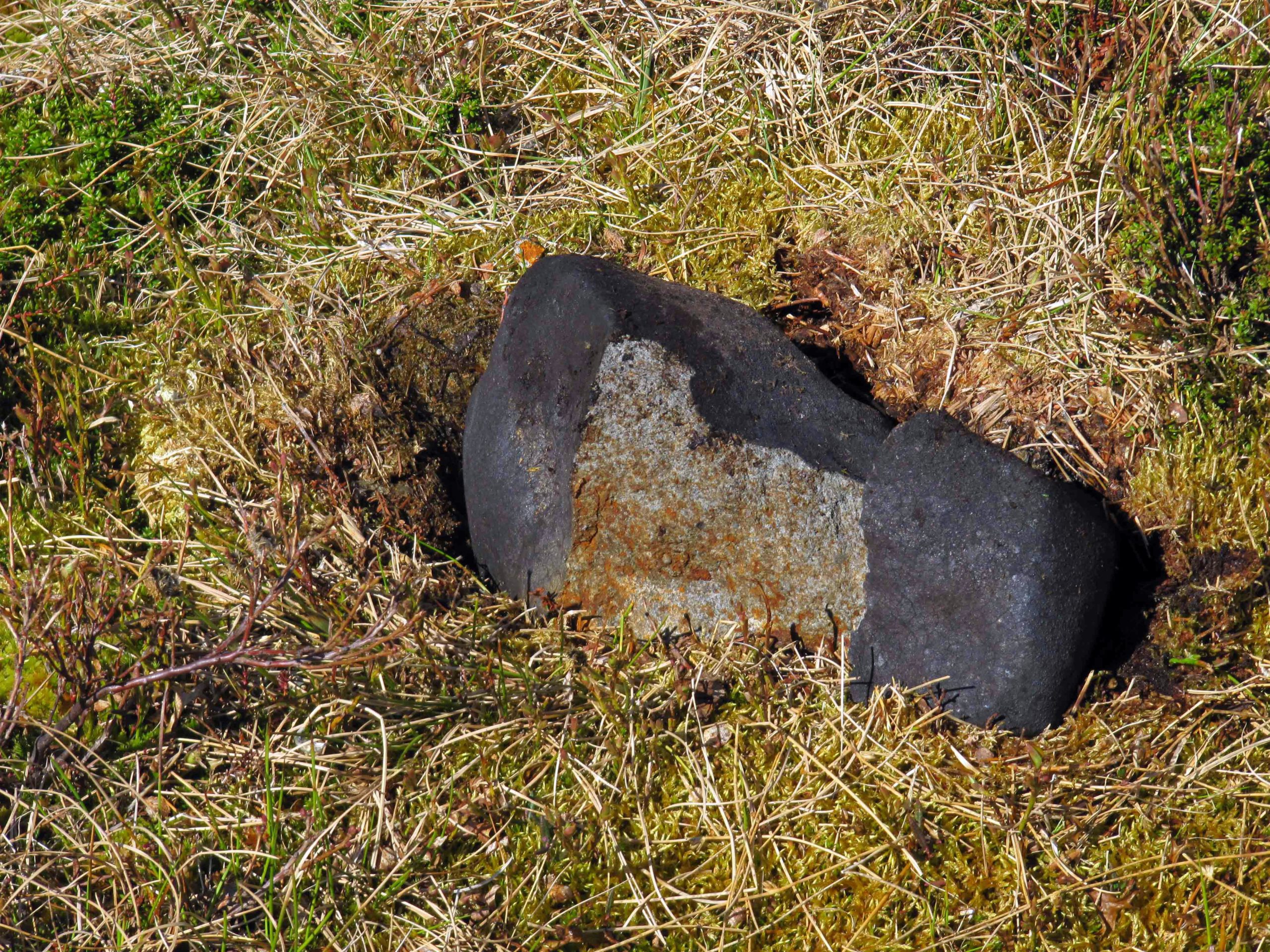
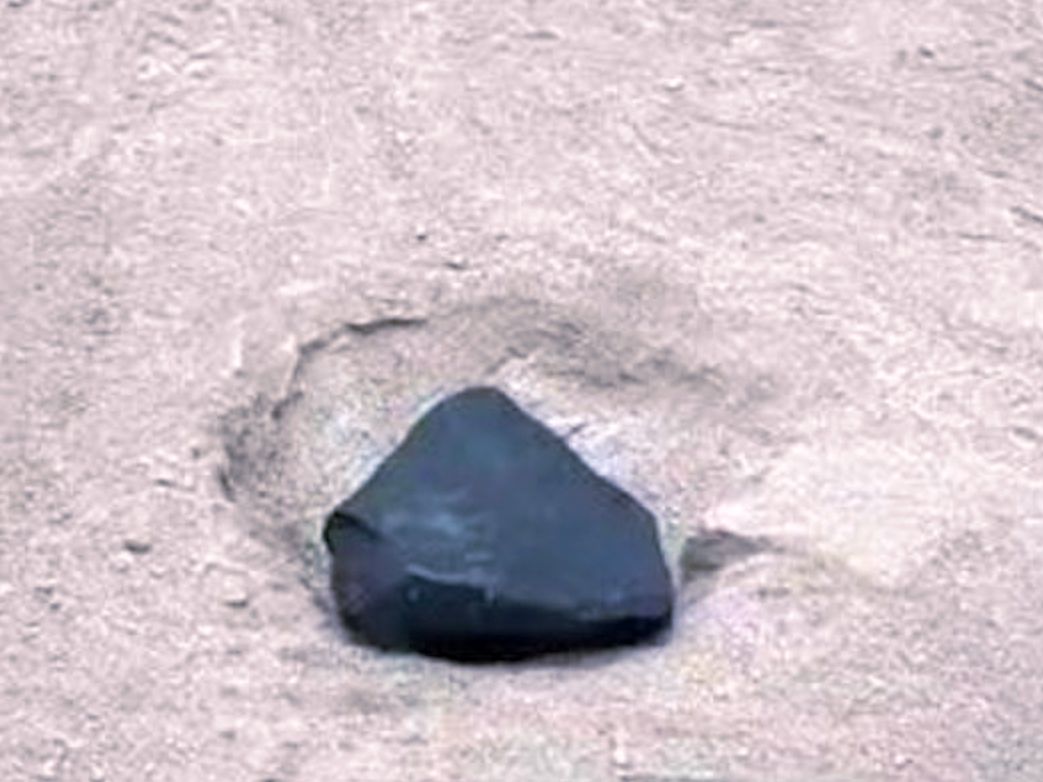
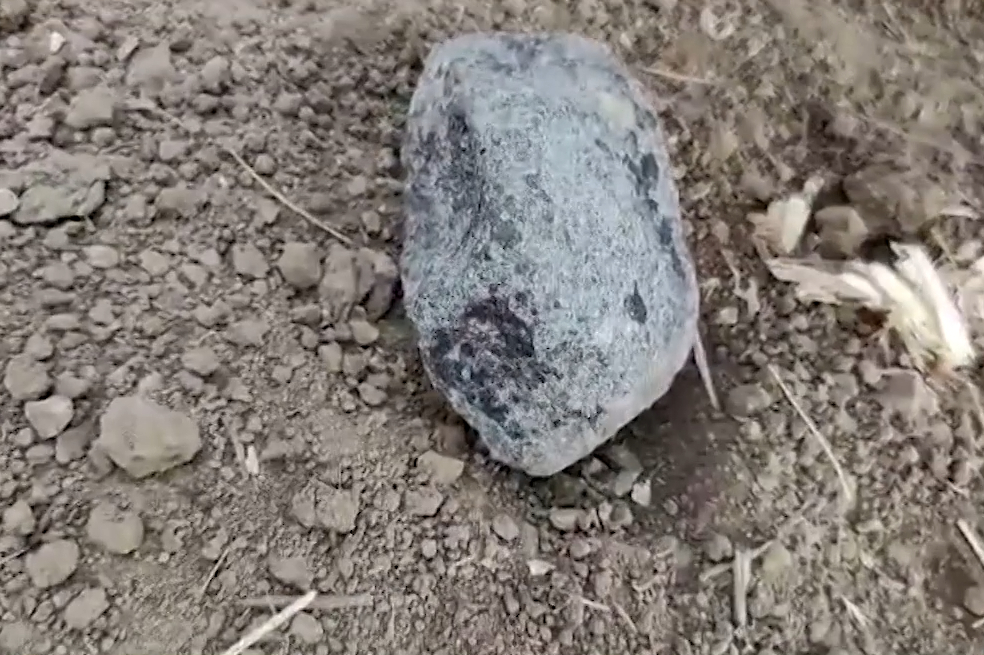
The Valle meteorite in situ on 9 June 2013. Photo: Terje Fjeldheim
“Jeg gikk rundt et vann og så at den lå der på en torvmyr.” (Terje Fjeldheim)
“Da blir jeg oppmerksom på en merkelig stein som ligger aleine på myra like ved vannet. Jeg går bort og ser ned på en stein jeg ganske raskt skjønner at bokstavelig talt har ramla ned fra himmelen.” (Terje Fjeldheim)
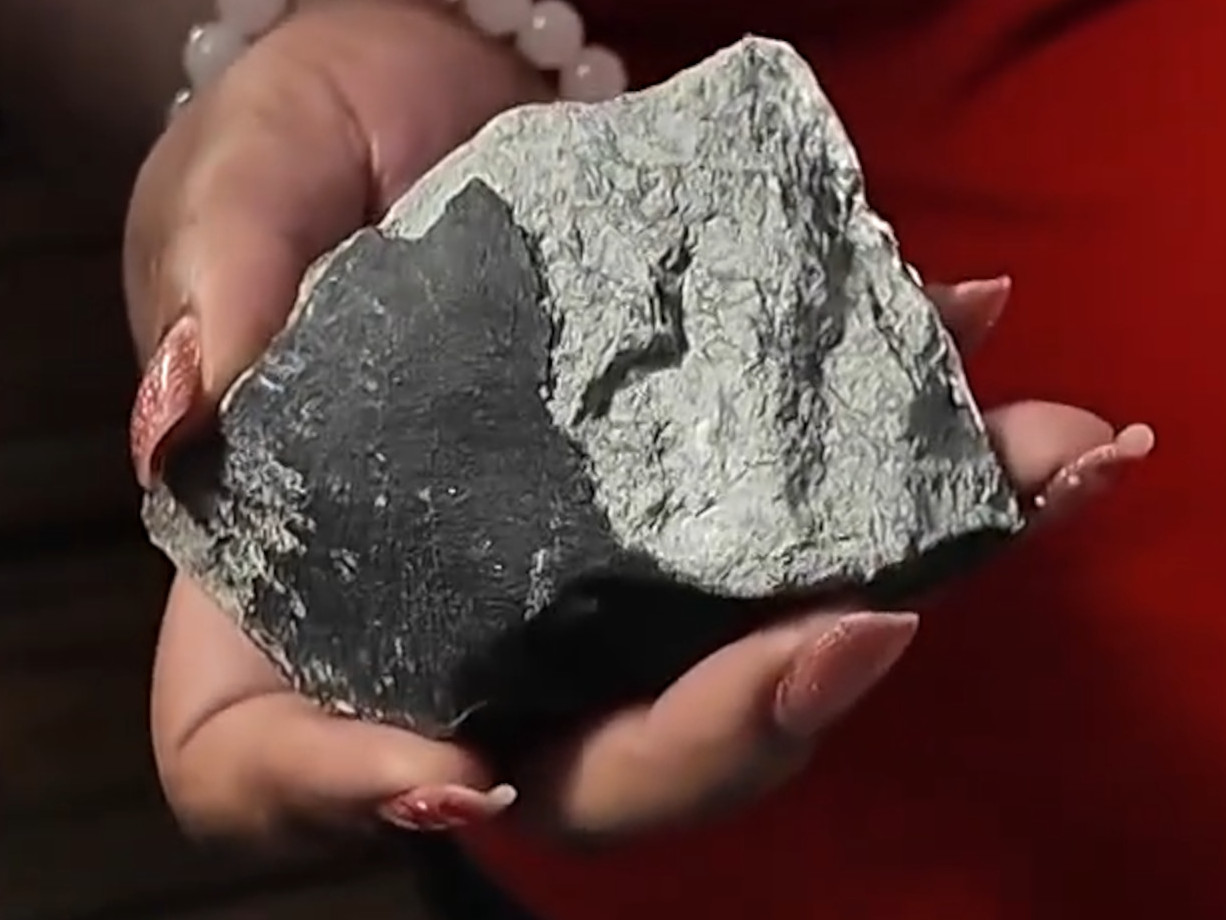
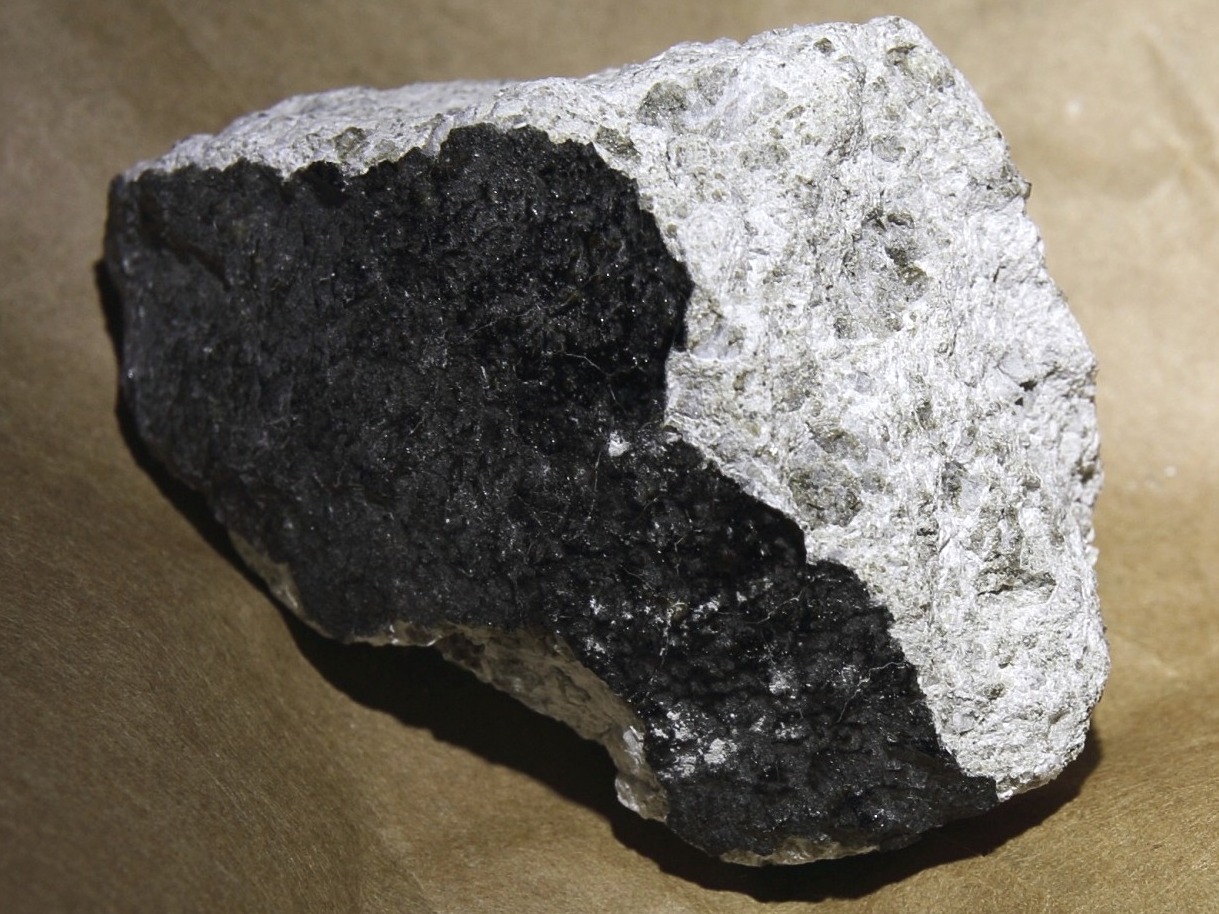
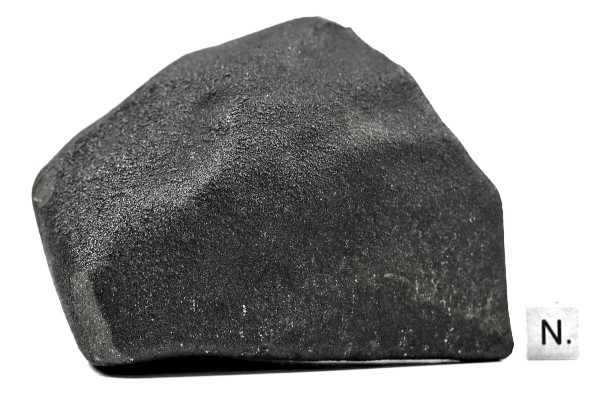
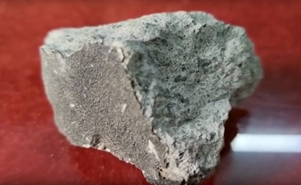
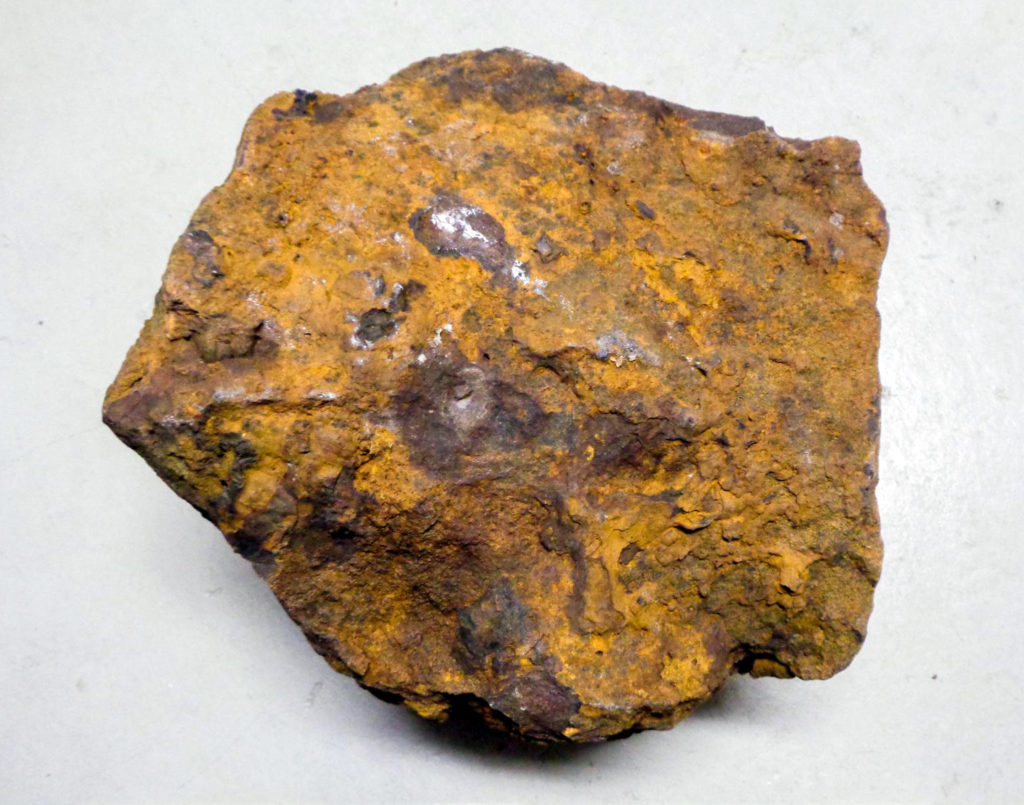
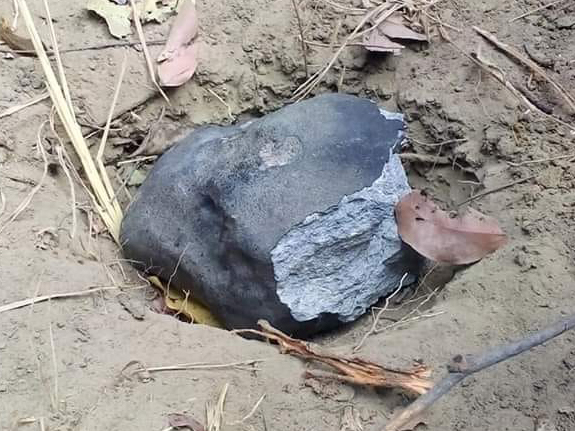
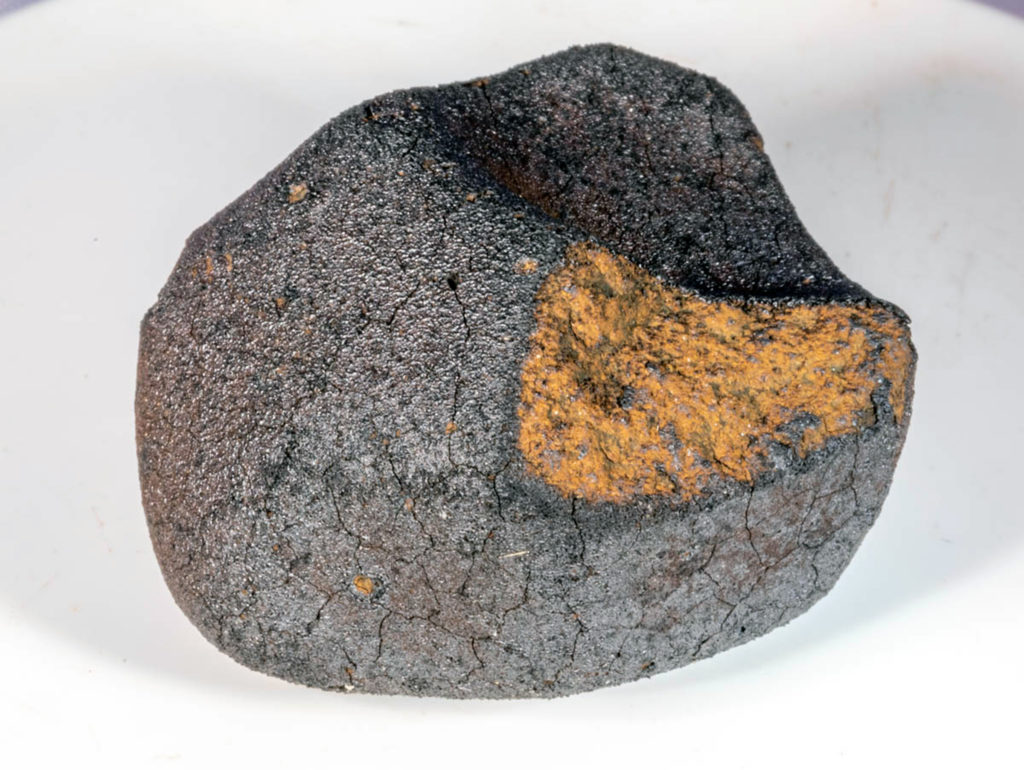
On 9 June 2013 57-year old Terje Fjeldheim from Kongsberg was on his way back from the 90-km mountain bike race Nordsjørittet in Rogaland when he decided to stop at some mountain lakes for a fishing trip. While walking around the Gunnarsvatnet lake he found a ~4.5-kilogram meteorite which had broken into two larger (~3637 and ~829 grams) and some smaller fragments on impact. Fjeldheim took photos of the find site, picked up the meteorite fragments and put them in bags in his backback. Then he continued fishing. On the next day he went to look for more fragments in the area and then went home to Kongsberg. According to Fjeldheim the two meteorite fragments weighed 4501 grams on the day after he took them out of the bags. Some water had seeped out of the meteorite fragments and accumulated in the bags or evaporated. The meteorite was found at location ~ 59°01’20.9″N, 7°15’28.1″E on a peat bog near the shore of the lake. Since the meteorite was lying on a rock it is assumed that there was snow at the time of its fall. Back home and after searching information about meteorites on the internet Fjeldheim called Rune Selbekk and two days later on 14 June 2013 Fjeldheim brought the meteorite to the Naturhistorisk museum at Tøyen in Oslo and decided to donate the smaller 829-gram fragment to the museum. One week after the discovery Fjeldheim and Morton Bilet went back to the find site. Bilet found a few extra fragments inside the impact pit. They dug out the impact pit and put it in a blue plastic box which had been provided by the museum, where it is currently stored in a cold room. In August 2013 the Naturhistorisk Museum paid 220,000 Kronen for the 3.6-kilogram mass of the meteorite. Fjeldheim kept some small fragments of the meteorite, the largest weighing 21 grams. In February 2015 he received a three-dimensional facsimile copy of the meteorite.
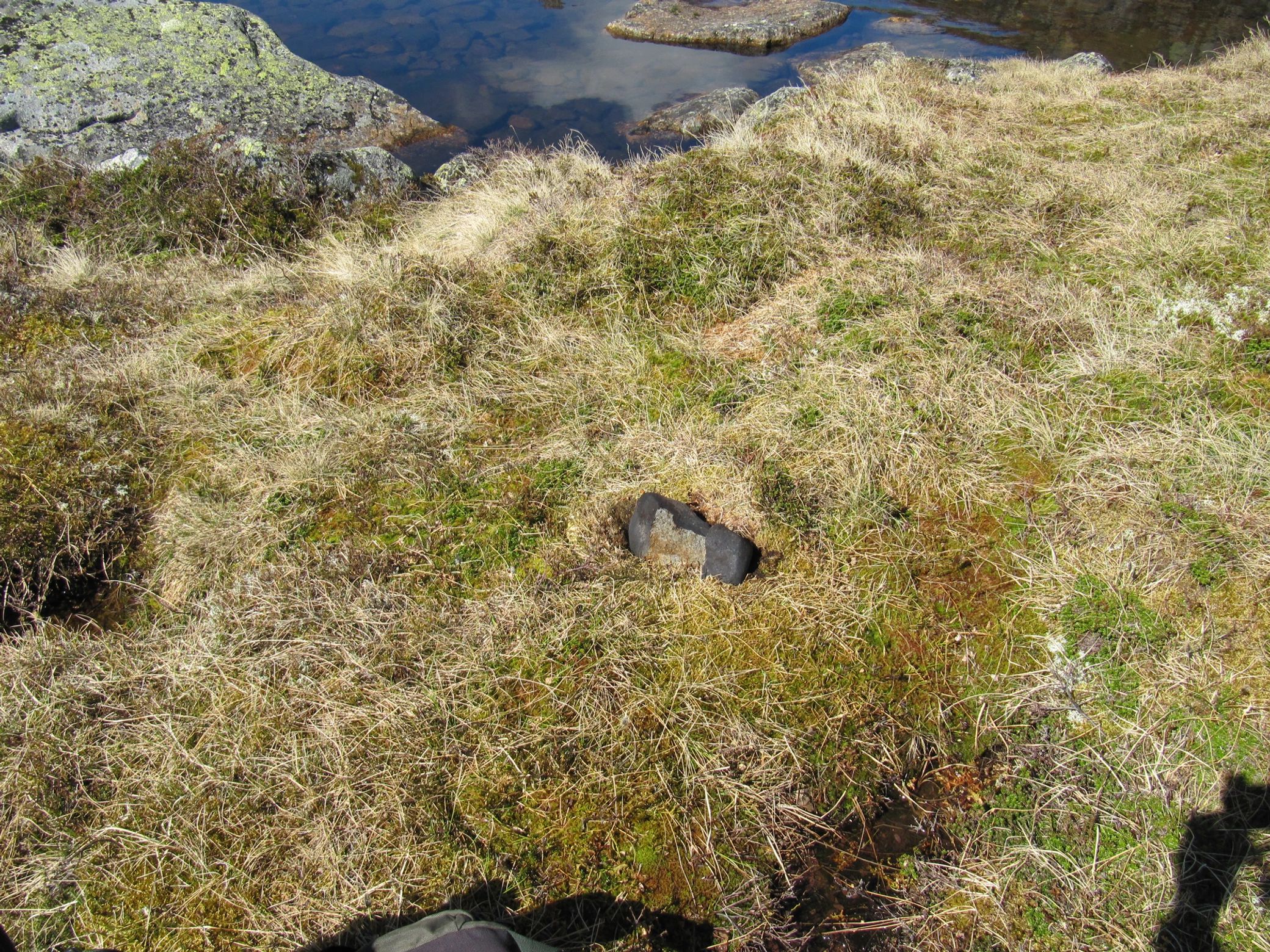
The Valle meteorite in situ near the lake on 9 June 2013. Photo: Terje Fjeldheim

Photo: Terje Fjeldheim
A possible bolide on 3 February 2012
There is a possible connection to a 3.3-second bolide heading towards a northeastern direction which was recorded at 07:17:31-34 (06:17:31-34 UTC) on 3 February 2012 by Steinar Midtskogen’s camera in Voksenlia in Holmenkollåsen in Oslo. There were eyewitness reports from Lier and Porsgrunn where people saw the bolide from a car. From Lier it was seen in a southwestern direction, from Oslo in a direction with an azimuth of 235° between 7 and 14 degrees above the horizon. From Porsgrunn it was seen in a west-northwestern direction low above the horizon. The bolide was also photographed from Jels and Klokkerholm in Denmark. According to calculations the luminous trail ended at an altitude of about 30 kilometers above Kvifjorden. The bolide was probably slow, only about 13 km / s.
Video of the bolide at 07:17:31-34 (local time) on 3 February 2012. Video: Steinar Midtskogen
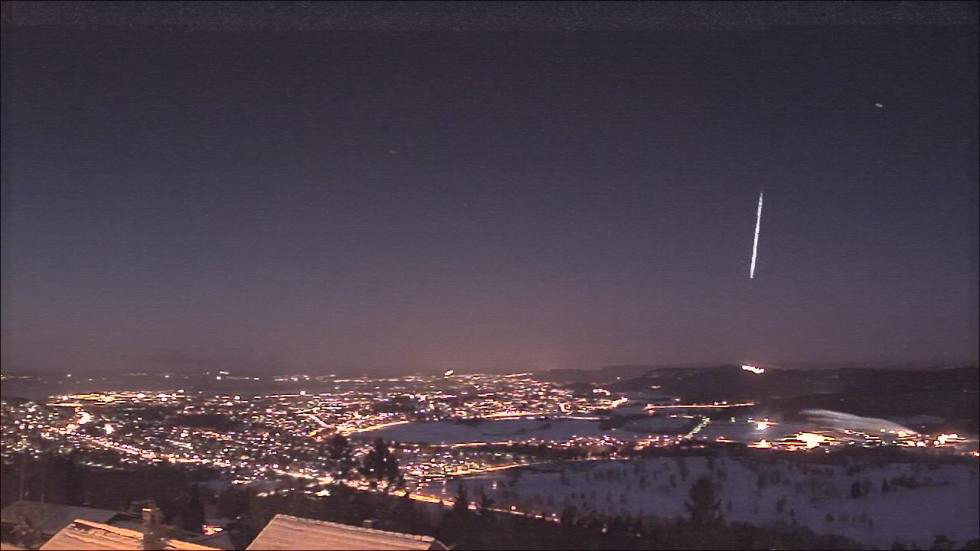
The bolide. Photo: Steinar Midtskogen

The meteorite’s find location (little red dot) in the calculated fall zone based on the bearings from Oslo (Voksenlia) and Klokkerholm in Denmark. Image: Norsk meteornettverk
Terje Fjeldheim digging out the impact pit of the Valle meteorite one week after the day he found the meteorite. Video: Morton Bilet
MEDIA
Valle-Meteoritten (report by Terje Fjeldheim, published on 4 February 2022)