The first meteoritic ammonium mineral: Discovery of boussingaultite in the Orgueil CI1 carbonaceous chondriteOPEN ACCESS
Sergey N. Britvin, Oleg S. Vereshchagin, Natalia S. Vlasenko, Maria G. Krzhizhanovskaya, Marina A. Ivanova, Irina A. Volkova
American Mineralogist, preprint, 2 July 2025
Update (1 February 2026): American Mineralogist, 01 February 2026
LINK
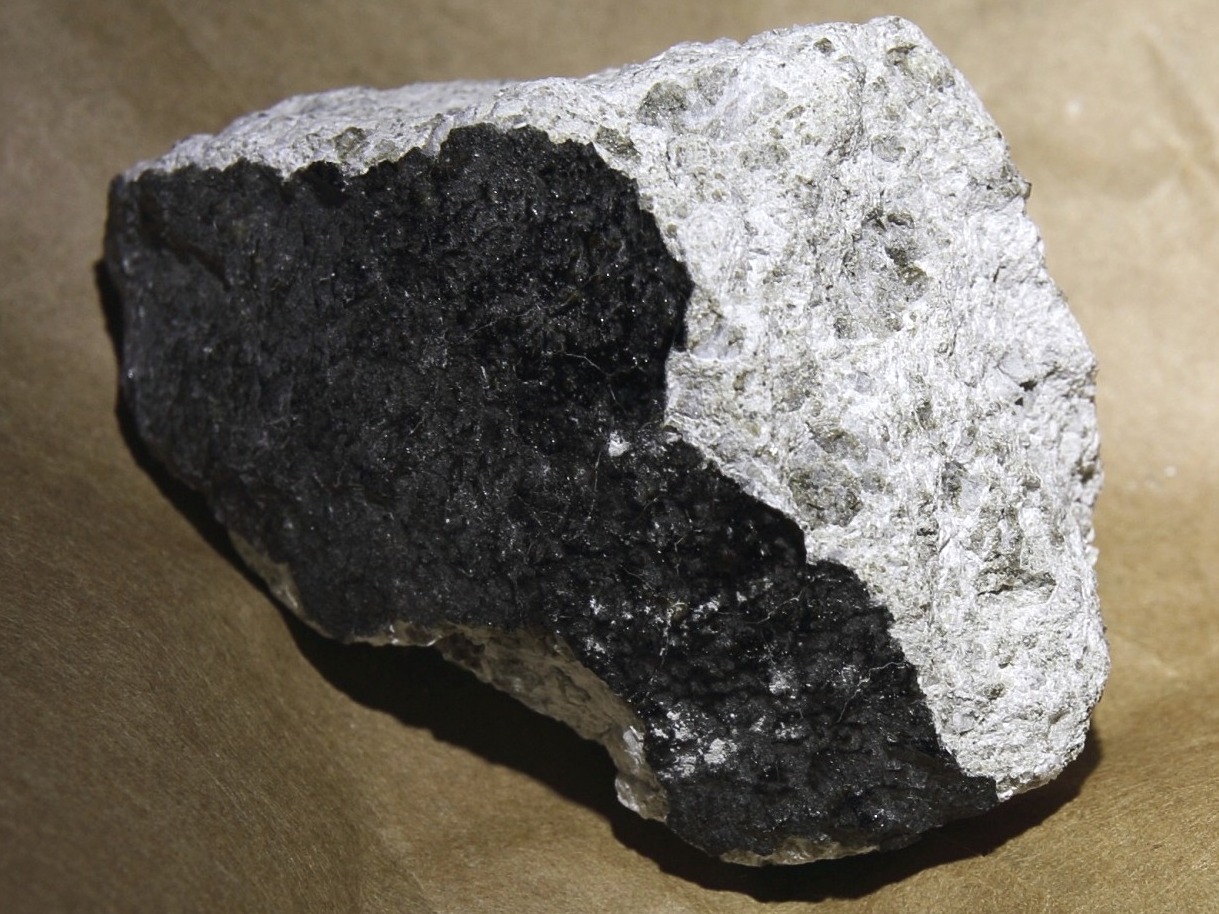
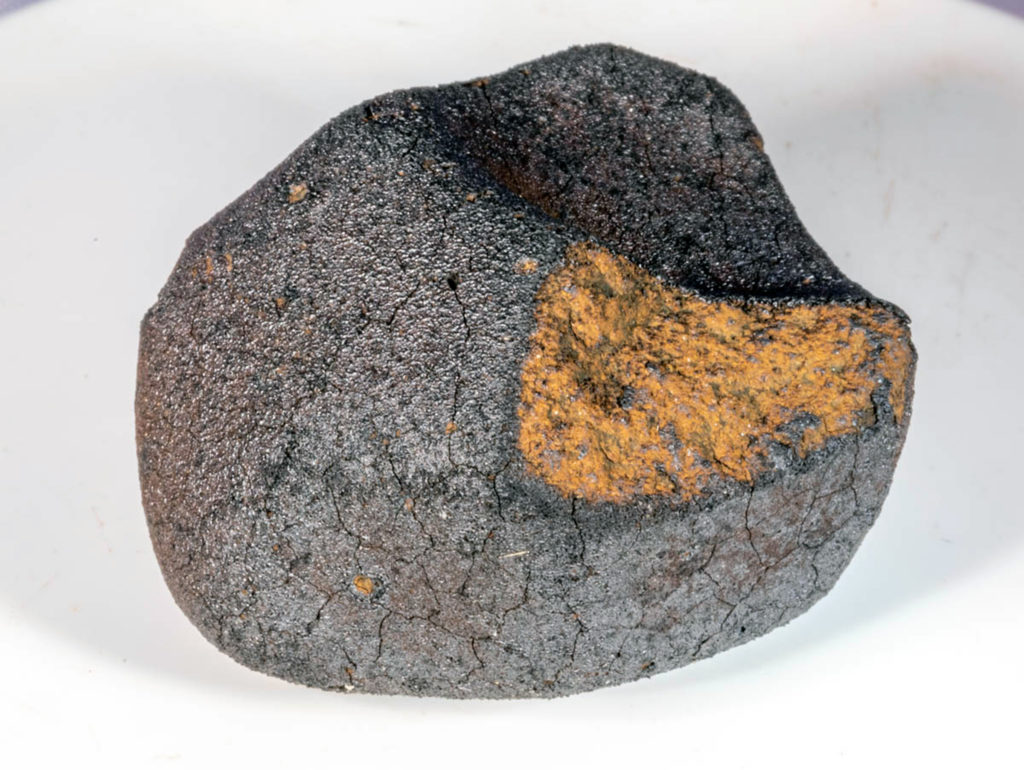
“The enigma of ammonium mineral speciation in the solar system has no proven solution due to the lack of data on the real minerals serving as space ammonium carriers. We herein report on the discovery of the first ammonium mineral in meteoritic substance and show its relevance to compositional and spectral characteristics ascribed to hypothetical ammonium phases in cometary and asteroidal bodies. Chemically distant from previously inferred volatile organics or ammoniated phyllosilicates, the mineral is an aqueous metal-ammonium sulfate related to the picromerite group—a family of so-called Tutton’s salts. Nickeloan boussingaultite, (NH4)2(Mg,Ni)(SO4)2·6H2O, was discovered in Orgueil, a primitive carbonaceous chondrite closely related to (162173) Ryugu and (101955) Bennu, the C-type asteroids. The available spectroscopic, chemical, and mineralogical data signify that natural sulfates related to boussingaultite-nickelboussingaultite series perfectly fit into the role of bound ammonia carriers under conditions of cometary nuclei and carbonaceous asteroids. The potential technogenic contamination of astromaterial samples and the difficulties in electron microprobe determination of ammonium are discussed in the context of recently published reports on the discovery of lunar and asteroidal ammonium-containing minerals.”