Kindberg, the fifth meteorite fall in Austria: A weakly shocked L6 chondrite breccia with high-pressure phasesOPEN ACCESS
Addi Bischoff, Maximilian P. Reitze, Julia Roszjar, Markus Patzek, Jean-Alix Barrat, Jasper Berndt, Tommaso Di Rocco, Andreas Pack, Iris Weber
MAPS, Version of Record online: 24 November 2025
LINK (OPEN ACCESS)
PDF (OPEN ACCESS)
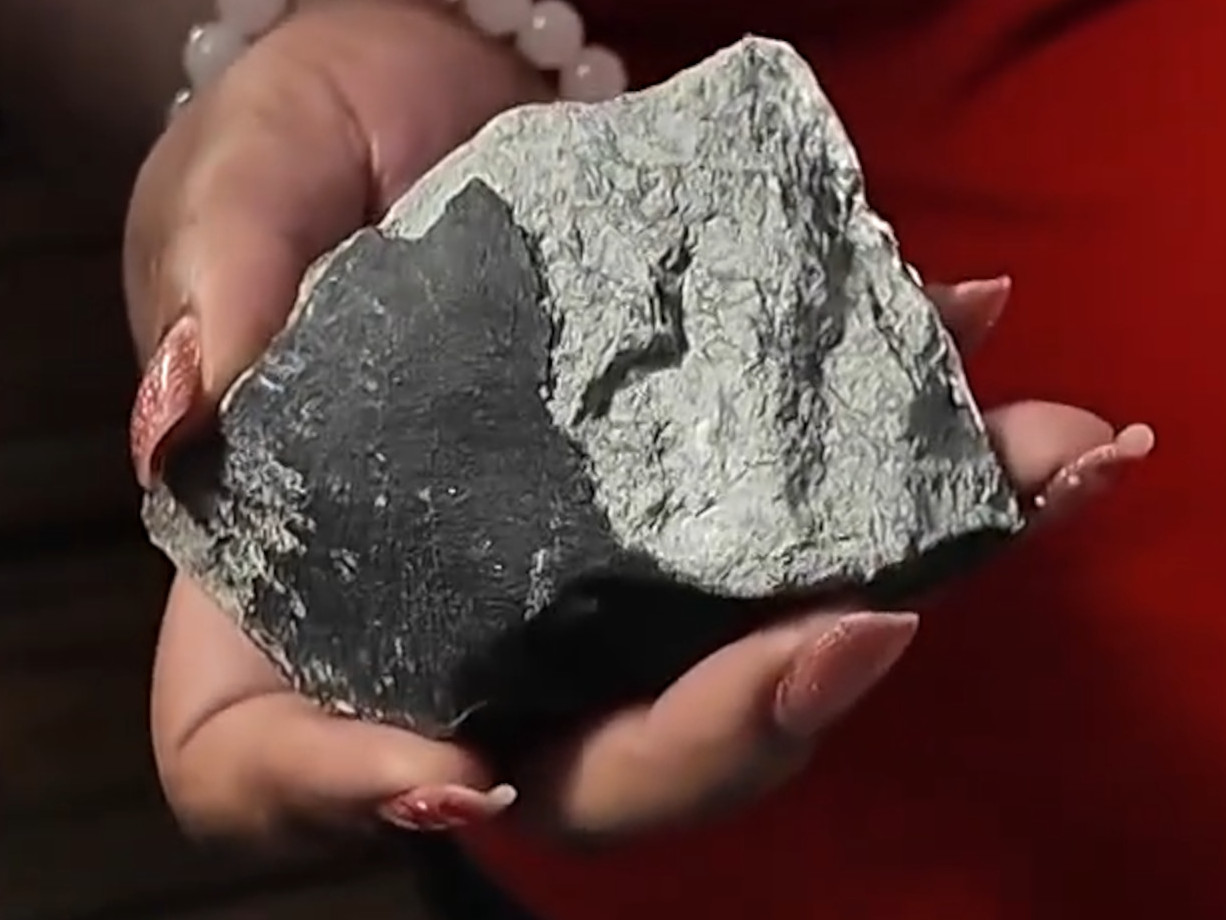
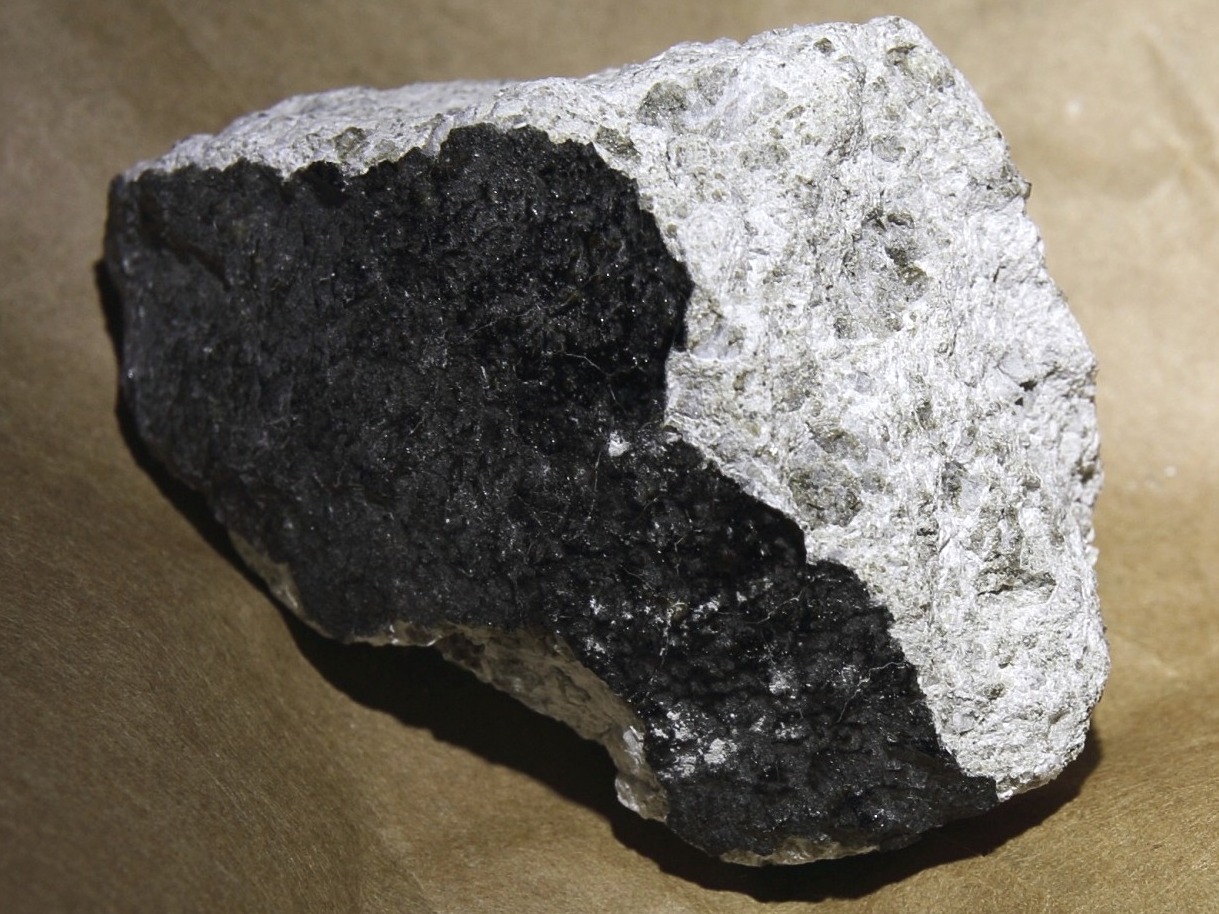
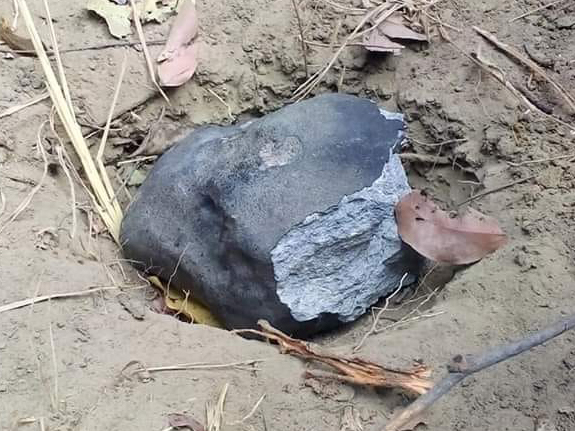
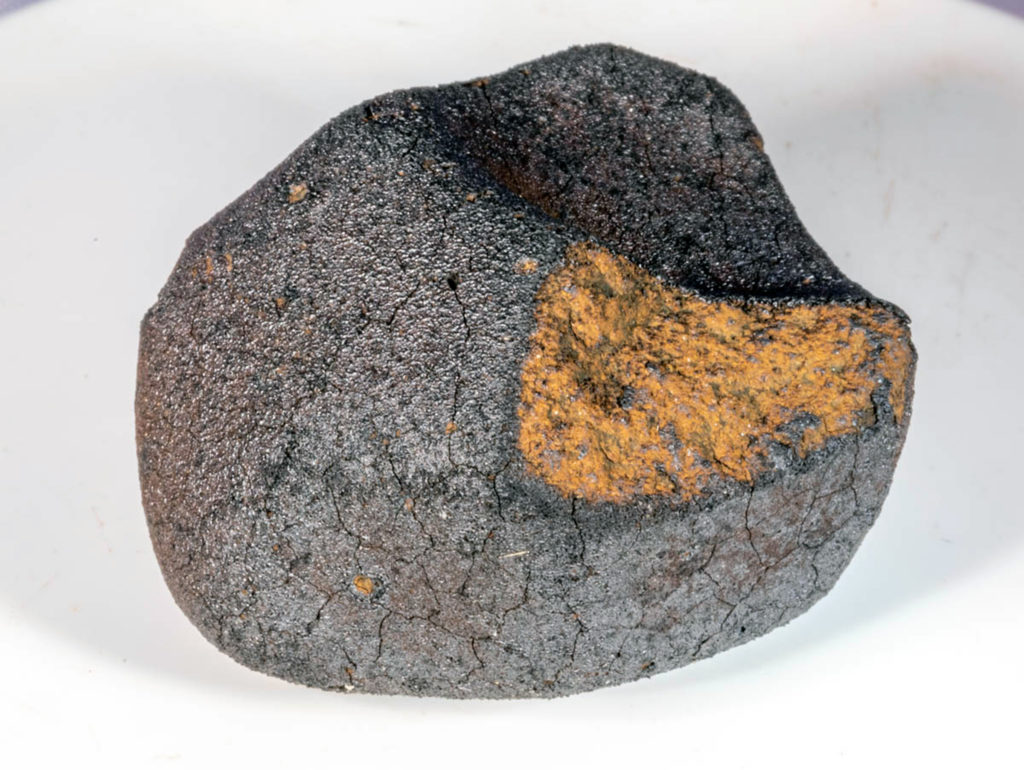
“A bright fireball was seen at 4:46 a.m. CET on November 19, 2020, over Austria, and also eye witnessed in Italy and Germany. The resulting Kindberg meteorite was the fifth well-approved meteorite fall in Austria, and all rocks represent ordinary chondrites. One specimen of Kindberg, measuring 233.08 g, was recovered on July 4, 2021, largely covered by a dark brownish fusion crust. The meteorite is an L6 ordinary chondrite (OC) breccia; Kindberg’s highly equilibrated type 6 character is also supported by the large-sized plagioclase grains (An9-12; with grains >100 μm) and the homogeneous compositions of olivine (Fa24.4±0.4) and low-Ca pyroxene (Fs20.6±0.3). The meteorite shows remarkable shock effects in the form of easily visible dark shock veins cross-cutting the bulk rock. The olivine in Kindberg is dominated by grains with undulous extinction or planar fractures, indicating a weakly shocked (S3 [C-S3]) chondritic rock. Close to the shock veins, olivine can also show mosaicism. In addition, wadsleyite, a high-pressure polymorph of olivine, was identified by Raman and IR spectroscopy. Wadsleyite, sometimes in paragenesis with maskelynite and locally part of an intergrowth with majorite and perhaps ringwoodite, was found within and close to the veins. The occurrence of high-pressure phases of olivine and maskelynite in a weakly shocked bulk rock clearly indicates their formation at relatively low equilibrium shock pressures of <20 GPa (S3/S4 transition). Equilibrium shock pressures consistent with those experienced by bulk rocks shocked to S5 (>30–35 GPa) and S6 (>45 GPa; S5/S6 transition) are not required to form high-pressure polymorphs of olivine. The L-chondrite classification is confirmed by O isotope data. The bulk chemical composition also supports L-group membership.”