Constraining the maximum temperature of atmospheric entry heating of dust particles and the effects of flash heating on He and Ne
My E.I. Riebe, Nicola M. Allen, Colin Maden
Geochimica et Cosmochimica Acta
Available online 11 December 2025
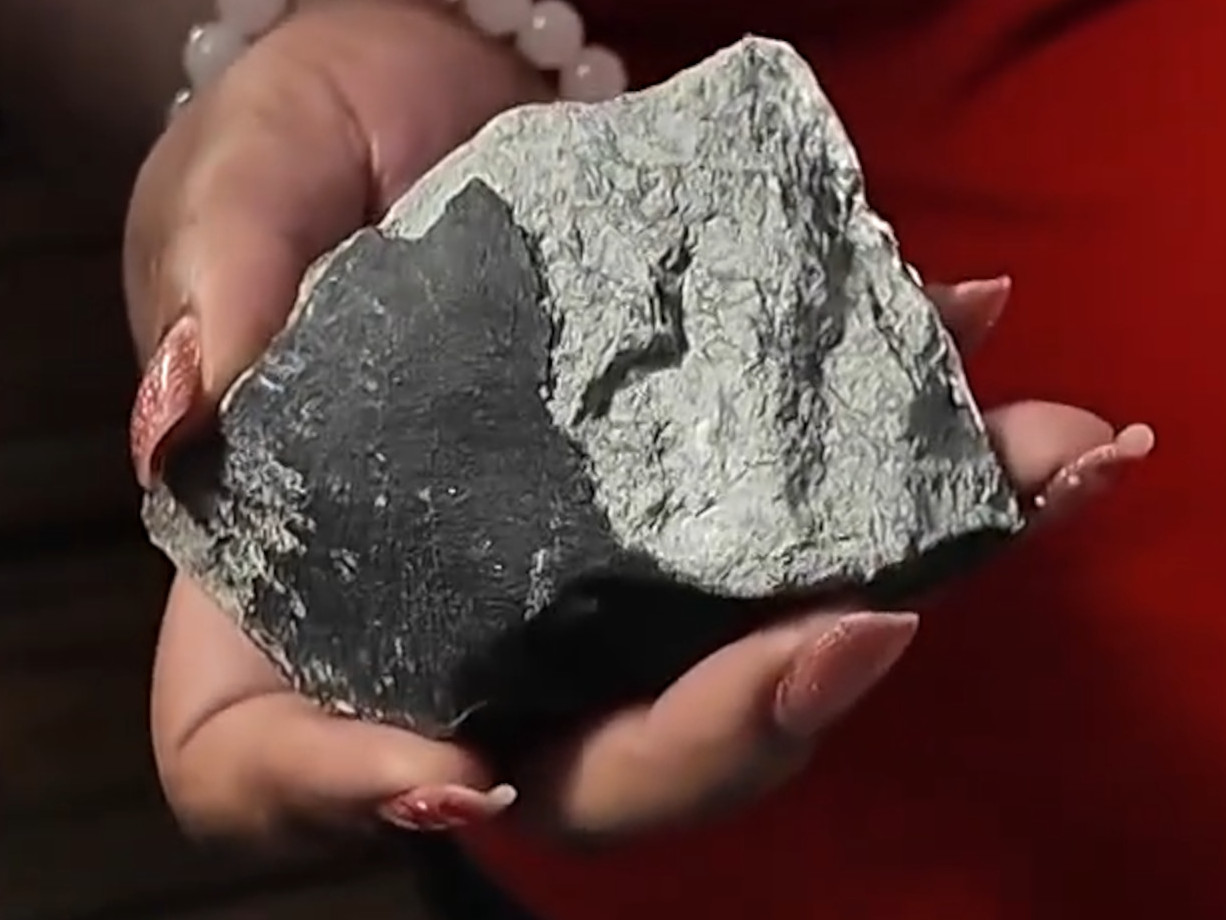
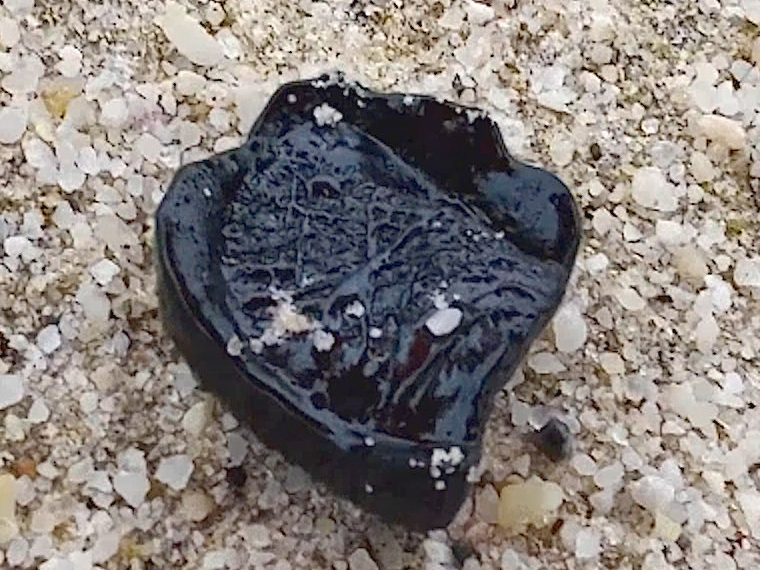
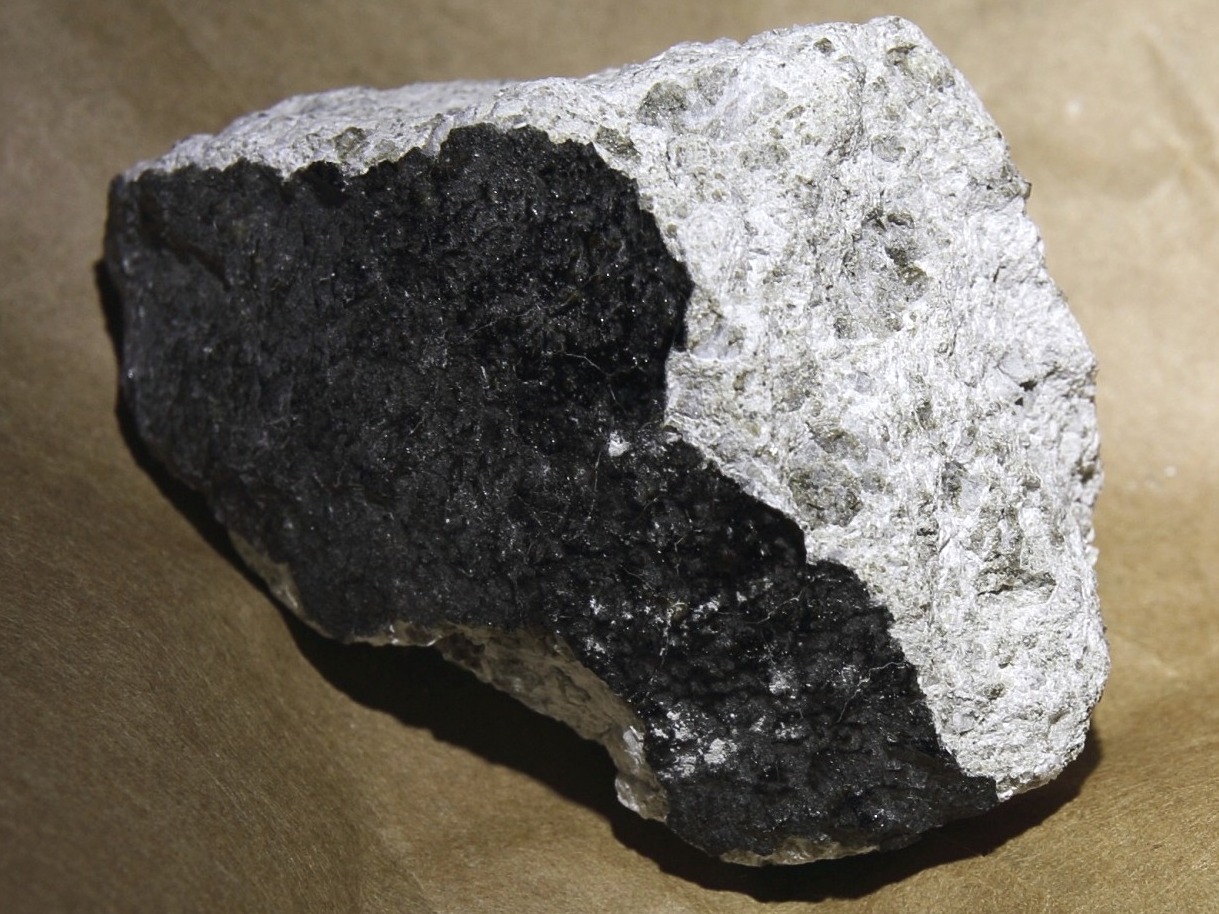
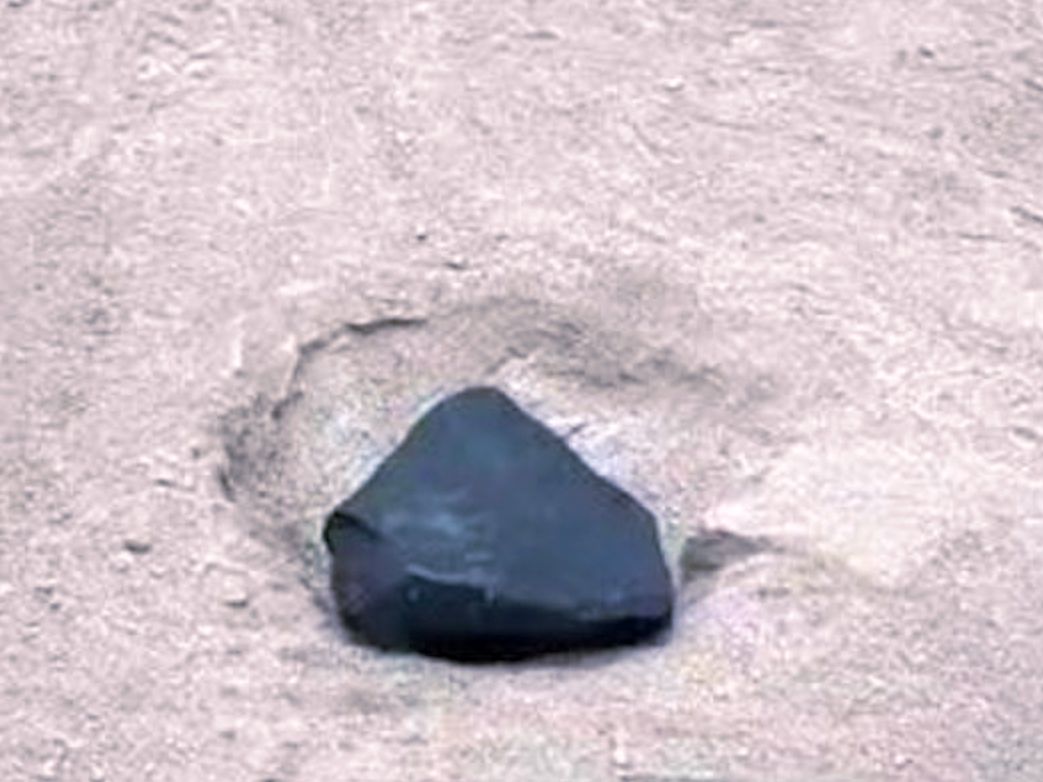
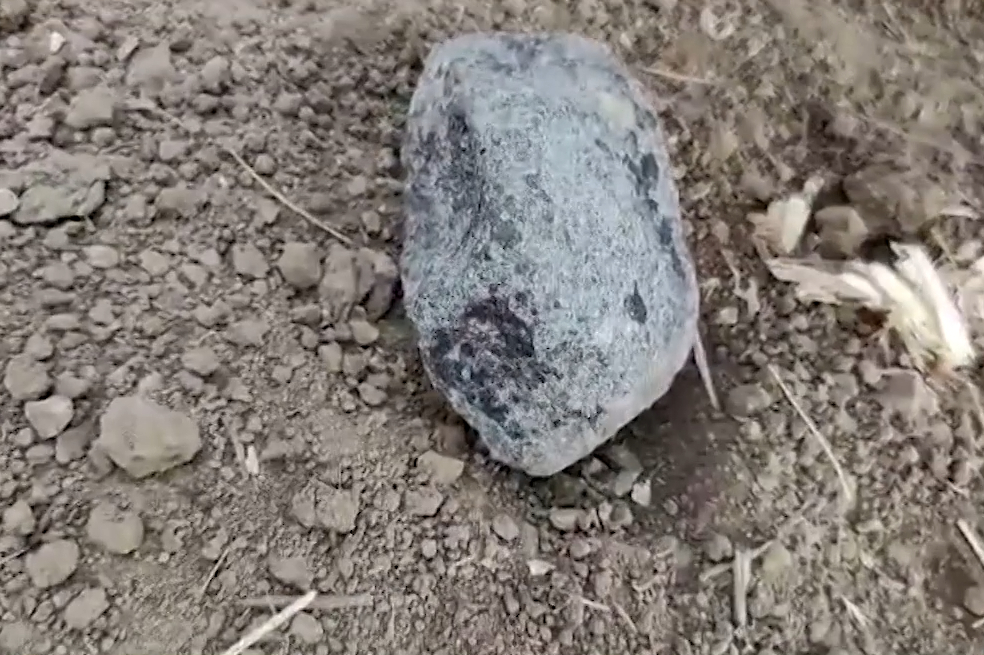
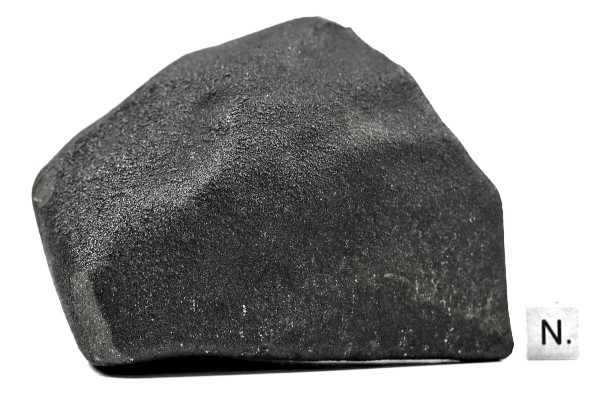
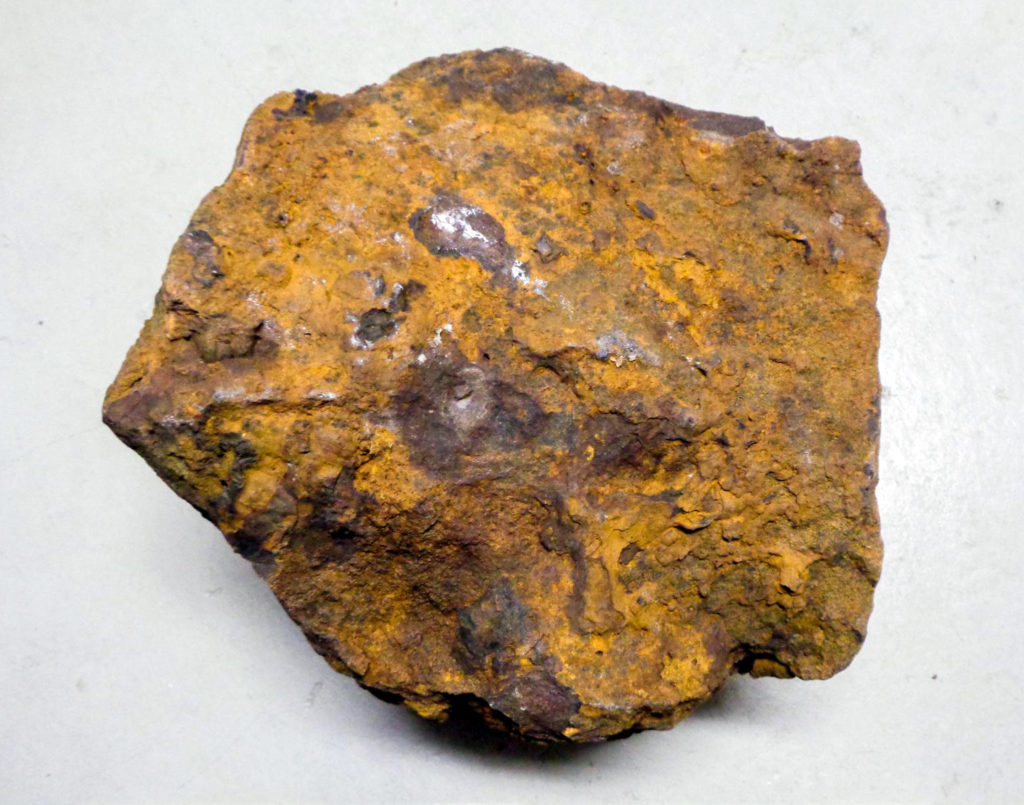
“Determining the maximum temperatures (Tmax) experienced by interplanetary dust particles (IDPs) and micrometeorites (MMs) during atmospheric entry is crucial for interpreting their petrology, volatile content, composition of organics, and textures. We present a new approach for determining Tmax based on He-release curves acquired by use of a programmable diode laser with active temperature stabilization via the readback from a pyrometer. Flash heating experiments that replicate atmospheric entry conditions were performed on >50 aliquots from five different meteorites: Winchcombe (CM2), PCA 02007 (lunar feldspathic breccia), MIL 090001 (CR2), MIL 090292 (C1-ung.), and NWA 12957 (C3.00-ung.). One to five, 40–250 µm sized grains were flash heated to Tmax between 500–1600°C, with ramps of 3–12 s and an additional 1–4 s at Tmax. Subsequently, He-release curves were collected from the flash heated samples and the He and Ne remaining after flash heating was analyzed. The He-release curves show a good separation of the He released from unheated samples up to samples heated to 1200°C. They are therefore well suited to determine the Tmax of MMs and IDPs during atmospheric entry heating up to 1200°C. The He-release curves are not dependent on the material types, flash heating profiles, noble gas components, He concentrations, or particle sizes. For samples flash heated up to a given temperature between 600 – 1200°C, the peak of the He degassing rates during acquisition of the He-release curves reproducibly occur within a very narrow temperature range. The time separation of the He-release curves in our experiments can only be achieved if several mineral phases with significantly different He-diffusion constants are present in the sample. The He-release curves therefore provide an upper limit to the temperature a sample experienced during a previous heating event.
Relative losses of He and Ne during flash heating are predominantly dependent on the Tmax and mineralogy of the sample and to a lesser degree on the duration of the flash heating pulse. Samples containing a large proportion of phyllosilicates (Winchcombe, MIL 090292) tend to release a larger Ne fraction during flash heating than samples with less or no phyllosilicates (MIL 090001, PCA 02007). About 30–40% of the He and Ne were lost during flash heating to 600°C, losses are typically in the order of 80–90% during flash heating to 1000°C, and there is a near total loss of He and Ne at 1400°C and above.”