Rapid terrestrial weathering of the CI1 carbonaceous chondrite find Oued Chebeika 002OPEN ACCESS
Martin R. Lee, Jasper Glazer
MAPS, Version of Record online: 22 December 2025
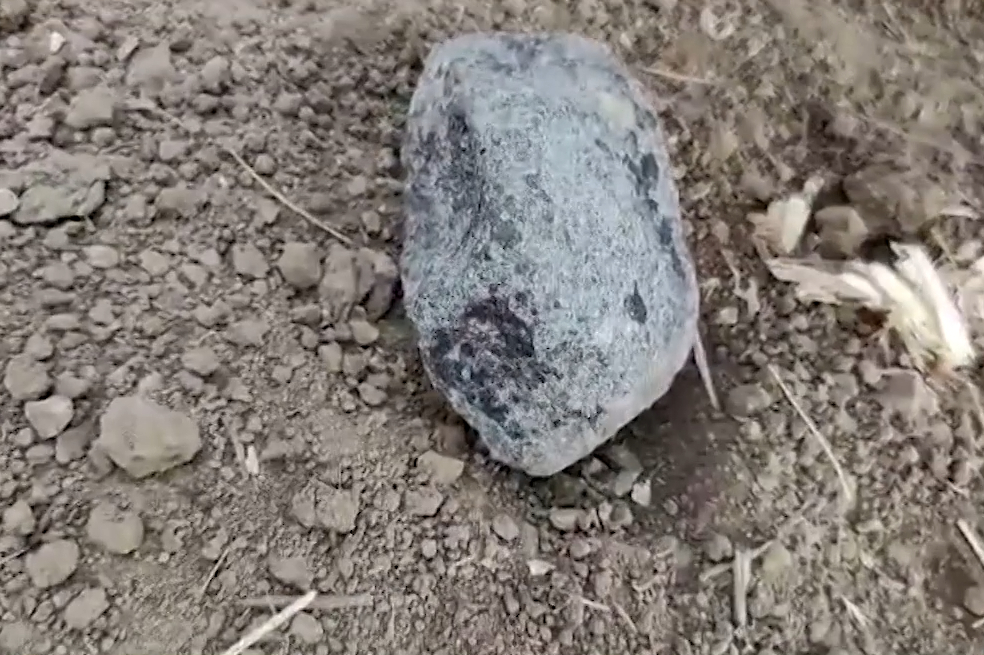
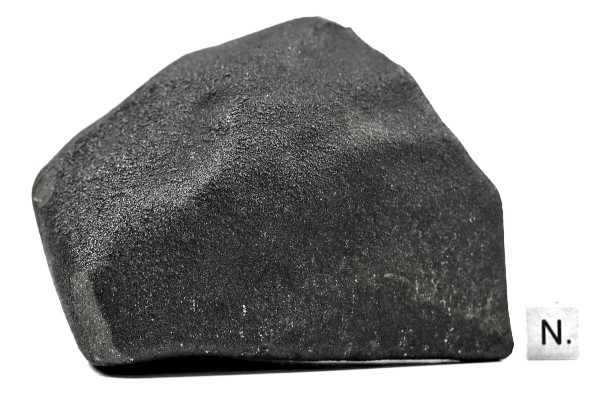
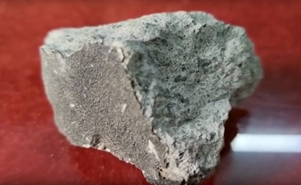
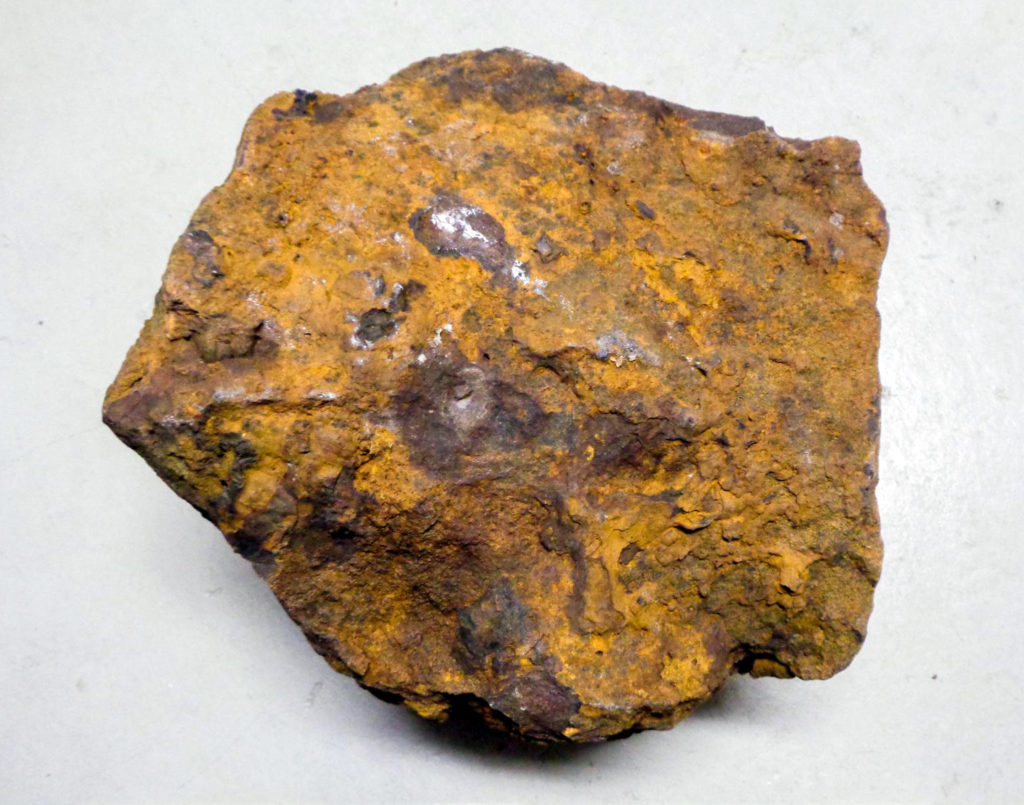
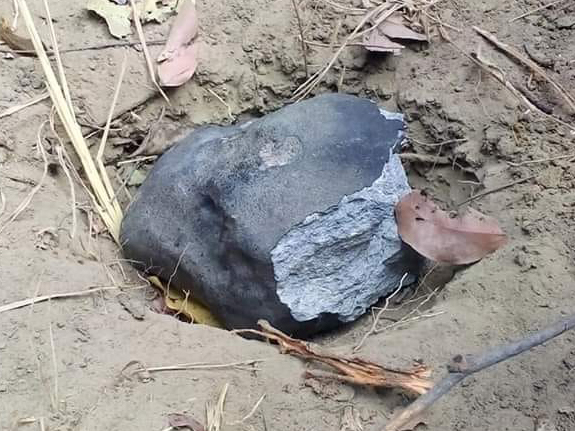
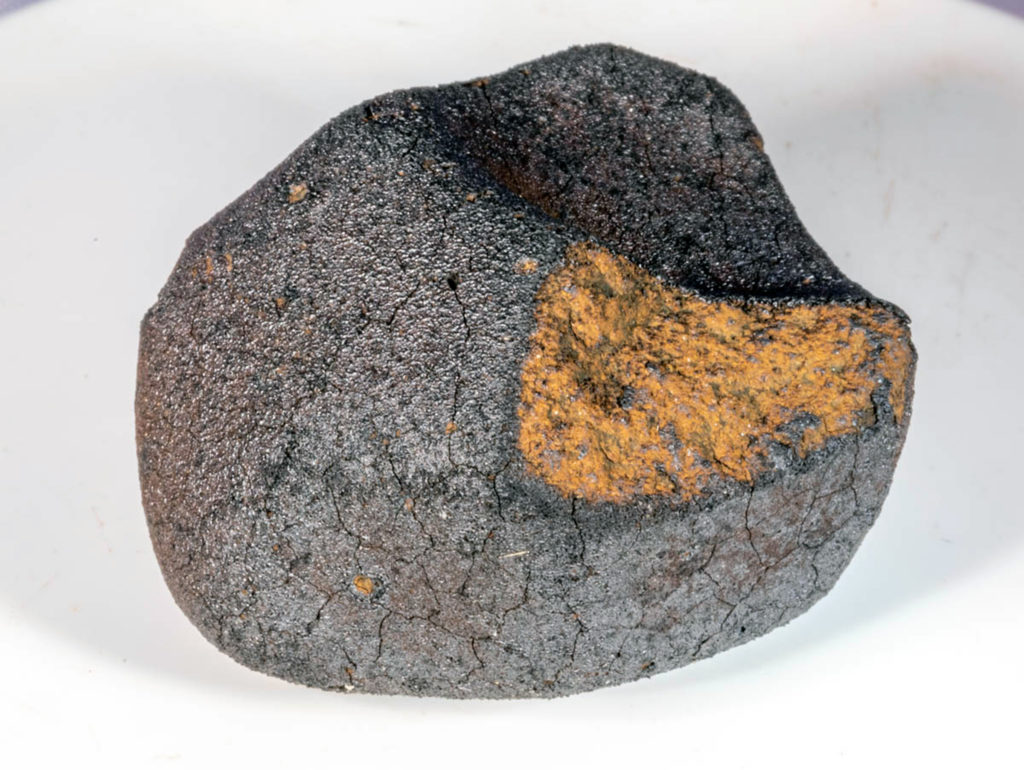
“Alteration of historic CI1 meteorite falls during their curation demonstrates the susceptibility of smectite-rich carbonaceous chondrites to terrestrial exposure. The discovery of Oued Chebeika 002 in Morocco in June 2024 presents a unique opportunity to document the earliest stages of weathering of a CI1 find. We studied 10–30 mg fragments that had been recovered by September 2024. Grains of quartz and feldspar were implanted into the fragments by wind action whilst on the desert floor. Gypsum is the main product of terrestrial weathering. It encrusts their outer surfaces, in one case covering 5.3% of a fragment, and has filled voids within both fractures and phyllosilicate clasts. Other products of terrestrial weathering are Ca-carbonate grains that have grown within a sand-filled fracture, and rock inhabiting fungi colonizing the surface of a fragment. Chemical weathering was facilitated by water that had been adsorbed by smectite from the humid desert air, and crystallization of gypsum was driven by evaporation from the surfaces of those fragments that were exposed to direct sunlight. The gypsum and Ca-carbonate grew over a period of 3 or 4 months, approximately between June and September 2024, whereas the time scale of fungal colonization can only be constrained to a year or less. The rapid interaction of Oued Chebeika 002 with the Earth’s atmosphere, lithosphere, and biosphere underscores the importance of prompt recovery and careful curation of CI1 and other smectite-rich meteorites.”