Drelów, the 13th and latest meteorite fall in Poland—A typical L6 chondrite with shock veinsOPEN ACCESS
Addi Bischoff, Krzysztof Szopa, Jean-Alix Barrat, Stig Bartel, Jasper Berndt, Tommaso Di Rocco, Dieter Heinlein, Stephan Klemme, Tomasz Krzykawski, Björn Lehnert, Agnieszka Mirek, Andreas Pack, Markus Patzek, Marie Pichotta, Maximilian P. Reitze, Stefan Ruchti, Philippe Schmitt-Kopplin, Karl Wimmer, Mateusz Żmija
MAPS, Version of Record online: 10 February 2026
LINK (OPEN ACCESS)
PDF (OPEN ACCESS)
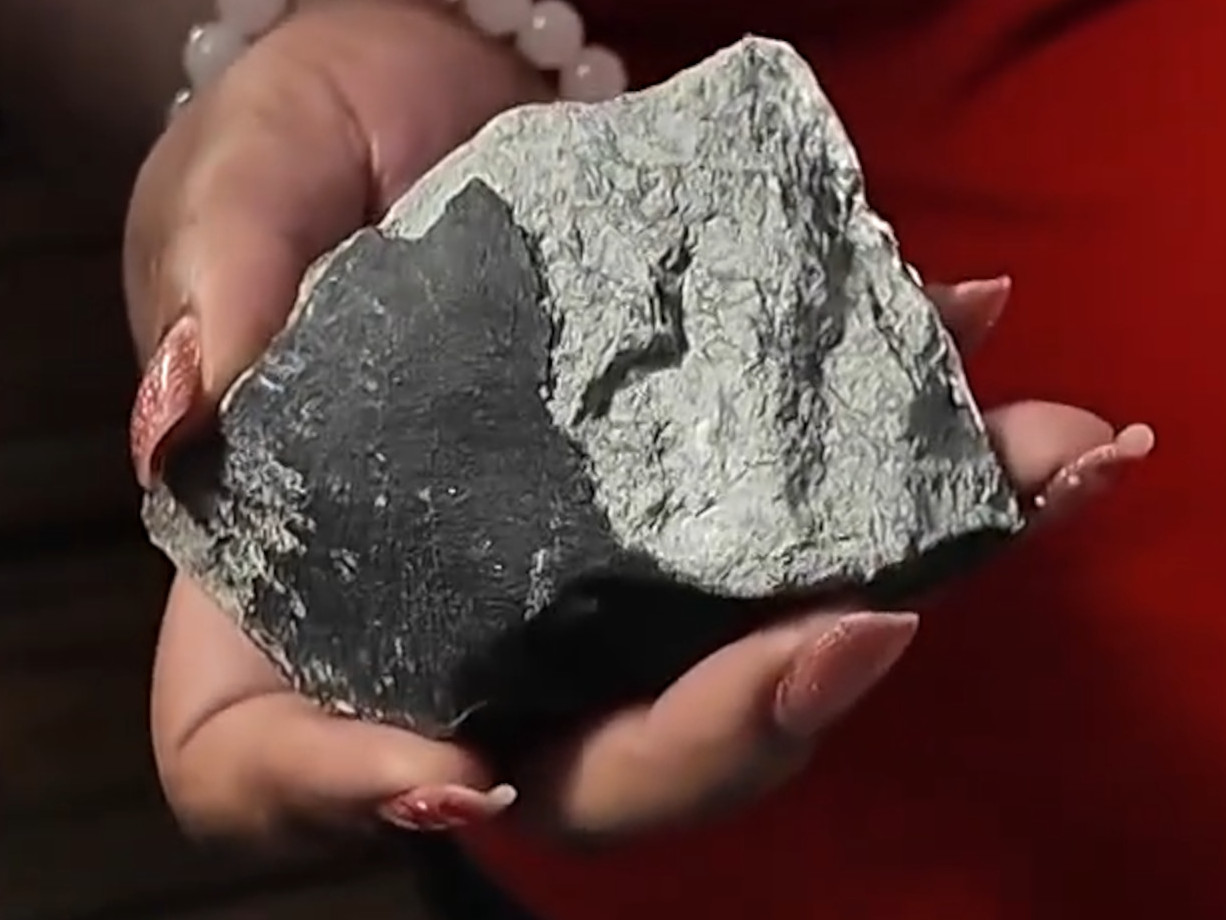
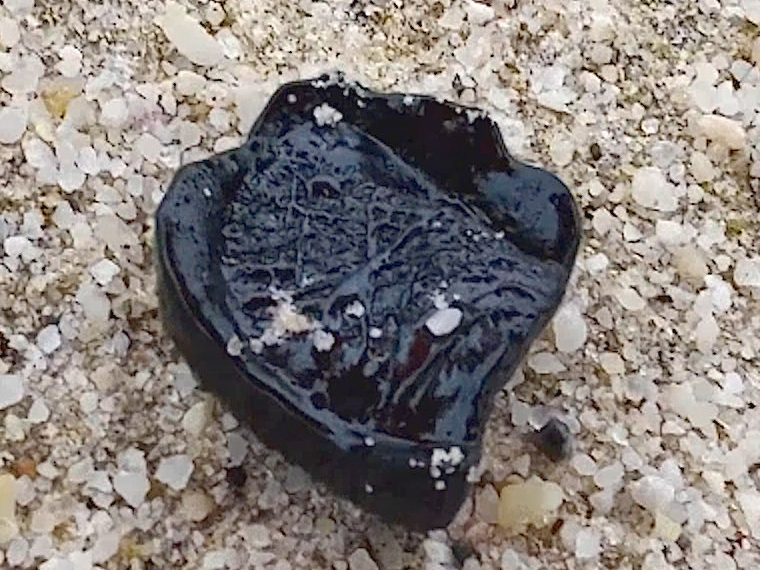
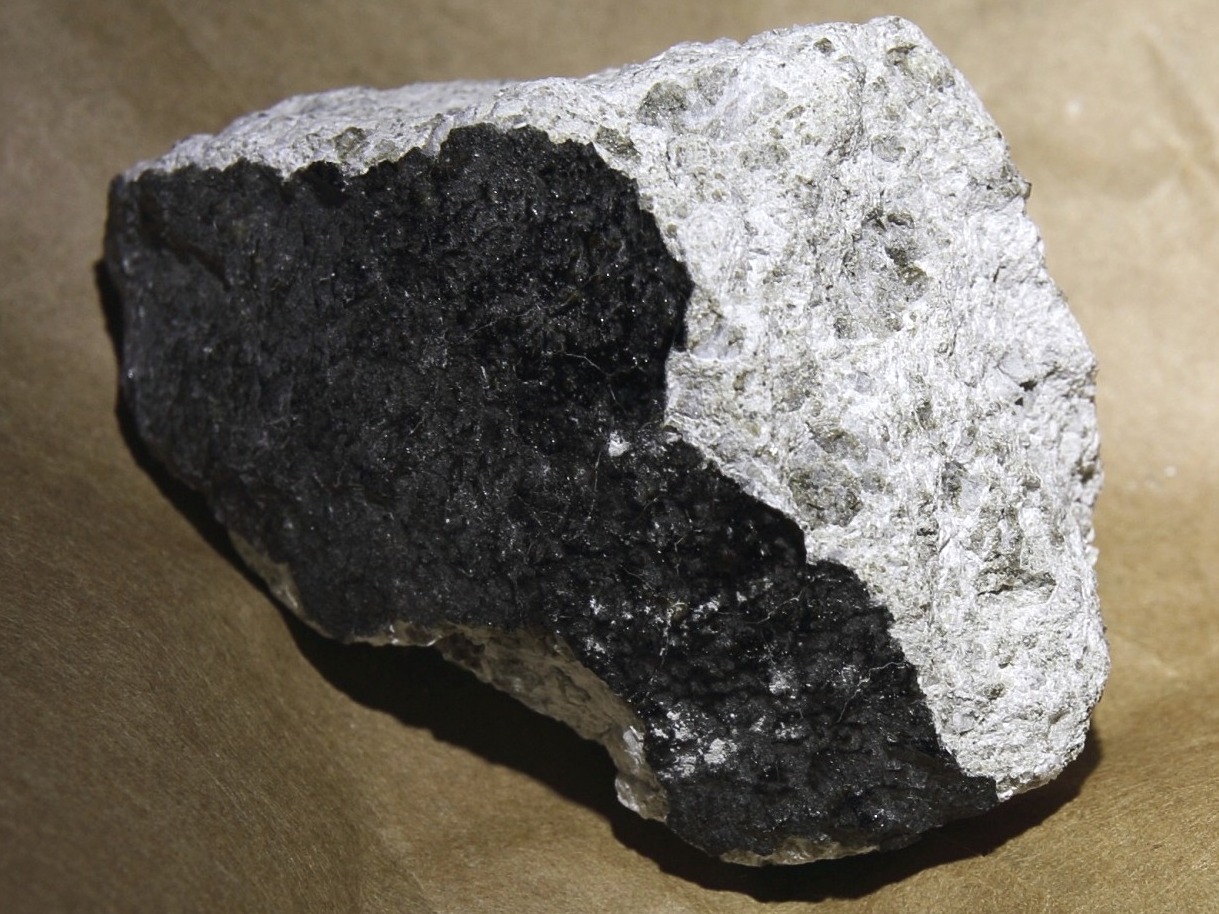
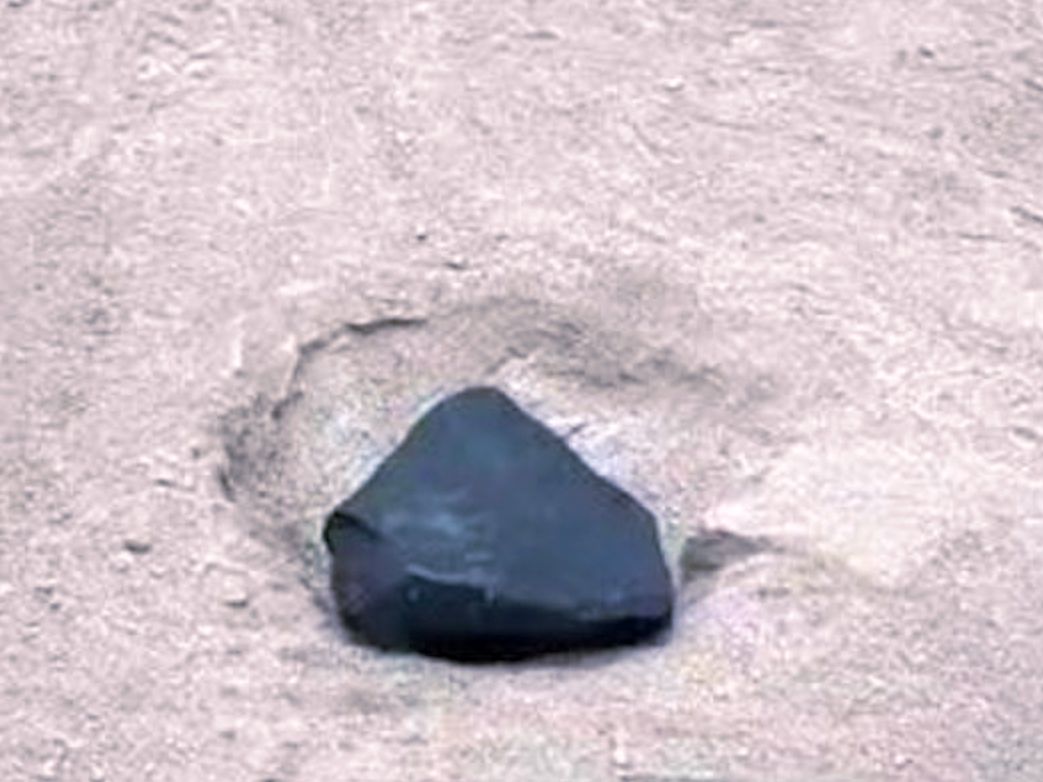
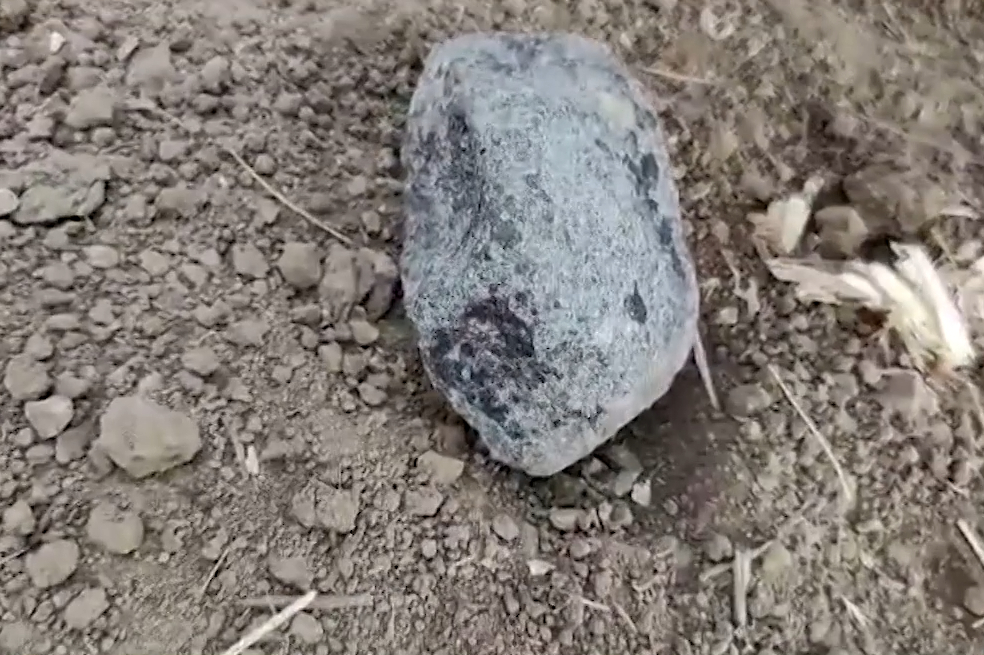
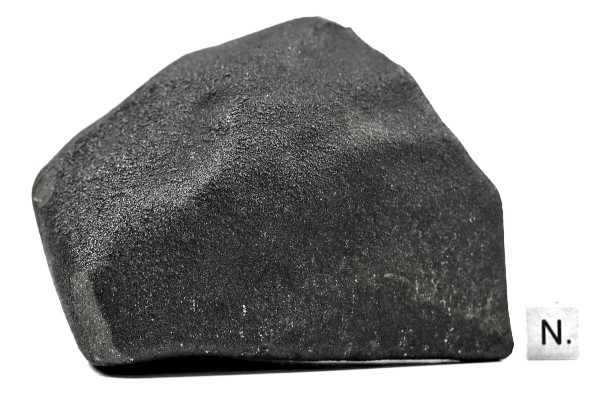
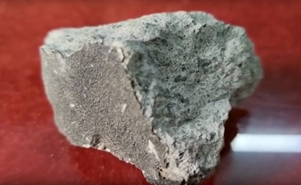
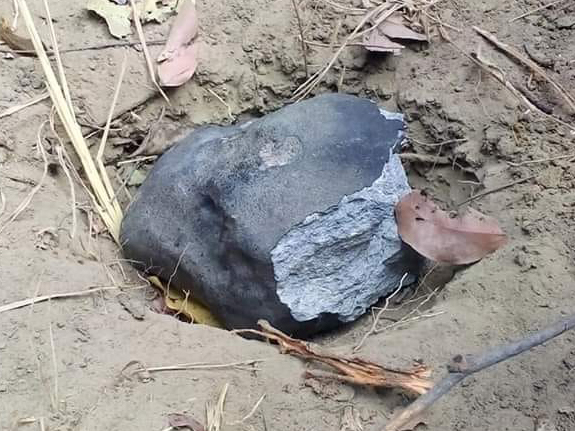
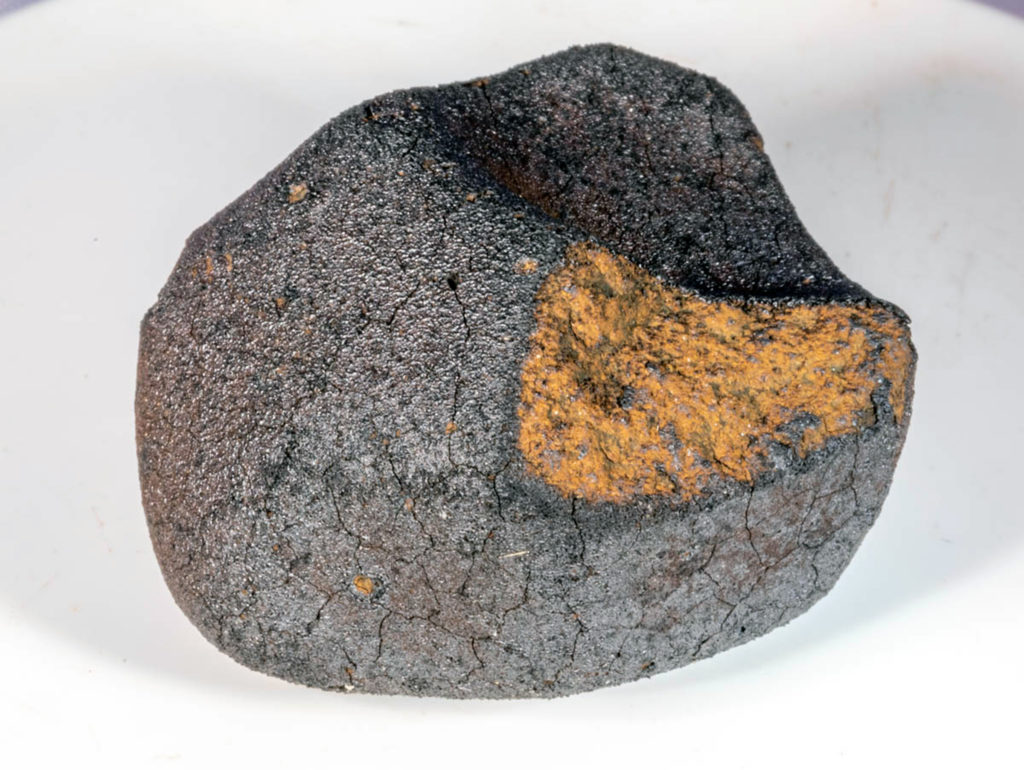
“On Tuesday, February 18, 2025, at 18:04:14 local time, residents of Poland observed a bright fireball registered by many Polish fireball stations belonging to the Skytinel Network established a few months before by Mateusz Żmija. Thus, the meteoroid’s orbit, atmospheric trajectory, and the strewn field were calculated, and over 70 fragments with a mass of approximately 3900 g were found near Drelów (Lublin Voivodeship, Poland; The Meteorite Bulletin Database, 2025). The samples were recovered by scientists, private searchers, and dealers, and many samples were offered immediately for collections and scientific research on the international meteorite market. Drelów is the 13th officially registered meteorite fall in Poland and is now officially classified as an L6 ordinary chondrite (S3, W0; The Meteorite Bulletin Database, 2025). Short-lived radionuclides were measured on a small sample shortly after recovery, and the results confirm that the meteorite specimen studied here derived from the bolide fireball event. The equilibrated and recrystallized type 6 character is also supported by the large plagioclase grains (An9-12; with grains >100 μm) and the homogeneous compositions of olivine (Fa24.7±0.4) and low-Ca pyroxene (Fs20.8±0.3). The olivine in Drelów is dominated by grains with planar fractures, but in the Münster samples a significant fraction of olivine shows weak mosaicism, indicating a moderately shocked S4 (C-S4) chondritic rock. Such mosaic olivine grains appear to lack in other fragments of Drelów requiring a S3 (C-S3) classification. Thus, Drelów experienced an equilibrium shock pressure close to the strength that defines the S3/S4 transition, which requires an equilibrium shock pressure of slightly above 20 GPa. The meteorite shows easily visible dark shock veins that cross-cut the bulk rock; the high-pressure phases maskelynite and wadsleyite were detected within or close to the veins. The O isotope data and the bulk chemical composition are consistent with the L-group membership. This is also confirmed by the density and the magnetic susceptibility measurements. The soluble organic compositions of Drelów are consistent with the profiles of unbrecciated L6 chondrites and comparable to Braunschweig (L6), showing molecular characteristics consistent with the complex shock and metamorphic history of the parent rock.”