No exotic matter in asteroidsOPEN ACCESS
Alan E. Rubin & Thomas H. Burbine
The European Physical Journal Plus, Volume 141, article number 175, Published: 17 February 2026
LINK (OPEN ACCESS)
PDF (OPEN ACCESS)
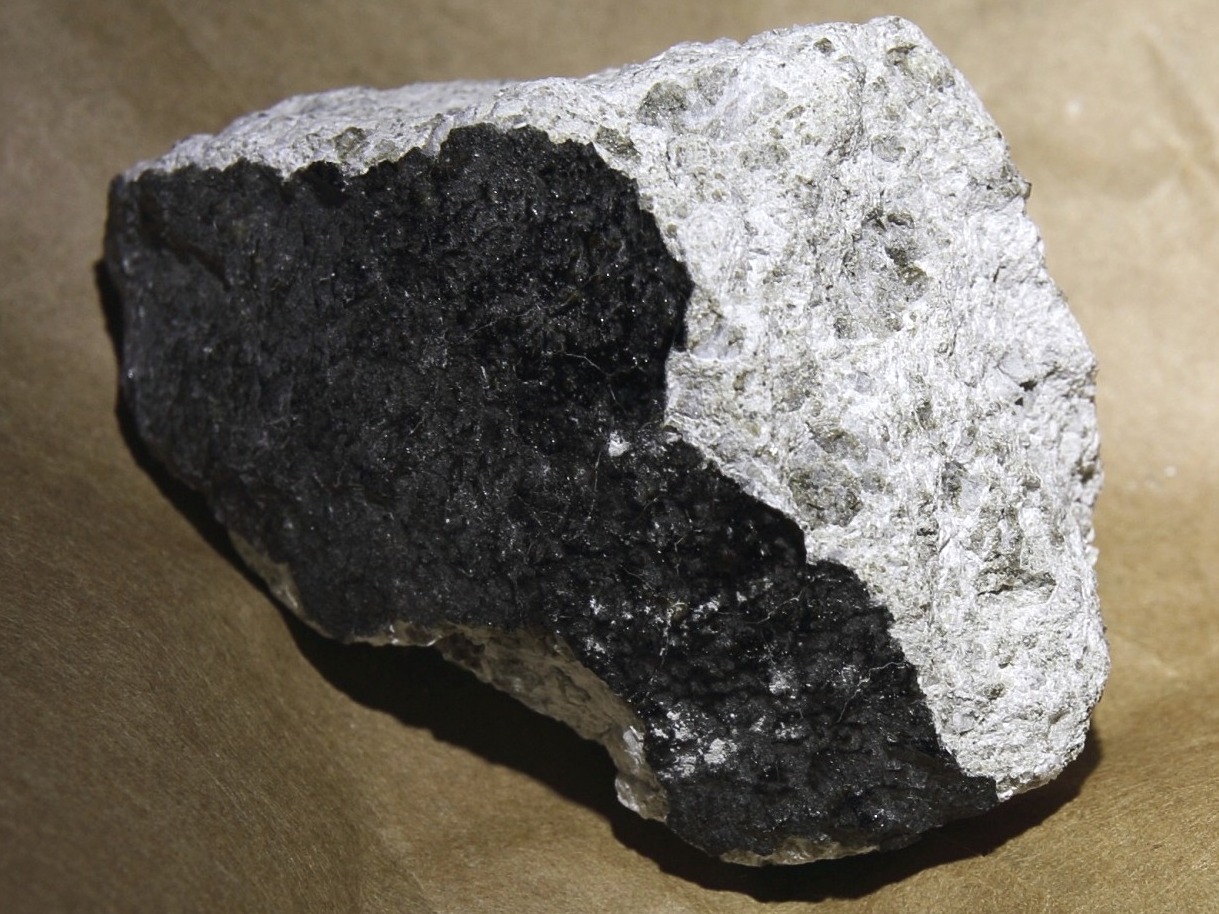
“Solar System bodies have similar abundances of non-volatile elements. Asteroids are categorized as unmelted chondritic bodies or as differentiated bodies formed by extensive to global melting of chondritic progenitors. Reflectance spectra show asteroids are compositionally similar to meteorites (which are composed of non-exotic materials—mainly silicates, metallic Fe–Ni, sulfides, oxides, and organic matter). Dense refractory siderophile elements (e.g., Re, Os, Ir, Pt) are present in iron meteorites in total concentrations < 0.05 wt%. The upper limit on the density of an asteroid is ~ 8 g cm−3 for a zero-porosity core fragment composed of ~ 90 wt% Fe and ~ 10 wt% Ni. Carry (Planet Space Sci 73:98–118, 2012) compiled asteroid densities and included some anomalous values (caused by uncertainties in measurement) that he characterized as unrealistic and non-physical. One such value for asteroid (33) Polyhymnia (75.3 ± 9.7 g cm−3) was accepted by LaForge et al. (Eur Phys J Plus 138: 812, 2023) who characterized Polyhymnia as a compact ultradense object (CUDO) perhaps composed of stable superheavy elements (SHEs) or alpha matter (alpha particles in a Bose–Einstein condensate). Kiren et al. (Eur Phys J Plus 139: 547, 2024) proposed Polyhymnia could consist of degenerate dark matter. It is exceedingly unlikely that Polyhymnia or other asteroids contain exotic matter: (1) The listed bulk density of Polyhymnia is characterized as “unrealistic.” (2) Meteorites (~ 98.5% are from asteroids) are composed of non-exotic materials. (3) The spectra of “CUDO” asteroids do not differ from other asteroids of their taxonomic class. (4) SHEs and degenerate dark matter have not yet been shown to exist. (5) Alpha matter may occur naturally only in extreme astrophysical environments.”