Redox reactions in the outermost thin surfaces of meteorite fusion crusts
Toshimori Sekine, Ginga Kitahara, Akira Yoshiasa, Akira Yamaguchi
Geochimica et Cosmochimica Acta, In Press, Journal Pre-proof, Available online 20 February 2026
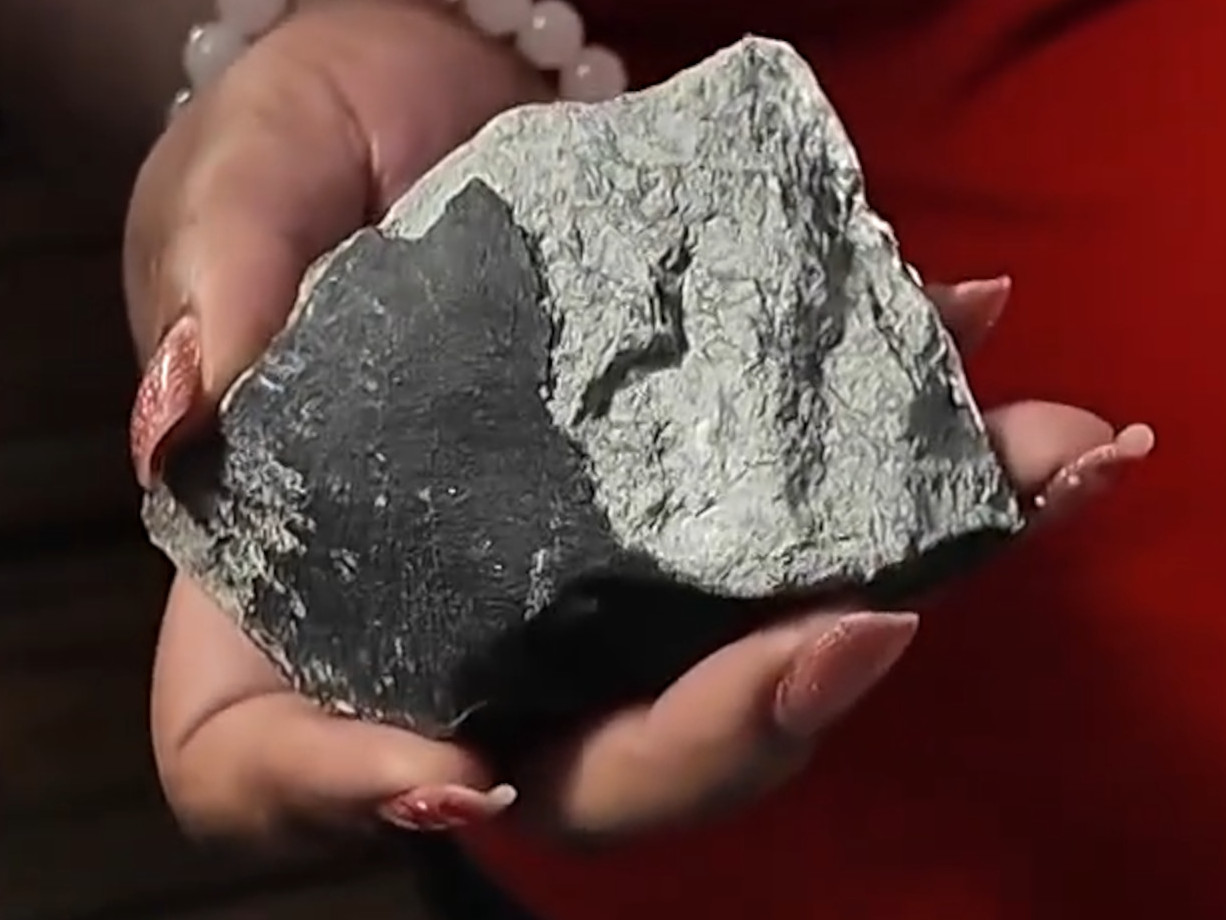
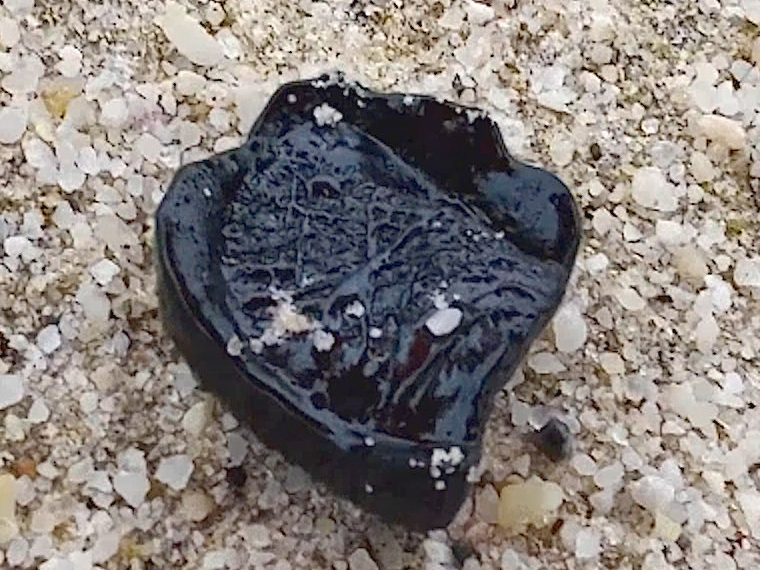
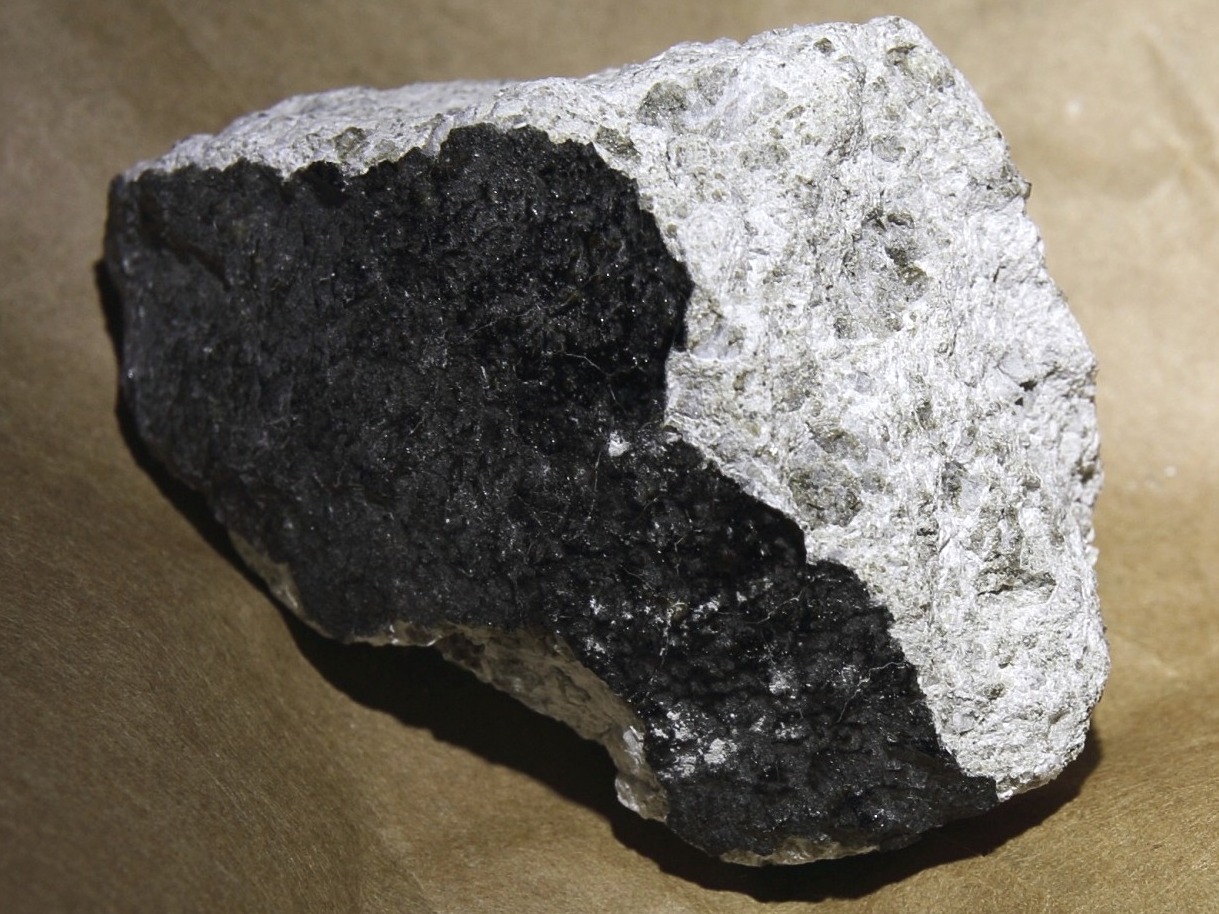
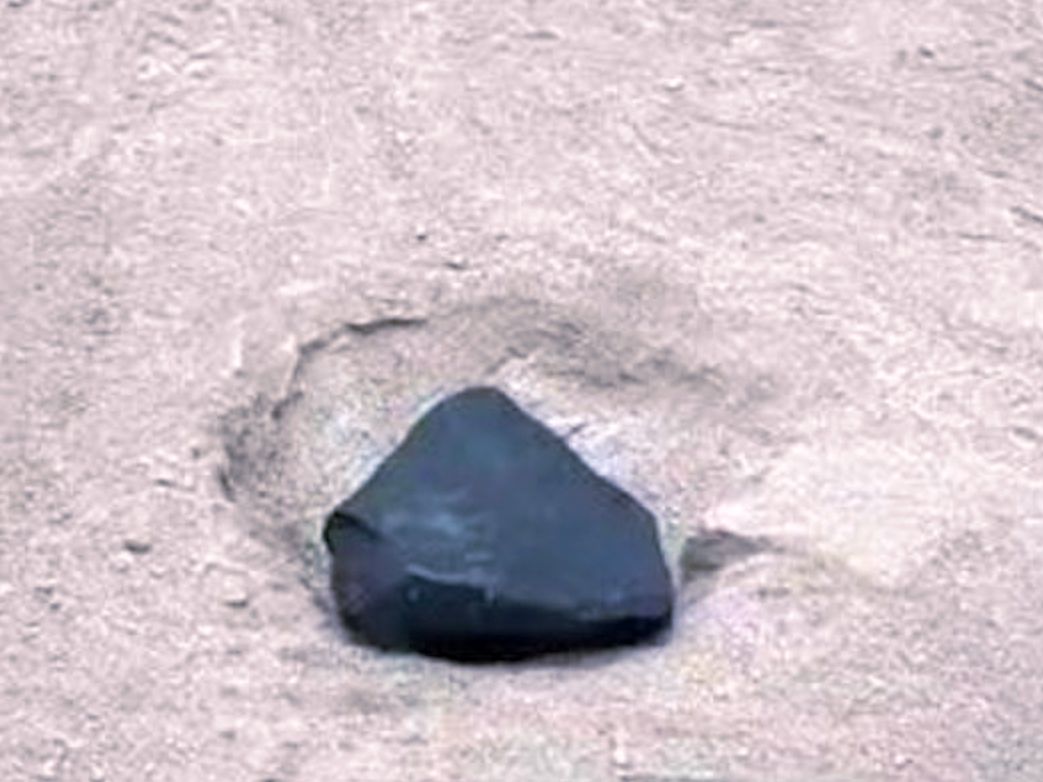
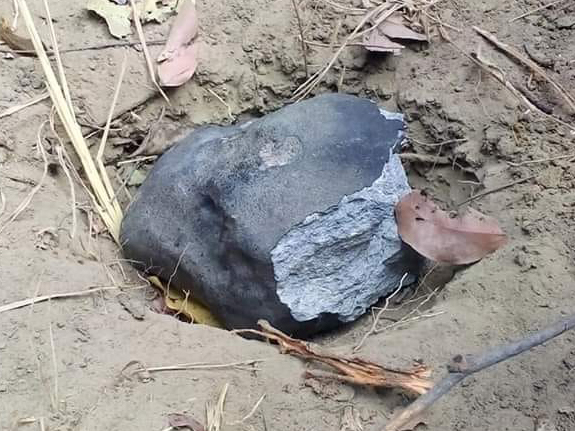
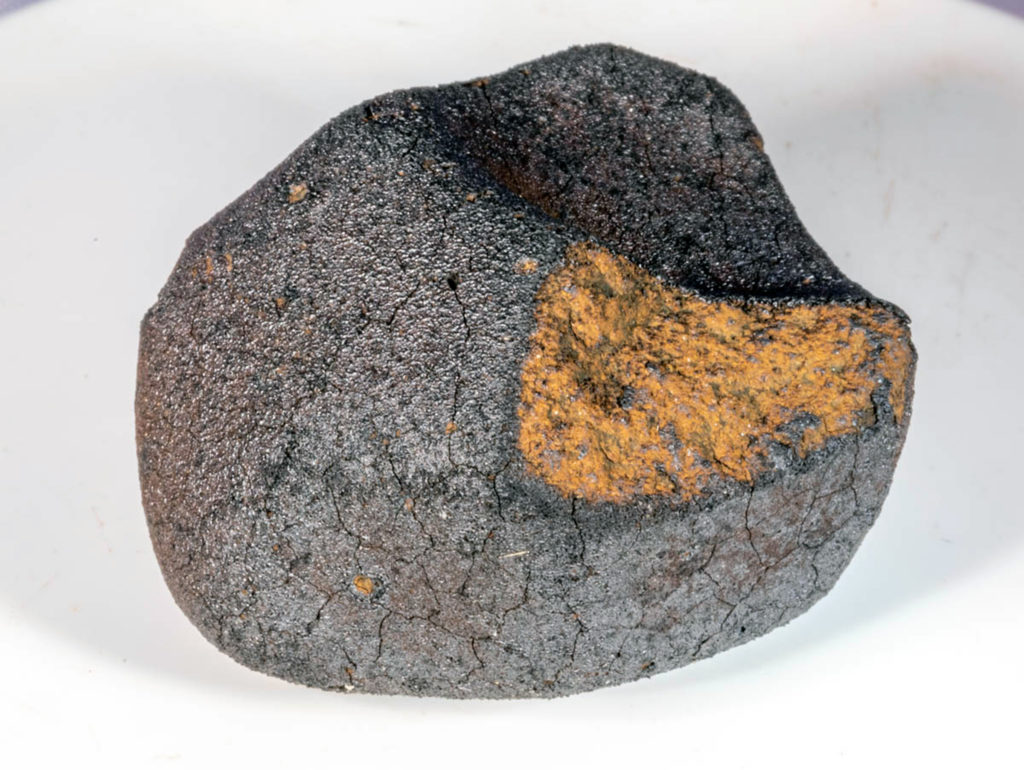
“The fusion crusts of meteorites indicate the quenched high temperature layers, but few studies are known due to the complicated process at the time of formation. We focused on the redox reactions in the outermost of fusion crusts of typical stony meteorites to investigate the dynamic formation process of rapid heating and quenching through interactions with atmosphere. We used X-ray absorption fine structure (XAFS) method to estimate the valence states of three transition elements of Ti, Fe, and Mn. The results showed a range of valence state between 3.7 and 4.0 in Ti and 2.0 and 3.0 in Fe, and about 2.5 in Mn. The close relationship between the valence states between Ti and Fe is not recognized apparently although the valence of Mn is nearly constant. If the redox reaction occurs at extreme high temperature, reduction is expected thermodynamically. Oxidation also is expected at the late stage of formation near the Earth surface when the observed meteorites keep high temperatures. The present results on the valence states of Ti, Fe, and Mn in the outermost fusion crusts of stony meteorites imply Ti effectiveness as a good indicator for redox reaction at extreme high temperatures, as supported in tektites formation.”