A mantle source formed after the lunar magma ocean crystallisation for the 3000 Ma-old lunar basaltsOPEN ACCESS
R. E. Merle, C. Deligny, M. J. Whitehouse, G. G. Kenny & K. K. Larsen
Communications Earth & Environment, Published: 22 January 2026
We are providing an unedited version of this manuscript to give early access to its findings.
LINK (OPEN ACCESS)
PDF (OPEN ACCESS)
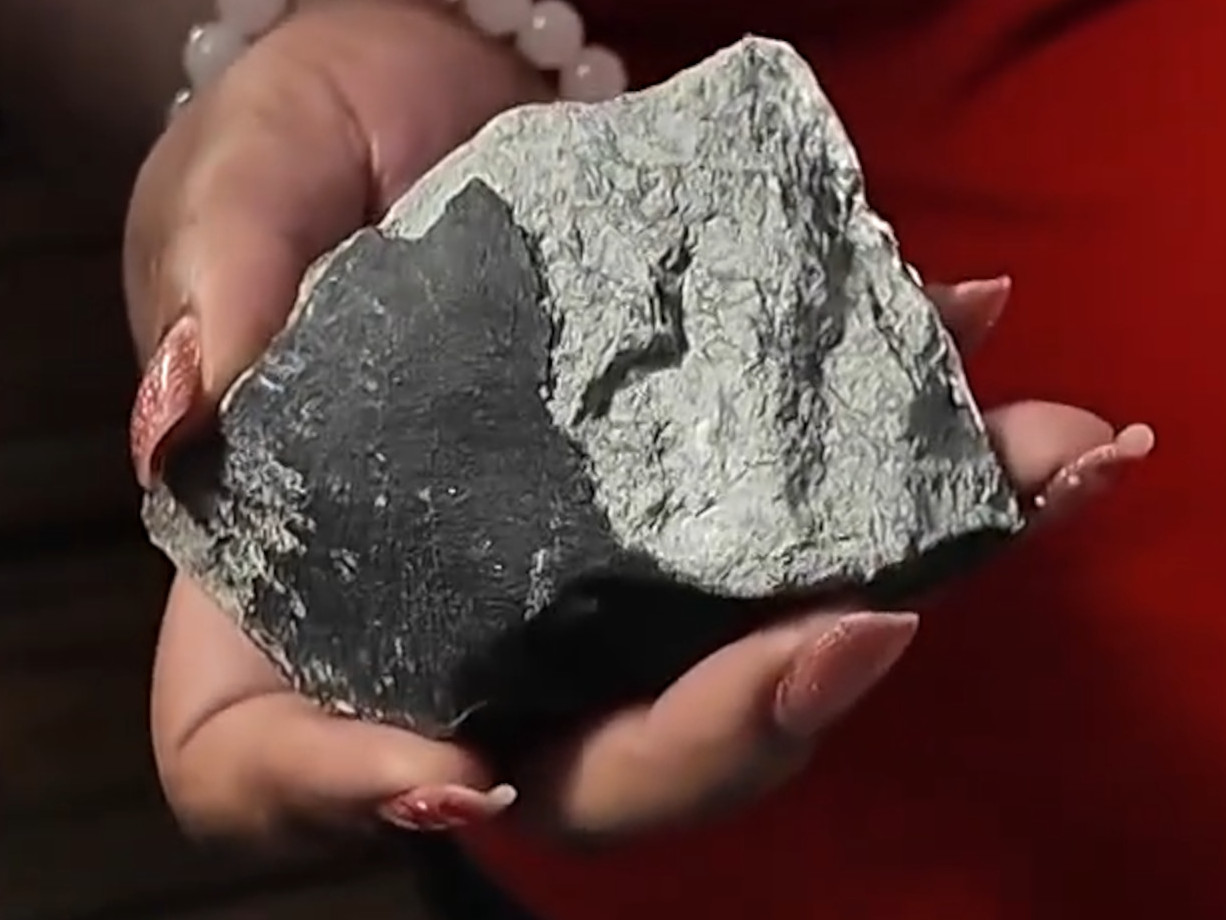
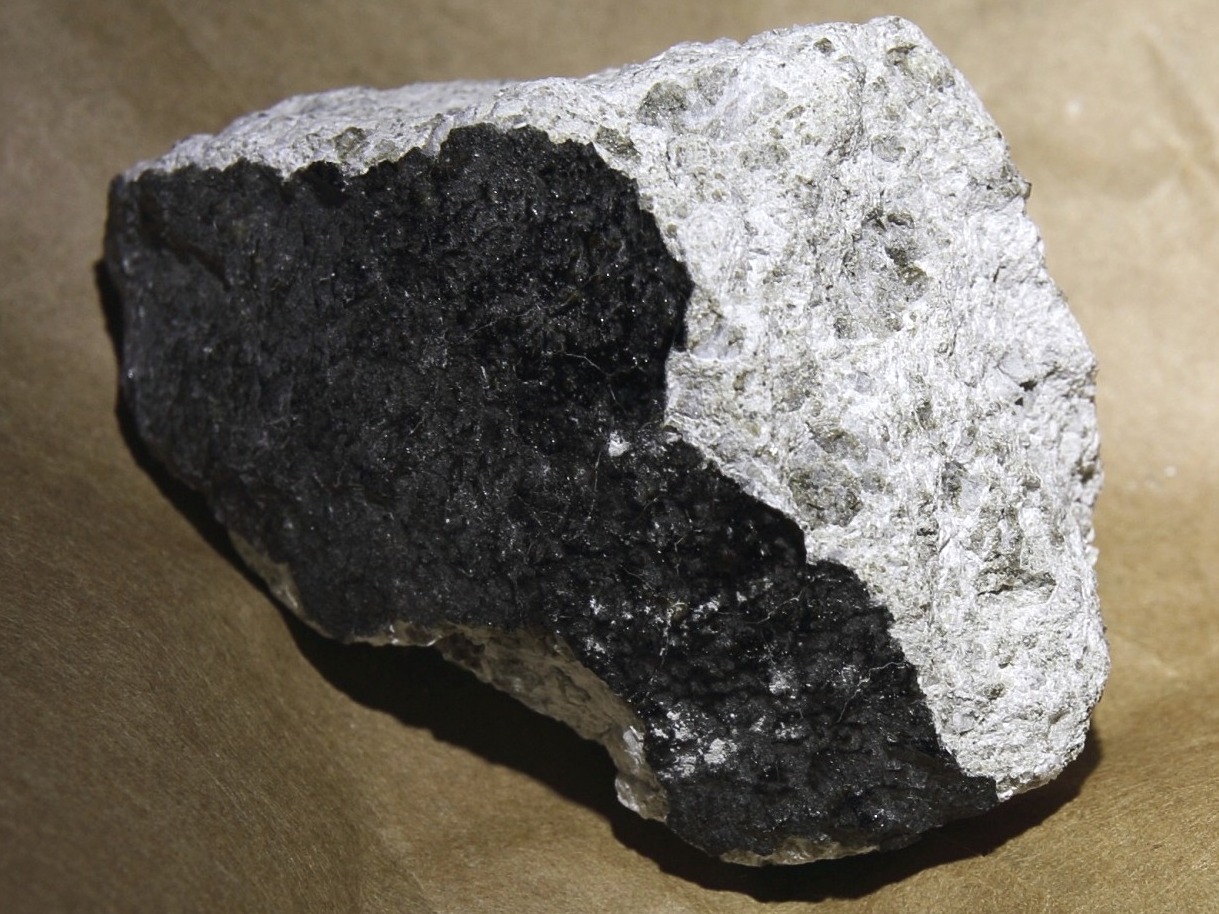
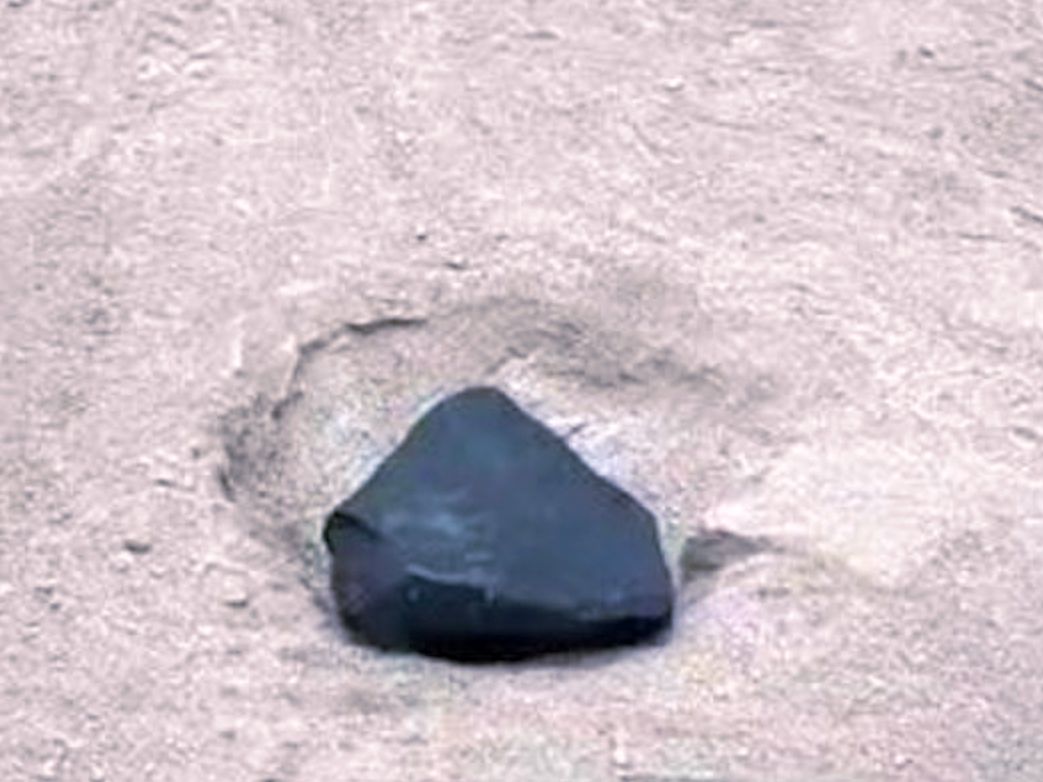
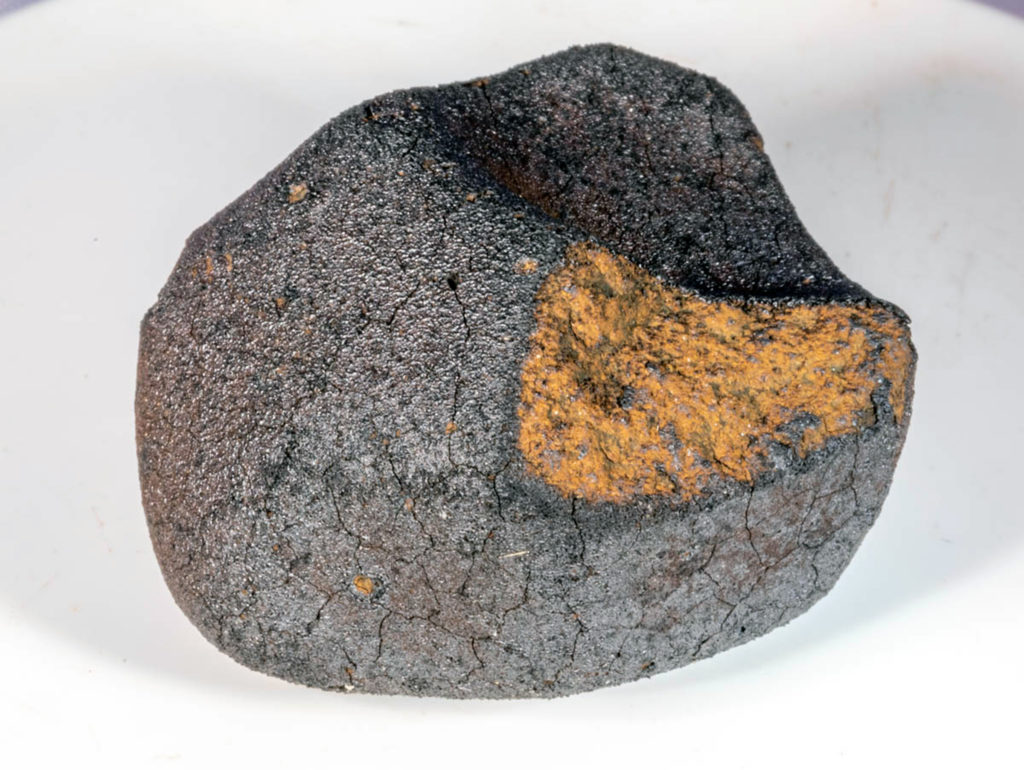
“There is no satisfactory model explaining the incompatible element-enriched chemical characteristics observed in few ~3000 Ma-old, low-titanium lunar basalts. Using in situ Pb-Pb systematics by Secondary Ion Mass Spectrometry, we determined crystallisation ages and initial Pb isotope ratios of the meteorites North West Africa (NWA) 4734, LaPaz Icefield (LAP) 02224, LAP 02205, Northeast Africa 003 and newly found meteorite NWA 14178. We show that these samples form a unique chemical and age group, distinct from any other chemical group known from the Moon. Pb isotope ratios suggest these basalts originated from an enriched source distinct from the KREEP mantle component identified in rocks from the Procellarum Terrane. Three-stage model-based Monte Carlo simulations suggest a mantle source formed from a depleted mantle at 4260 Ma – that is, after the solidification of the Lunar Magma Ocean. This mantle source may have acquired its chemical characteristics as a result of deep crust-breaking impact.”