Feasibility of in situ K-Ar isochron dating on Mars: assessment using the mineralogy of Martian meteoritesOPEN ACCESS
Hikaru Hyuga, Yuichiro Cho, Yayoi N. Miura, Takashi Mikouchi, Seiji Sugita
MAPS, Version of Record online: 07 August 2025
LINK (OPEN ACCESS)
PDF (OPEN ACCESS)
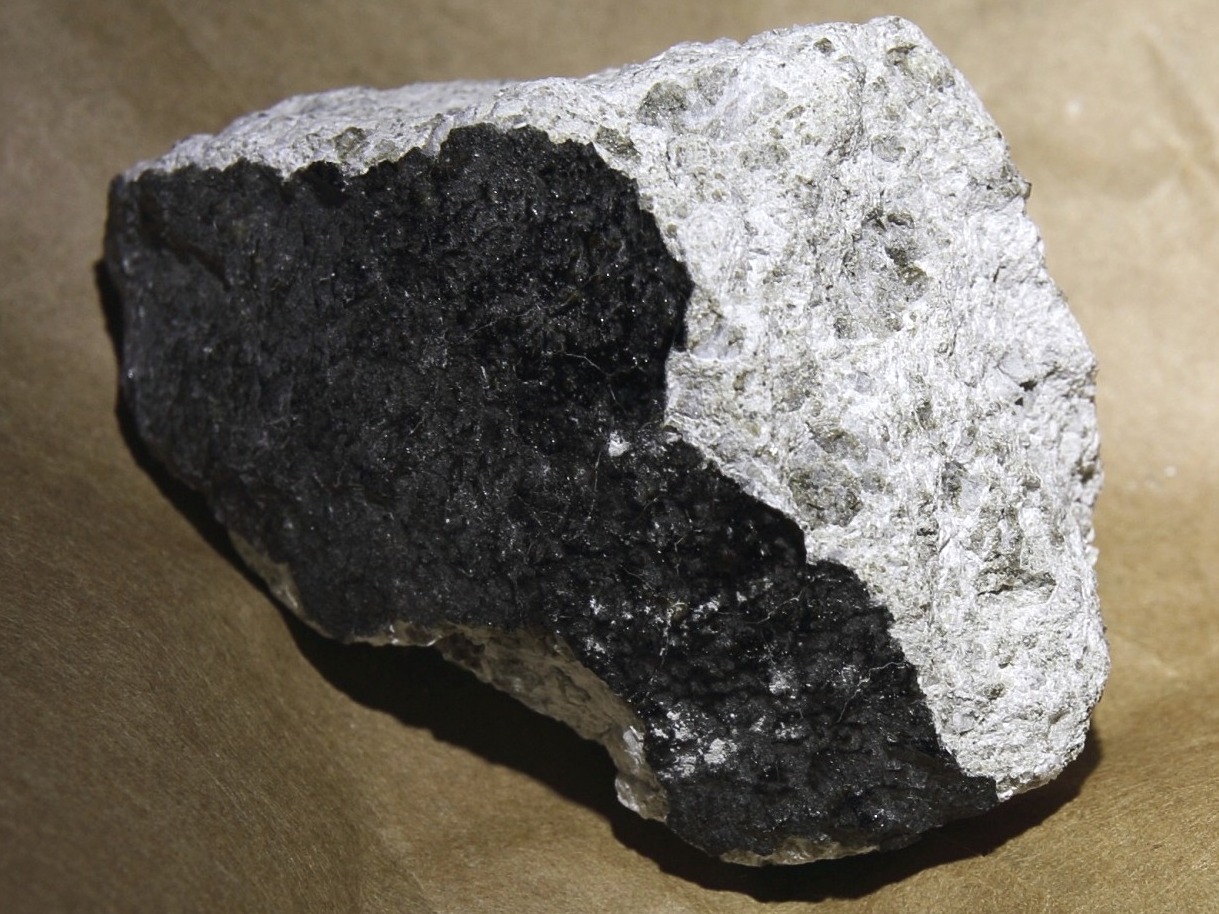
“Dating rocks with a 2σ precision of 200 Ma is required to understand the history of Martian habitability and volcanic activity since ~4000 Ma. In situ K-Ar dating using a spot-by-spot laser ablation technique has been developed for isochron dating on Mars. The precision of isochron ages is determined mainly by the relationship between the laser spot diameter and the grain size of the sample. However, the achievable precision of age estimates using a realistic mineralogy of Martian rocks has yet to be investigated. We simulated isochrons under various conditions, including different laser spot sizes, K and Ar measurement errors, and numbers of analyses based on the mineral abundances of representative Martian meteorites (NWA 817, Zagami, and NWA 1068) analyzed using an electron probe microanalyzer. We found that attaining a precision of 200 Ma necessitates an isochron data range, defined as the ratio of the maximum to minimum K concentrations, of >6, a laser spot diameter of 250 μm, and measurement errors of <10% for both K and Ar. Reducing the laser spot size and selecting a sample with a large grain size are effective in obtaining a large K range. Furthermore, minimizing the variance in measurement errors between K and Ar is essential to increase the accuracy of the age estimates. We demonstrate that the precision required for in situ dating on Mars is achievable with realistic instrument settings, thus demonstrating the feasibility of establishing an in situ K-Ar geochronology for Mars.”