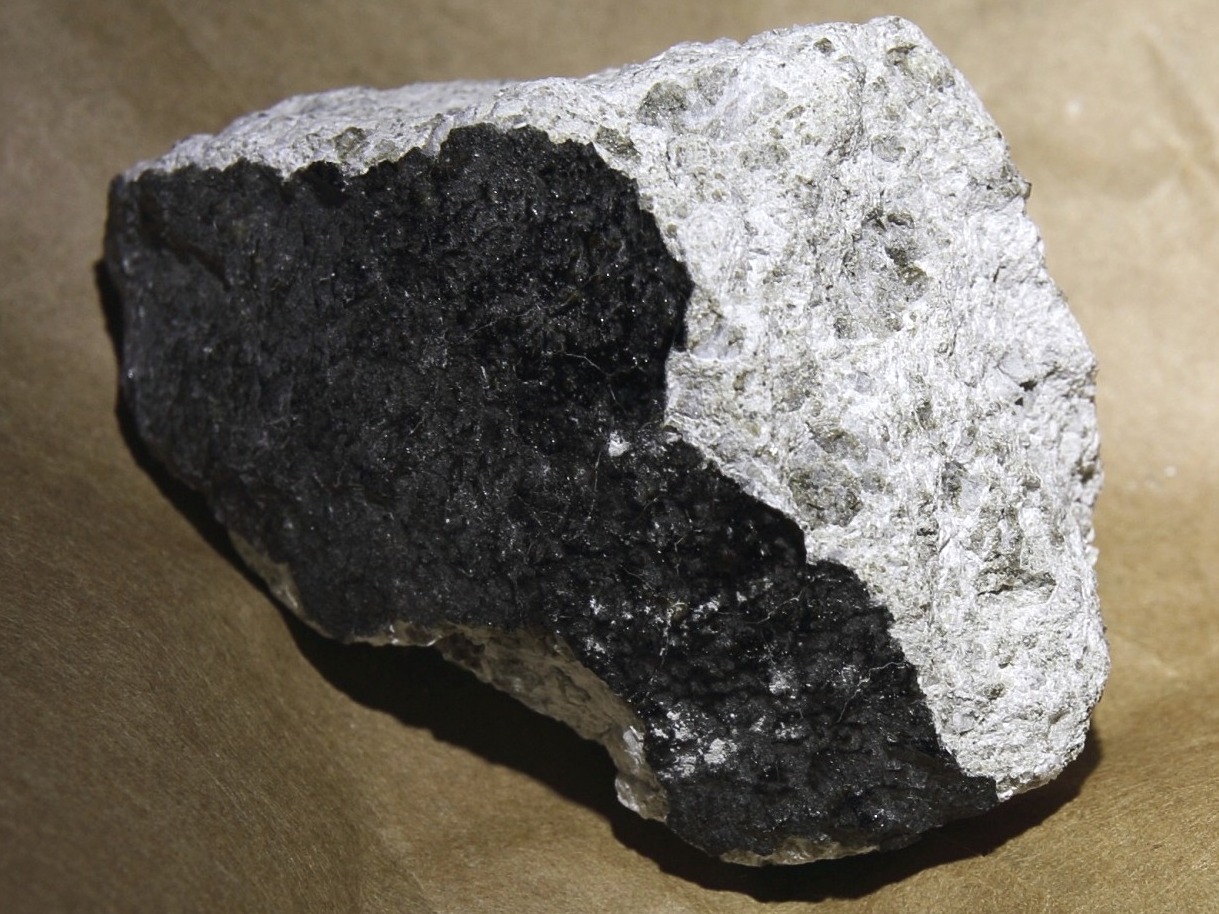
Fe isotopes in sulfides in the Aguas Zarcas (CM2) chondrite: Implications for the history of the parent asteroids
Xinqian Zhu, Xinyu Wang, Cheng Qian, Kexin Deng, Qi He, Zaicong Wang, Wen Zhang, Ao Yang, Fabin Pan & Xiang Wu
Acta Geochimica, Published: 23 September 2025
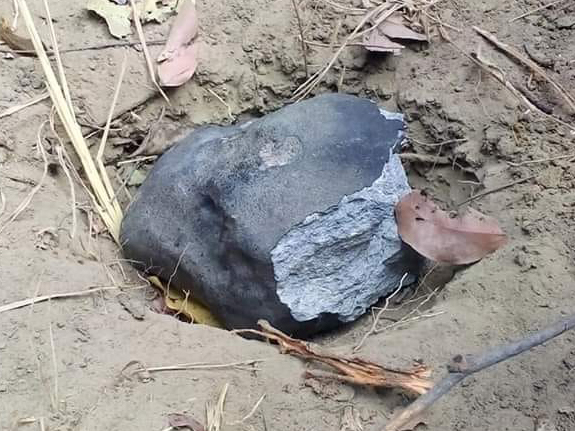
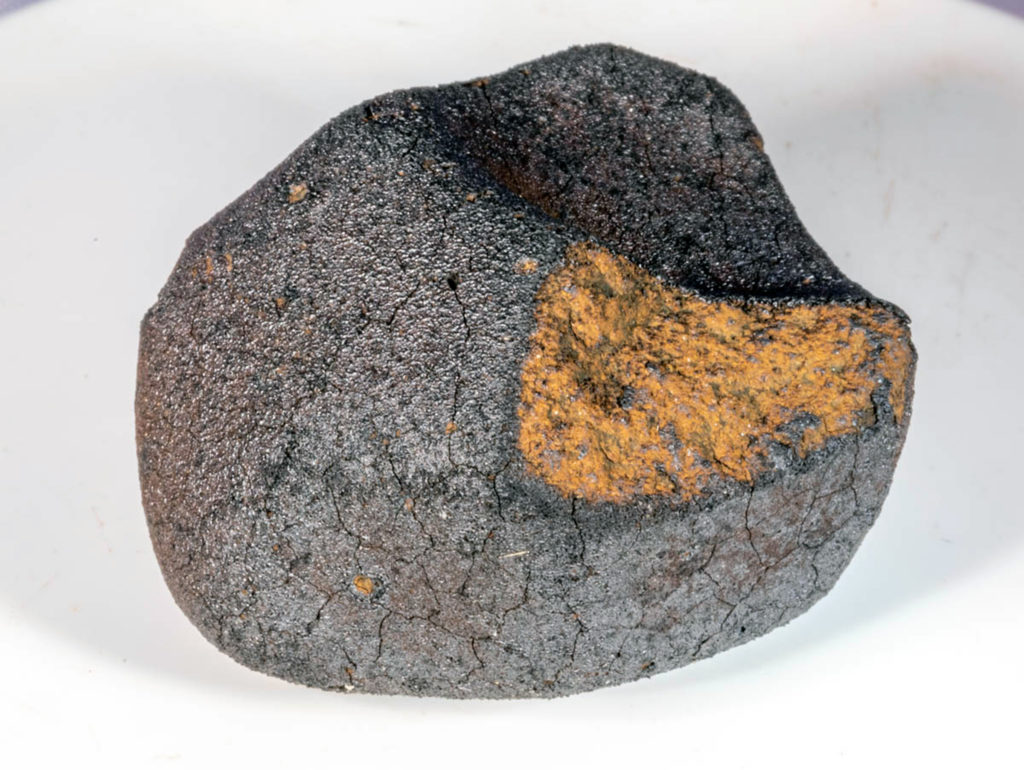
“CM chondrites contain valuable insights into the formation and evolution of the solar nebula, as well as the secondary aqueous alteration processes that affected their parent bodies. Our study focuses on primary and secondary sulfides within the Aguas Zarcas (CM2) chondrite, investigating their formation mechanisms based on their morphology, textures, and compositions. Moreover, we infer the formation temperatures of the sulfides from 230 to 500 ℃ for primary and from 100 to 135 ℃ for secondary. We select representative grains and conduct Fe isotope measurements on them. The primary sulfides with δ56/54Fe ranging from − 2.44‰ to + 0.69‰ are associated with sulfide–silicate melt segregation, while secondary sulfides with δ56/54Fe values between − 1.83‰ and − 0.14‰ are linked to aqueous alteration. Overall, the Ni content of the grains is positively correlated with δ56/54Fe. It might be related to the changes in crystal structure and chemical bond lengths due to the increase in nickel content. Fe isotopes provide a new perspective on sulfide formation and the evolution of a carbonaceous chondrite parent body.”