Cosmic ray exposure and gas retention ages of the shocked angrite Northwest Africa 7203: Implications for a collisional history of angrites’ parent bodyOPEN ACCESS
Atsushi Takenouchi, Hirochika Sumino, Hideyuki Hayashi, Takashi Mikouchi, Martin Bizzarro
MAPS, Version of Record online: 25 September 2025
LINK (OPEN ACCESS)
PDF (OPEN ACCESS)
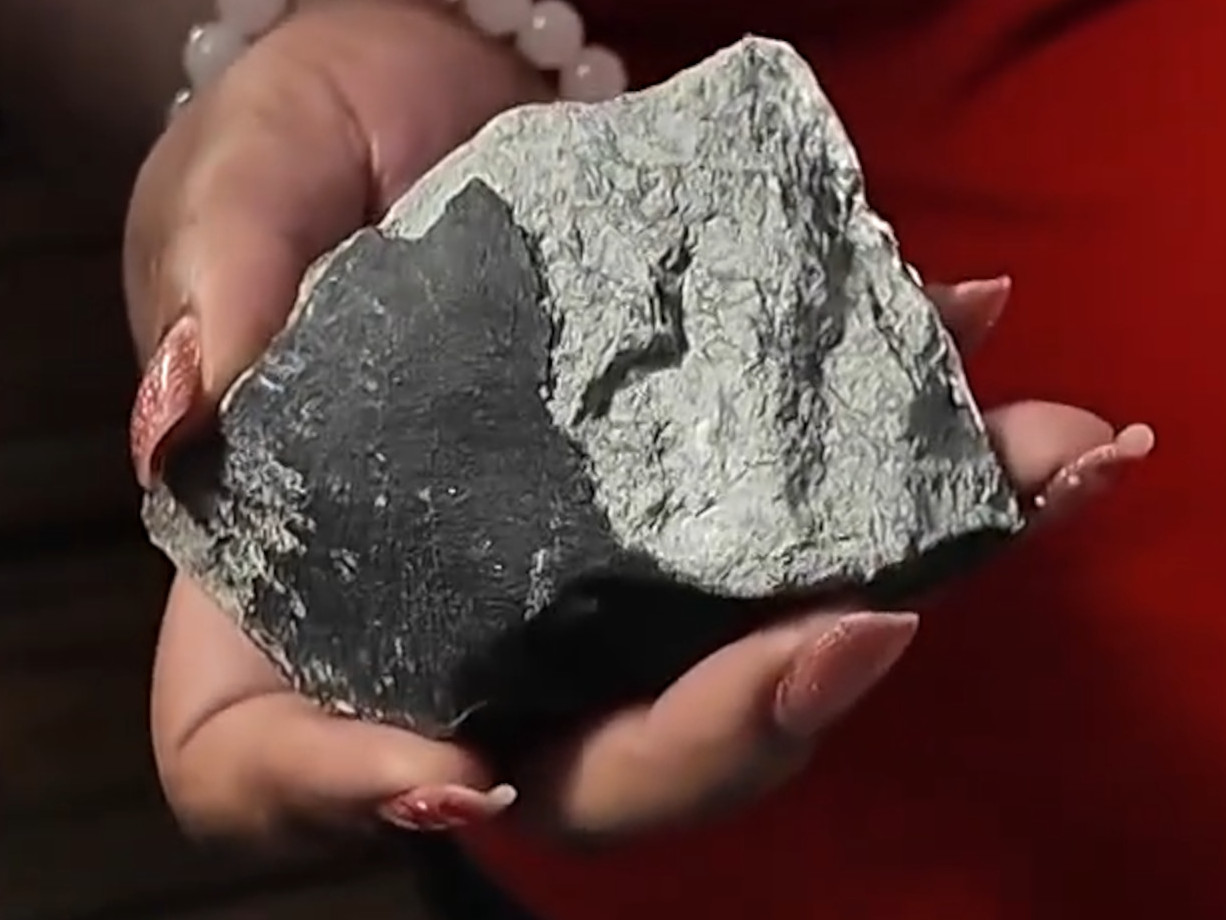
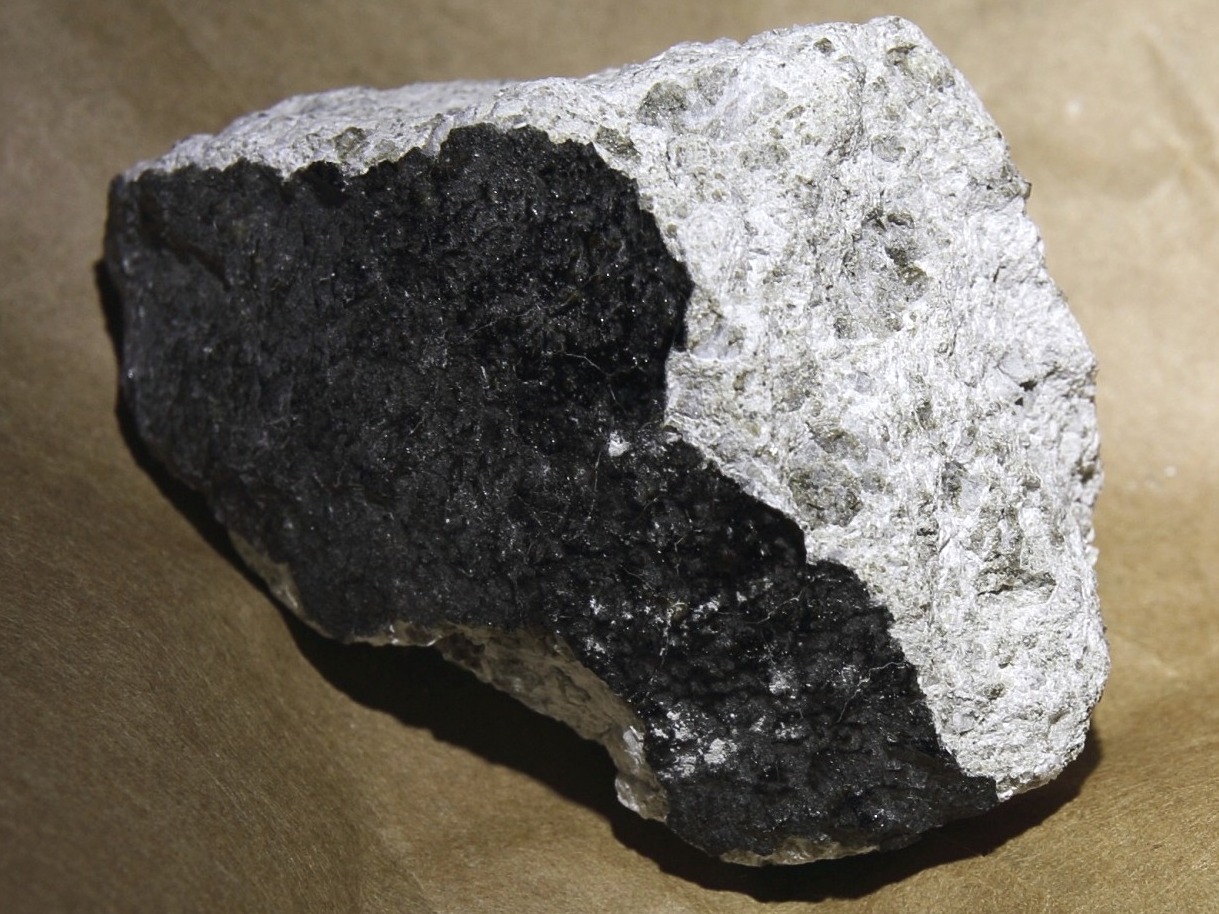
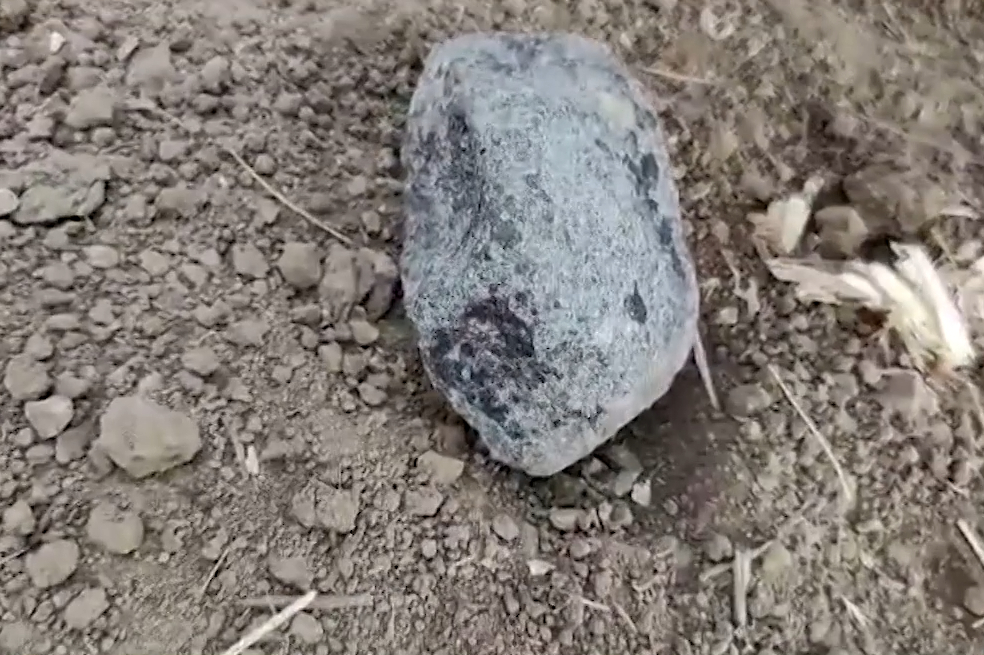
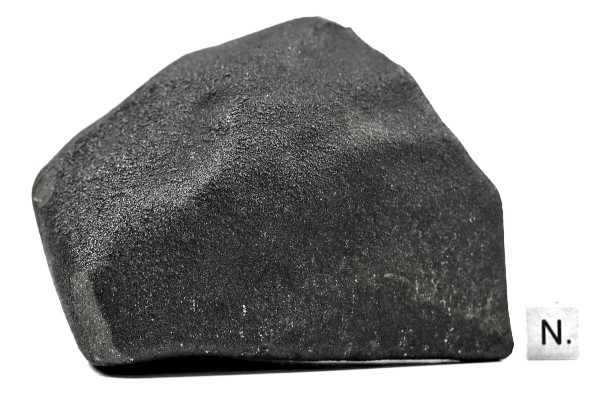
“Angrites and eucrites are among the oldest basaltic rocks in the solar system. However, the shock histories of these meteorite groups differ markedly, as most angrites show little to no evidence of shock metamorphism. While some angrites exhibit weak wavy extinction in olivine, indicative of low-level shock, only two—Northwest Africa (NWA) 1670 and NWA 7203—are known to preserve significant shock features such as shock melt veins. To better constrain the shock history of angrites, we performed noble gas analyses on the rare shock-metamorphosed angrite NWA 7203 to determine its cosmic ray exposure and gas retention ages. Neon in NWA 7203 is entirely cosmogenic, and combined neon and argon data yield a cosmic ray exposure age of 22.7 ± 3.1 Ma (2σ). This age nominally differs from that of the other shocked angrite, NWA 1670, but is comparable to that of the unshocked angrite NWA 7812. NWA 7203 may have been ejected from a rubble pile-like asteroid composed of both shocked and unshocked materials. Two distinct 40Ar/39Ar apparent ages, 3.38 ± 0.10 Ga and 1.41 ± 0.11 Ga, were obtained, likely reflecting variable argon loss during a single impact-induced thermal event that occurred no earlier than 1.41 ± 0.11 Ga (2σ). This is the first report for the shock metamorphic age of an angrite. Our results reinforce the view that even shocked angrites lack clear evidence of a catastrophic disruption of their parent body (>100 km) hypothesized to have occurred in the early solar system. To resolve this conundrum, we propose that angrites may have experienced extensive melting during such an event, which suppressed or erased conventional shock features. If this impact occurred near the time of their crystallization (>4564 Ma), it may have been a “hot shock” event driven by heat from short-lived radionuclides. Such an event could have generated large volumes of shock melt, from which quenched angrites subsequently formed. We suggest that differentiated planetary bodies may have commonly undergone such early-stage disruption events during the formative epoch of the solar system.”