Al-Khadhaf: The first camera-observed (H5–6) meteorite fall from OmanOPEN ACCESS
Anna Zappatini, Edwin Gnos, Beda A. Hofmann, Urs Eggenberger, Pascal M. Kruttasch, Frank Gfeller, Mohammad Tauseef, Ingo Leya, Hadrien A. R. Devillepoix, Eleanor K. Sansom, Martin Cupák, Sophie E. Deam, Thomas W. C. Stevenson, Peter Jenniskens, Sebastian Lindemann, Beat Booz, Muati. S. Al-Muati, Abdulmunaim A. Al-Zakwani, Hussain A. Al-Ghafri
MAPS, Version of Record online: 16 February 2026
LINK (OPEN ACCESS)
PDF (OPEN ACCESS)
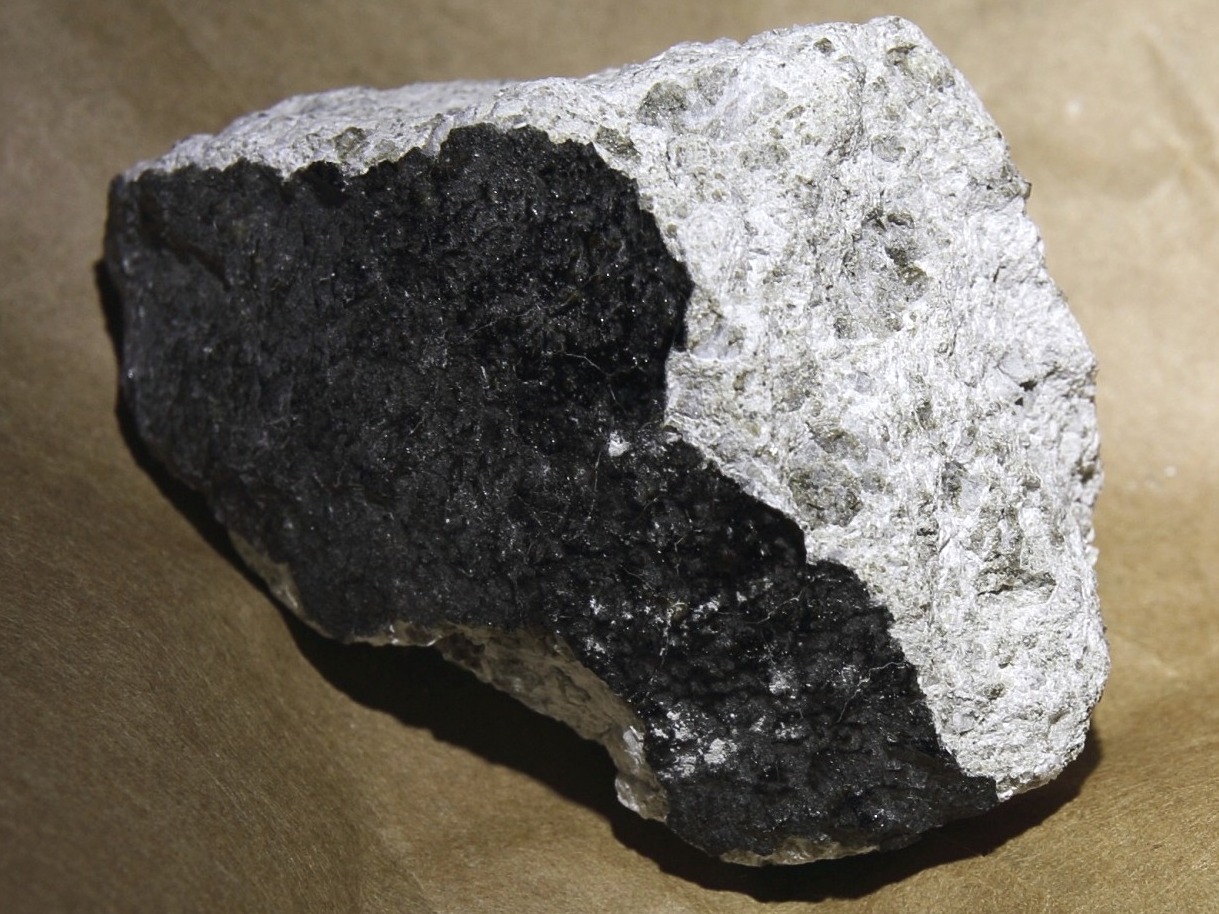
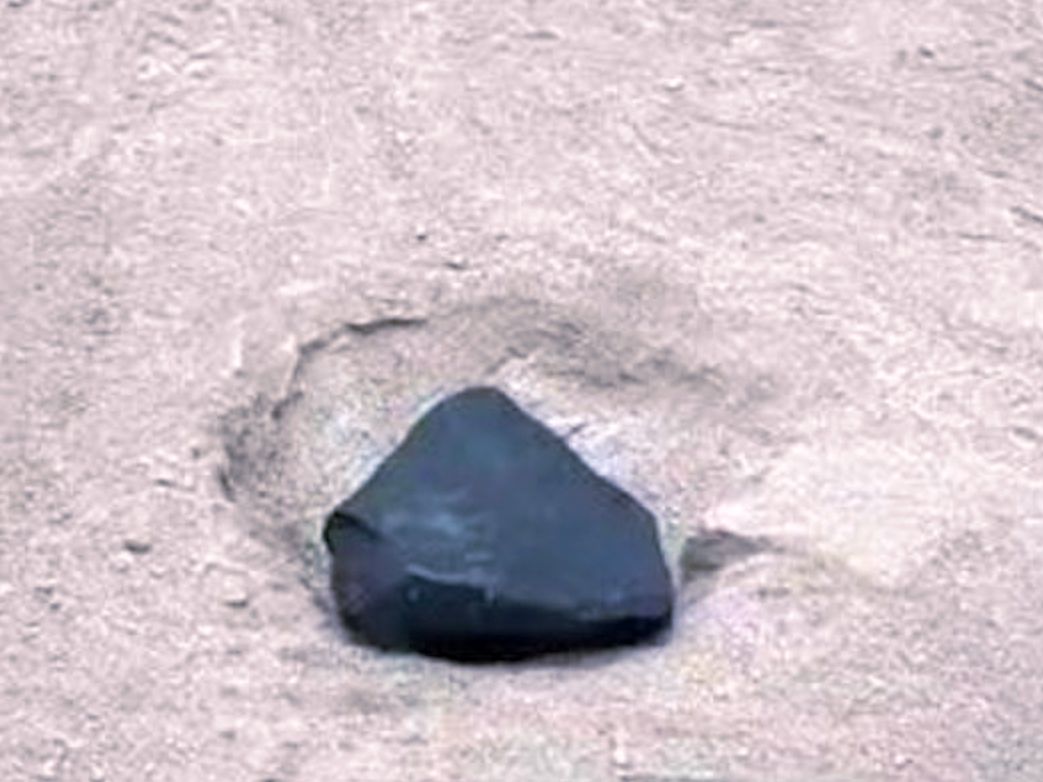
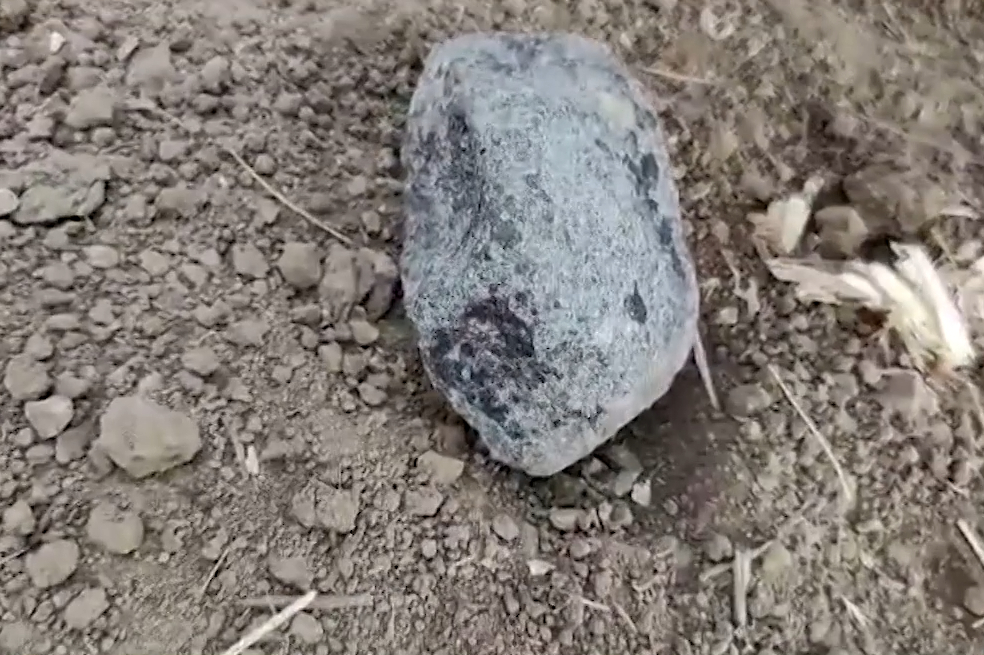
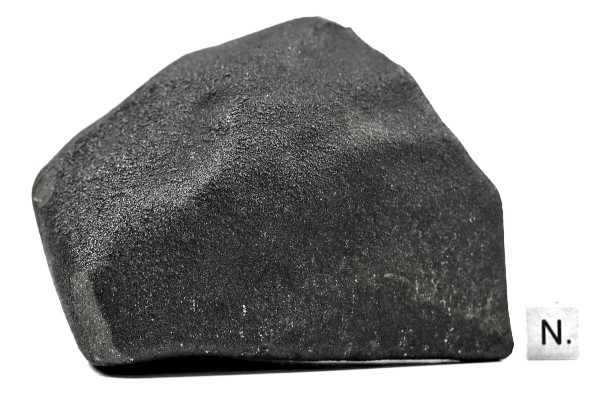
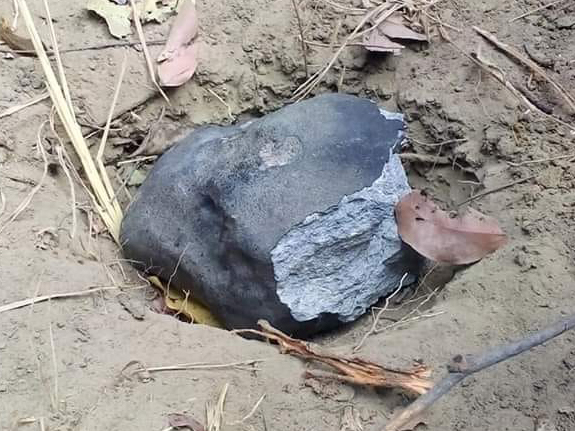
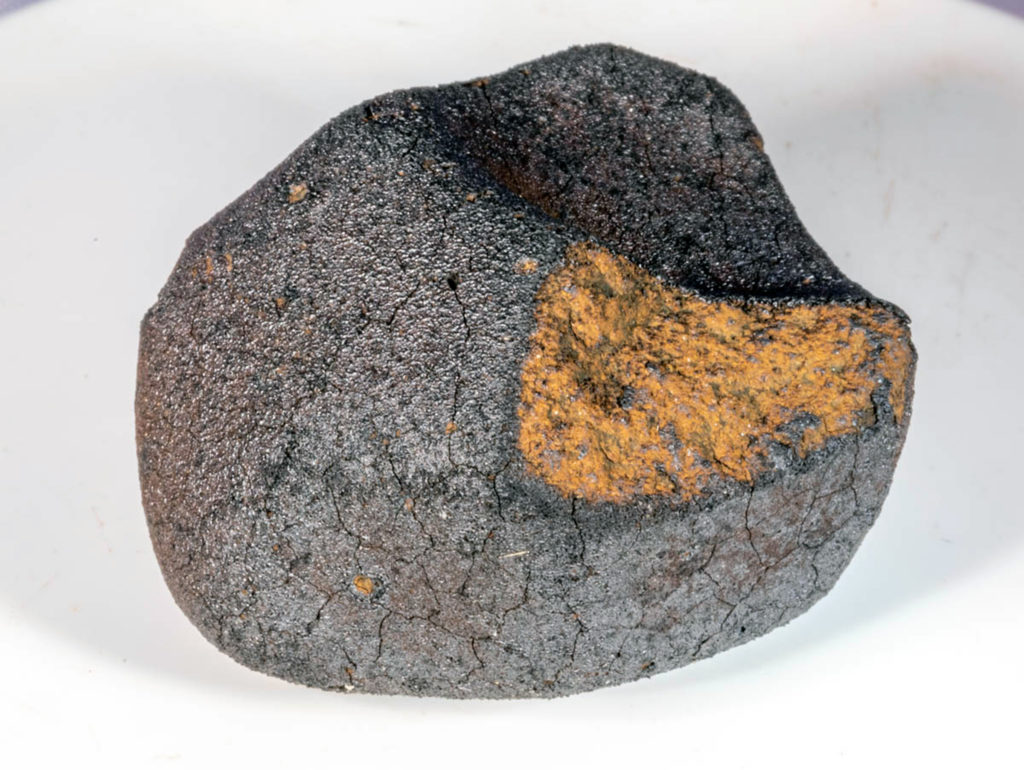
“A fireball camera system installed in 2022 by the Oman Meteorite Monitoring Project (OMMP) as part of the Global Fireball Observatory (GFO) recorded a 3.2 s fireball on March 8, 2022 at 8:15 p.m. UTC. A meteoroid of 4 ± 2 kg entered the atmosphere at 14.0 km/s. Its trajectory, with a slope of 68.4°, started at 67.6 km and ended at 30.2 km where the meteoroid traveled at 7.36 km/s. Approximately 50 g survived atmospheric entry. On February 7, 2023, two meteorites of 13.85 g and 8.21 g were recovered at the predicted site. Gamma spectrometry confirmed their young terrestrial age via short-lived cosmogenic radionuclides 54Mn and 22Na. Al-Khadhaf is thus the first camera-observed meteorite fall from Oman. Petrography and mineral composition classify it as an ordinary H5–6 S2 W1 chondrite. Its pre-impact orbit (a = 1.72 AU, e = 0.45, i = 4.36°) is consistent with asteroid-belt delivery, with both inner-belt and Koronis-family sources remaining plausible. The cosmic ray exposure age of 8.57 ± 1.2 Ma coincides with an exposure-age peak observed among H chondrites. Al-Khadhaf adds to the record of camera-observed falls, linking meteorite compositions to their solar system context via orbit calculations.”