The First Instrumentally Documented Fall of an Iron Meteorite: atmospheric trajectory and ground impactOPEN ACCESS
Jarmo Moilanen, Maria Gritsevich, Jaakko Visuri
submitted to Planetary Science Journal
PDF (OPEN ACCESS), last revised 23 Jul 2026 (this version, v2)
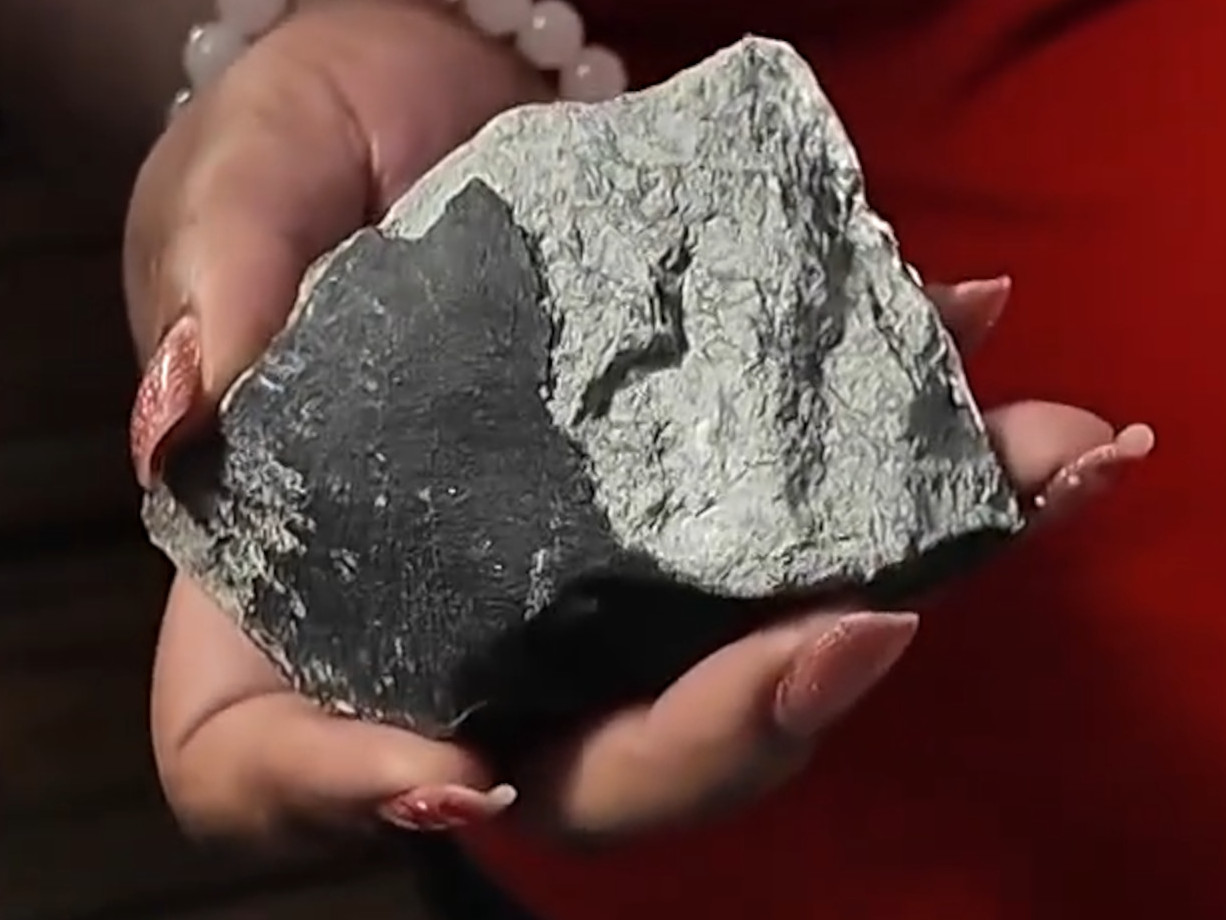
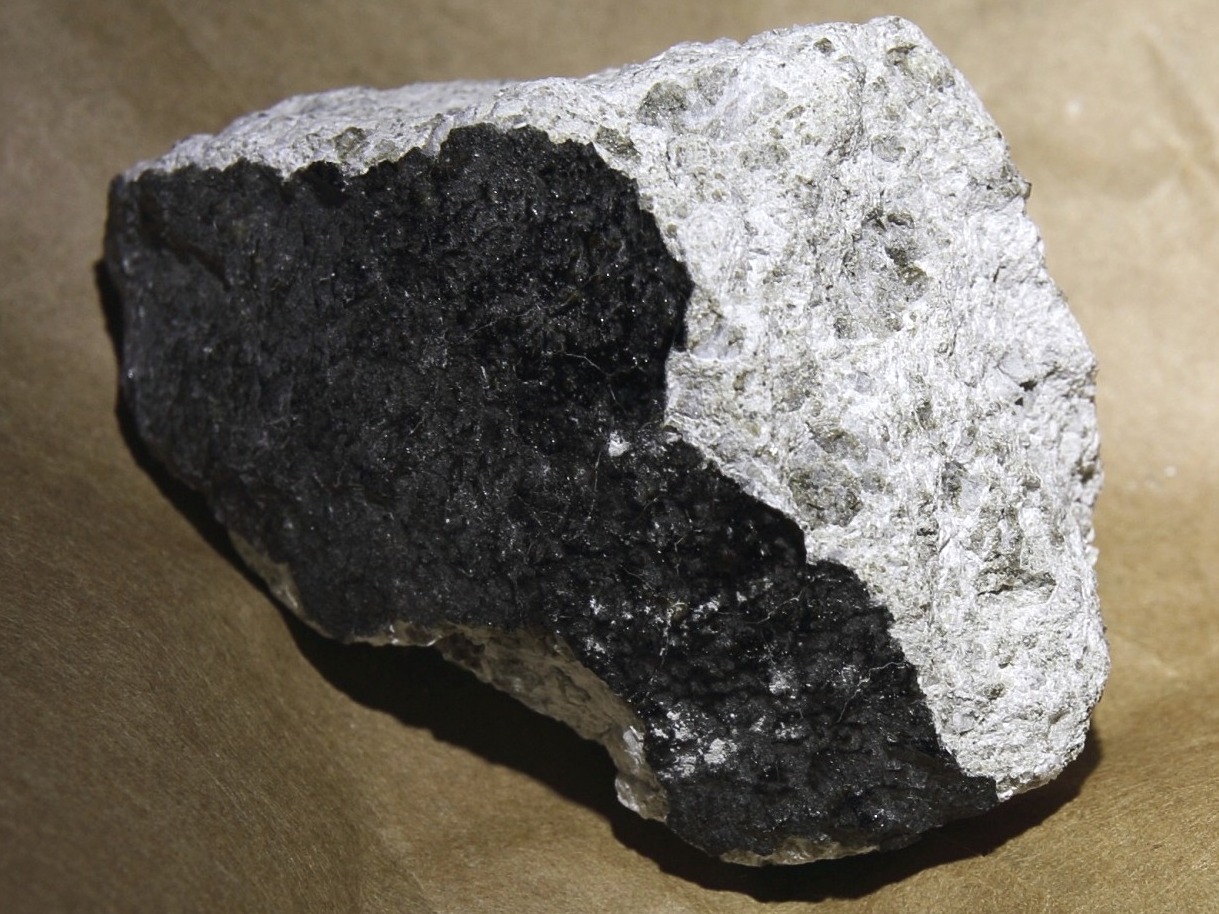
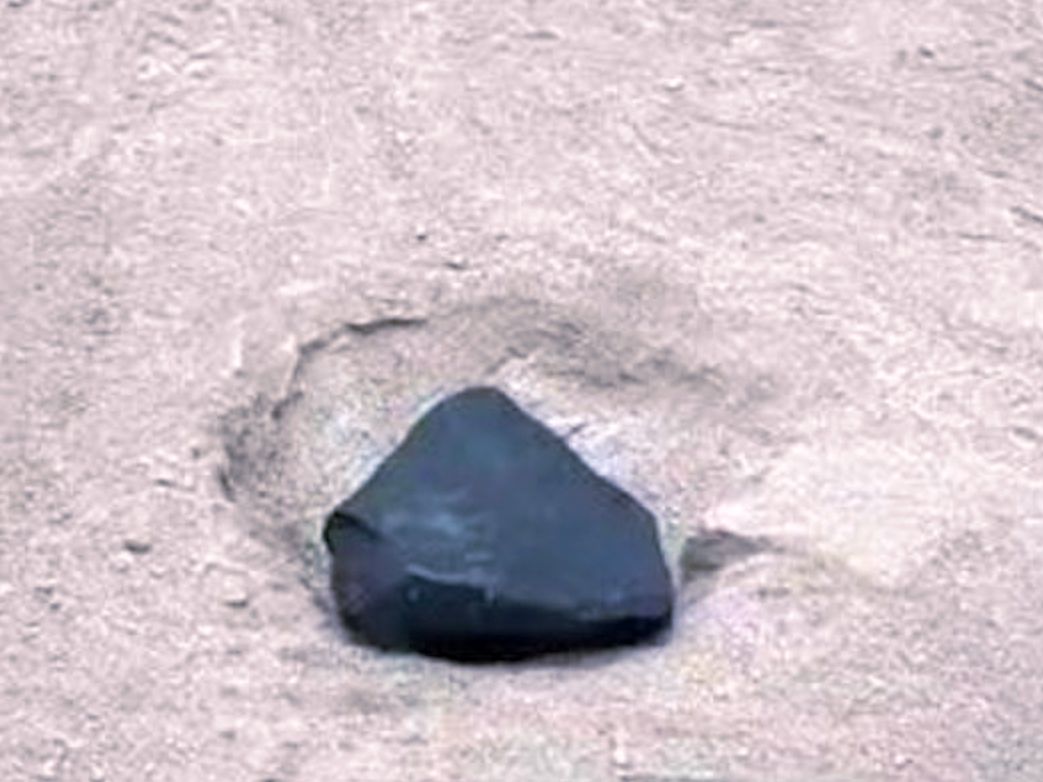
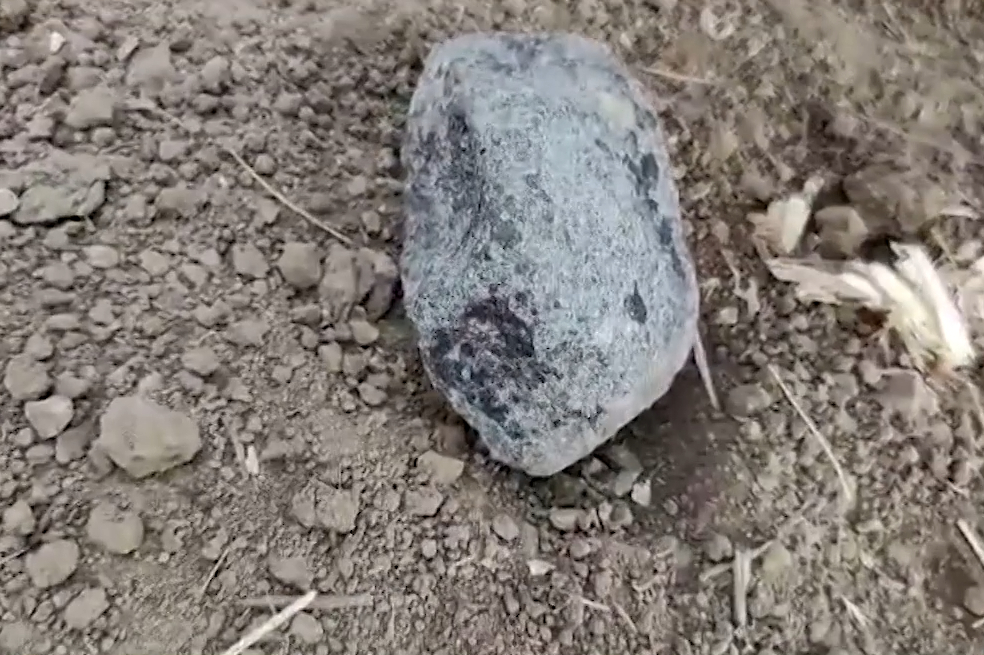
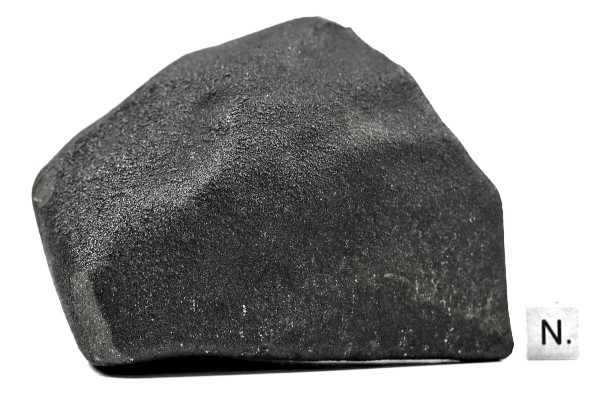
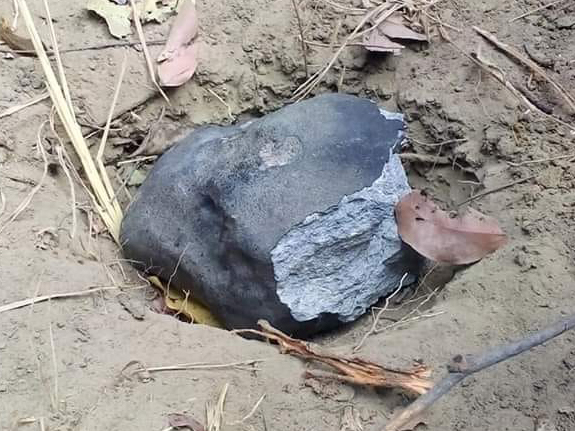
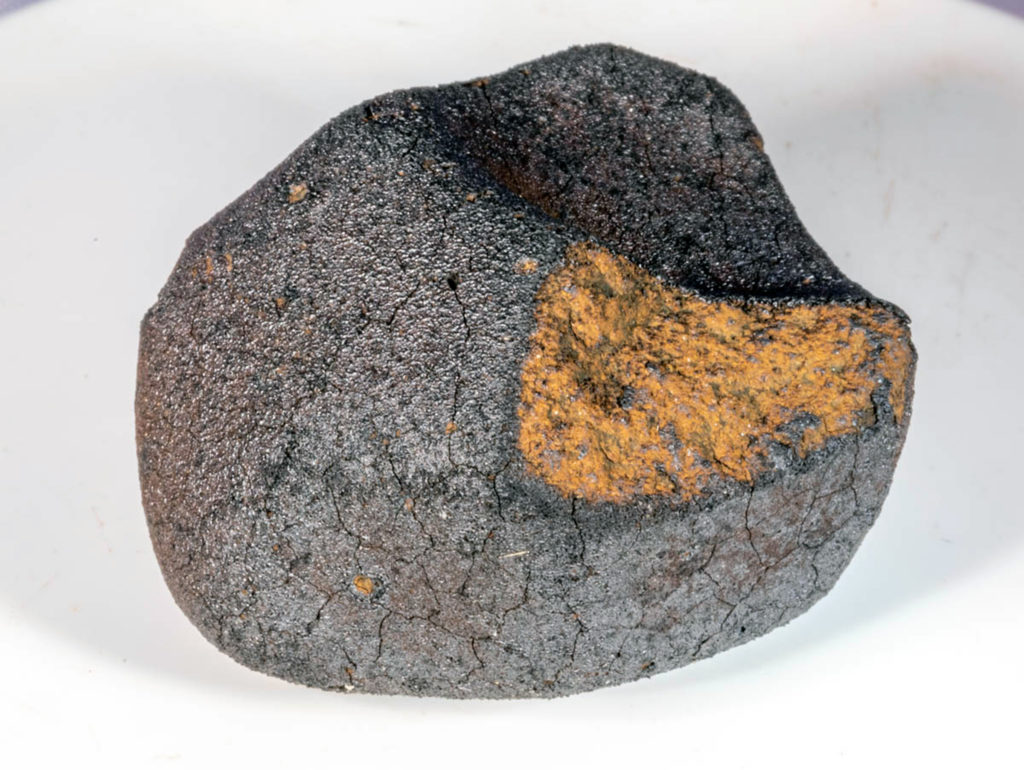
“Iron meteorite falls are rare compared to stony meteorites, and until recently no iron meteorite had a reliably determined pre-atmospheric orbit. This changed on 2020 November 7, when a bright fireball was observed across Sweden and neighboring regions, with optical, acoustic, and seismic detections extending up to 665 km from the trajectory. After a month-long recovery effort, a 13.8 kg iron meteorite was discovered near Ådalen, representing the first instrumentally recorded and recovered fall of its type and the first iron meteorite with a derivable heliocentric orbit; the event also exhibited the lowest terminal height measured for a well-documented fireball. We combine optical, infrasound, and seismic data to reconstruct the luminous trajectory and employ a Monte Carlo model to simulate the dark flight phase and predicted strewn field, while also investigating the plausibility of a ricochet prior to final deposition. Our analysis identifies distinct aerodynamic properties of iron meteoroids compared to stony bodies, including the influence of streamlined shapes and deep regmaglypts on drag and flight stability, underscoring the need to incorporate iron-specific parameters into entry models to constrain atmospheric dynamics and improve recovery predictions for future events.”