Petrogenesis and Provenance of Unique Amphibole-Bearing Carbonaceous Chondrite Almahata Sitta 202: Further Evidence for a Ceres-Sized, Water-Rich Parent Body
Cyrena A. Goodrich, Victoria E. Hamilton, Michael E.Zolensky, Noriko Kita, Issaku Kohl, Lauren Tafla, Robert J. Macke, Takahiro Hiroi, Yoko Kebukawa, Wayne Buckley, Jacob B. Setera, Justin I. Simon, Allan H. Treiman, Jennifer S. Gorce, Harold C. Connolly Jr., Anna M. Fioretti, Edward Young, Qing-Zhu Yin, Audrey M. Miller, Guillaume Siron, William O. Nachlas, Takashi Tominaga, Michael Jercinovic, Peter Jenniskens, Muawia H. Shaddad
Geochimica et Cosmochimica Acta
Available online 18 February 2026
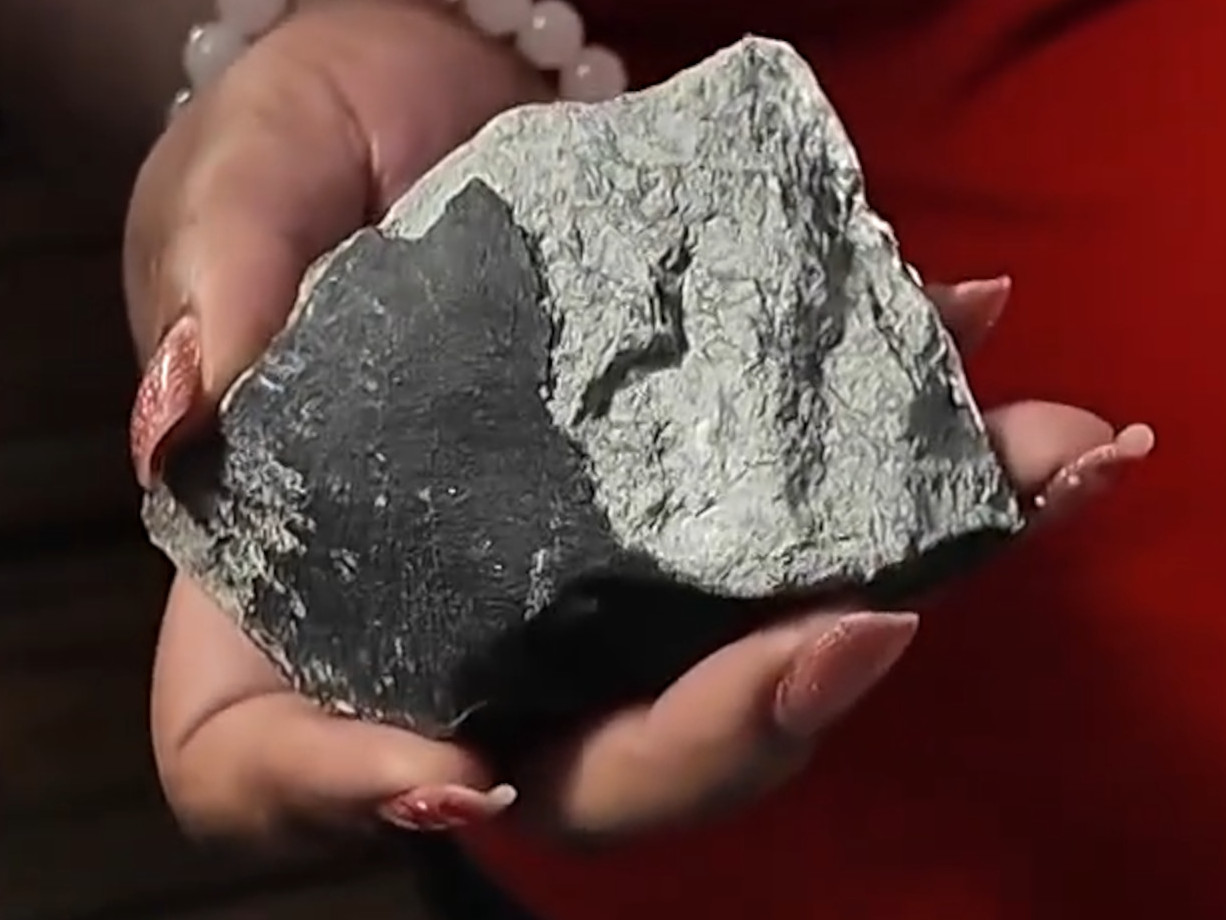
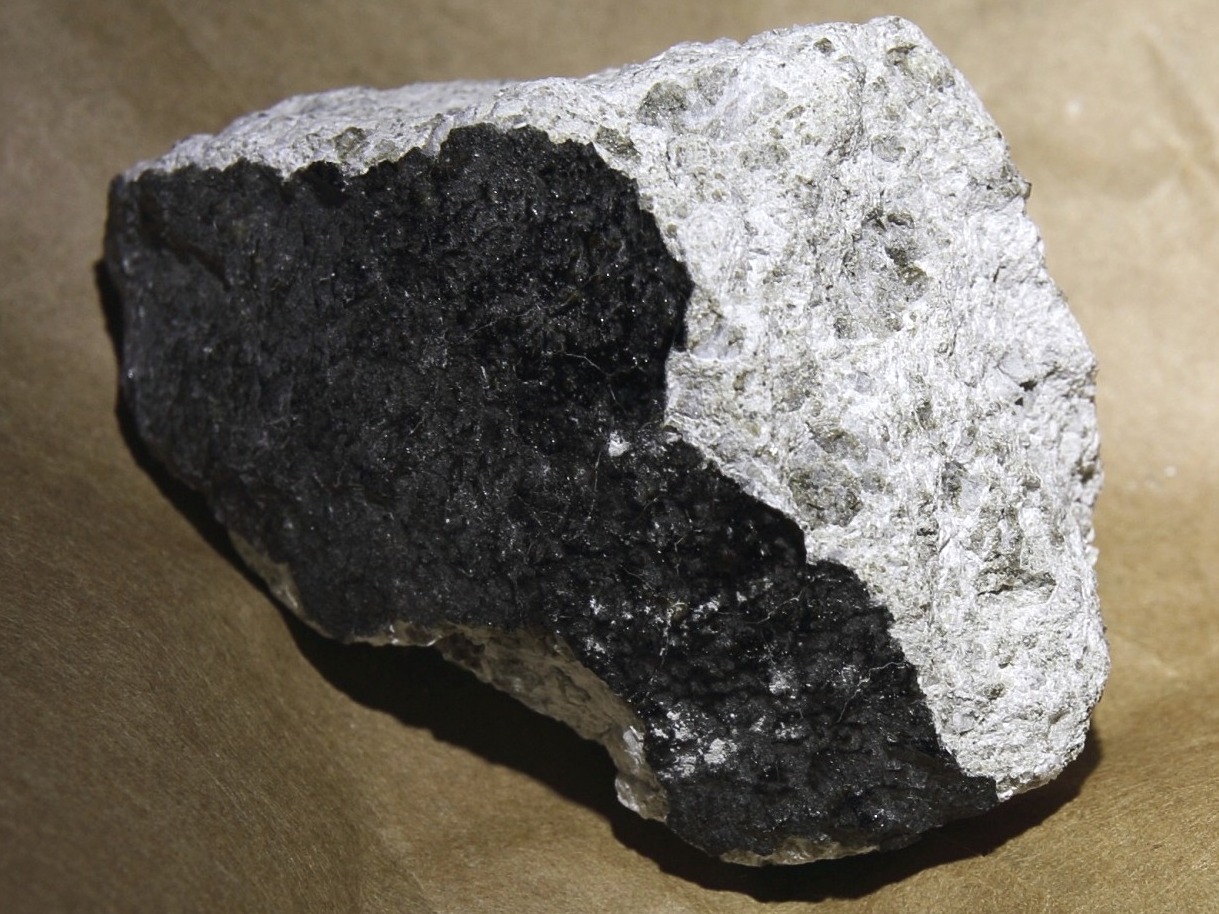
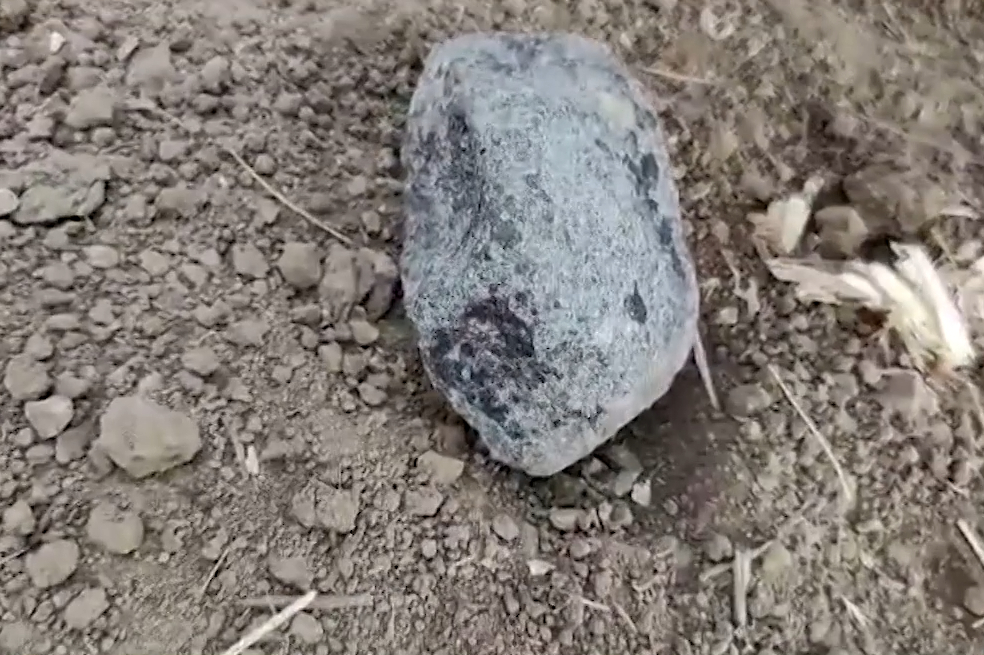
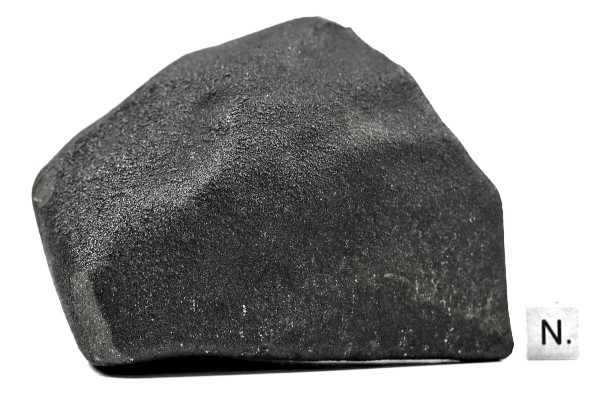
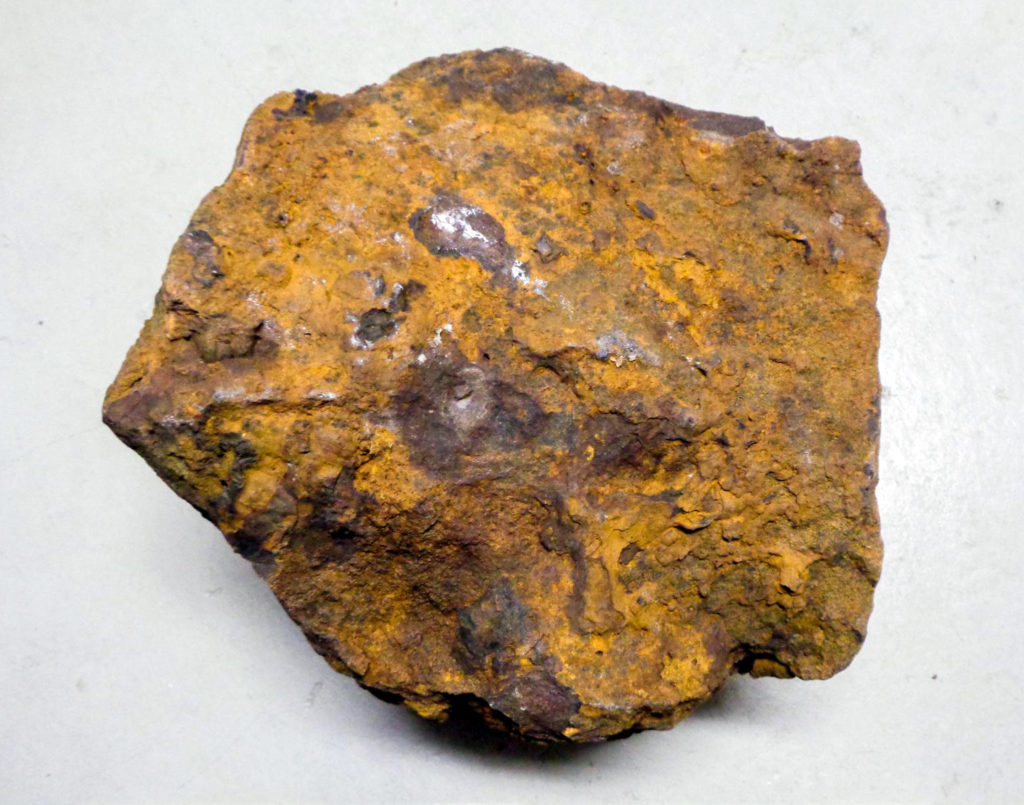
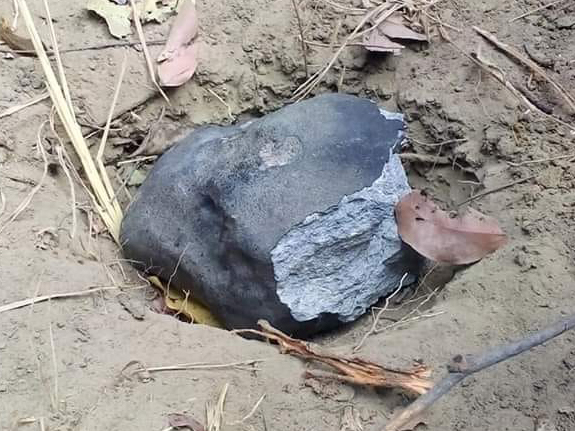
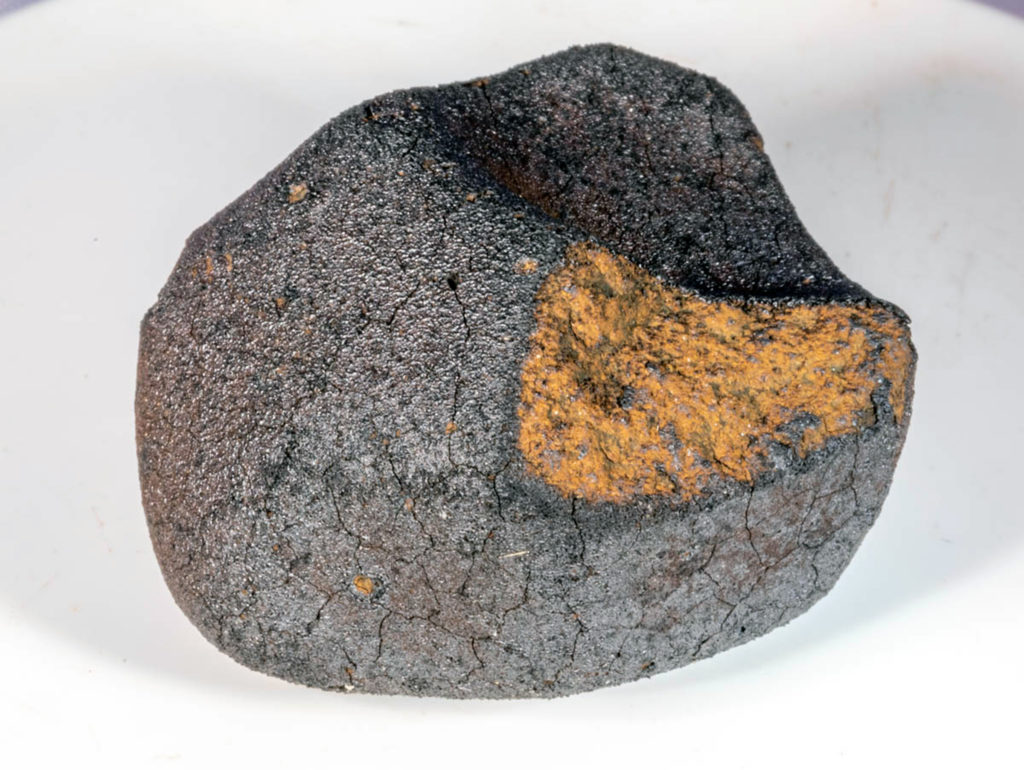
“Xenoliths of carbonaceous chondrites (CC) in meteoritic breccias can provide samples of primitive solar system materials that are not represented by individual meteorites and thus expand our knowledge of chemical and isotopic reservoirs in the early solar system and early geologic processes on CC parent bodies. The Almahata Sitta (AhS) polymict ureilite contains one such xenolith, referred to here as AhS 202. Hamilton et al. (2020) discovered that, unlike any other known CC, the AhS 202 xenolith contains abundant (∼12–14 vol%) amphibole, a hydrous mineral that characteristically forms in greenschist to amphibolite facies metamorphism and requires a significantly larger parent body than typically inferred (≤100 km diameter) for CC meteorite bodies. Building on that initial work, we report additional analyses of the mineralogy and petrology, and new analyses of the chemical composition, oxygen and chromium isotope compositions, and physical properties of this xenolith that further constrain its petrogenesis and provenance. Our results show that the AhS 202 precursor was chondritic and experienced aqueous alteration similar to many low petrologic type CC meteorites at temperatures of ∼ 30–100 °C and fluid pressures of PH2O < 0.1 kbar, leading to formation of serpentines, magnetite, and chlorite. However, unlike any known CC meteorite, AhS 202 was heated further under water-saturated conditions similar to prograde metamorphism of terrestrial serpentinites, leading to formation of chemically pure diopside, secondary olivine, and tremolite amphibole. Peak metamorphic conditions determined from thermodynamic modeling, constrained by olivine-magnetite oxygen isotope thermometry, were ∼ 380–430 °C and ∼ 0.5–2.25 kbar. Based on our measured density of 2.27 g/cc for AhS 202, these conditions imply parent body sizes of 600–1875 km diameter, confirming the previous estimate (640–1800 km) of Hamilton et al. (2020). The fluid-assisted metamorphic conditions experienced by AhS 202 cannot be represented in current classification systems of meteorite petrologic type, which recognize only anhydrous metamorphism; we discuss an alternative approach to the classification of such materials. Oxygen and chromium isotope compositions show an affinity between AhS 202 and CR chondrites and/or CR-related achondrites, suggesting derivation from a common reservoir. However, petrology, refractory element composition, and extremely low carbon content indicate that it did not form on the same parent body as known CR chondrites or CR-related achondrites. The existence of this sample, in combination with several even higher-pressure clasts observed in CR chondrites (Kimura et al., 2013; Hiyagon et al., 2016), suggests that this reservoir contained multiple large planetesimals.”