Petrology, mineralogy, and trajectory reconstruction of the Maoming (L5) ordinary chondrite
Jin Yu Zhang, Hong Yi Chen, Yi Man Yin, Lan Fang Xie, Xu Kai Gao, Xi Jun Liu
MAPS, Version of Record online: 11 May 2026
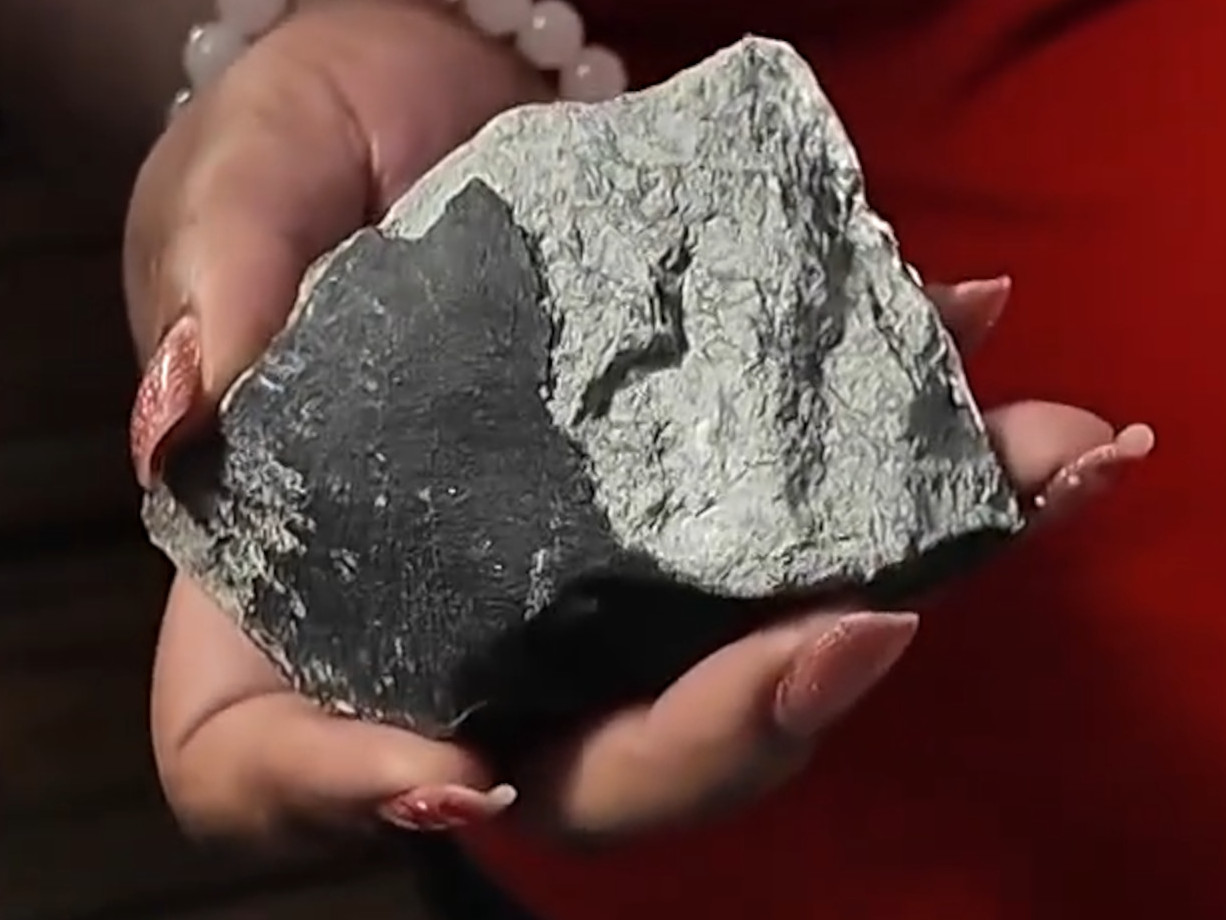
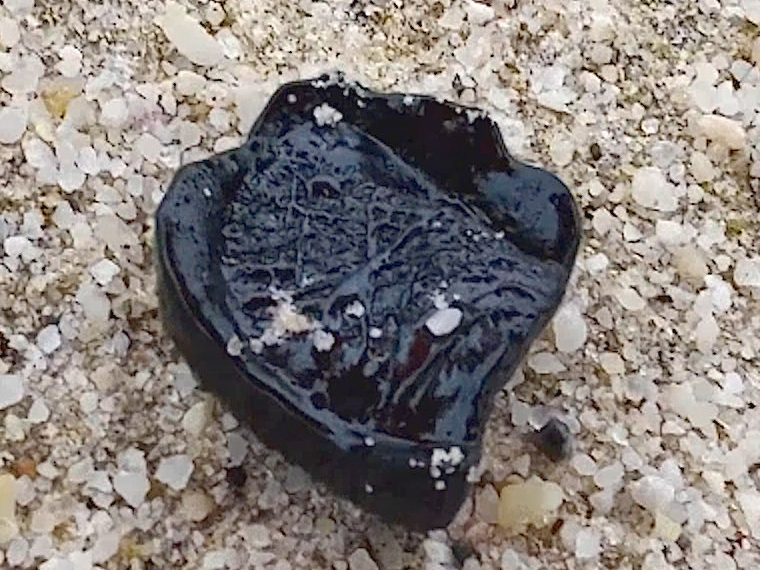
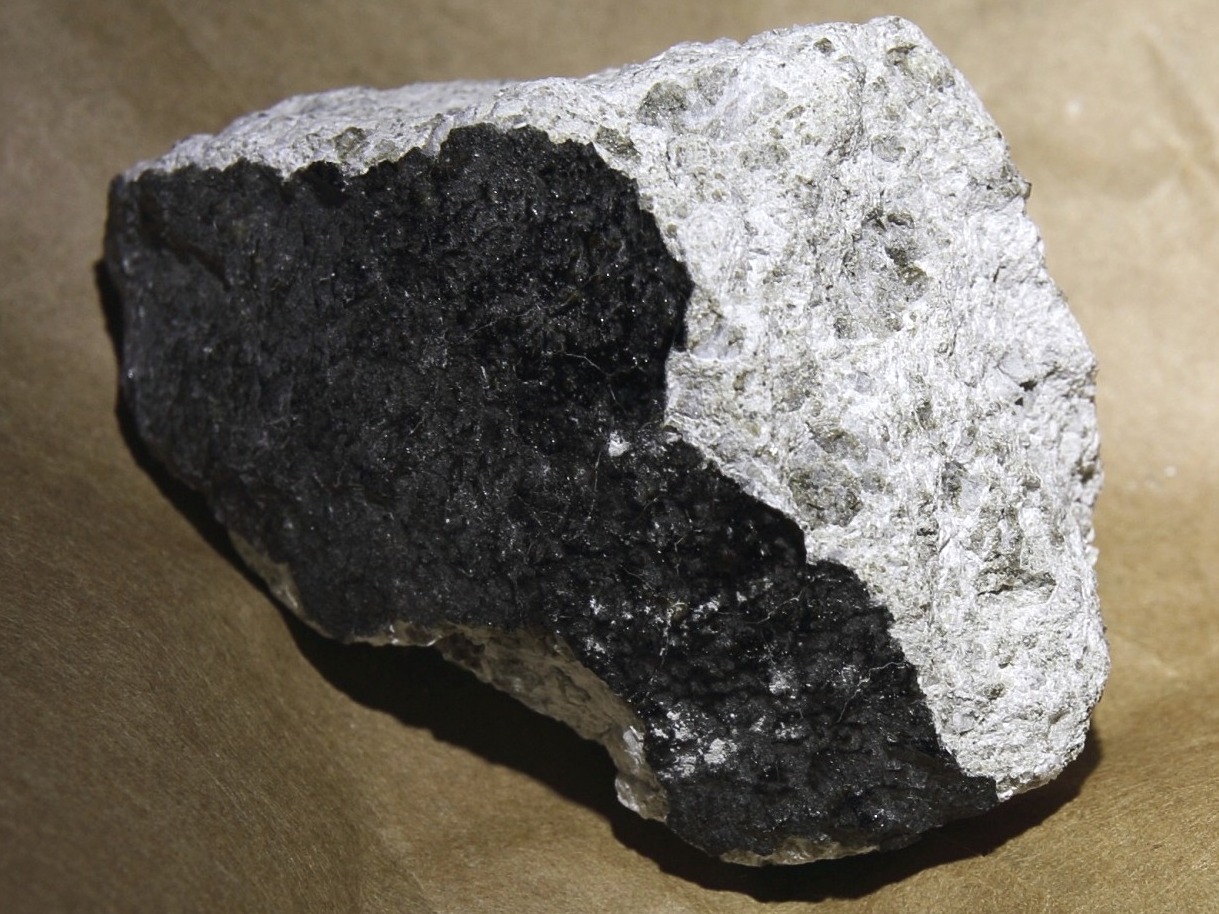
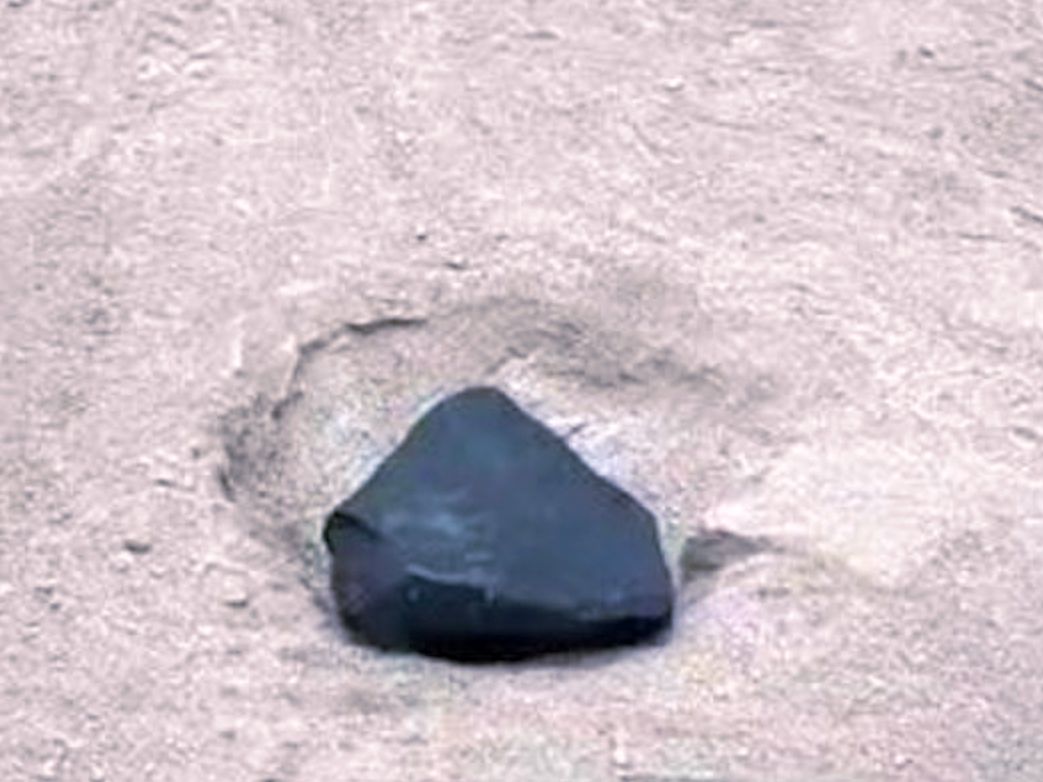
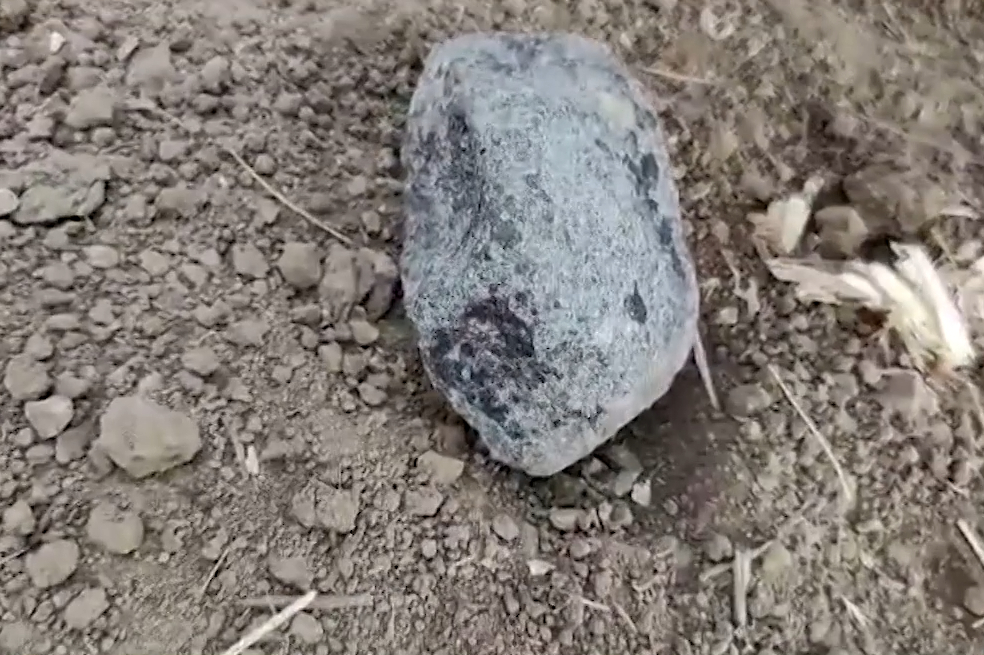
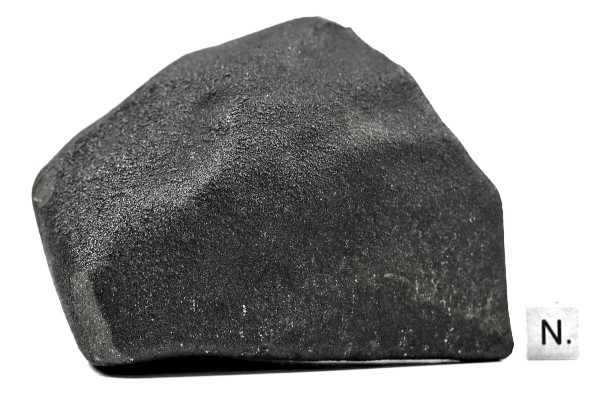
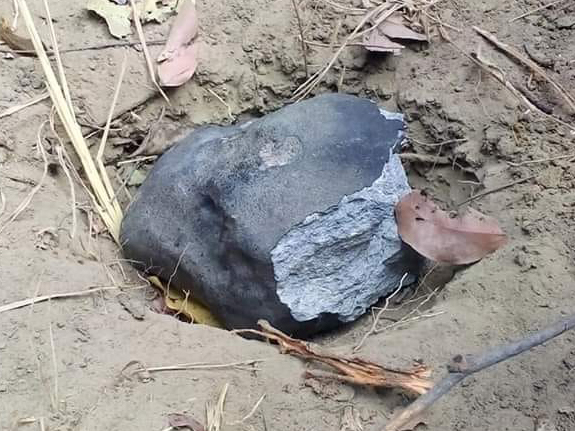
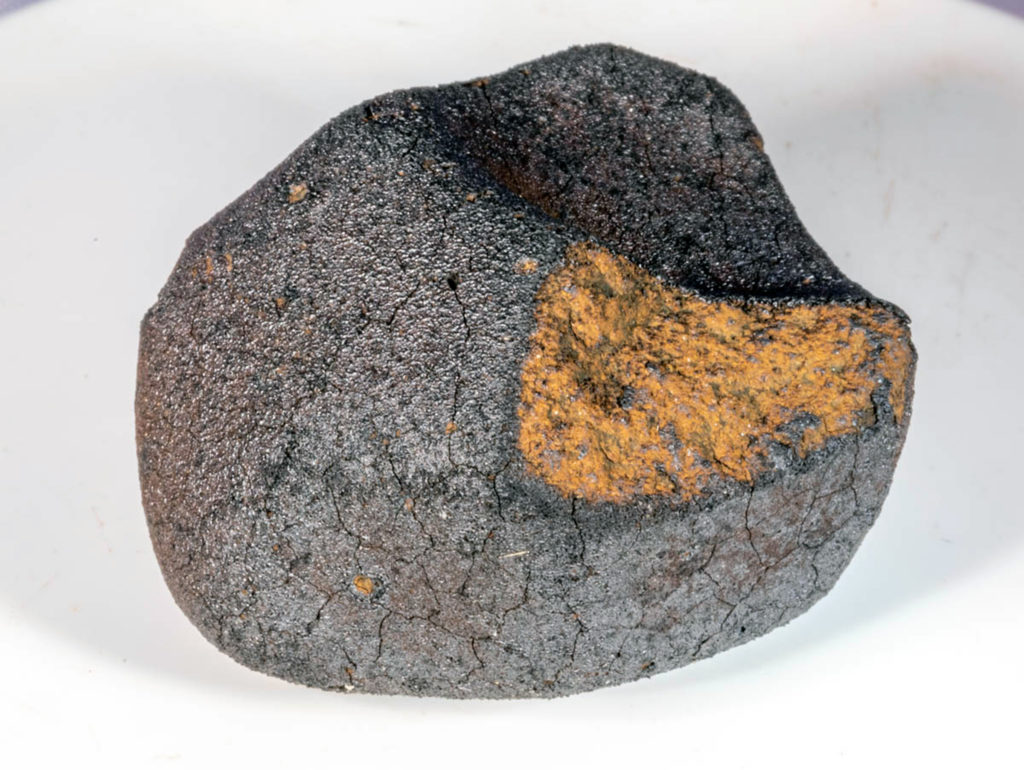
“The Maoming meteorite, which fell in Guangdong Province, China, on May 28, 2025, represents the second-largest witnessed meteorite recovery event in China since 1949, with a total recovered mass of 423 kg. This study presents an integrated analysis of its petrology, mineral chemistry, and aerodynamic behavior to reconstruct the complete atmospheric entry-to-impact sequence. Fresh samples were examined using optical microscopy, electron probe microanalysis, and density measurements, while the entry trajectory was simulated using a fourth-order Runge–Kutta model constrained by impact crater morphology and atmospheric data. Based on mineralogical homogeneity and shock-weathering features, Maoming is classified as an L5 ordinary chondrite (shock stage S3, weathering grade W1) with a double-layered fusion crust indicating peak temperatures of 1410°C–1615°C. Aerodynamic modeling, based on a constrained initial velocity of ~15 km/s, yields an entry angle of 13.9° and a terminal impact velocity of 267.23 m/s at a trajectory angle of 65°. The simulated penetration depth (2.98 m) closely matches field observations (~3 m), validating the reconstructed dynamics. Despite its friable, fractured structure, the meteoroid survived atmospheric passage without catastrophic disruption, contrasting with typical fragmentation-dominated entries. This case provides critical empirical constraints on the survival of moderately strong, fractured ordinary chondrites under moderate entry conditions. The combined petrological and aerodynamic approach presented here provides a framework for rapid trajectory reconstruction and impact effect quantification. This framework also offers empirical constraints on the trajectory and cratering mechanics of meter-scale, moderately strong meteoroids.”