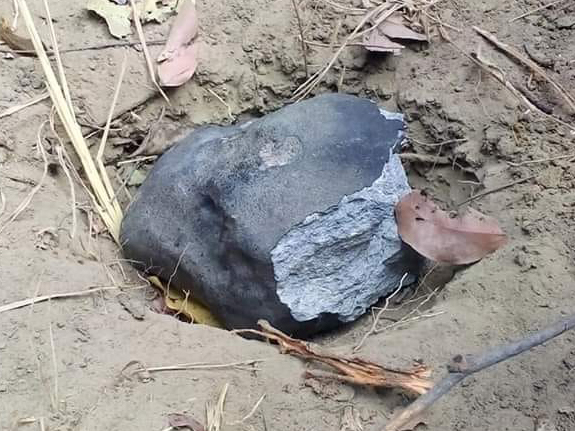
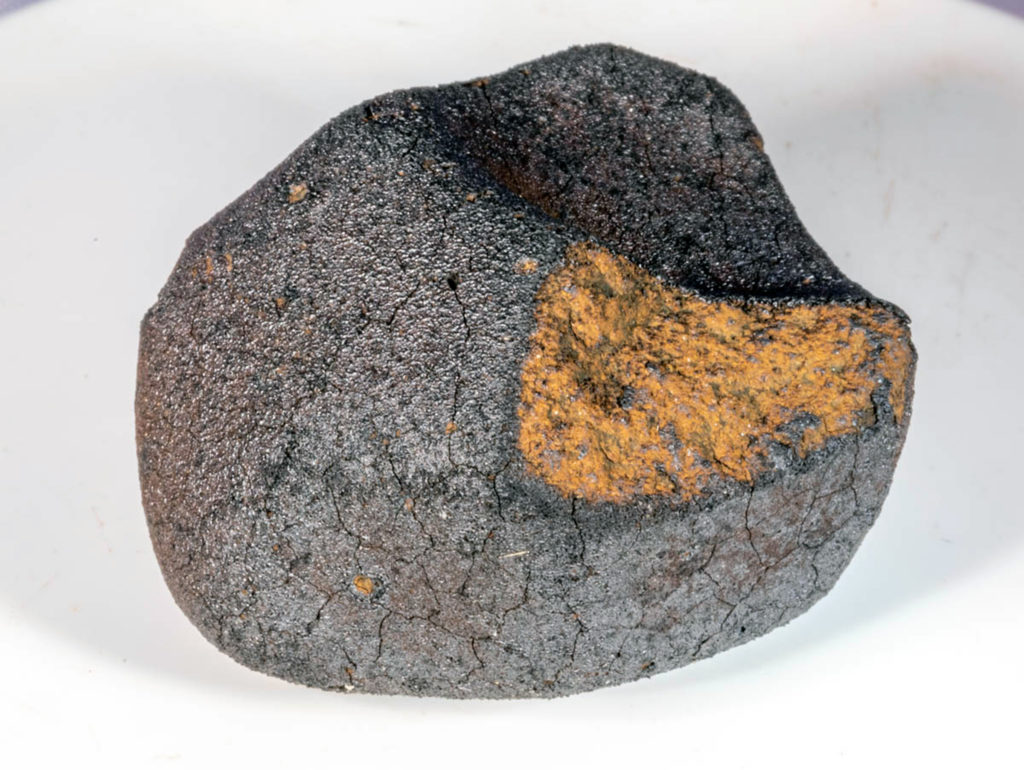
KOBLENZ (prov.) meteorite fall (brecciated eucrite) in Koblenz (Güls), Rhineland-Palatinate, Germany, at around 17:55:02 UT on 8 March 2026
Last update: 11 April 2026 (15:10 CEST)
A fist-sized meteorite (brecciated eucrite) hit the roof of a house at location 50°20’37.8″N, 7°32’51.8″E in Koblenz-Güls, Germany shortly after 17:55:02 UT on 8 March 2026 when a bolide was first visually detected. The two inhabitants of the attic flat were in another room of the house when the meteorite fell. At 18:06 UT they informed the local police about the impact on the roof, which caused a football-sized hole in it. The meteorite had pierced through the slate roofing on the roof and then destroyed the wooden beams, the insulation, and, inside, the wood paneling on the walls as well as the floor tiles. The frame of the adjacent window was also damaged. The fire brigade was sent to inspect the fall site where they stayed until ~21:30 UT. The meteorite fragmented into 11 larger pieces, weighing between 6 and 161 grams, on impact on the roof above the bedroom at the upper floor of the house. The first meteorite fragments were presented by the police during a short open-air press conference near the fall location in the evening of 8 March 2026. The police took the fragments in the evening of the fall. On 10 March they handed them to the home owners who are the sole owners of the meteorite fragments. On 9 March additional smaller meteorite fragments were acquired in the neighboring courtyard by the French meteorite dealer Thierry Monter (62), who immediately sold the specimens, and German planetologist Dennis Harries. All together about 21 grams of fragments were collected. The bolide was seen by hundreds of witnesses in many European countries. Ear-witness Ingo Beller, who was in the immediate vicinity (~ 20 metres) of the fall site during the fall, reports he heard a whistling sound and then a sound which reminded him of a car crash with shattered glass and metal. In the area of Cochem-Zell, southwest of Koblenz, three detonation booms were heard and windows were vibrating. Near the village Krastel (Bell), ~35.5 km south-southwest from the fall site, rumbling sounds, lasting between 15 and 20 seconds, could be heard after the detonation booms of the fragmentation events. Various images and videos of the bolide can be found here: AKM/IMO. On 22 March six small meteorite fragments weighing around 2.5 grams were provided by German meteorite collectors for measuring cosmogenic short-lived radionuclides at the Felsenkeller Laboratory of VKTA in Dresden. The analyses of small meteorite fragments have begun at Westfälische Wilhelms-Universität (WWU) in Münster. A proper MetBull registration of the Koblenz meteorite fall by WWU does require the provision of 20 grams of the meteorite though. On 2 April it was announced by Münster University that meteorite thin sections confirm that the meteorite is a brecciated eucrite. Already on 11 March the Koblenz police officially told people looking for meteorites in a press statement to respect the privacy and private property of the local population: “The police expressly point out that the privacy of residents must be respected without restriction. This includes, in particular, unauthorized entry onto private property. Doing so also constitutes the criminal offense of trespassing, which will result in criminal charges being filed.
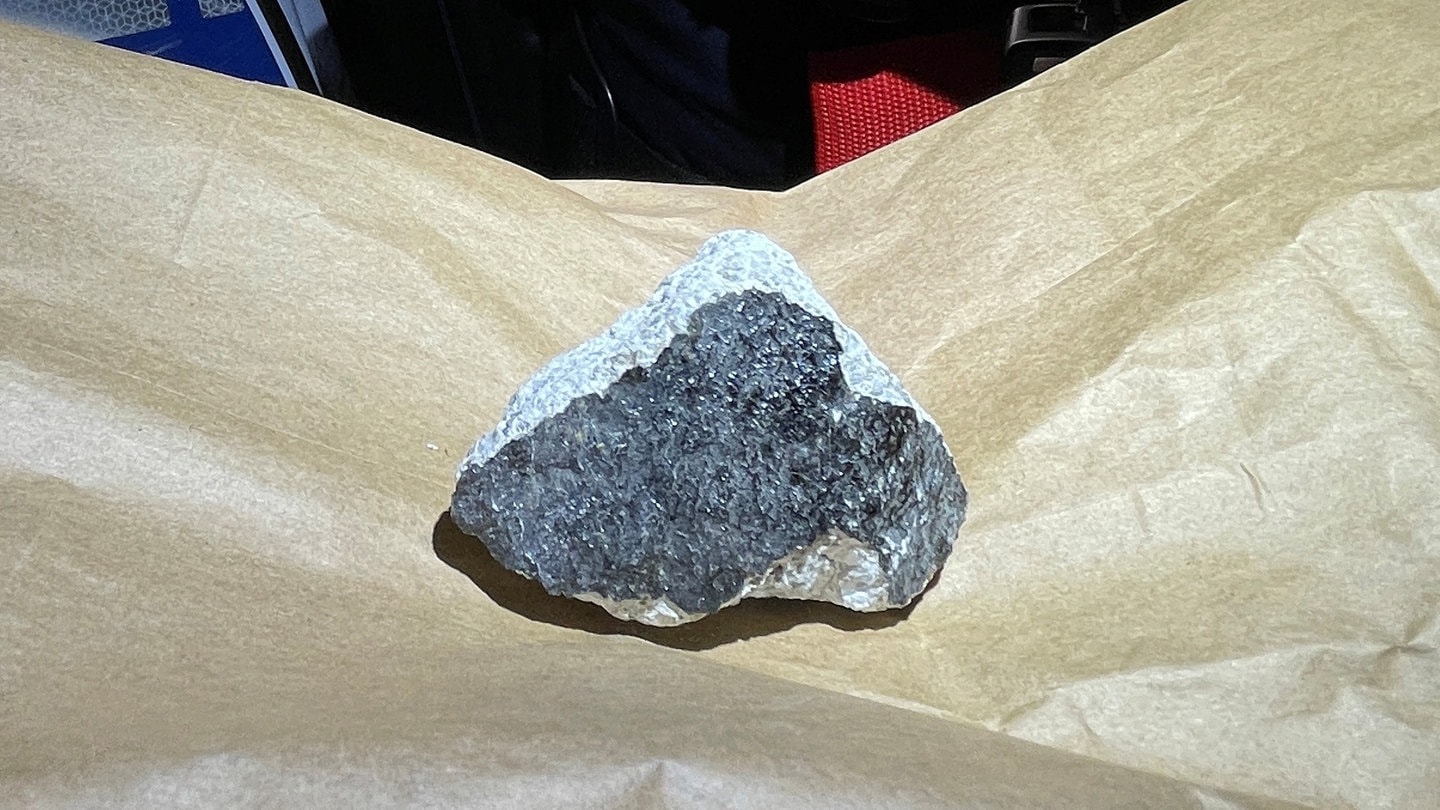
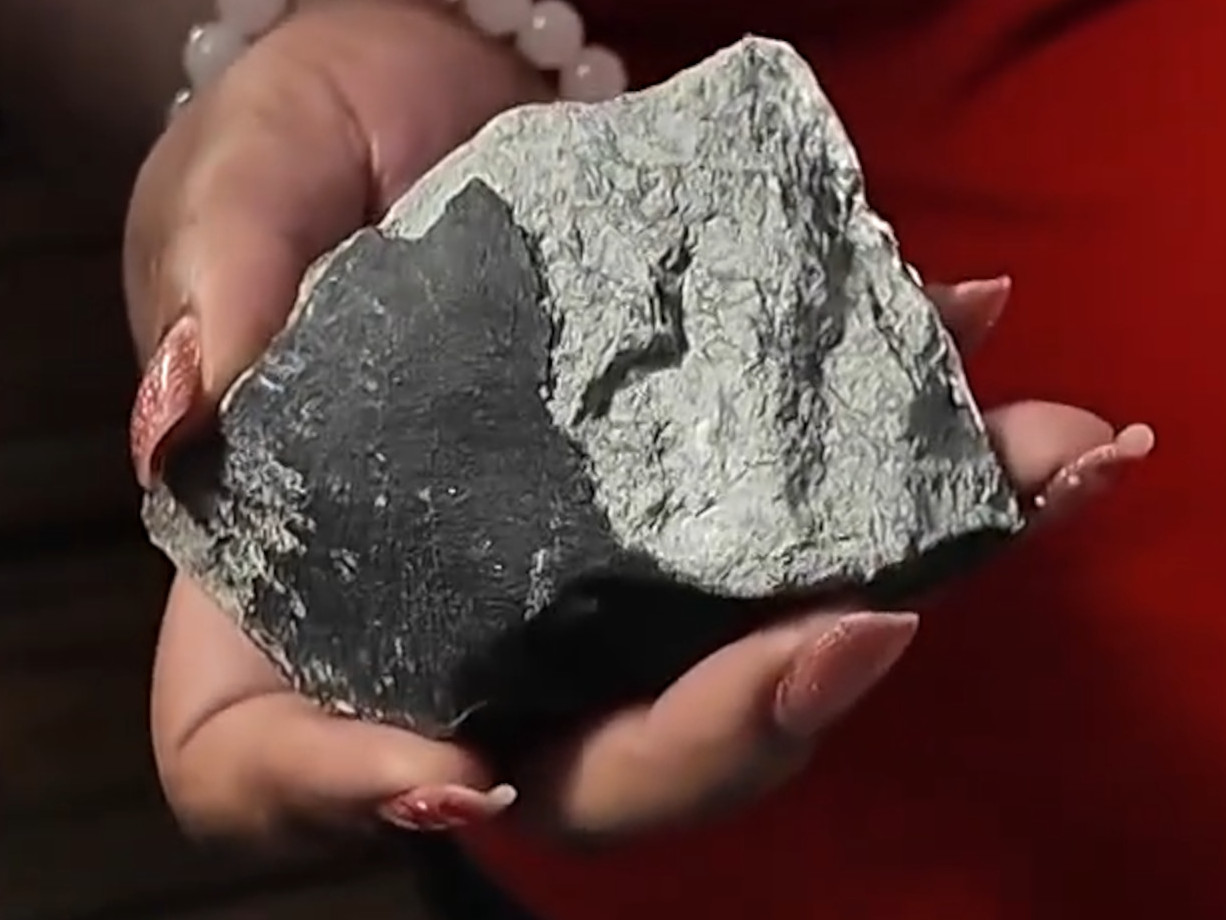
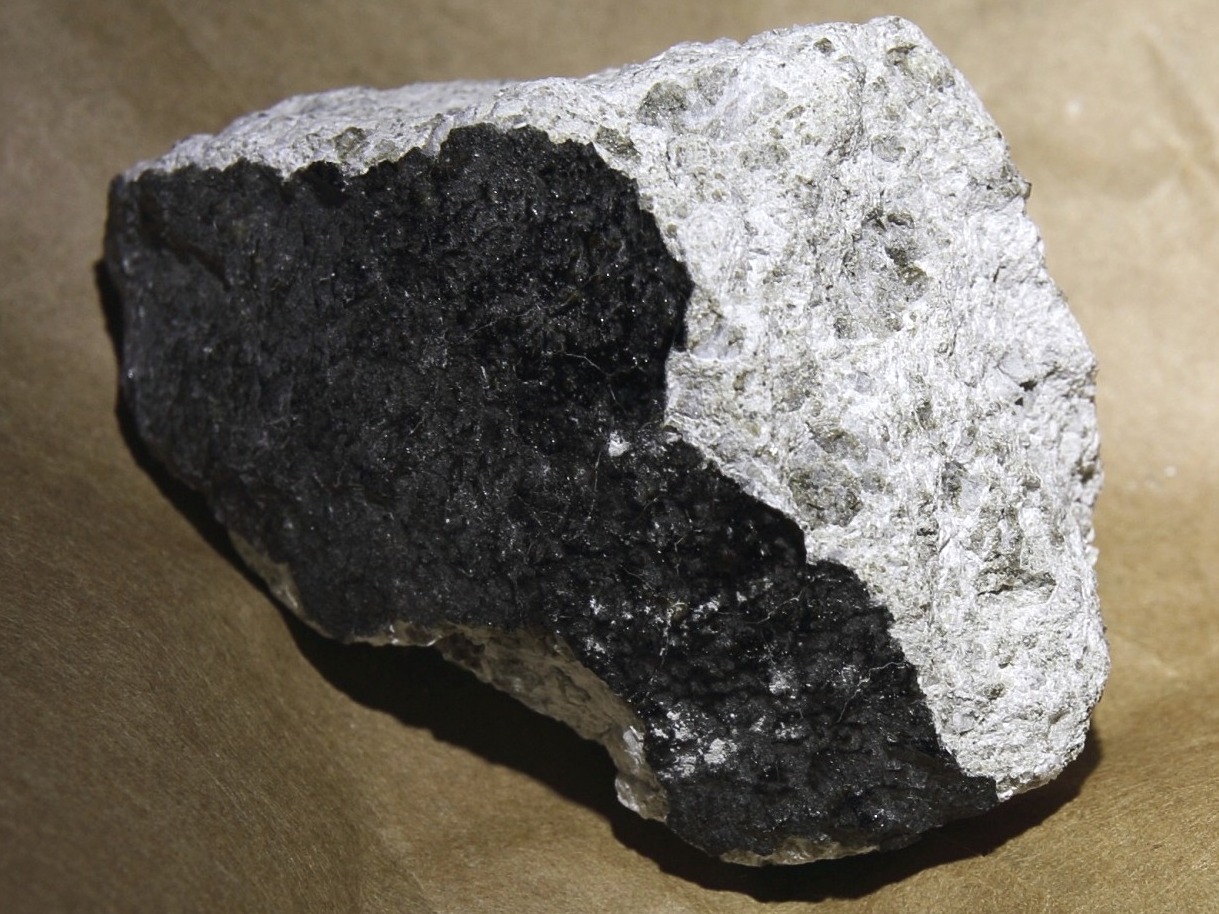
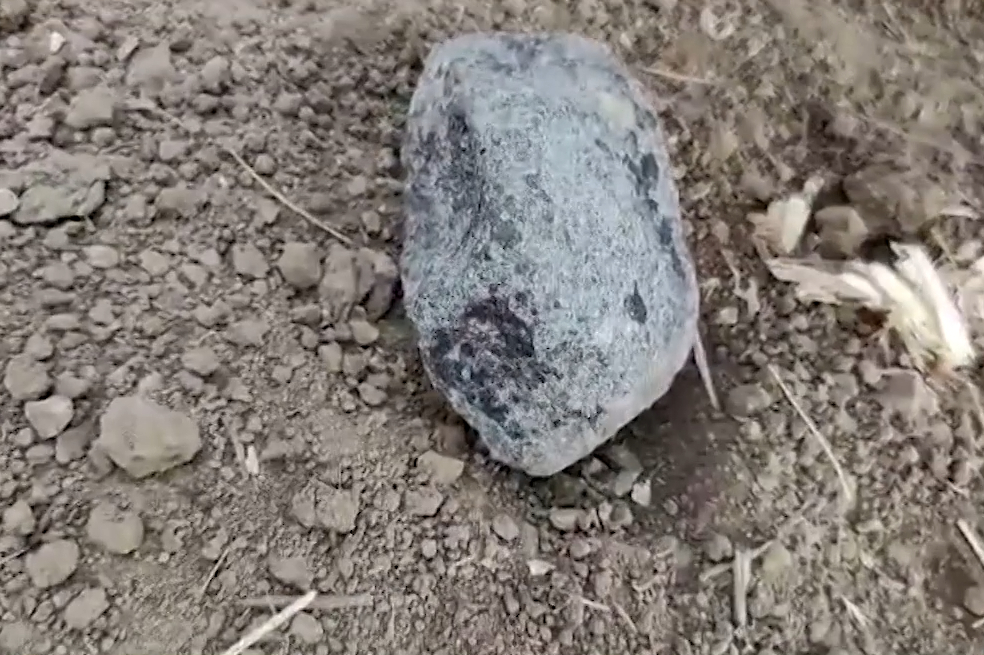
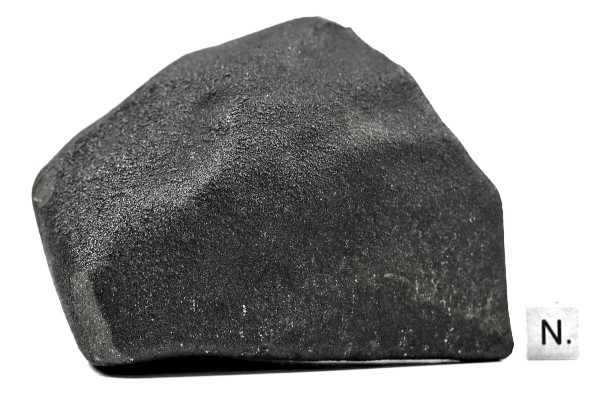
A large 161-gram fragment (length ~ 7cm) of the mass which hit the roof. Photo: SWR
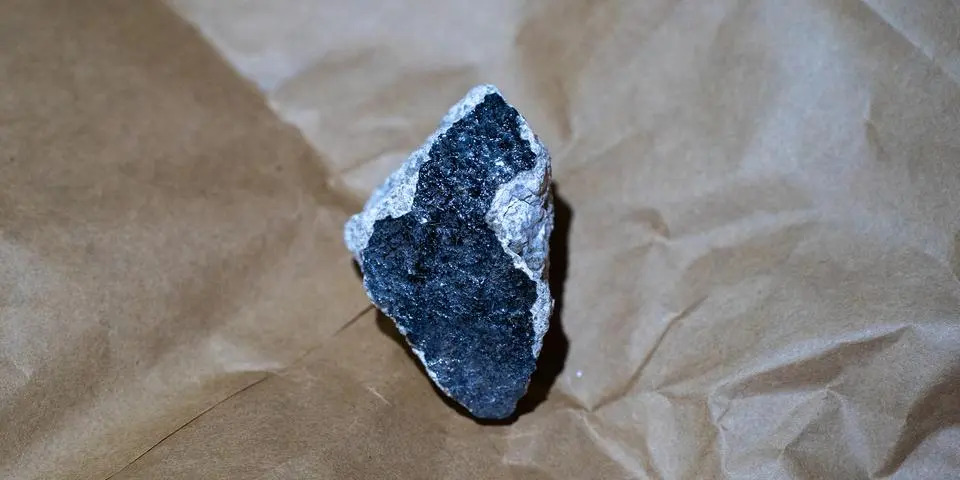
A larger 161-gram fragment (length ~ 7cm) of the mass which hit the roof. Photo: 5VISION.NEWS
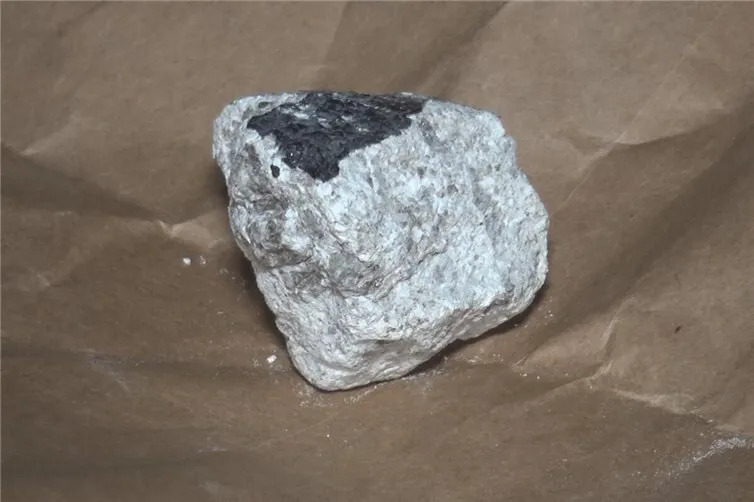
161-gram fragment. Photo: WinklerTV
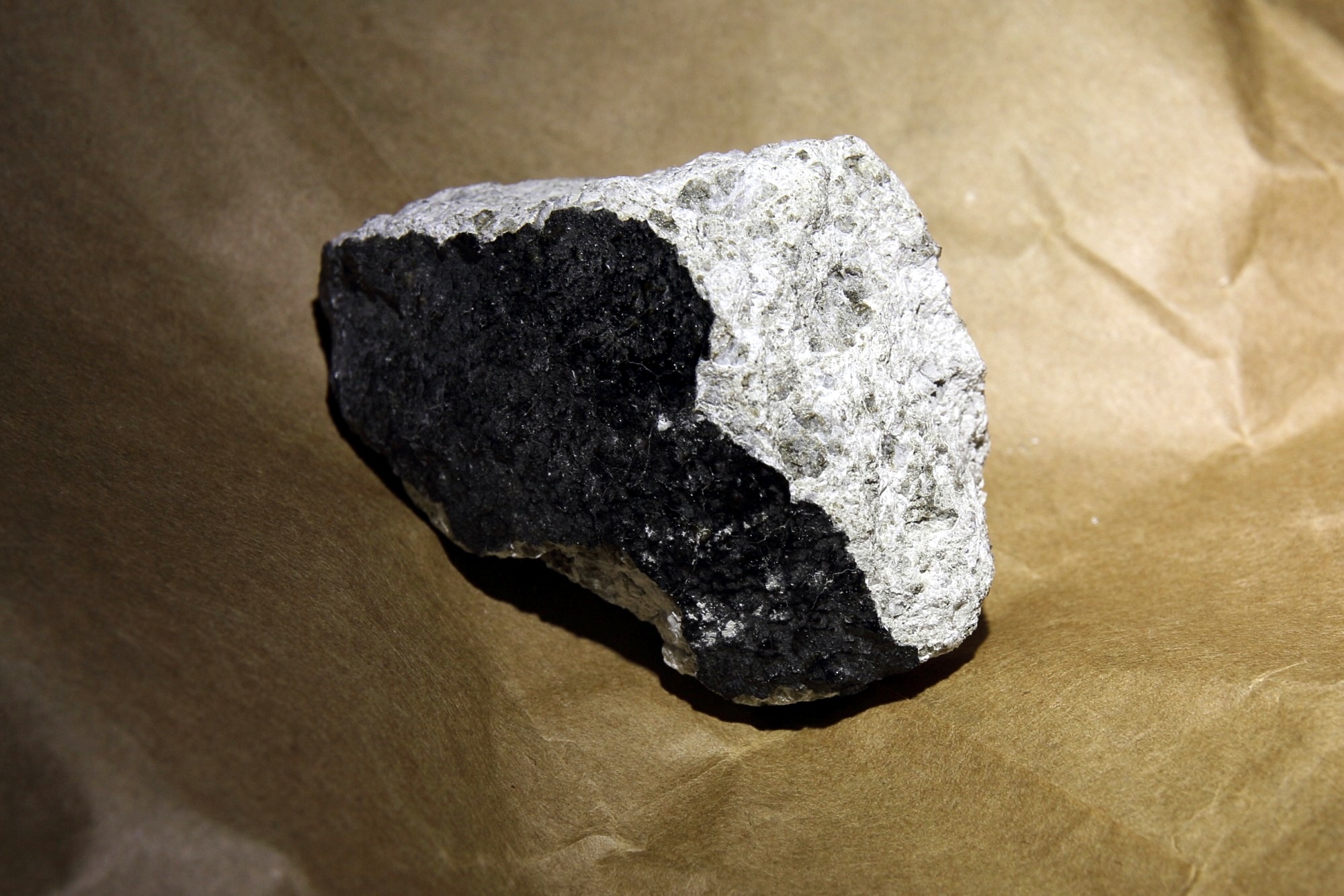
161-gram fragment. Photo: I. Beller
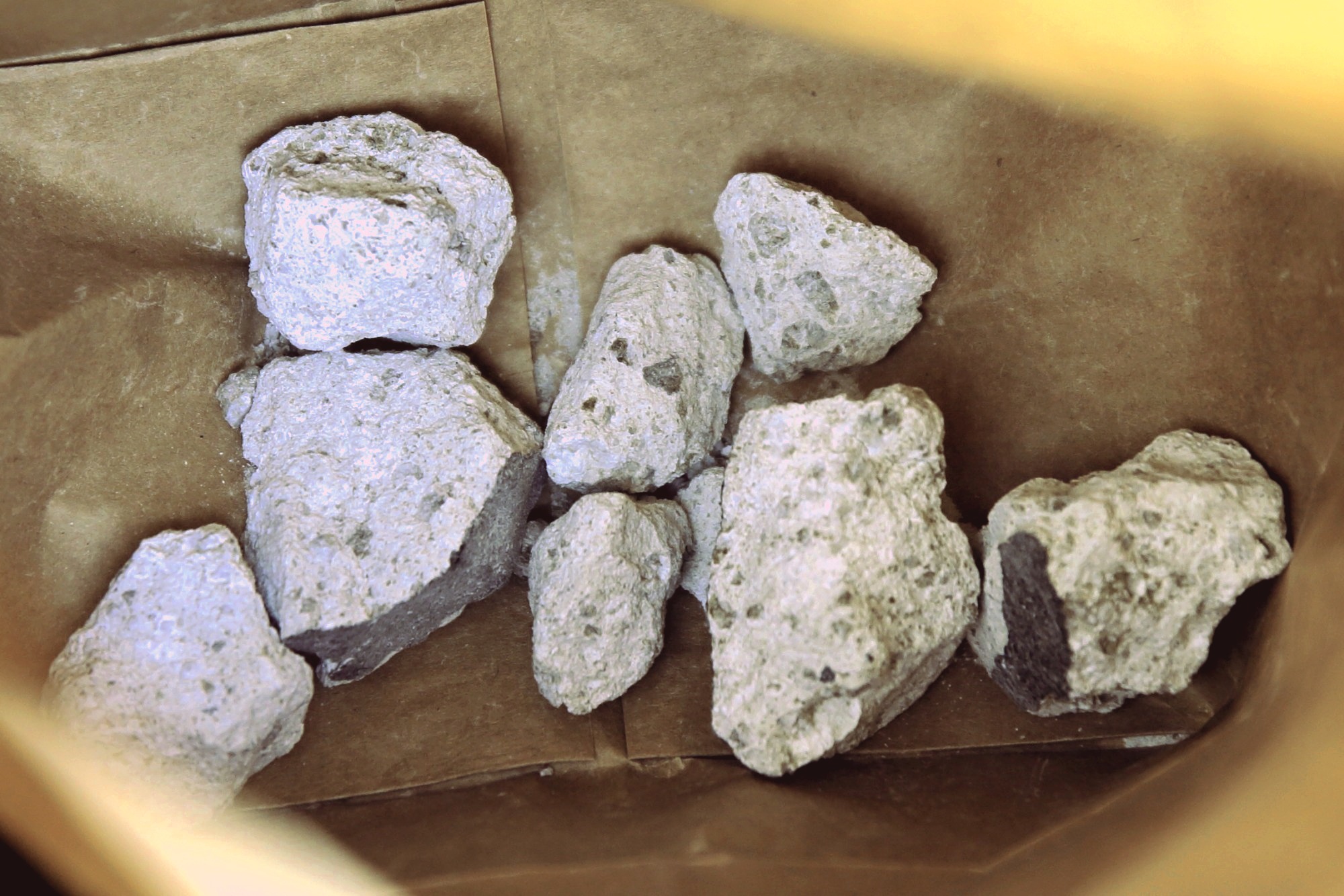
Fragments of the mass which hit the roof. Photo: I. Beller
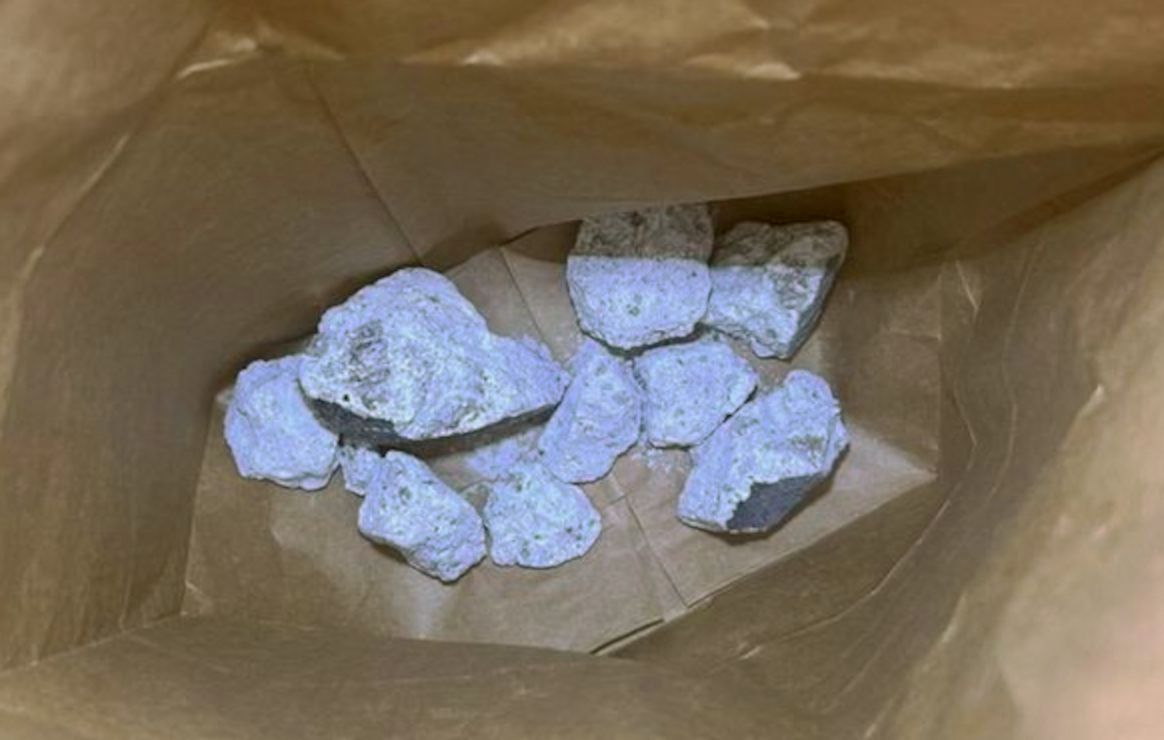
Fragments of the mass which hit the roof. Photo: SWR
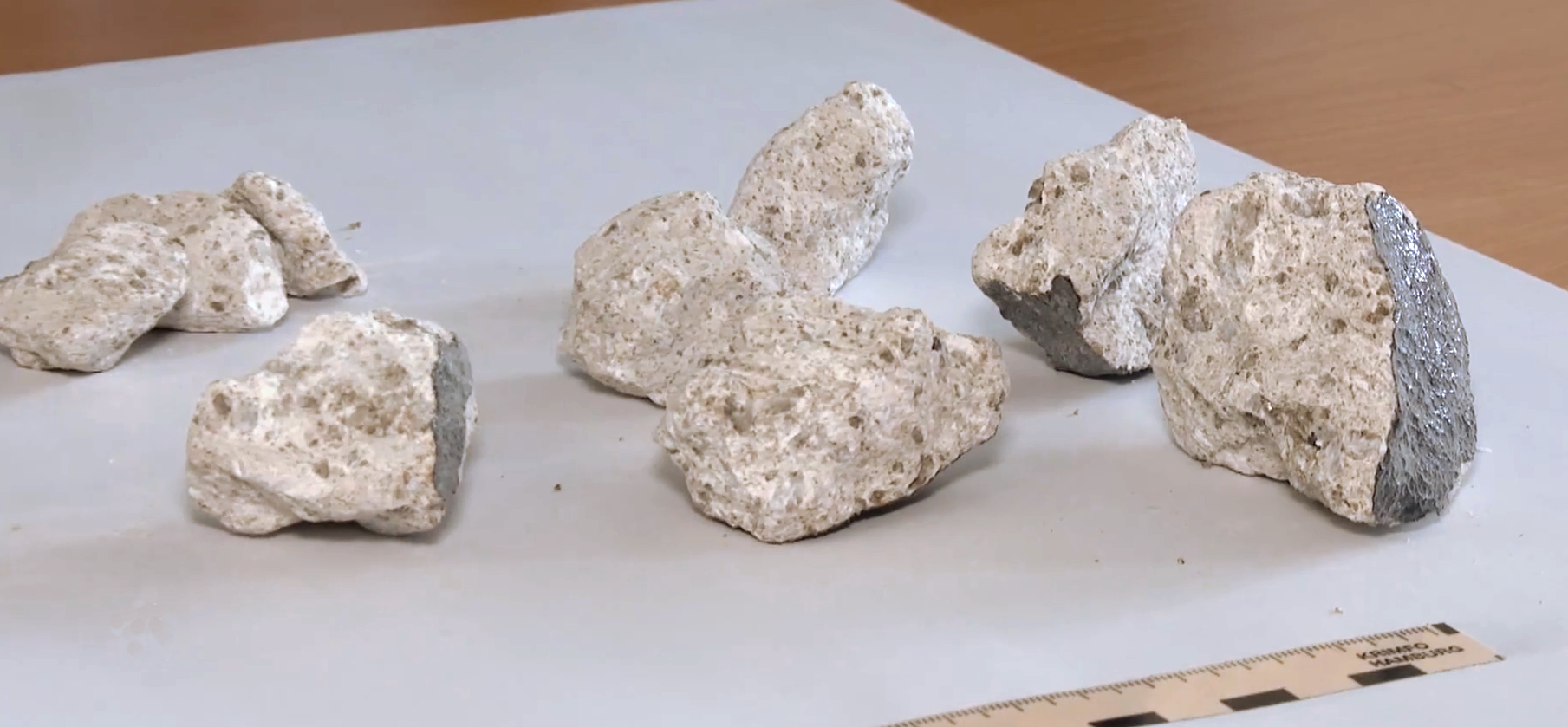
Roof fragments at the police office. The larger ones seem to have a diametre of up to 5 centimetres. Photo: SWR
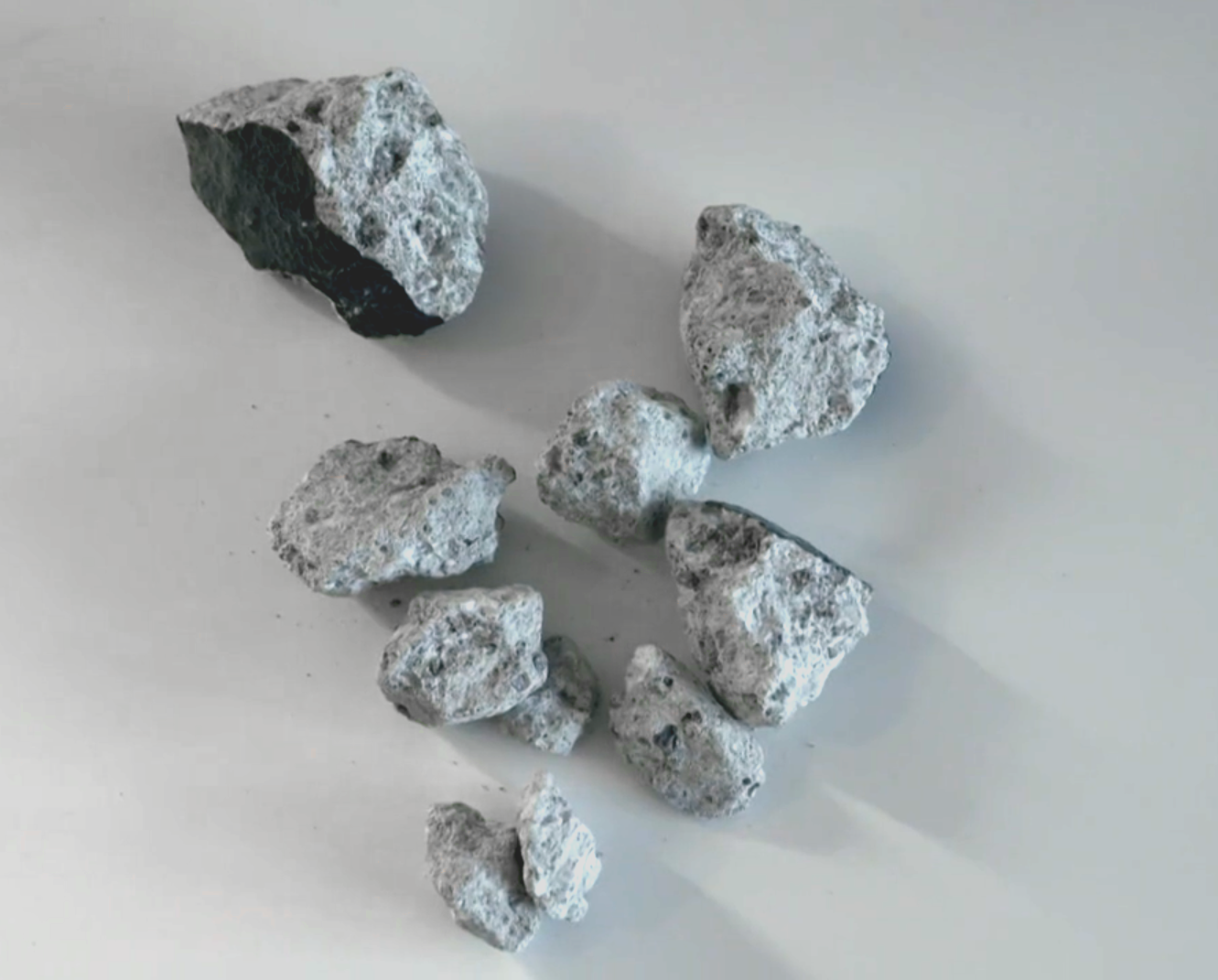
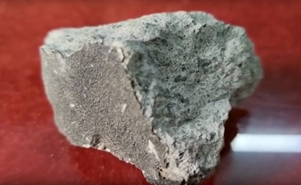
Smaller fragments of the mass which hit the roof. Photo: N-TV
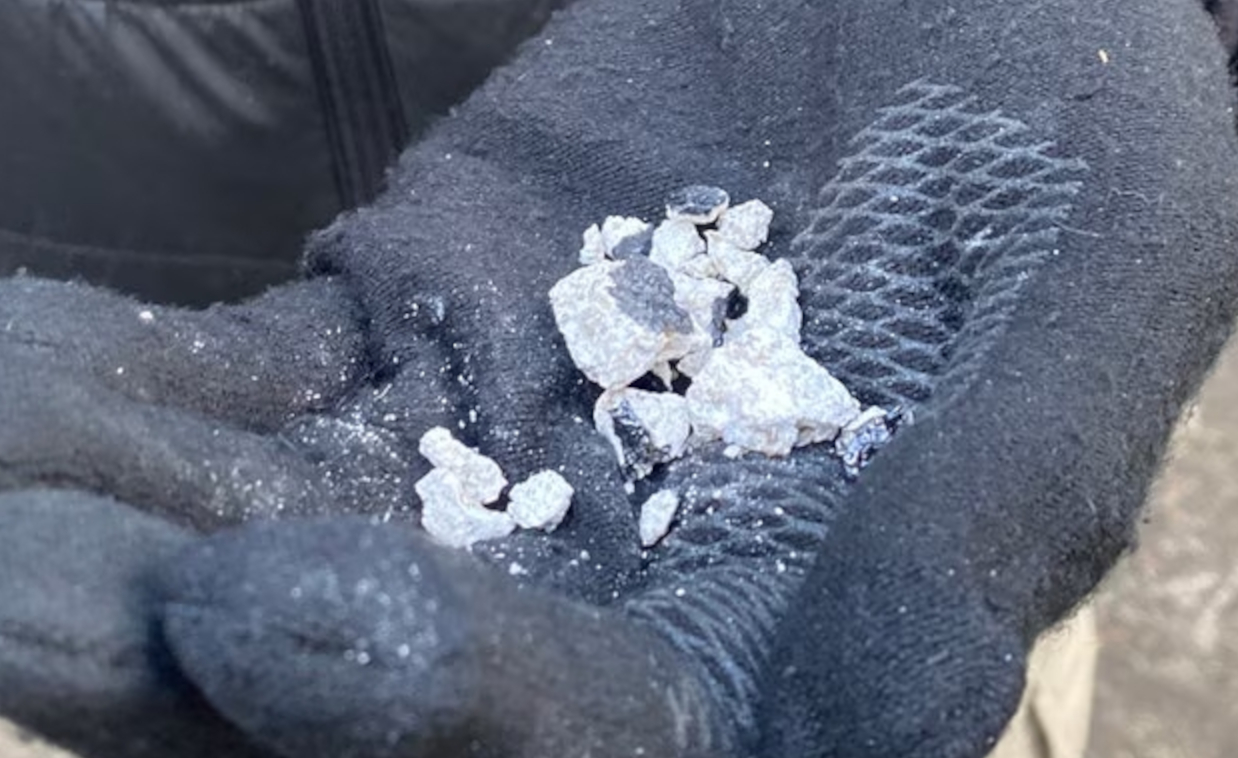
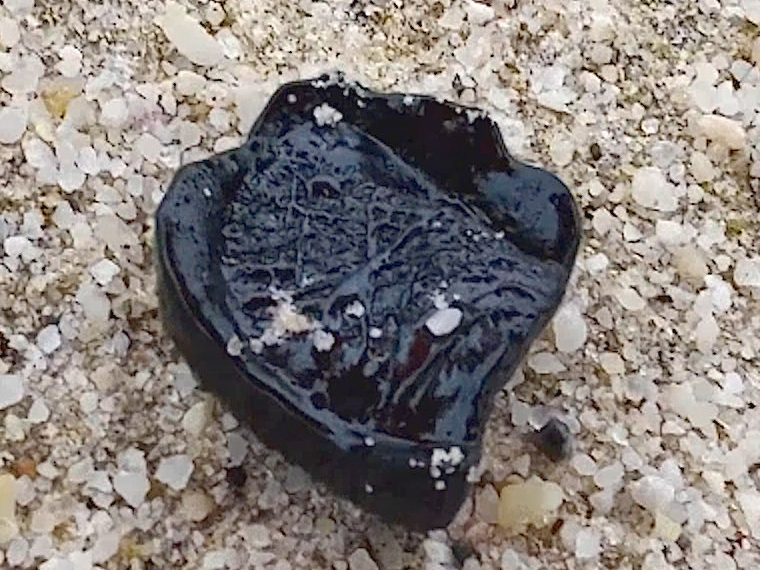
Smaller fragments acquired by Thierry Monter on 9 March 2026. Photo: SWR
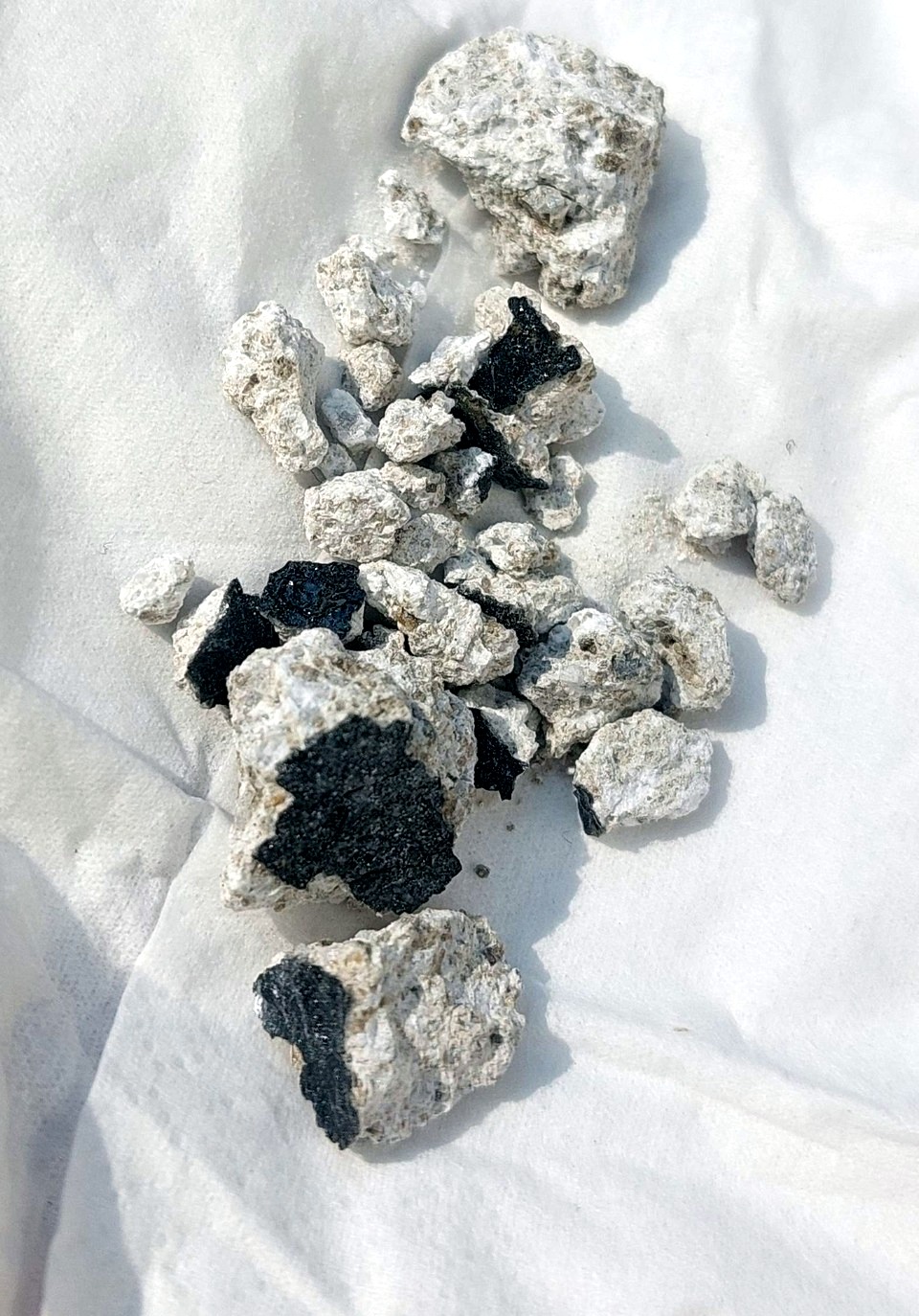
Smaller fragments acquired by Thierry Monter on 9 March 2026. The crusted fragment at the bottom of the photo weighs 1.28 gram. Photo: Frank Wilde-Kutsch
Impact location on the roof in Koblenz-Güls
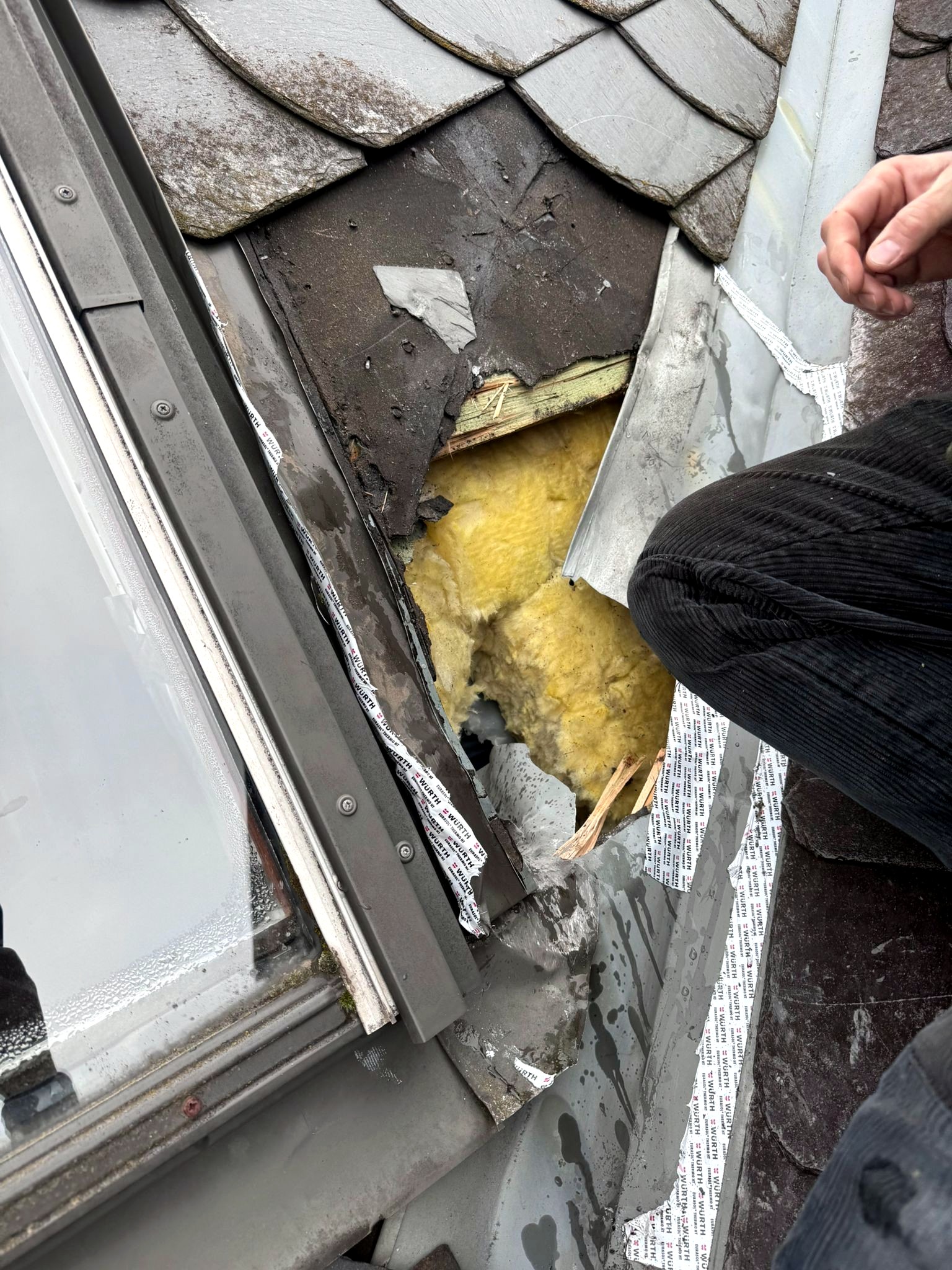
The damaged roof at the impact site, inspected before the reparation in March 2026. It took craftsmen one day to fix the roof. Photo: Bartkowiak-Bedachungen/Robert Bartkowiak
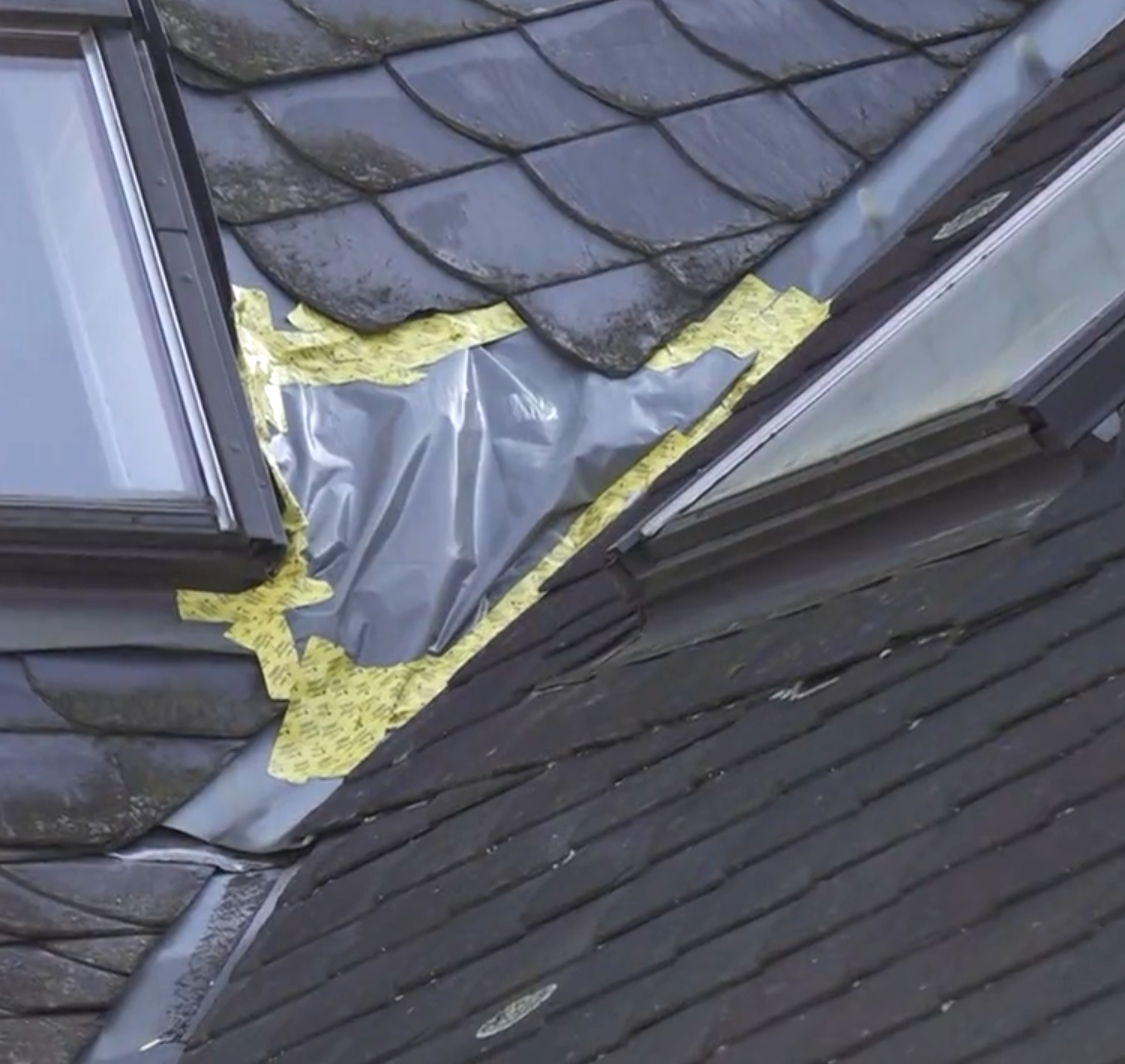
The fixed hole in the roof. Photo: SWR
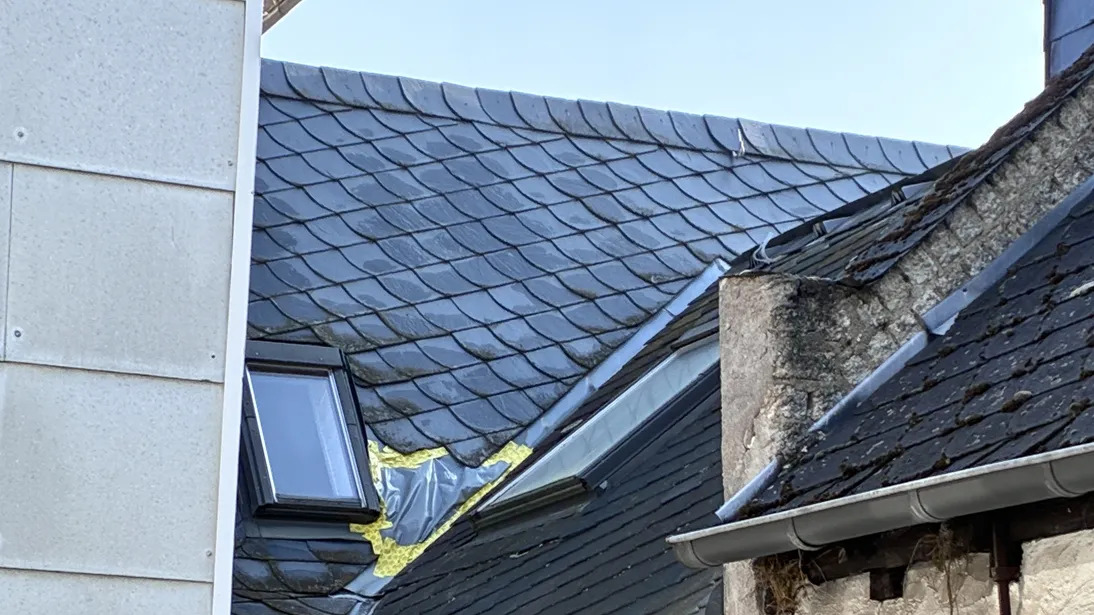
The fixed hole in the roof. Photo: Bild
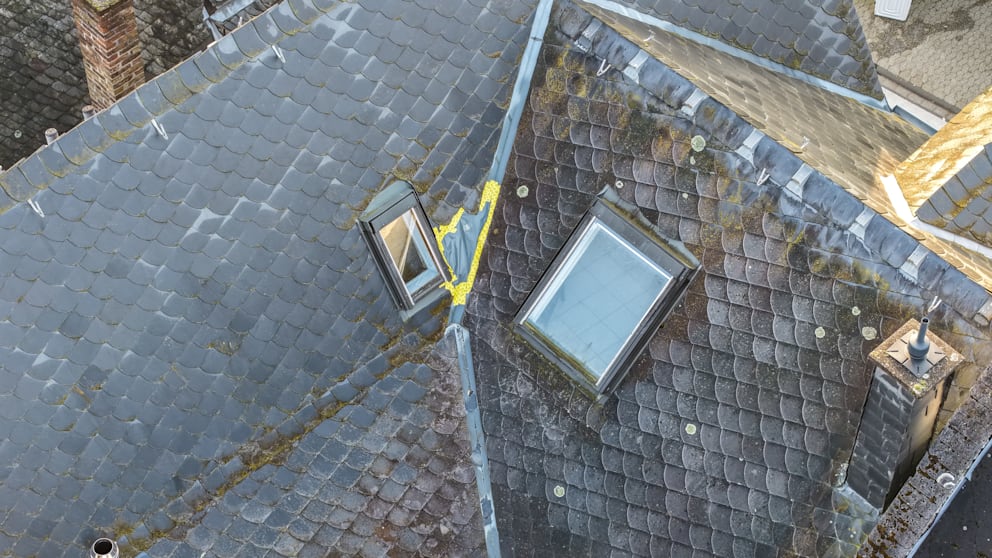
The fixed hole in the roof. Photo: Bild
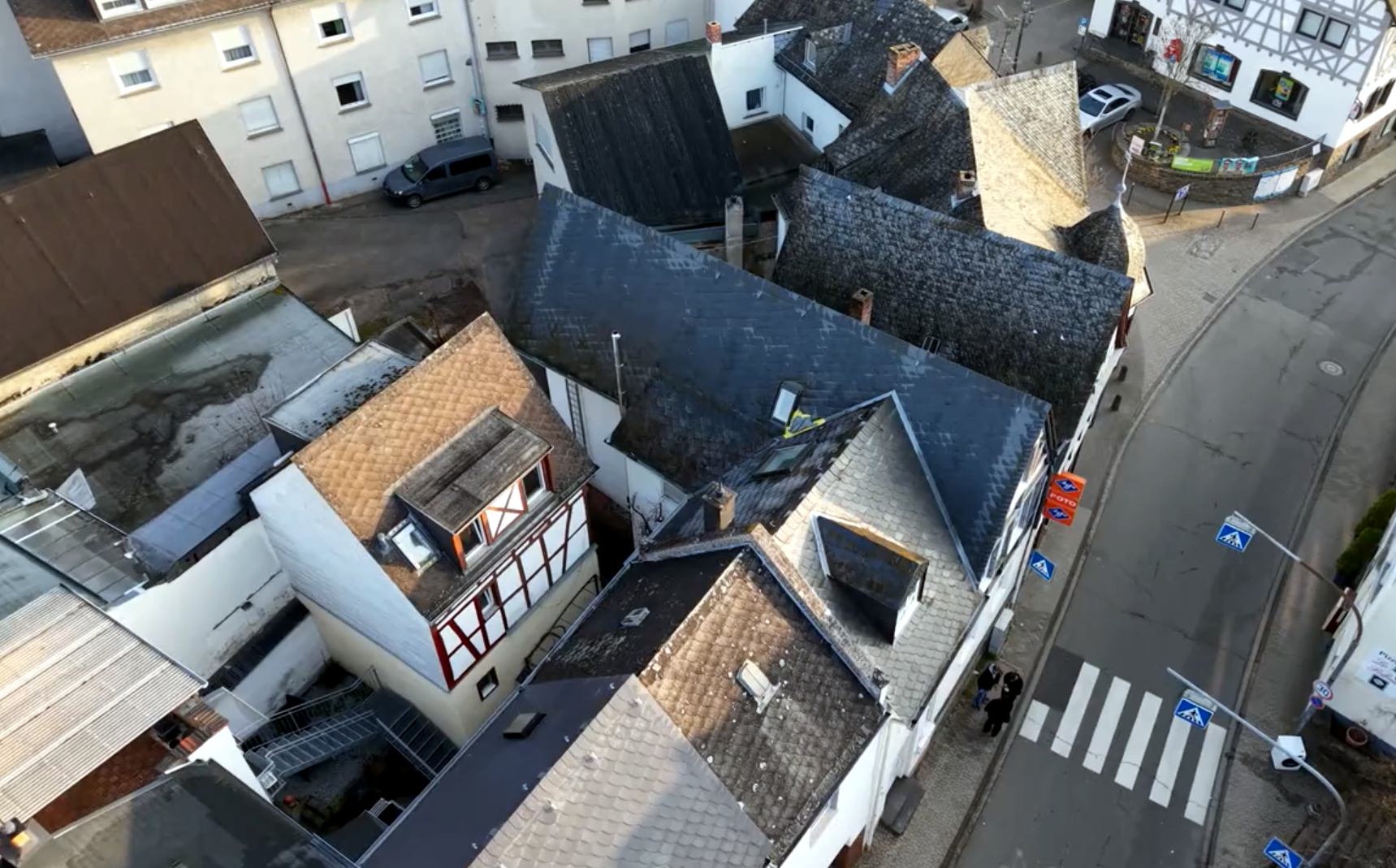
Impacted rooftop in ‘Am Mühlbach’ in Koblenz-Güls. Photo: Bild
The bolide
Bolide trajectory, as calculated by Geophysikalisches Institut (GPI) of the Karlsruher Instituts für Technologie (KIT)
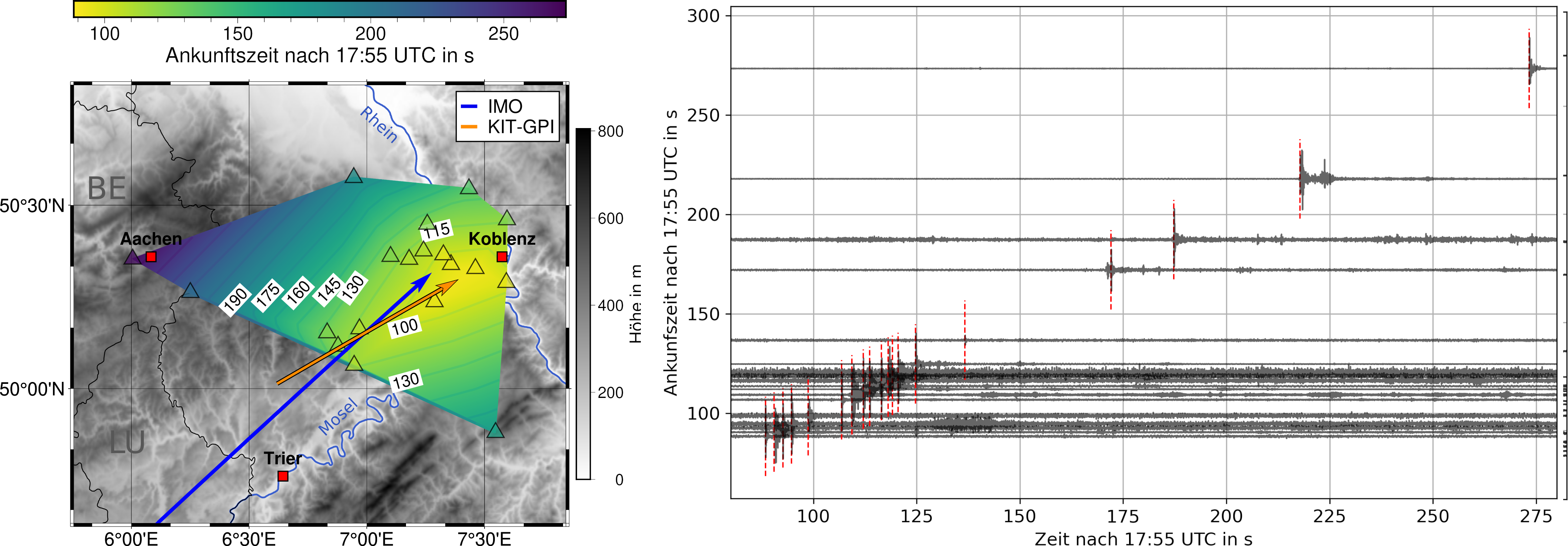
“Map view of the seismic measuring stations (colored triangles) and the calculated trajectories of the IMO (blue) and the KIT-GPI (orange). Right: Seismograms on which the meteoroid signal is marked with red dotted lines. (Graphic: Dario Eickhoff / KIT)”
The Luxembourg National Seismic Network provided its analysis on 10 March 2026.
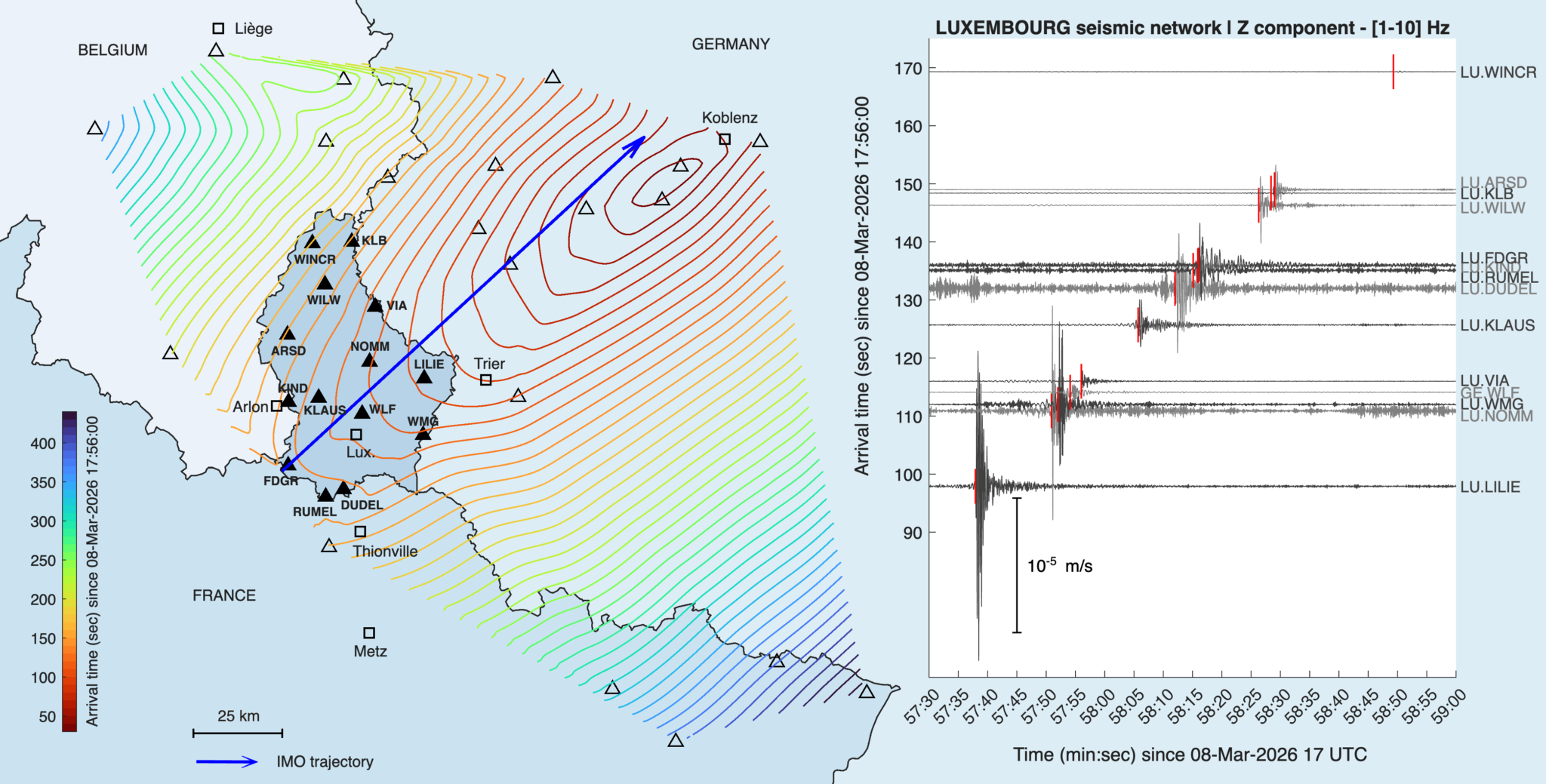
Image: European Center for Geodynamics and Seismology
“The figure shows the signal arrival times of the meteor burst at 34 seismic stations in Luxembourg and surroundings. The colored contour lines indicate the arrival times (30 to 440 sec) from 17:56 UTC on 8 March 2026. Filled triangles represent stations of the Luxembourg National Seismic Network (LuxSNet), open triangles are stations operated by partner institutions. The inset shows the seismic traces (vertical component) of the fireball signal over the LuxSNet stations. Red lines in the inset indicate the picked arrival times.”
Bolide recorded from Rettel, Département Moselle, France. The exact location of the camera position is very hard to determine. According to our own analysis of some visual features (roof of shed and high trees) within the image frame this recording could have been made from location 49°26’55.5″N, 6°20’07.7″E, which is rather close to the beginning of the bolide’s trajectory heading north-east, almost in the zenith above the camera location. If our estimation is correct, the camera location would be 132.08 km southwest from the impact site in Koblenz-Güls. Video published by Jah Rastafari, filmed by his brother
Bolide filmed from location 49°45’24.90″N, 6°55’27.91″E in Schönberg, Hunsrück, Rhineland-Palatinate. Video: unknown
Bolide above Trier. Video: Julian Krämer (juliankramer3075)
Bolide recorded by AllSkyCam AMS76 of Bernd Klemt in Herkenrath. Video: B. Klemt
Bolide recorded by AllSkyCam AMS50 of Uwe Baron in Karlsruhe. Video: U. Baron
Videos: AllSky7
Bolide, recorded from an interesting angle towards its trajectory, as it is moving almost towards the camera position. Captured by a weather cam which according to our own research can be found at this location 51°14’58.9″N, 8°49’18.8″E in 34497 Goldhausen (Korbach), about 134.78 km north-east from the fall site in Koblenz (Güls). Video: Marcel Fihlon (Stormchaser Korbach)
The bolide seen from a footpath in the fields, probably west of Gau-Odernheim, about 77.8 km southeast-to-south from the fall site. Video: Feuerwehr Gau-Odernheim
Bolide recorded from somewhere in Koblenz. Video: vslsmedia/muhammedoezkan (Muhammad Özkan)
Bolide recorded from somewhere in Polch, Mayen-Koblenz, Rhineland-Palatinate. Video: maxmohr15 (Max Mohr) Der genaue Standort der Kamera dieser wichtigen Aufnahme ist bisher leider unbekannt. Er würde aber für ein bessere Vermessung der Trajektorie des Boliden sehr nützlich sein. Sollten Sie der Urheber dieser Aufnahme sein, so teilen Sie uns bitte die genauen Standortdaten mit. Vielen Dank!
Bolide recorded from location 50°1’33.61″N, 7°15’27.80″E in Tellig, Rhineland-Palatinate, Germany. Video: Stef (stef2647)
Bolide recorded from a location near Daun (Eifel), Germany. Video: Patrick Heumüller. Der genaue Standort dieser wichtigen Aufnahme ist bisher leider unbekannt. Er würde aber für ein bessere Vermessung der Trajektorie des Boliden sehr nützlich sein. Sollten Sie der Urheber dieser Aufnahme sein, so teilen Sie uns bitte den genauen Standortdaten mit. Vielen Dank!
The bolide recorded from a point which, according to our own research, must be at location 49°55’28.6″N, 5°16’10.7″E in Ochamps (Libin), Luxembourg province, Belgium, about 168.92 km west-to-southwest from the fall site in Güls. Video: Pauline Bartiaux
The bolide recorded from location 48°56’34.1″N, 5°59’39.7″E in Villers-sous-Prény, Département Meurthe-et-Moselle, Lorraine, France, which is 191.77 km southwest from the impact site in Güls. Video published by Les Neigistes
Bolide seen in the north-east from location 48°46’10.8″N, 4°50’55.0″E in Pargny-sur-Saulx, Marne, France, which is 261.77 km south-west from the fall site in Güls. Video: Sandrine Fagnières (Rousseau)
The bolide recorded from Strasbourg, France. Video: Fabrice and Cécile Lang
The bolide recorded while driving north on the A35/E24 at location 48°33’57.0″N, 7°43’58.0″E, near Strasbourg. Video published by Observatoire astronomique de Strasbourg on 11 March 2026
While recording a cat outside Samuel Ternig captured the bolide in Oberthal, Saarland, Germany. Video published by Weltraum-Atelier (8 March 2026)
Bolide recorded from an unknown location in Germany. Video: 57jmsso
Bolide recorded from location 49°50’37.7″N, 8°07’11.9″E in Wörrstadt. Video: Luca Peppler
Bolide recorded by Michelle Roland from Neufchâteau in Belgium while filming a flock of birds. Video: Michelle Roland – L’emplacement exact de la caméra ayant filmé cette importante séquence est malheureusement inconnu à ce jour. Il pourrait toutefois s’avérer très utile pour mieux déterminer la trajectoire du bolide. Si vous êtes l’auteur de cette vidéo ou si vous connaissez l’emplacement exact de la caméra, merci de bien vouloir nous communiquer les coordonnées précises. Merci beaucoup !
Bolide recorded from location 50°43’59.8″N 5°39’54.6″E in Haccourt, Oupeye, Belgium, ~139.91 km west-to-northwest from the impact location in Koblenz. Video: Dav Id (8 March 2026, 20:14 CET)
The bolide recorded from location 50°38’17.4″N, 5°35’12.0″E in Liège, Belgium, which is 142.53 km west to west-northwest from the impact site in Güls. Video: David Bonet
Bolide recorded from location 49°33’07.4″N, 8°20’11.0″E in Frankenthal, Germany. This is about ~104.57 kilometres south-southeast from the fall site in Koblenz-Güls. Video: Holger Sonntag
Bolide recorded from Cologne, 82.95 kilometres from the fall site. Video: unknown
Video: Maik Matern
Video: Saskia Mäuler
From E411 motorway in Wallonie Belgium. Video: unknown
From B8 near entrance Schlosspark Heltorf, heading south. This is about 123.87 kilometres north-northwest from the fall site in Güls.
“Was ist das? — Was war das?“. Bolide recorded from location 50°57’31.3″N, 6°47’59.2″E in Pulheim, which is 86.34 km northwest of the fall site in Koblenz-Güls. Video: Mila Giese
According to our research this capturing of the bolide was recorded from location 49°11’56.3″N, 6°41’34.2″E in Creutzwald, France, which is 141.33 km south-southwest from the fall site in Güls. Video: reeefa96 (Clochette)
This recording of the bolide was captured from location 49°17’03.8″N 6°46’58.8″E in Bous, Saarland, Germany, which is 129.95 km south-southwest from the impact site. Video: Leon Urbex
A recording from location 48°56’11.2″N, 6°39’36.0″E in Morhange, France, which is 169.04 km south-southwest from the impact site. Video: Romane Lallemand
Bolide seen by Luna from Nordkirchen. Video published by radiokiepenkerl
MEDIA
Video: SWR (9 March 2026)
Video: ZDF (9 March 2026)