Xieite: A high-pressure polymorph of chromite in the Kopargaon ordinary chondrite
Monotrisha Dey, Amit Mandal
Journal of Earth System Science
Volume 134, article number 238, Published: 29 November 2025
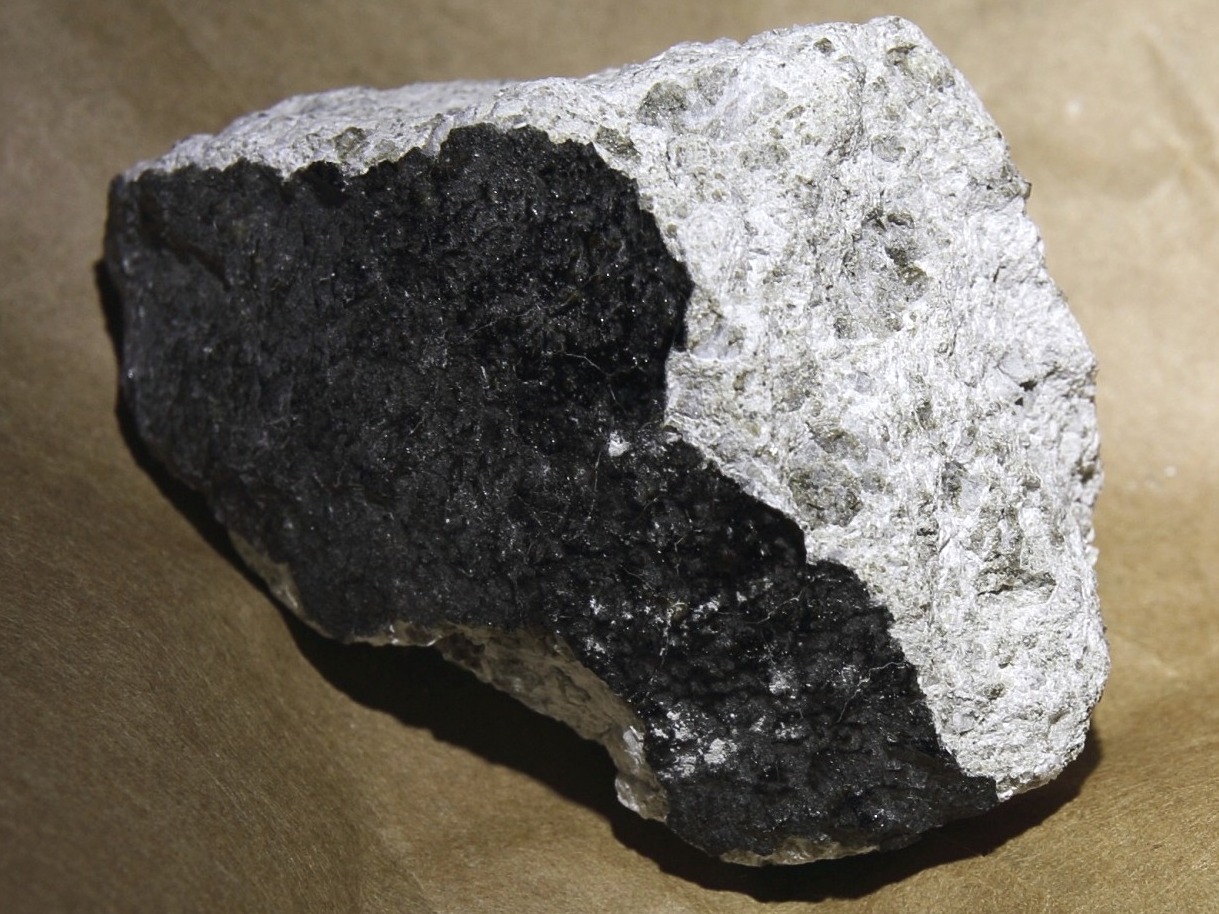
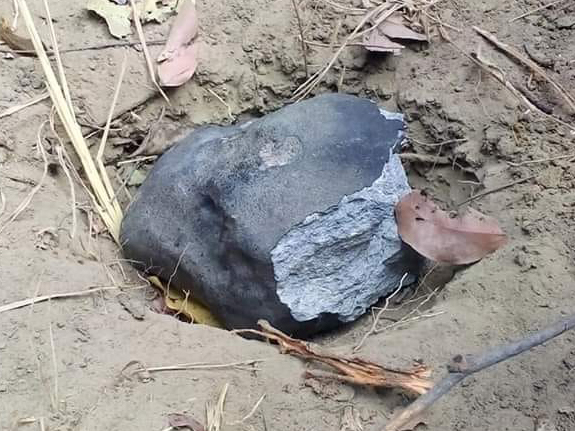
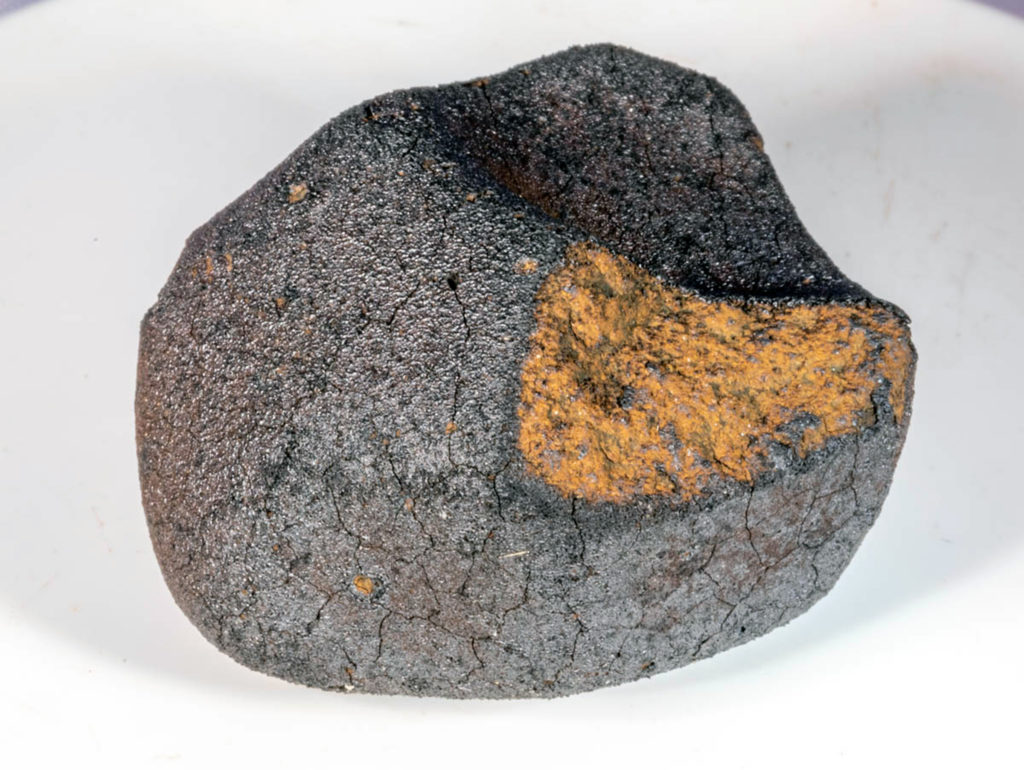
“Kopargaon ordinary chondrite, a monomict fragmented breccia, was recorded as a recent meteorite fall reported from Kopargaon taluk of Ahmednagar district, Maharashtra, India. LL5 and S2-3 are assigned as its petrologic type and low to moderate degree of shock stages, respectively. Here, we report the occurrence of chromite partially transformed to its high-pressure polymorph, namely xieite, in the highly pulverized silicate matrix. The presence of the mineral having a straight grain contact with olivine in the brecciated matrix makes it suitable for thermometric measurement using Fe–Mg ion exchange parameters. The calculated peak metamorphic temperature based on the Fe–Mg ion exchange between olivine and chromite ranges from 720° to 750°C with an average of 732°C. A detailed study of mineral chemistry has been done along with thermometric measurements. Also, a suitable analytical method, such as Raman spectroscopy, has been employed for the identification of any high-pressure polymorphic mineral phase. The targeted mineral phase in the brecciated matrix part of the Kopargaon meteorite shows a Raman spectrum with a strong peak at 684 cm−1, a peak at 602 cm−1, and smaller peaks at 493 and 362 cm−1. The Raman spectrum of chromite generally displays distinct peaks at 217, 280, 396, 595, and 680 cm−1. Scarcity of Shock Melt Vein (SMV) and absence of other characteristic high-pressure mineral phases mark this extra-terrestrial piece of rock as an example of a low to moderate intensity shocked meteorite, and these low to moderate intensity shock events were not enough to induce complete transformations from chromite to its high-pressure polymorph called xieite.”