The Surface Mineralogy of the Spinel-rich Asteroids from Mid-infrared Spectroscopy with JWSTOPEN ACCESS
Katherine de Kleer, Bethany L. Ehlmann, Seth A. Jacobson, Ian Wong, François L.H. Tissot, Audrey C. Martin, Melissa D. Lane and Oliver R.T. King
The Planetary Science Journal, Volume 7, Number 2
LINK (OPEN ACCESS)
PDF (OPEN ACCESS)
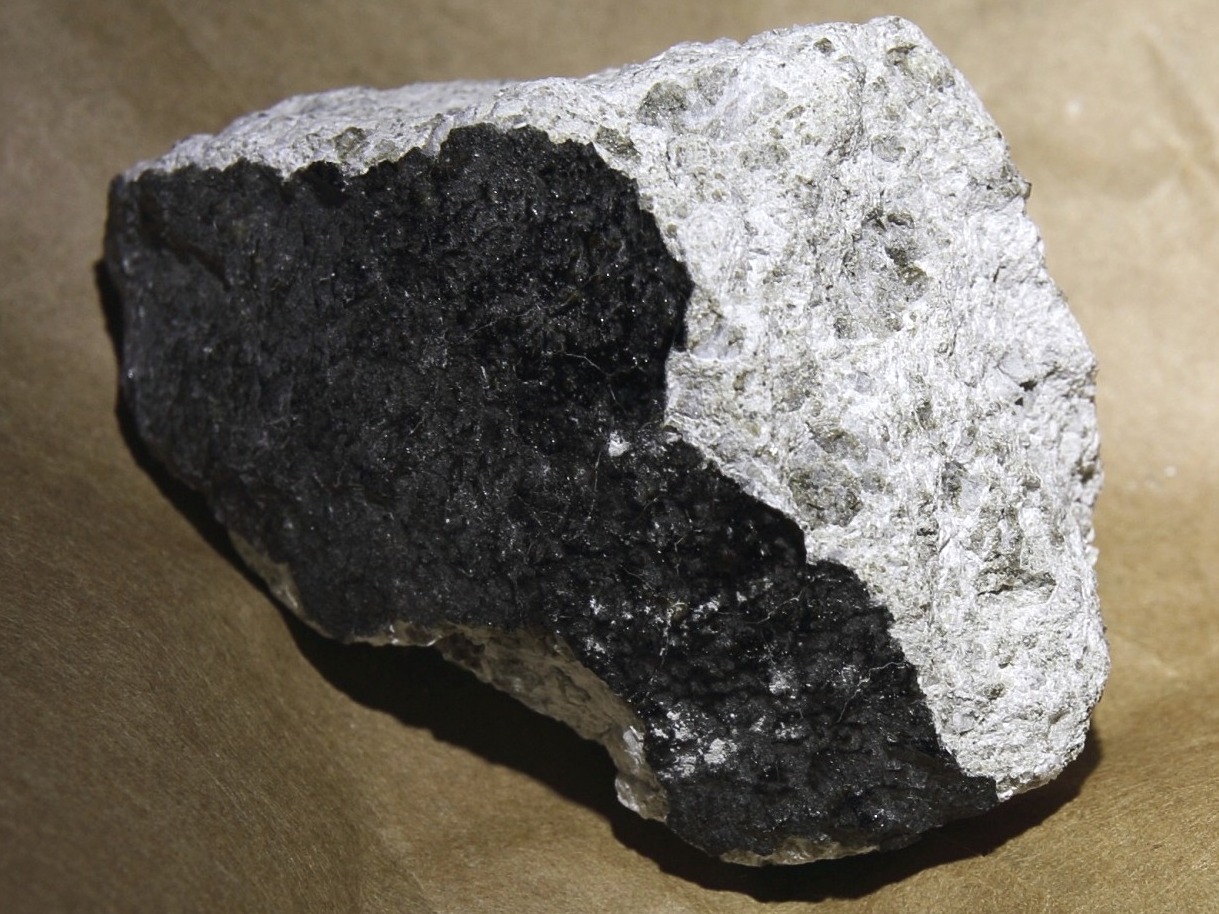
“The “Barbarian” L-type asteroids are purported to contain a high abundance of calcium–aluminum inclusions (CAIs), the oldest solar system solids, based on the dominance of the mineral spinel in their near-infrared spectra. We observed a sample of five objects of this class at 5–28 μm with the Medium-Resolution Spectrometer mode of the Mid-Infrared Instrument on the James Webb Space Telescope. The spectra indicate high-porosity (85%–97% porosity) particulate regolith (<30 μm particles) made up of Mg-rich crystalline olivine (Fo 80–100), with an additional component that could be spinel or amorphous olivine. The spectra of these objects closely resemble that of the oxidized CV3 chondrite Allende. The asteriod spectra additionally exhibit features at 5.75, 6.2, and 7.55 μm that are not definitively identified but may arise from infall of C-bearing materials. These data complement existing visible to near-infrared data of the same targets, which indicate the presence of spinel and minimal hydroxylation, demonstrating the value of multiwavelength spectroscopy to get a more complete picture of the surface compositions of asteroids. The multiwavelength data consistently demonstrate a strong resemblance between the L-type asteroids and CV3 (or possibly CO3) chondrites. The spectra do not require an enhancement in CAI content above that of CV3 chondrites, but the lack of laboratory data prevents a quantitative constraint on CAI content for now. The dominance of crystalline olivine with a high Mg/Fe ratio, and minimal evidence for hydration suggest either an anhydrous formation in the inner solar system, or formation in the outer solar system followed by high-temperature alteration and dehydration.”