Dating Young, Low-K Martian Meteorites with an In Situ K–Ar Isochron Technique for Mars MissionsOPEN ACCESS
Hikaru Hyuga, Yuichiro Cho, Yayoi N. Miura, Takashi Mikouchi and Seiji Sugita
The Planetary Science Journal, Volume 7, Number 2
LINK (OPEN ACCESS)
PDF (OPEN ACCESS)
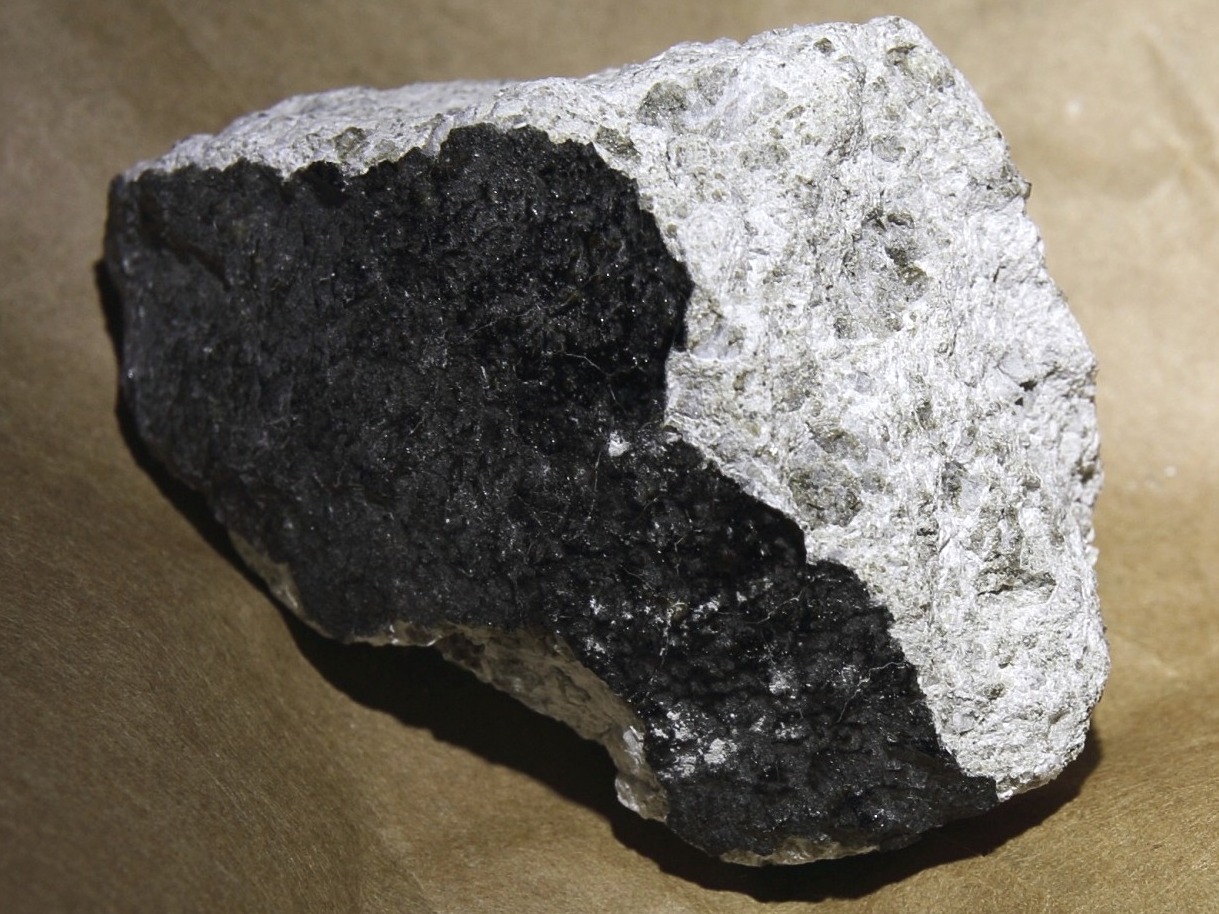
“Accurate age determination is fundamental to advancing our understanding of planetary evolution. While sample-return missions provide the most accurate age measurements, in situ methods via one-way missions offer a significantly lower-cost alternative, enabling more frequent mission opportunities. The K–Ar isochron method, which combines spot-by-spot analysis using laser-induced breakdown spectroscopy (LIBS) for K and mass spectrometry (MS) for Ar, shows promise for in situ age dating since LIBS and MS have been used in planetary missions. Previous studies analyzed K-rich terrestrial rocks and chondrites using this LIBS–MS method. Martian meteorites, the only available samples of Martian rocks, are crucial for validating this technique for Mars missions. However, their low K concentrations and young ages have precluded measurements using this method. To overcome these challenges, we updated a LIBS–MS instrument for in situ K–Ar dating and applied it to three Martian meteorites: NWA 817, Zagami, and NWA 1068. We obtained isochron ages of 1351 ± 337 Ma, 165 ± 74 Ma, and 122 ± 163 Ma (2σ), respectively, in agreement with previously reported crystallization ages. The amounts of nonradiogenic 40Ar estimated using the y-intercept on the isochron plot are also consistent with those of previous studies. Our results suggest that this instrument is sufficiently precise to calibrate Martian crater age models and determine the absolute ages of young volcanic activity on Mars in the Amazonian period.”