High Resolution Microscopy and Raman Spectroscopic Studies on the Freshest Mukundpura Meteorite, Rajasthan, India: Presence of NanodiamondOPEN ACCESS
D. Chandrasekharam,U. Govind,R. P. Tripathi,T. H. Amir,K. M. Sairam,D. B. E. Rafal,A. Dixit
Accepted for Publication in Bull. Min. Res. Exp. (2024)
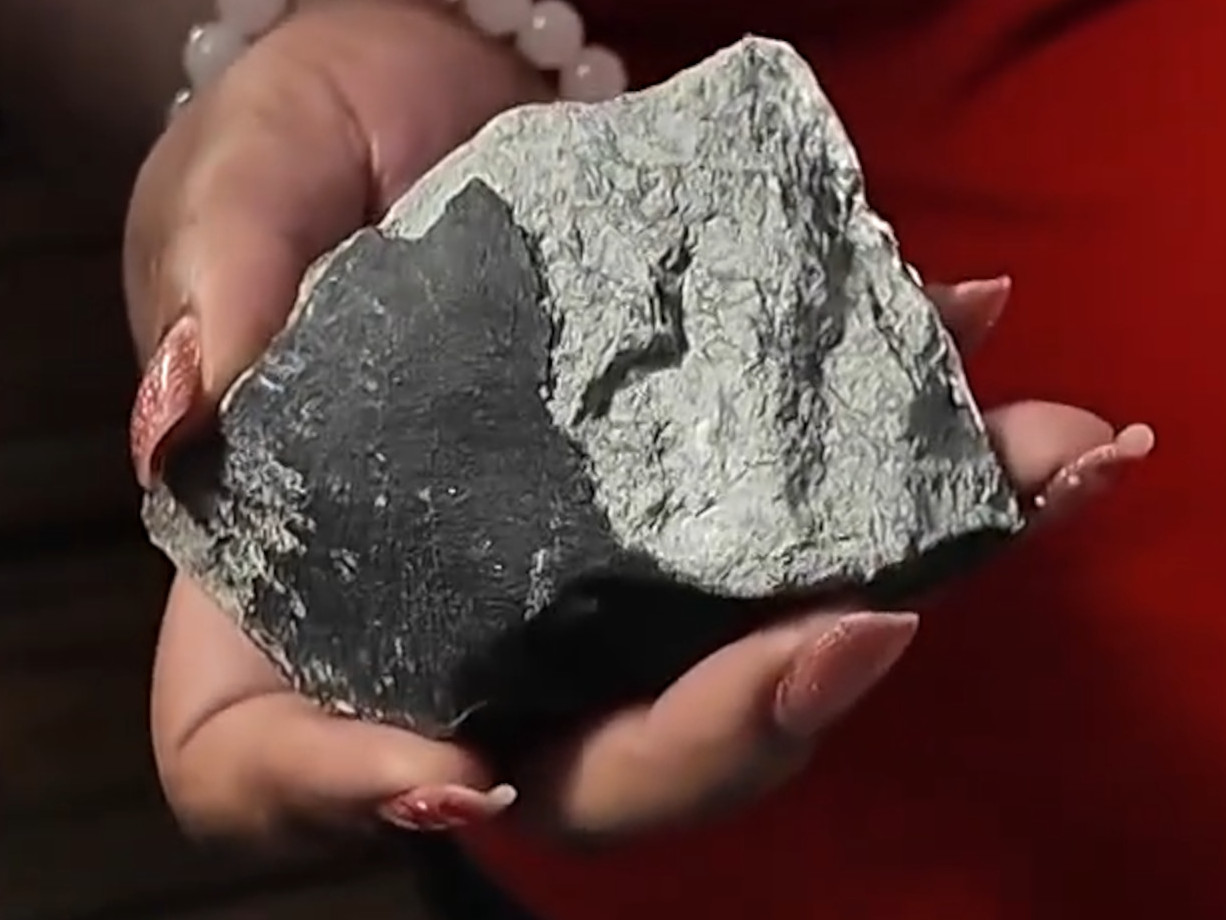
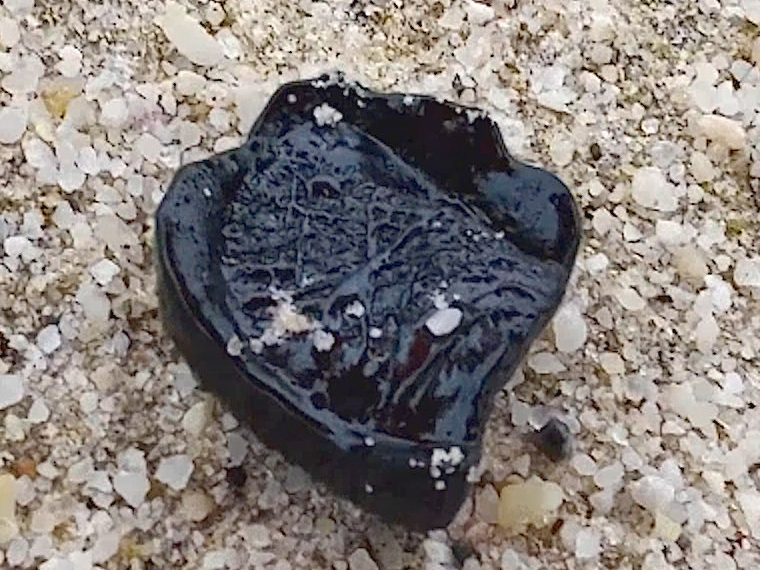
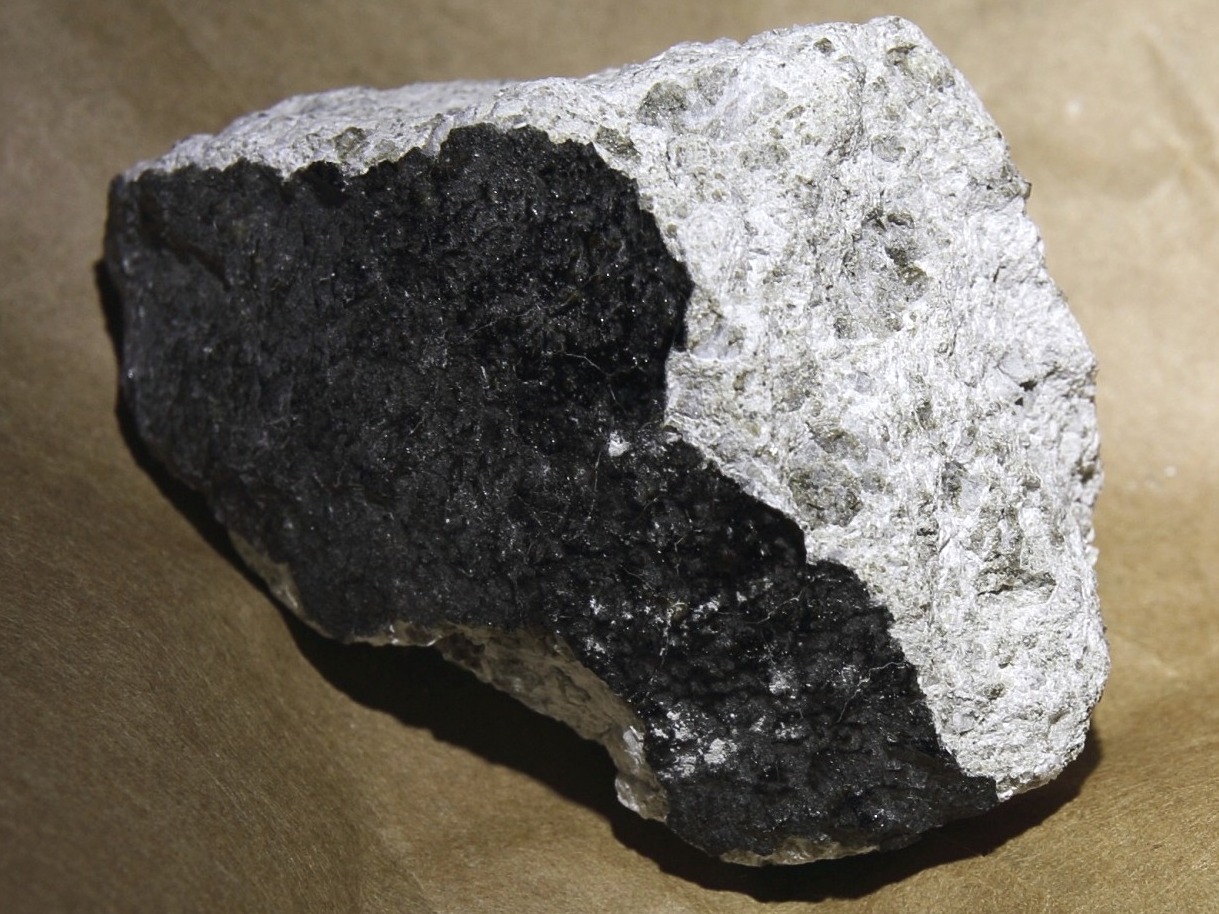
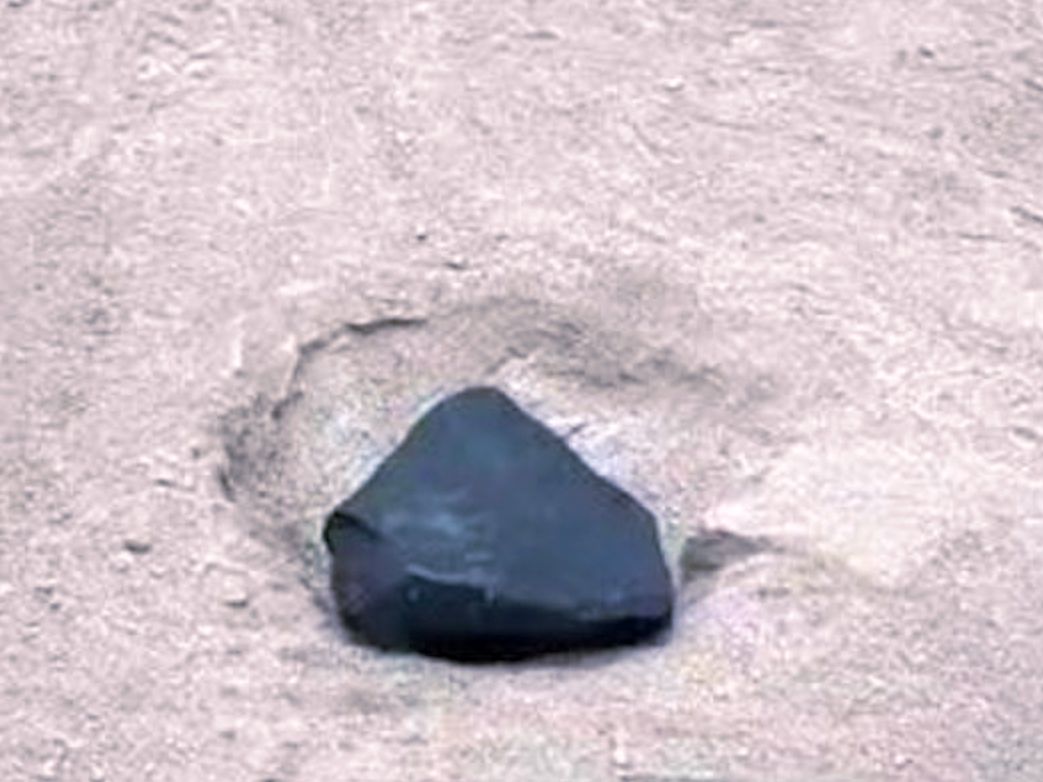
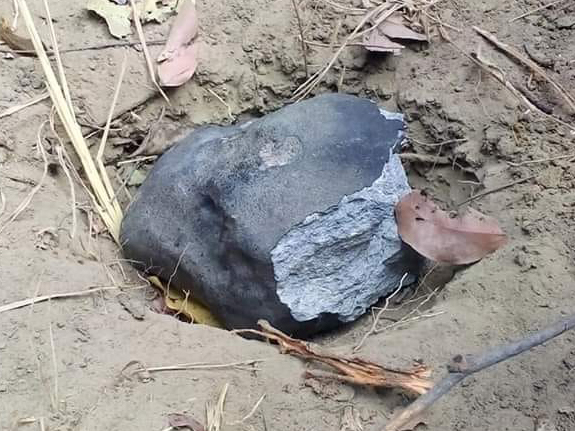
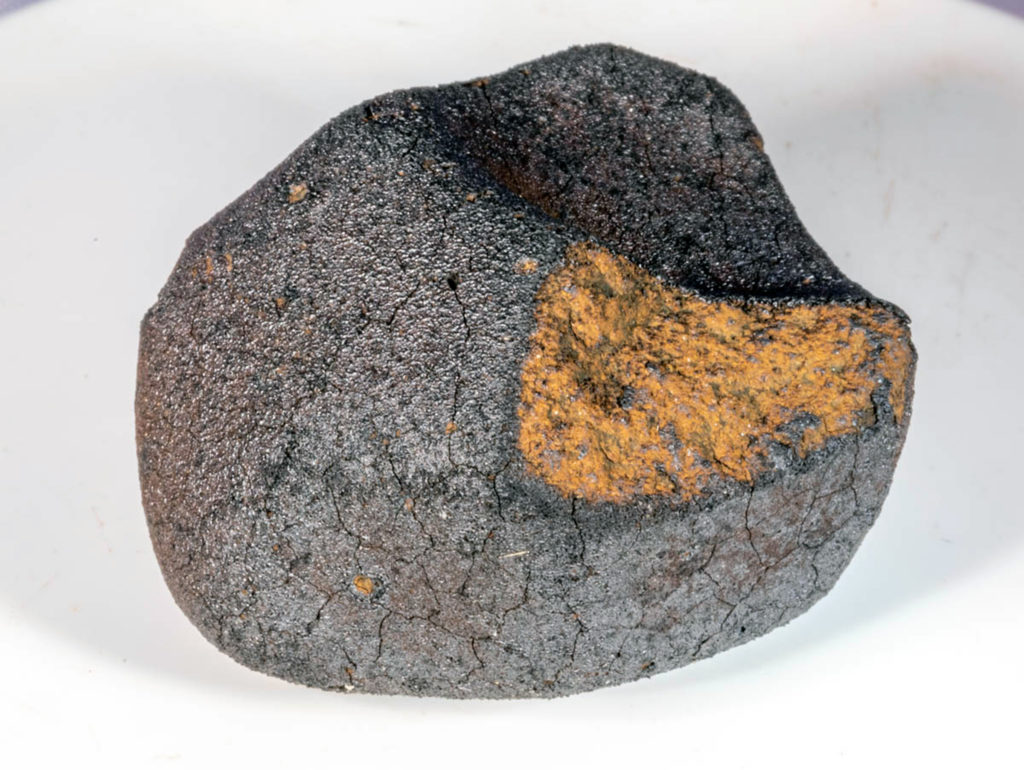
“Carbonaceous Chondrites have special significance in the stellar evolution and in particular in the evolution of life on earth. The carbonaceous meteorite that fell in Mukundpura village, Jaipur, Rajasthan on 6th June 2017 is one such rare CM2 (Carbonaceous Chondrite) carbonaceous meteorite. We carried out high resolution scanning and transmission electron microscopic (TEM) studies on typical thin sections, showing abundant grains of iridium (Ir), pentlandite (NiS), and more interestingly crystalline carbon (C). These crystallite carbon grains resemble nanodiamond like signature in the freshest Mukundpura meteorite. The high-resolution Raman spectroscopic measurements are carried out on the crystalline carbon grains, showing well resolved three distinct peaks with a vibrational mode at 1315 cm-1, with the onset of a weak vibrational mode at 1150 cm^-1, substantiating the observation of nanocrystalline diamond in Mukundpura meteorite. The broad peak centered at 1360 cm^-1 and 1575 cm^-1 (as an average), suggest the presence of graphitic carbon as well together with apparent presence of nanocrystalline diamond. The average size of nanocrystalline diamond is ~ 3-5 nm. High iridium content in this meteorite supports the meteoric impact related iridium anomaly in geological stratigraphic boundaries (this http URL-Tertiary boundary) that has caused mass extinction of flora and fauna.”