Low thermal inertia of carbonaceous asteroid Bennu driven by cracks observed in returned samplesOPEN ACCESS
A. J. Ryan, R.-L. Ballouz, R. J. Macke, T. Ishizaki, A. Alasli, J. Biele, S. A. Eckley, C. G. Hoover, K. Jardine, A. J. King, C. P. Opeil, M. Pajola, F. Tusberti, J. J. Barnes, H. C. Bates, E. L. Berger, E. B. Bierhaus, C. Calva, S. Cambioni, F. Cheng, M. Delbo, D. N. DellaGiustina, J. P. Dworkin, C. M. Elder, J. P. Emery, J. Freemantle, R. Fujita, D. P. Glavin, C. Gonzalez, P. Haenecour, V. E. Hamilton, R. D. Hanna, L. T. J. Hanton, R. Harrington, A. R. Hildebrand, D. H. Hill, K. Ishimaru, E. R. Jawin, M. K. Kontogiannis, N. G. Lunning, T. J. McCoy, J. L. Molaro, M. Montoya, H. Nagano, E. W. O’Neal, J. Plummer, K. Righter, N. Sakatani, P. Sánchez, P. F. Schofield, M. A. Siegler, S. Tanaka, T. J. Zega, C. W. V. Wolner, H. C. Connolly Jr. & D. S. Lauretta
Nature Communications, Published: 17 March 2026
LINK (OPEN ACCESS)
PDF (OPEN ACCESS)
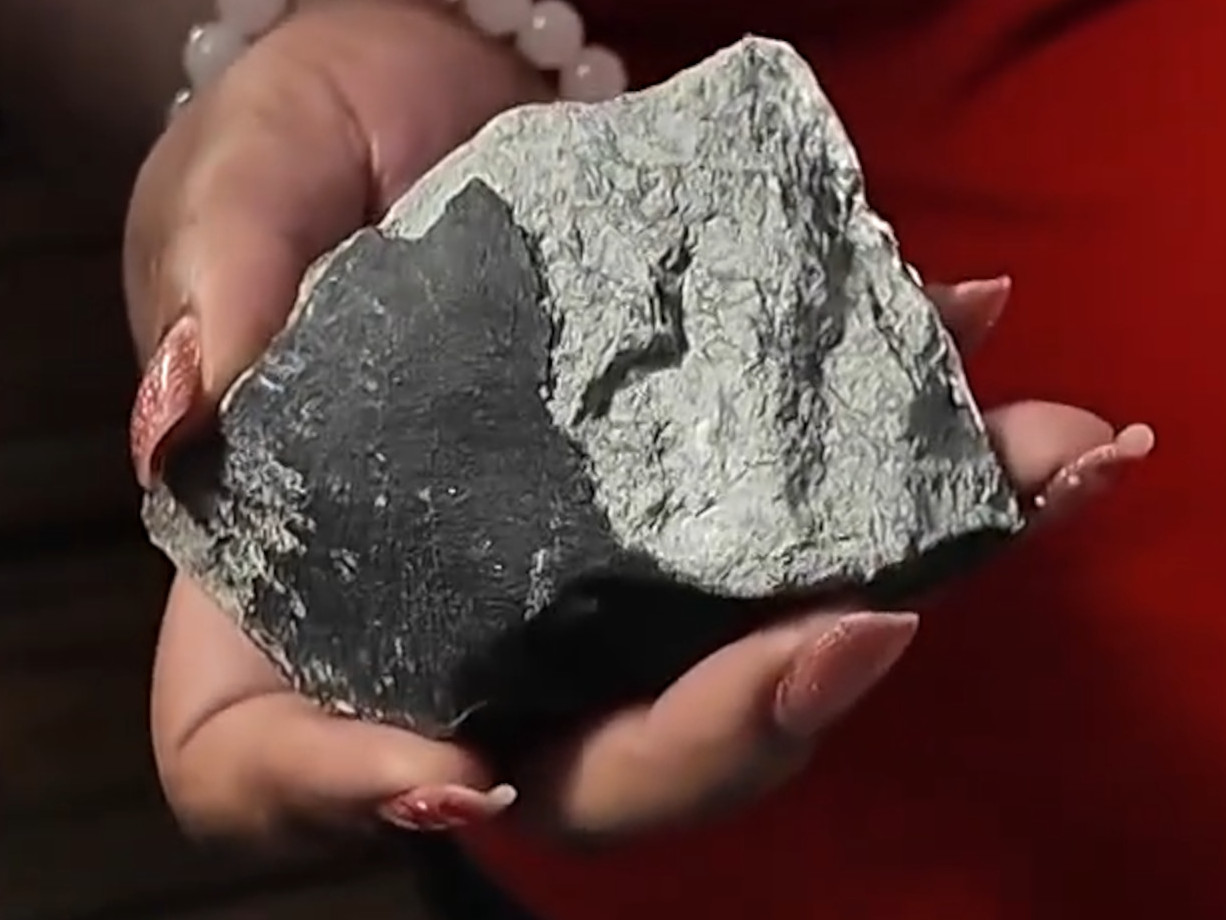
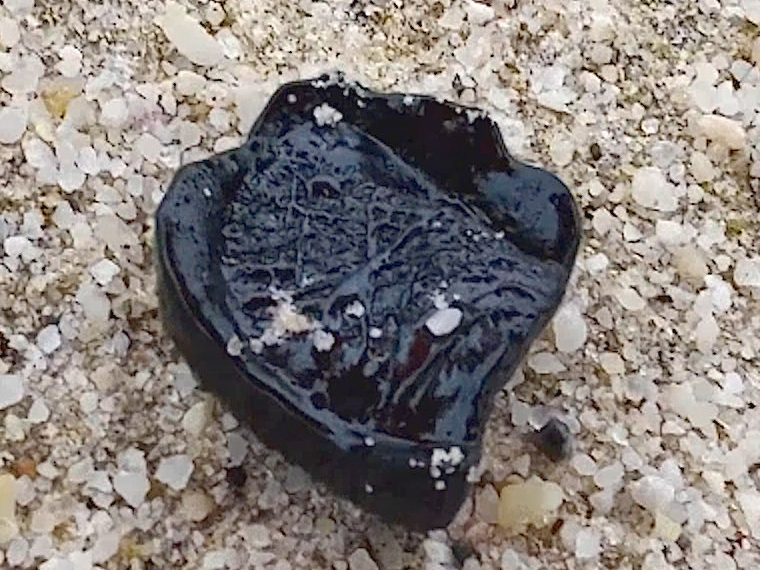
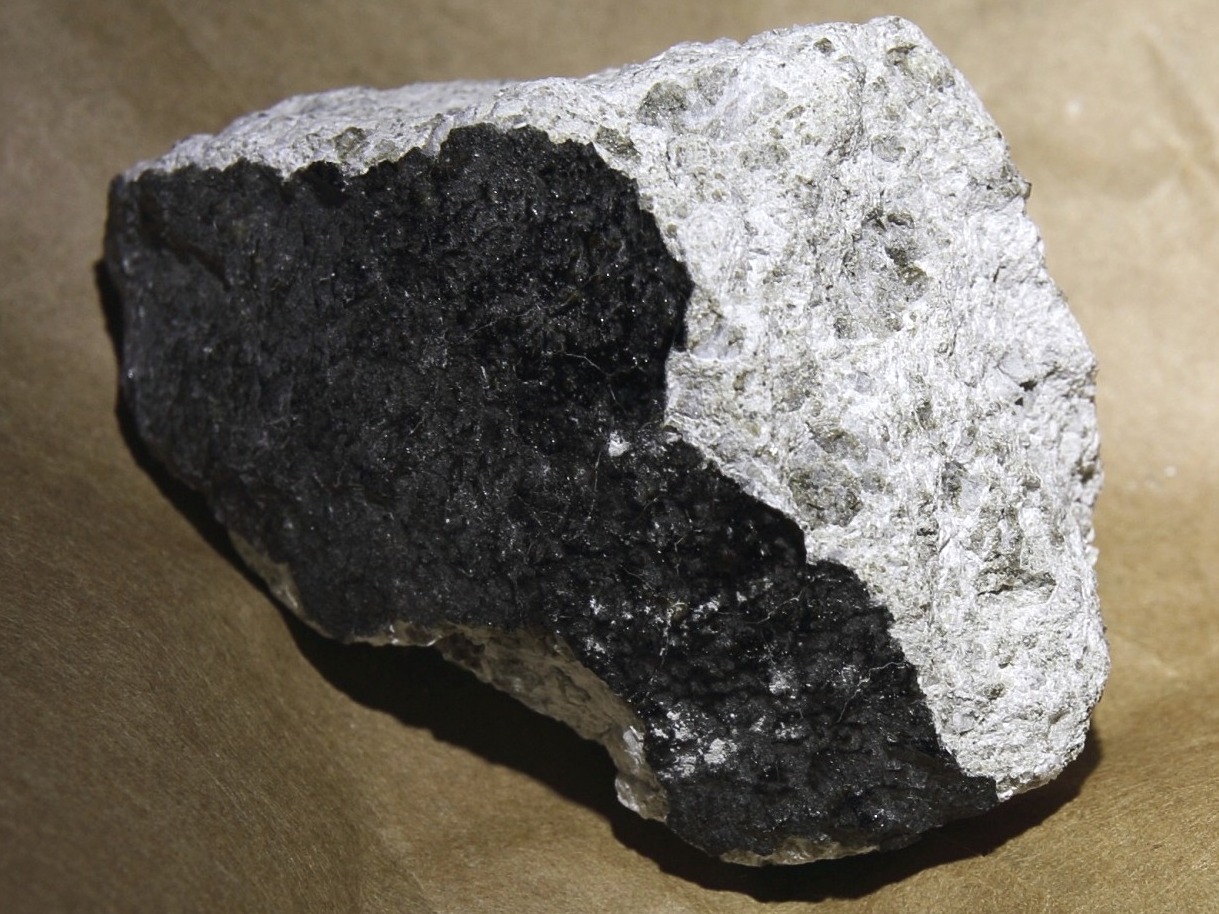
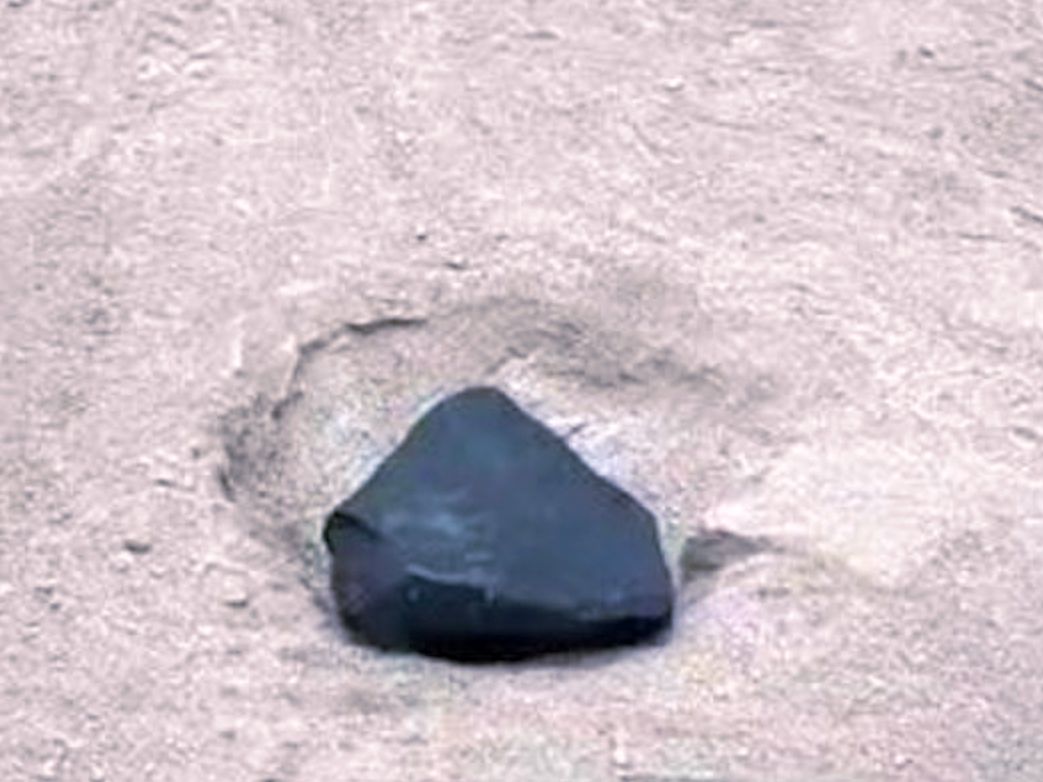
“Thermal inertia is used to infer physical properties of asteroid surfaces. The carbonaceous asteroid Bennu has low thermal inertia suggestive of a surface covered in sub-centimeter rock fragments. However, spacecraft observations revealed that Bennu is instead blanketed by boulders of differing physical properties, with the most abundant population displaying very low thermal inertia compared to carbonaceous chondritic meteorites. Here we show that morphologically distinct particles in samples returned from Bennu also possess distinct thermal and physical properties, consistent with their genetic connection to the boulders. Angular particles have higher thermal inertia, greater hardness, and fewer but longer cracks that lead to more efficient splitting, relative to the hummocky particles. A hummocky particle exhibits low thermal inertia at sub-millimeter scales due to fine pores. Tortuous crack networks in hummocky particles further reduce thermal inertia while resisting disaggregation. Samples from Ryugu, a carbonaceous asteroid with similarly low thermal inertia, have cracks like those in Bennu’s hummocky particles yet have bulk densities that indicate lower porosity. These observations imply that the low thermal inertia of both asteroids is driven by cracks in rocks resulting from geological processes within the parent body or, more recently, micrometeoroid impacts and thermal fatigue.”