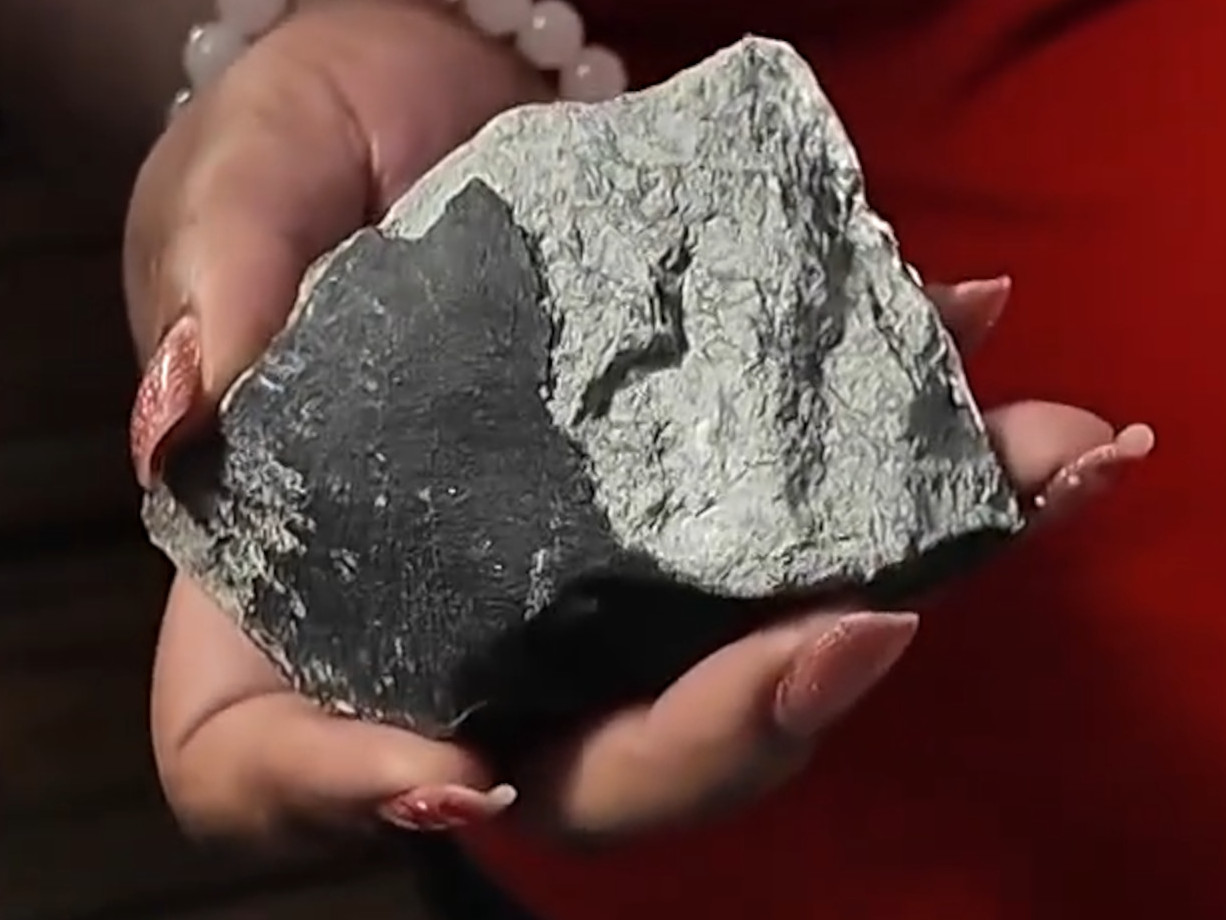
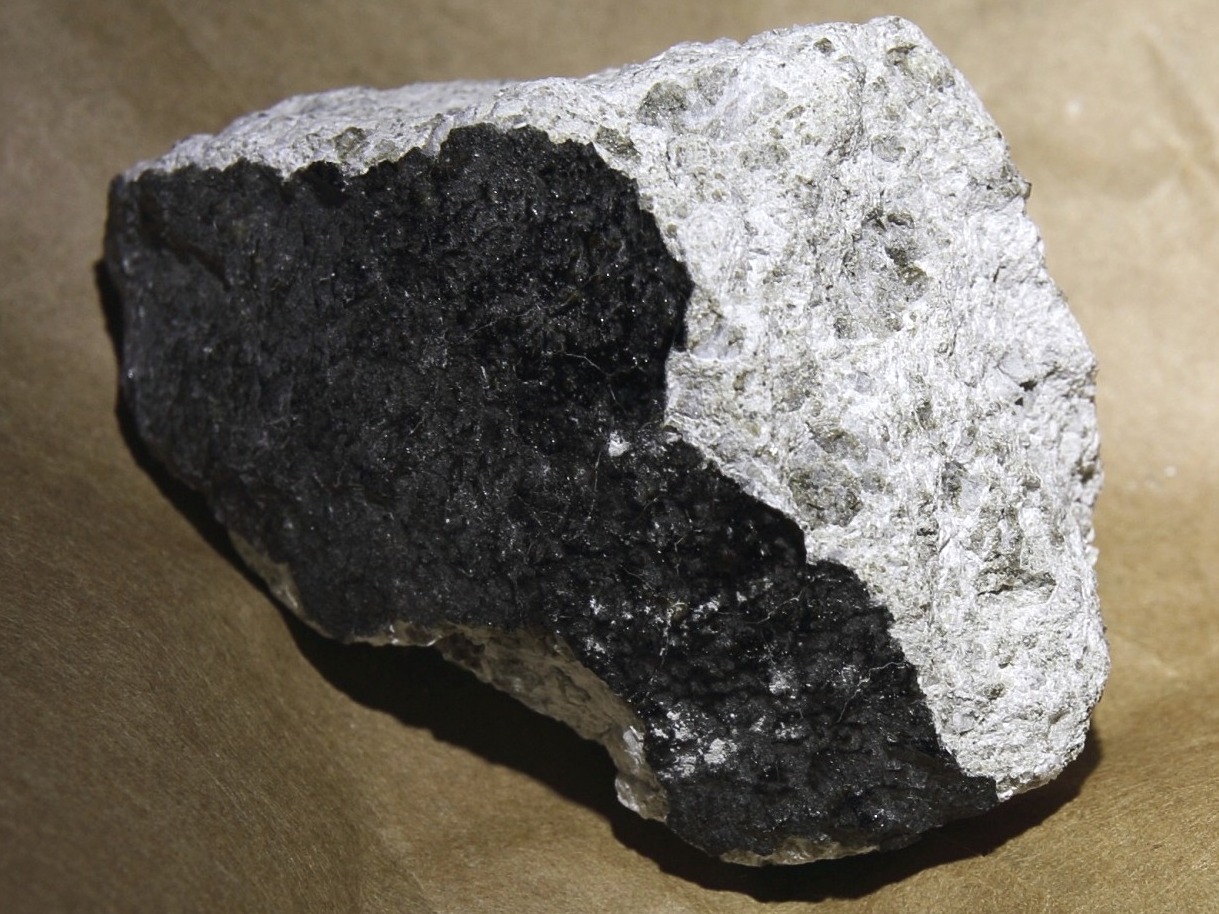
Shock Metamorphic Effects in Feldspar in Martian Regolith Breccia: Measurement, Quantification, and Implications
Fengke Cao, Roberta L. Flemming, Matthew R. M. Izawa, Liane Loiselle, Veronica E. Di Cecco, Kimberly T. Tait, Takuya Moriguti, Victoria L. Houde, Takuo Okuchi, Brendt C. Hyde, Desmond E. Moser, Gordon R. Osinski, Carl B. Agee, Anthony J. Irving
JGR Planets, First published: 25 March 2026
“Northwest Africa (NWA) 7034 and its paired meteorites represent polymict regolith breccias derived from the ancient Martian crust. We employed micro-X-ray diffraction and Raman spectroscopy to quantitatively assess impact-induced metamorphism in plagioclase and alkali feldspar. Strain-related mosaicity (SRM) was measured via full width at half maximum in the Debye ring or chi (χ) dimension (FWHMχ) from 2D XRD images. A total of 149 plagioclase and 21 alkali feldspar grains were analyzed. Plagioclase exhibits FWHMχ values from 0.5° to 10.9°, and alkali feldspar shows a range of 2.1°–9.7°. Plagioclase grains record peak shock pressures from 0 GPa (unshocked) to 28–30 GPa based on calibrations for experimentally shocked andesine. Approximately 26% of grains show no detectable shock deformation (<1.0 GPa), while ∼4% preserve evidence of severe shock (>21.0 GPa), indicative of exposure to at least moderate shock metamorphism prior to ejection from Mars. Alkali feldspar records higher apparent peak pressures, possibly spanning 4.7–28.5 GPa. Martian crustal minerals experienced highly heterogeneous shock effects, which highlights the complex and varied impact histories of feldspar minerals during the impact-induced brecciation process. Pressure differences between plagioclase and alkali feldspar may reflect distinct source regions, pre-lithification shock events, or differing shock responses. This study highlights the importance of multi-mineral analytical approaches to enhance the accuracy of shock pressure quantification in Martian regolith breccias and to reconstruct the planet’s impact processes. This methodology should also be applied to other extraterrestrial samples to characterize shock effects across planetary bodies in the solar system.”