Carbonaceous Chondrites provide evidence for late-stage planetesimal formation in a pressure bumpOPEN ACCESS
Nerea Gurrutxaga, Joanna Drazkowska, Vignesh Vaikundaraman, Thorsten Kleine
Accepted for publication in ApJ, draft version April 21, 2026
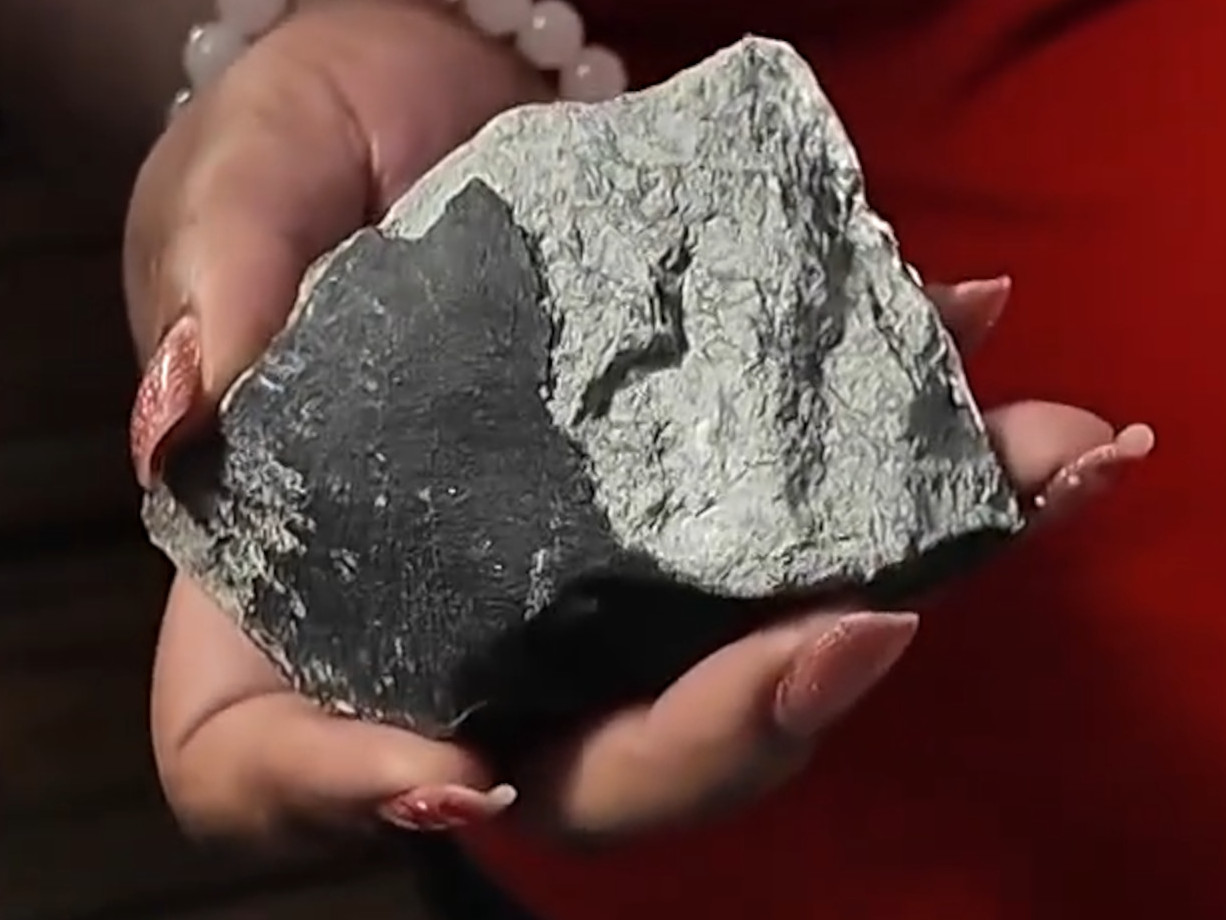
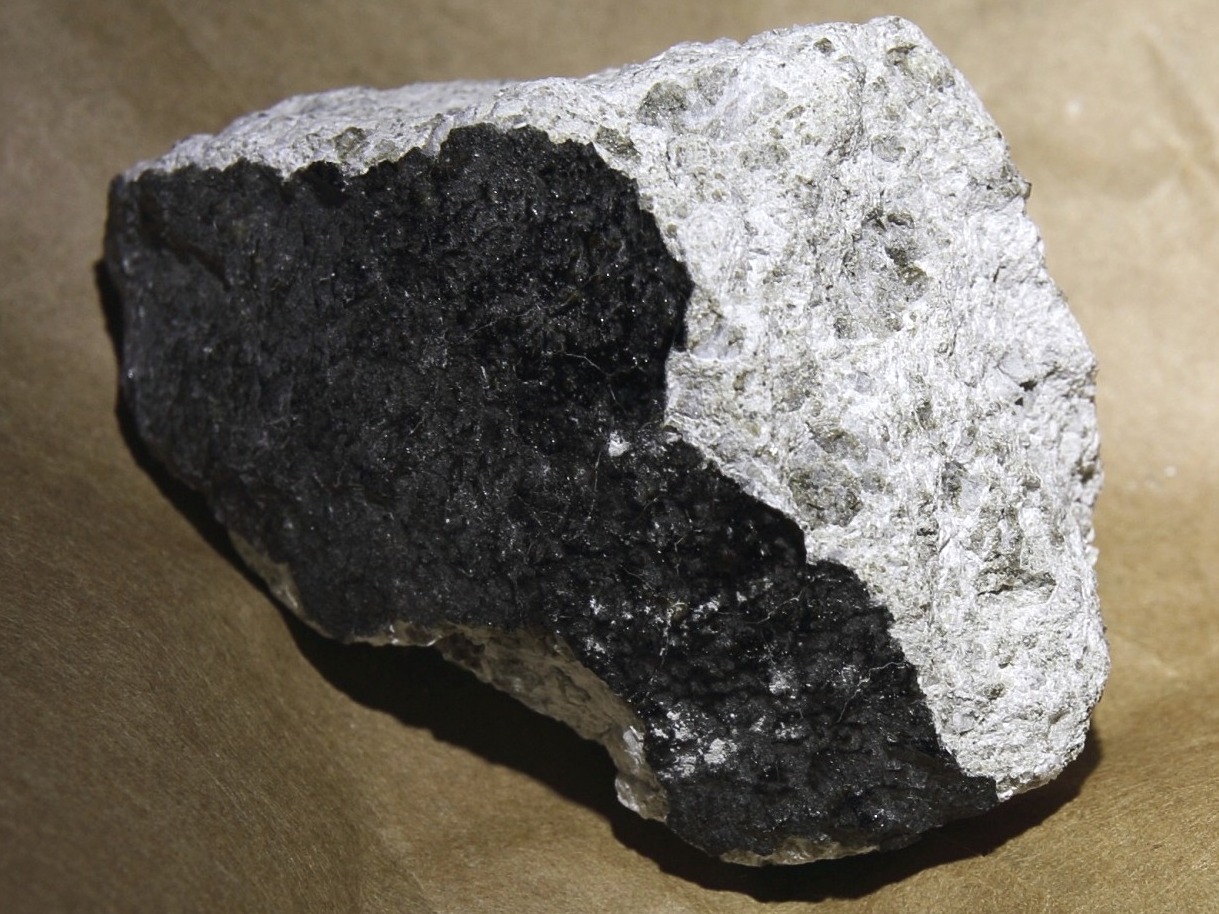
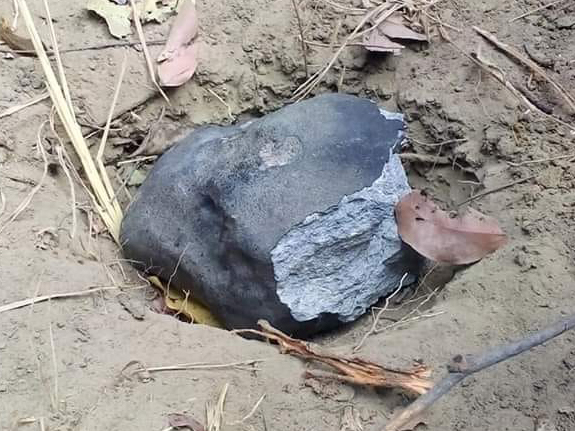
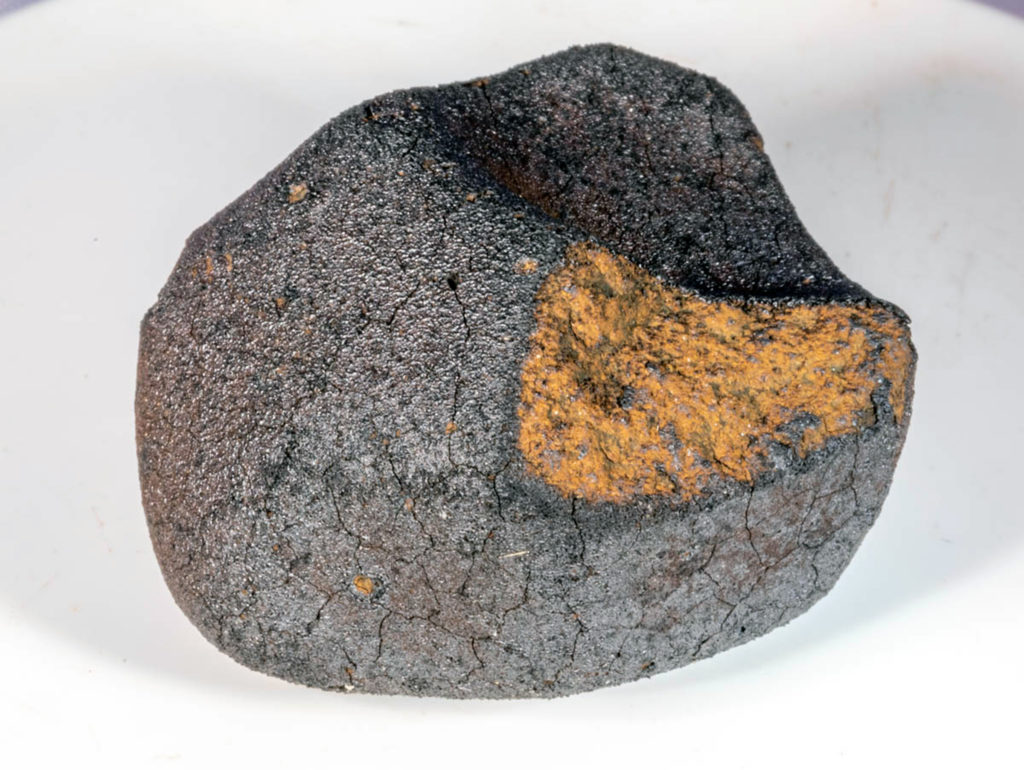
“Carbonaceous chondrites are samples from planetesimals that formed 2-4 million years after solar system formation began. They consist of distinct dust components formed at different times and locations in the accretion disk and whose abundances in carbonaceous chondrites vary over planetesimal formation time. The mechanism that led to this time-varied accretion is not understood, but is critical for understanding late-stage planetesimal formation. Using a two-dimensional Monte Carlo simulation of dust evolution, we show that differences in dust filtering and delivery rates of distinct dust components to a planet-induced pressure bump in the disk reproduce the observed compositions and formation ages of the carbonaceous chondrites. This implies that carbonaceous chondrites likely formed in a single, long-lived dust trap, most likely outside of Jupiter’s orbit. Because differentiated meteorites, which sample an earlier generation of planetesimals, exhibit similar isotopic variability as the chondrites, they likely have also formed in dust traps, implying these structures were the dominant site for planetesimal formation in the solar system.”