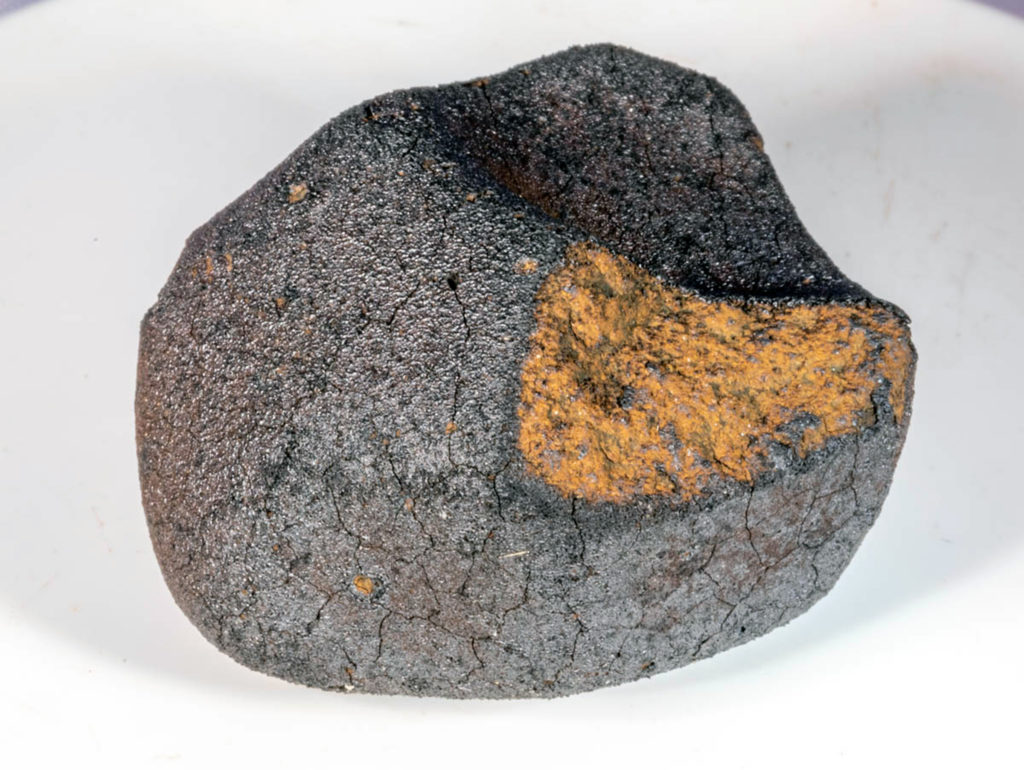
Zadzim (prov.) iron meteorite fall (2.869 kg) in Zadzim commune, Poddębice County, Łódź Voivodeship, Poland at 18:53:59 UTC on 17 April 2026
Last update: 26 April 2026 (23:59 CEST)
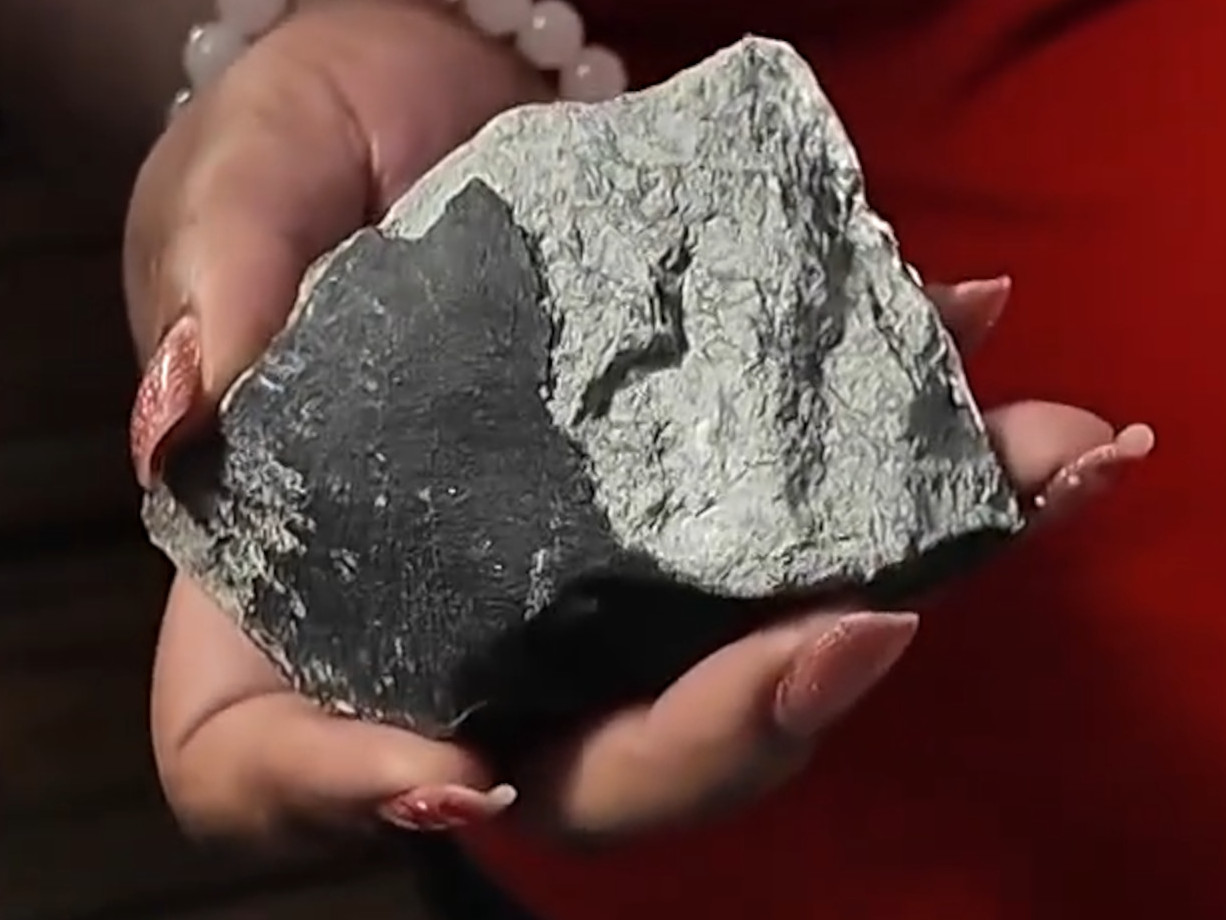
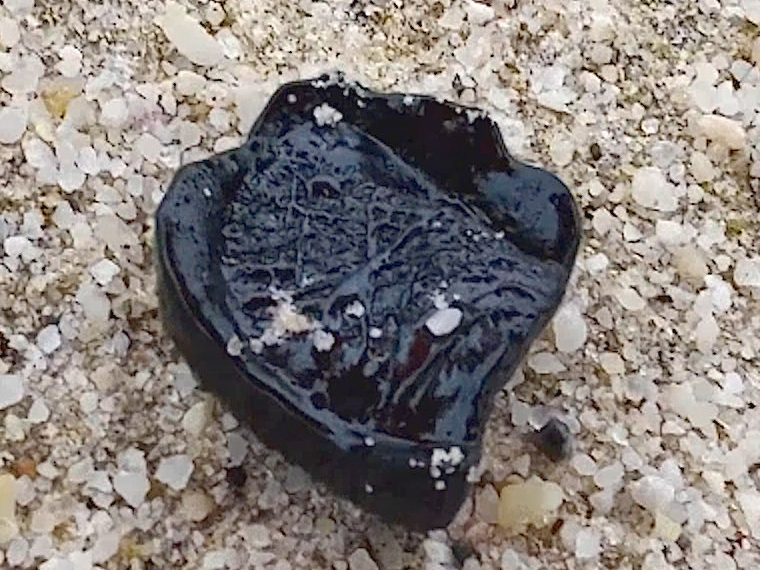
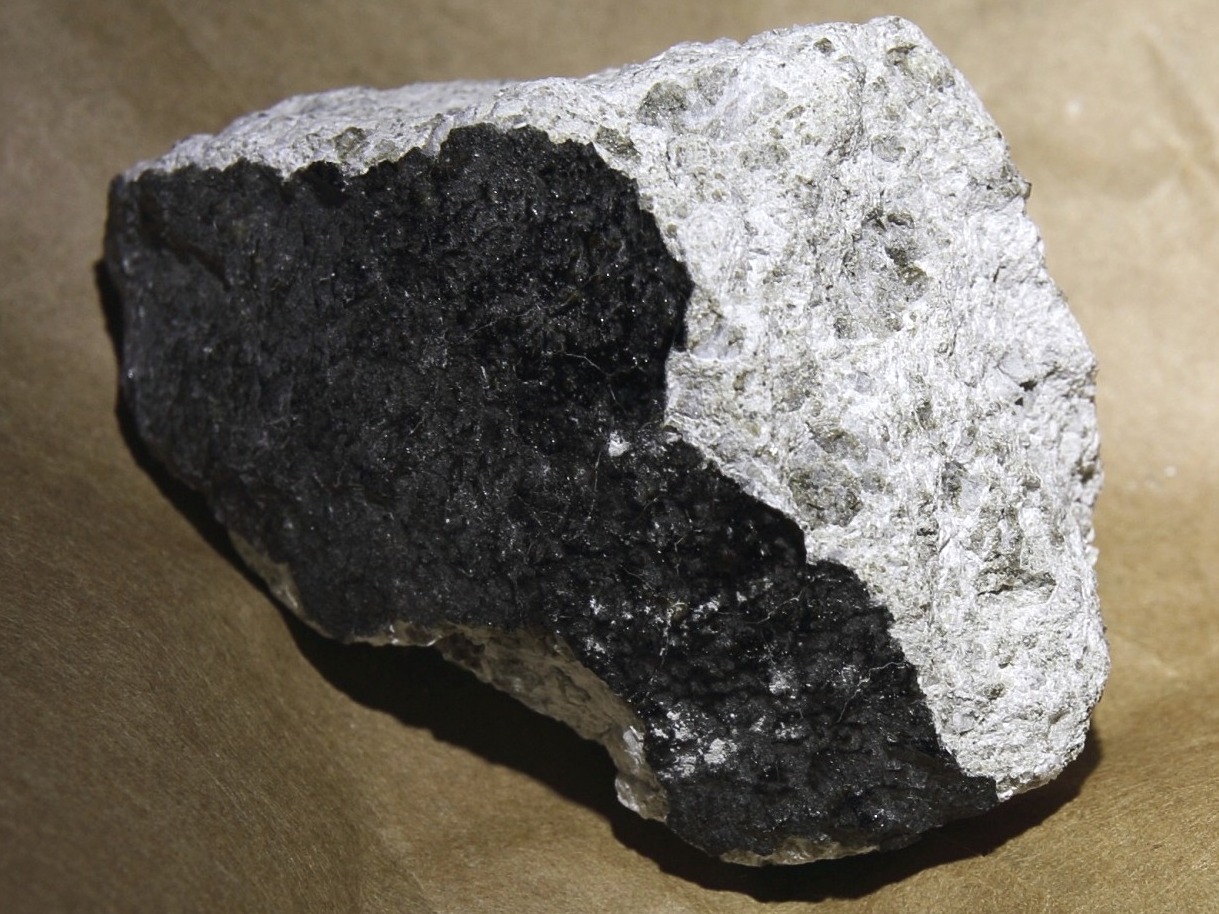
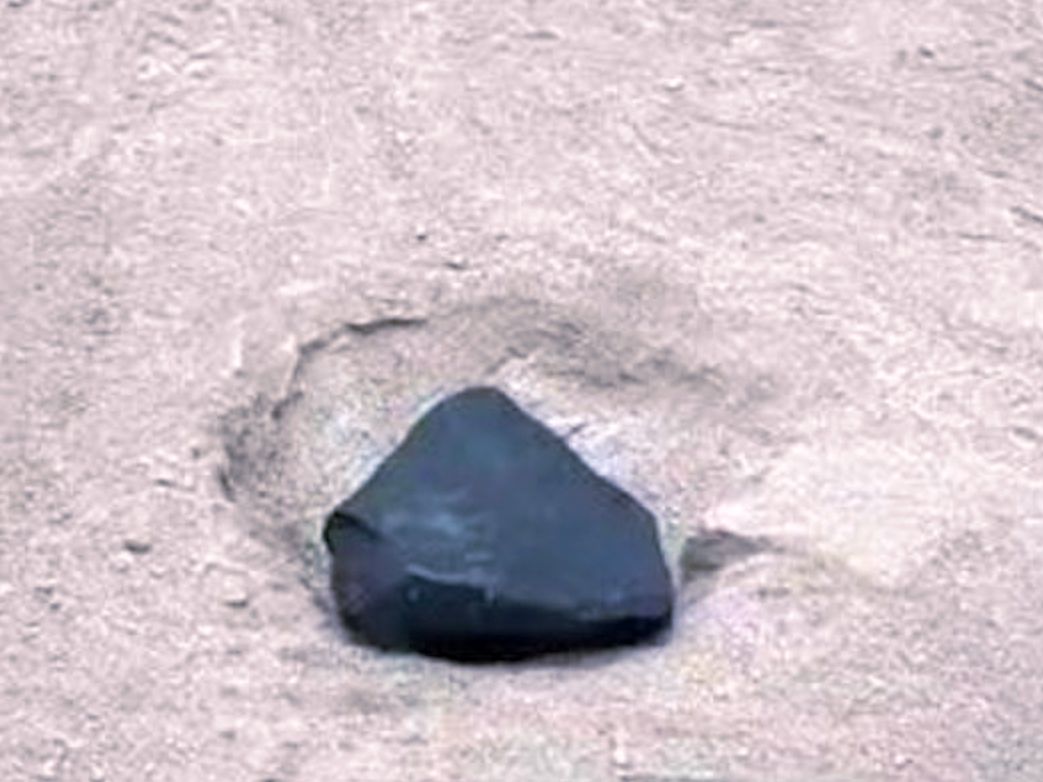
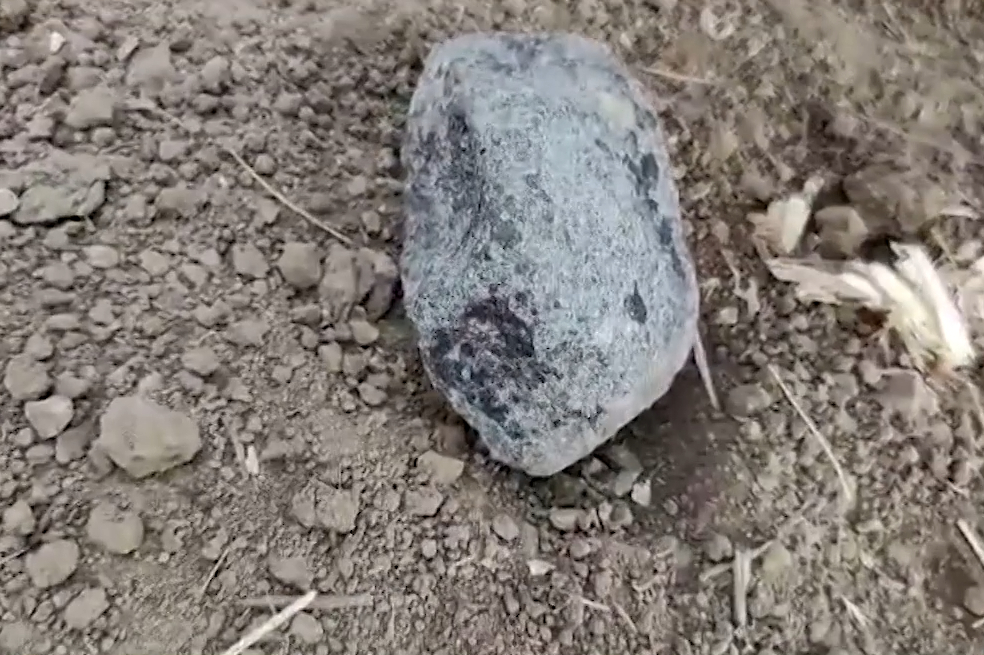
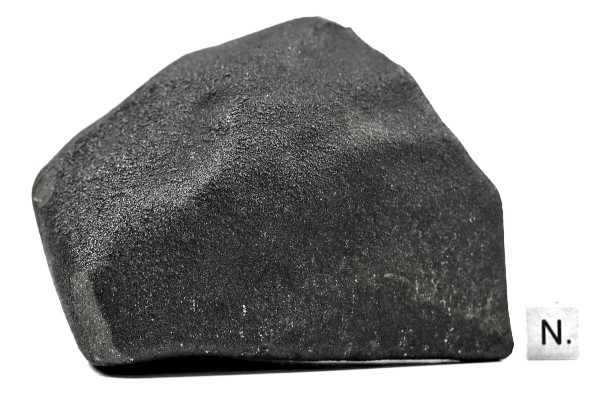
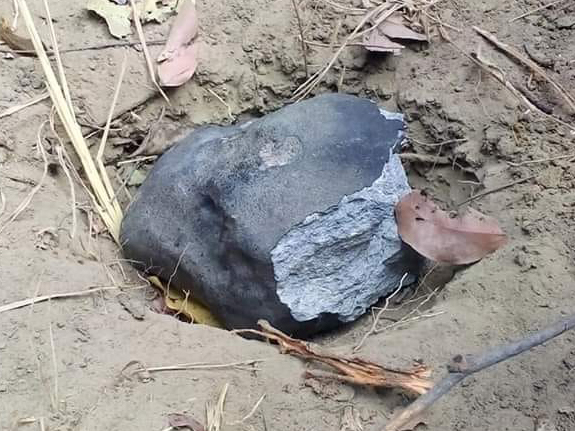
During the evening and until 4 a.m. at night after the instrumentally detected meteorite fall Skytinel’s founder Mateusz Żmija worked on a first analysis of data provided by 24 Skytinel cameras to determine a preliminary fall area of meteorites. This area was then searched by 26 people on 19 April, but in vain. To improve the precision of the calculations Skytinel began to cooperate with the Institute of Astronomy of the Czech Academy of Sciences at the beginning of the following week. On 22 April after another trajectory and dark flight calculation, now including Skytinel camera data, Pavel Spurný, Jiří Borovička and Lukáš Shrbený provided the information to Mateusz Żmija that a single 2.7-kilogram mass could have fallen. Dr. Radmila Brožková from the Czech Hydrometeorological Institute had provided the important high-altitude wind data. With this new and precise information Mateusz Żmija and Gábor Kővágó re-simulated the impact of a 2.5–3 kg meteorite, which significantly narrowed their formerly calculated search area to a smaller one within, which covered only approximately 300 x 200 metres. At around 13:30 CEST on 22 April an oriented triangular-shaped 2869-gram meteorite mass (14.5 x 11.5 x 6.5 cm) was found by Anna Walczak accompanied by her husband Paweł, two members of a team of up to 26 people associated with the Skytinel network who searched the area on 19 and 22 April. The meteorite was found at the bottom of an approximately 40 cm deep elliptical hole (20 x 10 cm) covered with about 10 centimeters of loose soil. On 24 April 2026 (16:30 CEST) Pavel Spurný, Jiří Borovička and Lukáš Shrbený of the Institute of Astronomy of the Czech Academy of Sciences published the find (LINK) together with Skytinel (LINK). The exact location of the meteorite fall within Zadzim commune has not been disclosed yet, but it might be a few kilometres northeast of Zadzim, somewhere around location 51°47’53.7″N, 18°54’43.7″E. It is assumed that only this one meteorite mass fell and that there are most likely no other masses to be found in the area. The two finders can keep the meteorite. They have agreed that a type specimen can be cut for classification. They reportedly would like to have the meteorite exhibited to the public in a museum to serve for educational purposes. Just before midnight on 24 April gamma spectrometry analyses on the meteorite started at National Centre for Nuclear Research (NCBJ) in Świerk. Measuring short-lived radioisotopes are very important to determine a very short terrestrial age of the find and thus confirm that the found mass can without any doubt be attributed to the bolide on 17 April 2026. Additionally, the meteorite’s cosmic-ray exposure age can be measured in this way. This quick recovery of the meteorite is another great success of Mateusz Żmija and his Skytinel camera network and the experienced team of the Institute of Astronomy of the Czech Academy of Sciences.
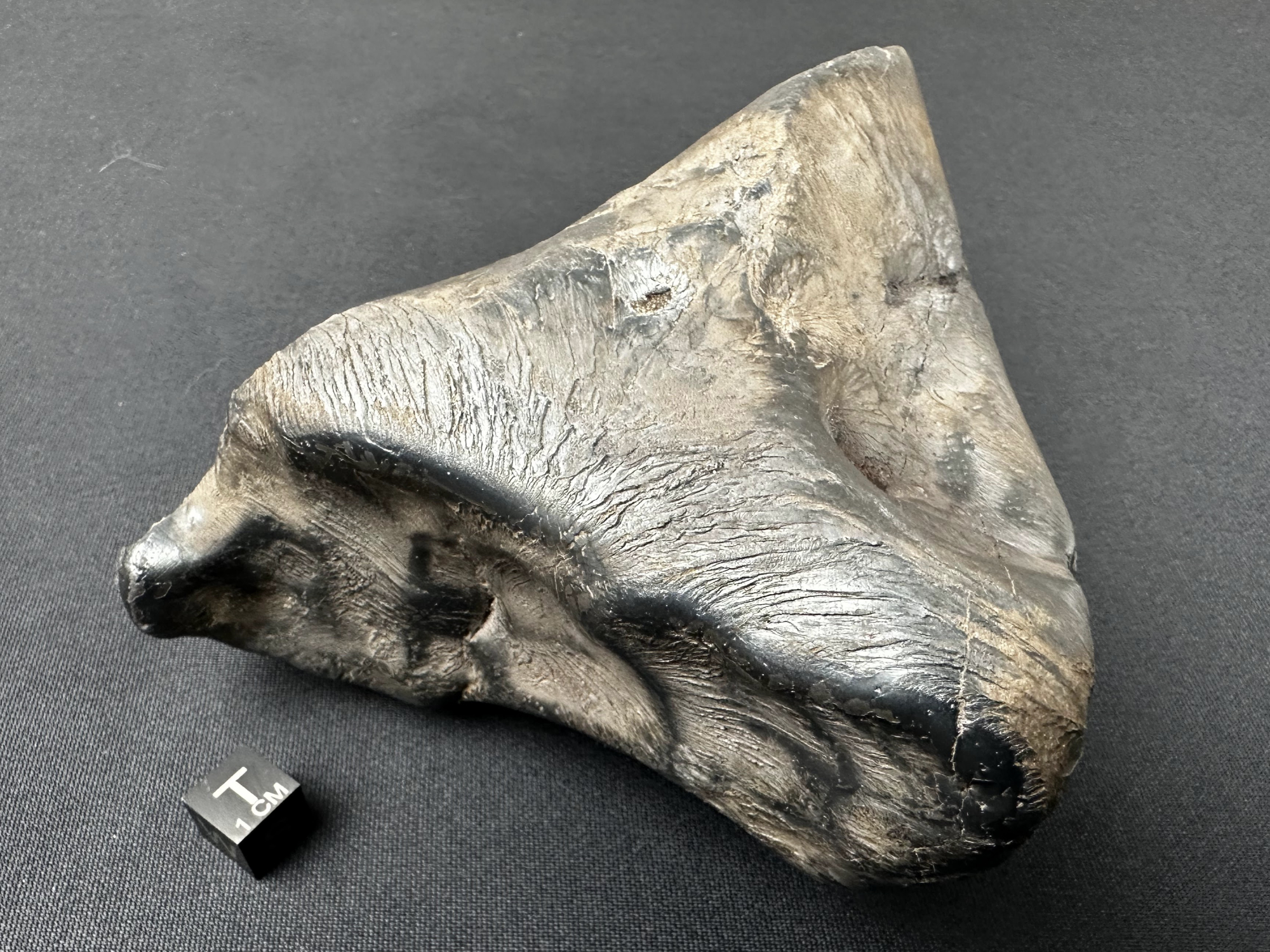
The iron meteorite mass. Photo: Szymon Kozłowski
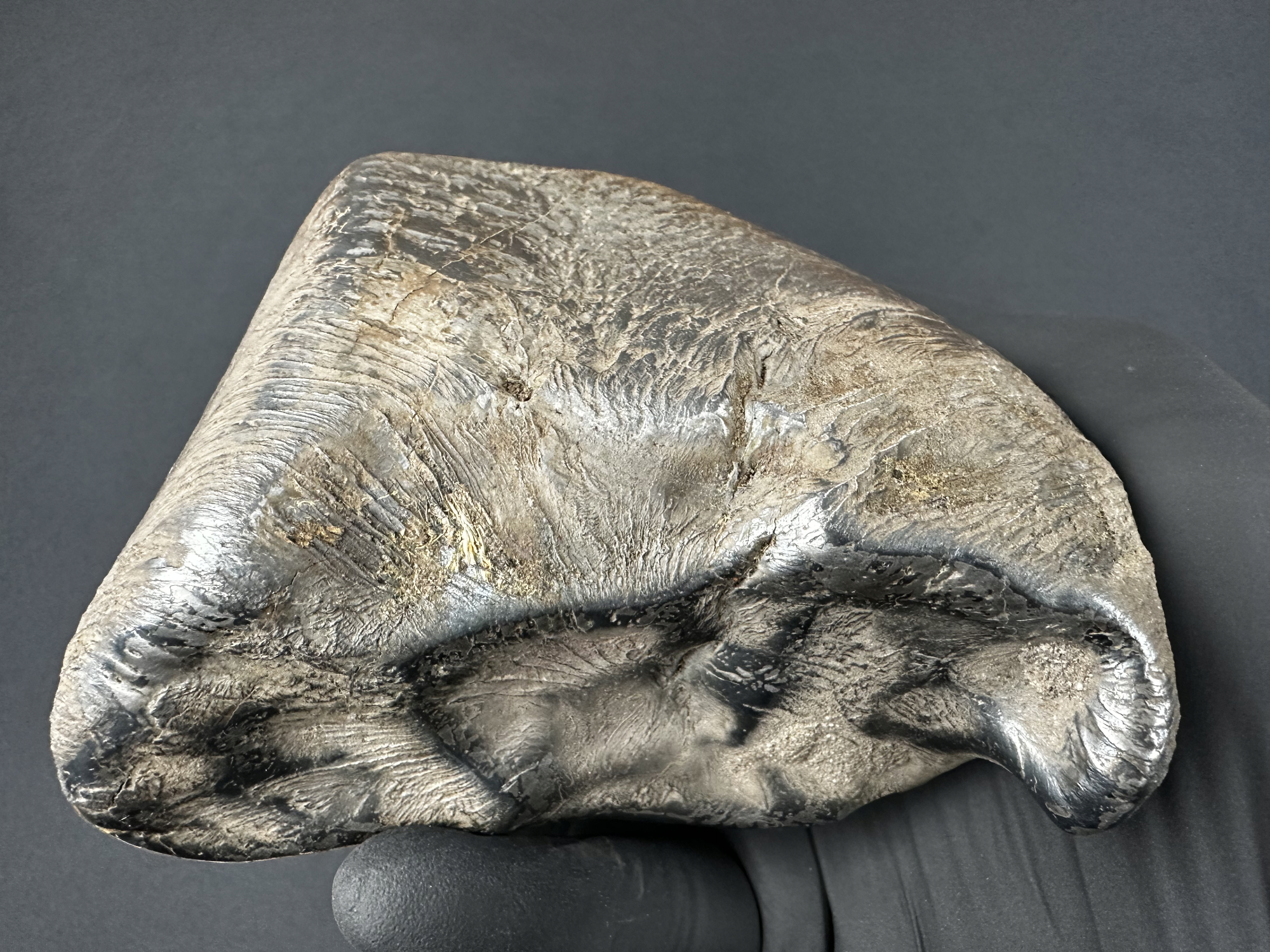
Photo: Szymon Kozłowski
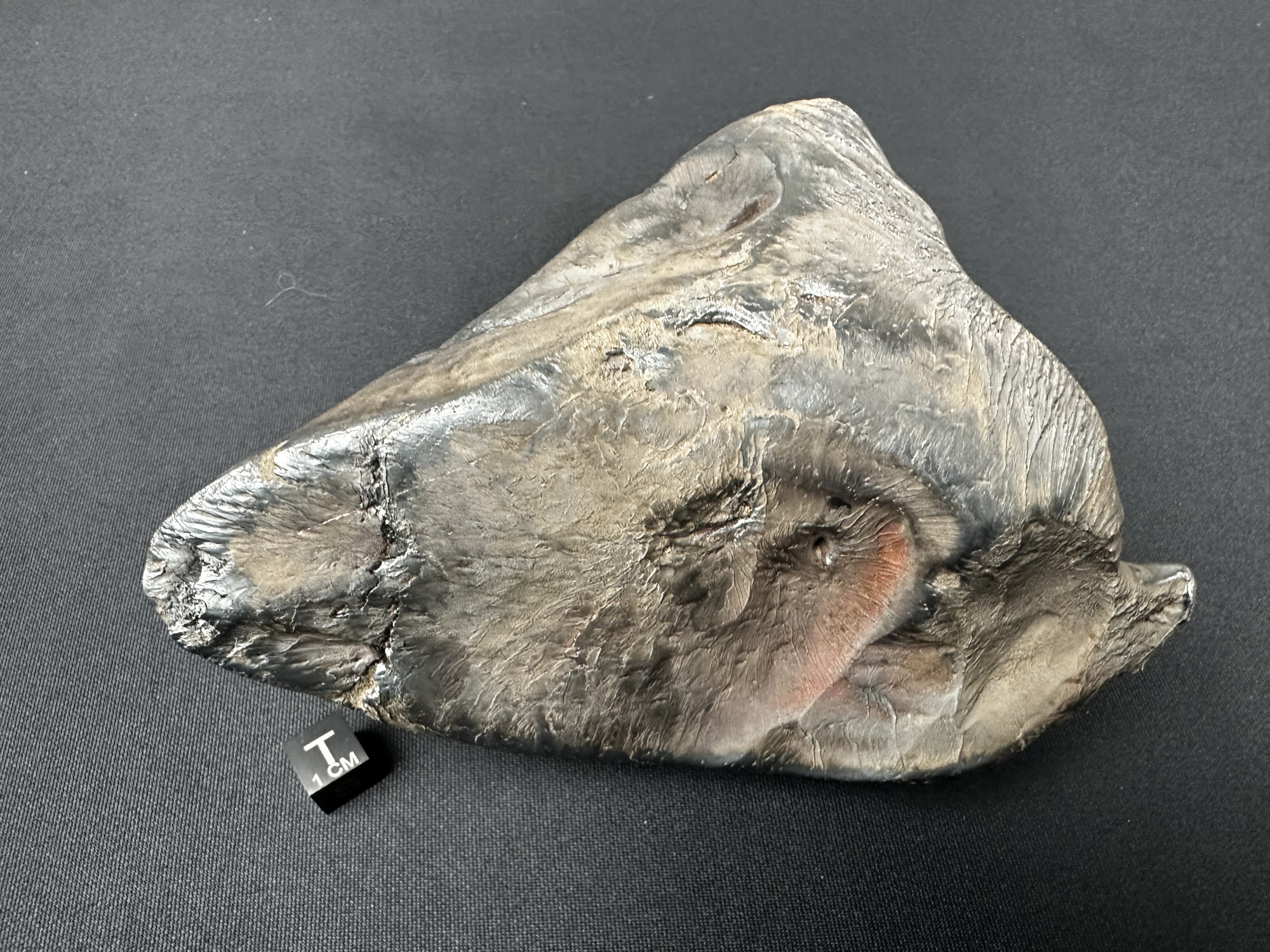
Photo: Szymon Kozłowski
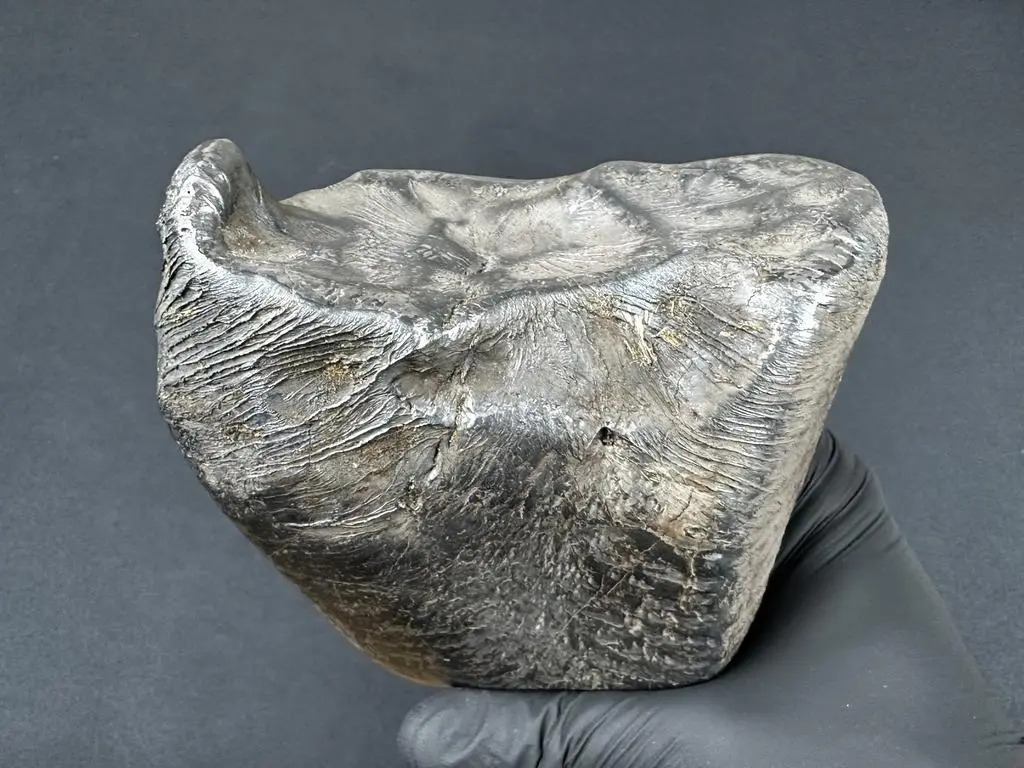
Photo: Szymon Kozłowski
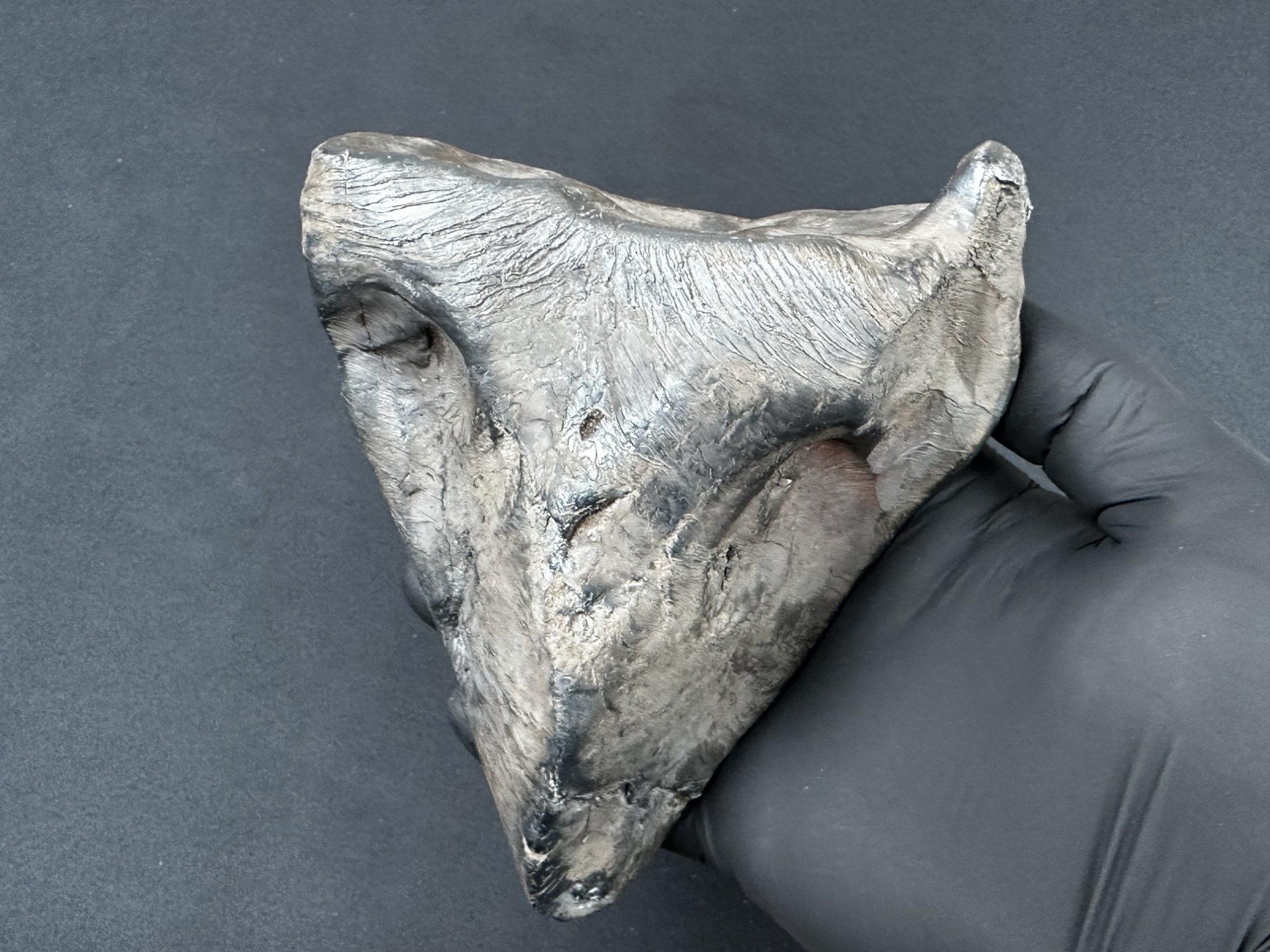
Photo: Szymon Kozłowski
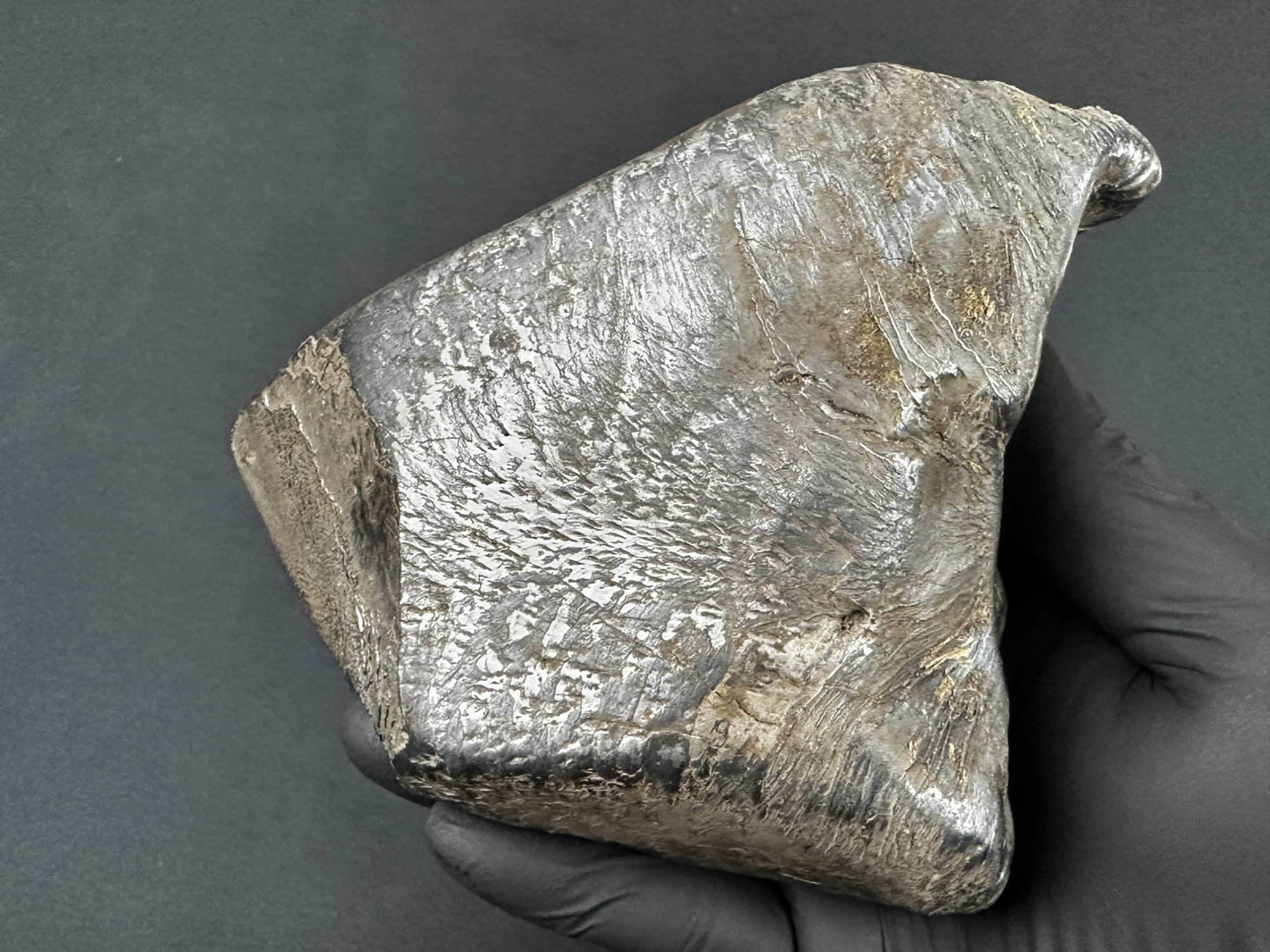
Photo: Szymon Kozłowski
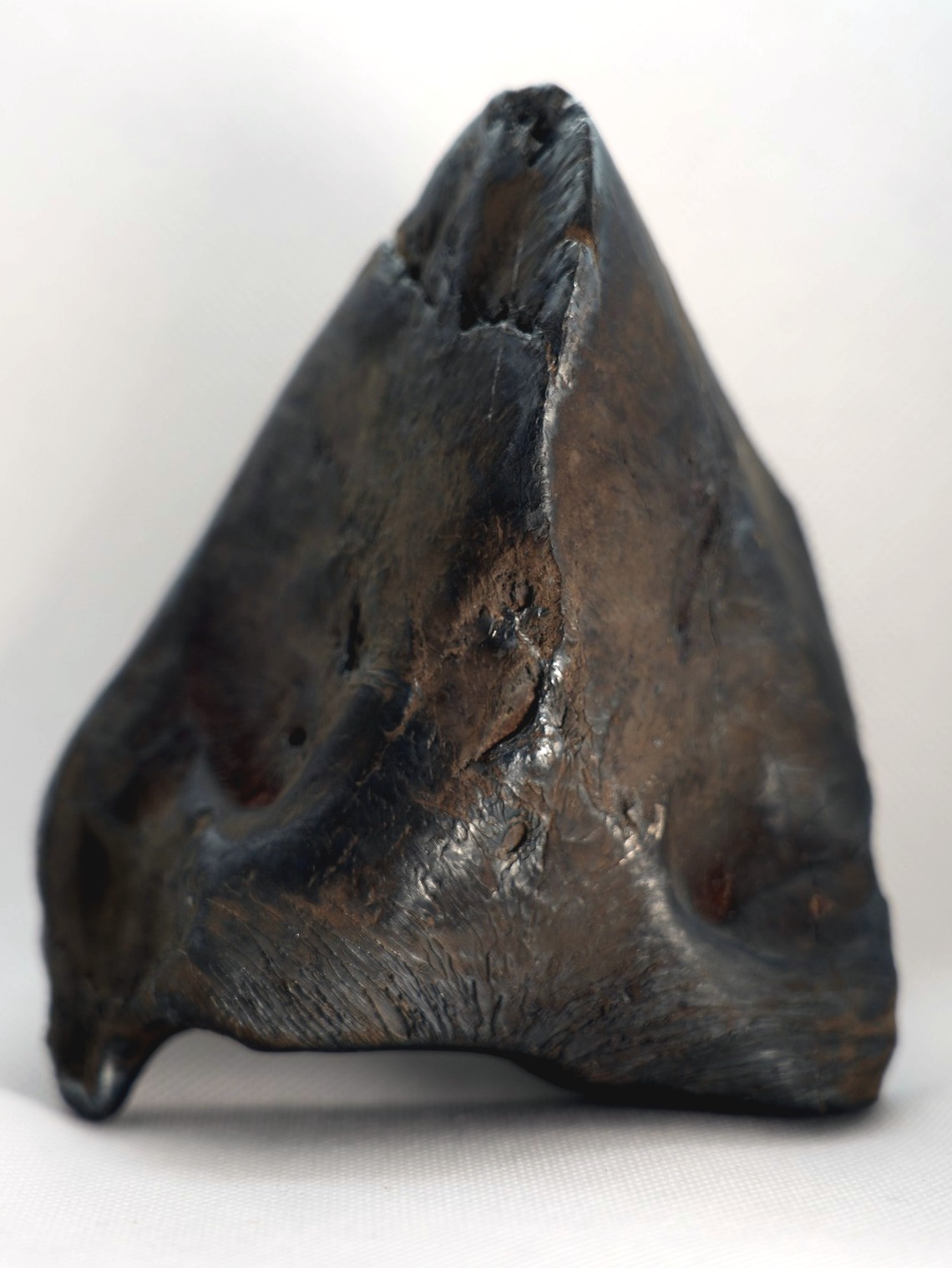
Photo: Koluszkowska Stacja Kosmiczna
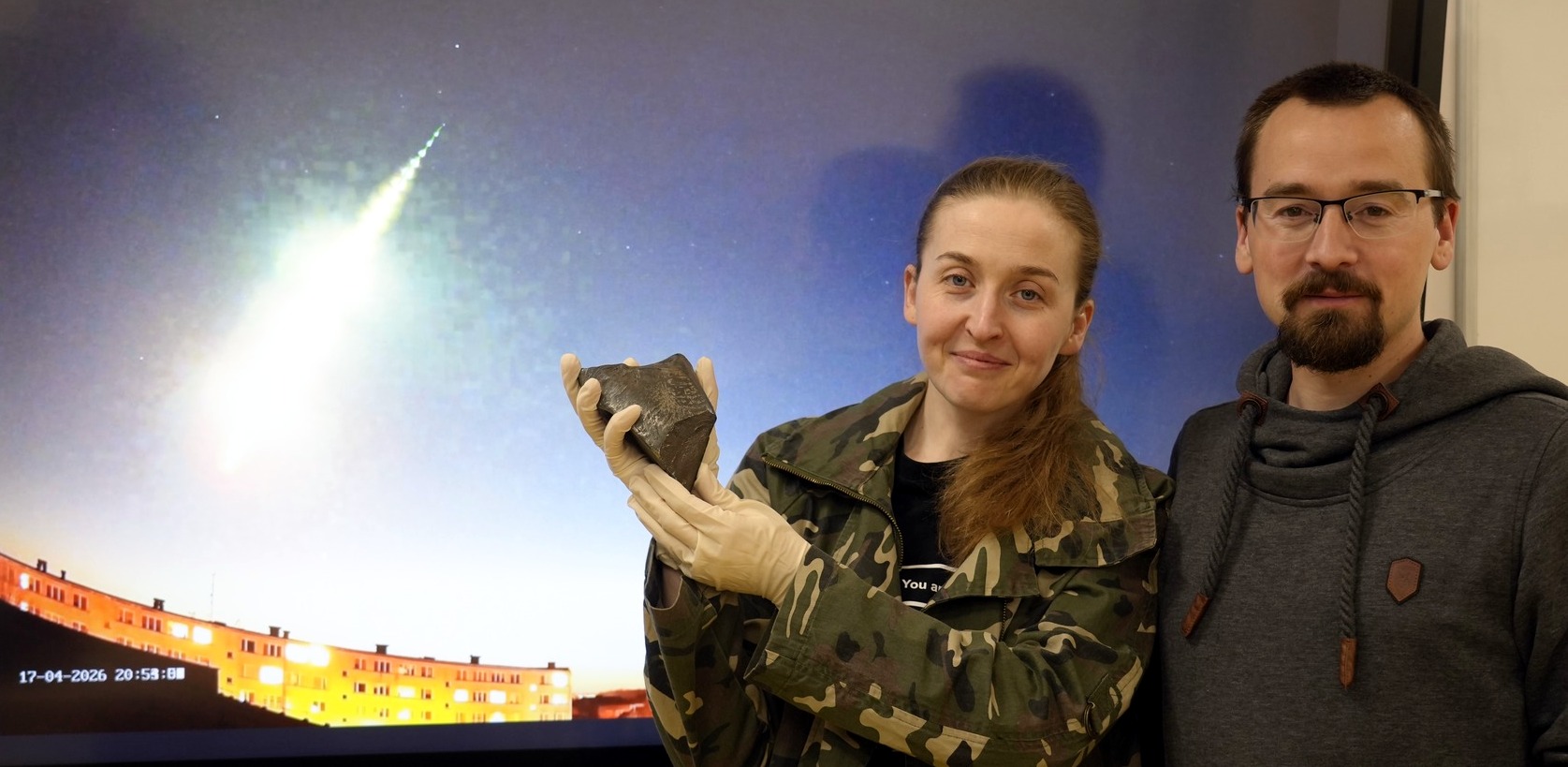
Anna and Paweł Walczak presenting their find in front of a stacked image from their video recording of the bolide. Photo: Koluszkowska Stacja Kosmiczna
“Przykryty był jeszcze na tych 40 centymetrach taką niedużą warstwą Ziemi. Kiedy zajrzeliśmy w dziurę okazało się, że faktycznie błyszczy tam coś, co wyglądało jak kawałek metalu.” (Anna Walczak)
(It lay buried at a depth of 40 centimeters, covered by a relatively thin layer of soil. When we peered into the hole, we saw something glinting inside—something that looked unmistakably like a piece of metal.)
The recovery of the meteorite by Anna Walczak and Paweł Walczak on 22 April 2026
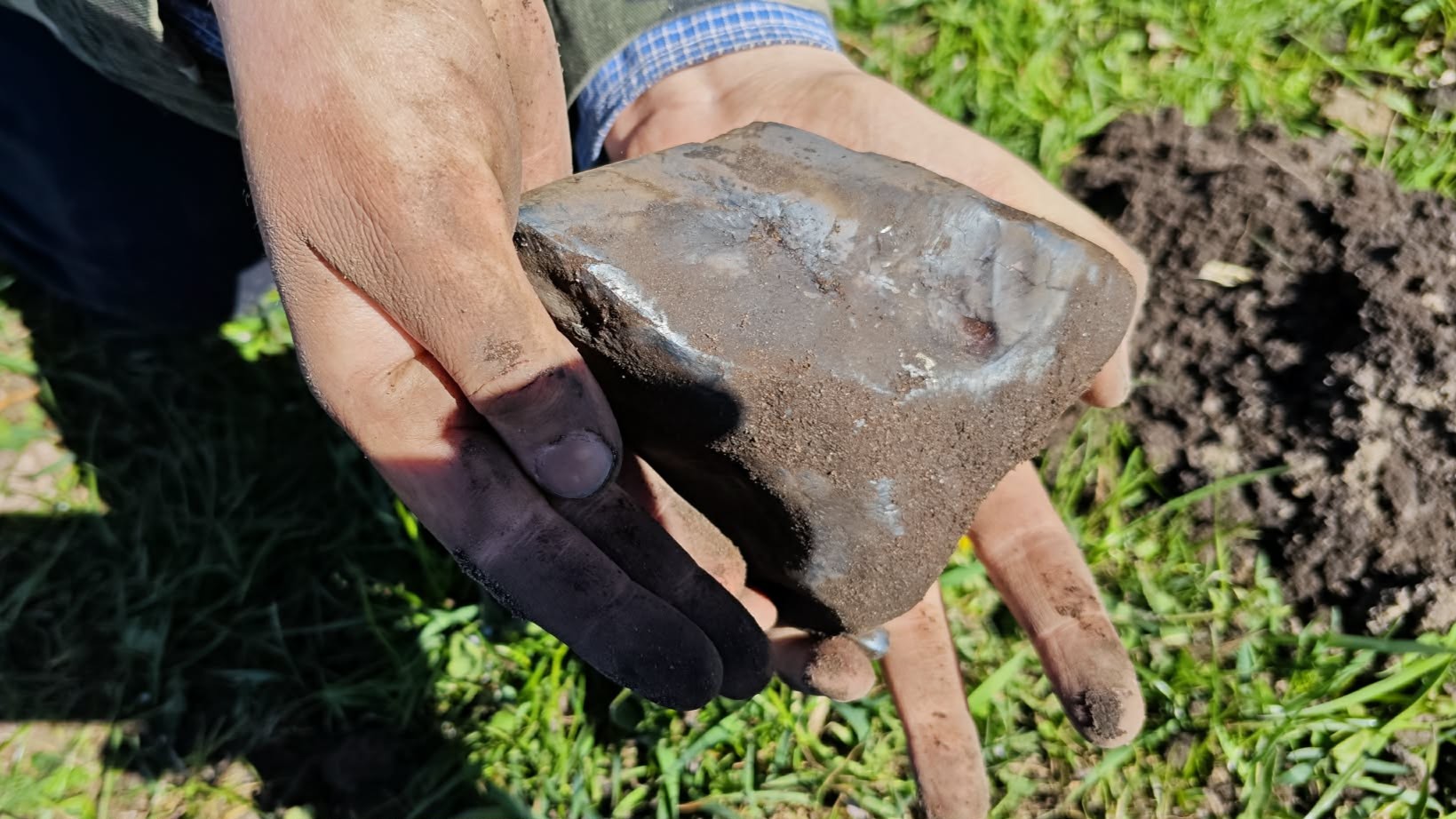
The meteorite immediately after its recovery. Photo: Paweł Walczak
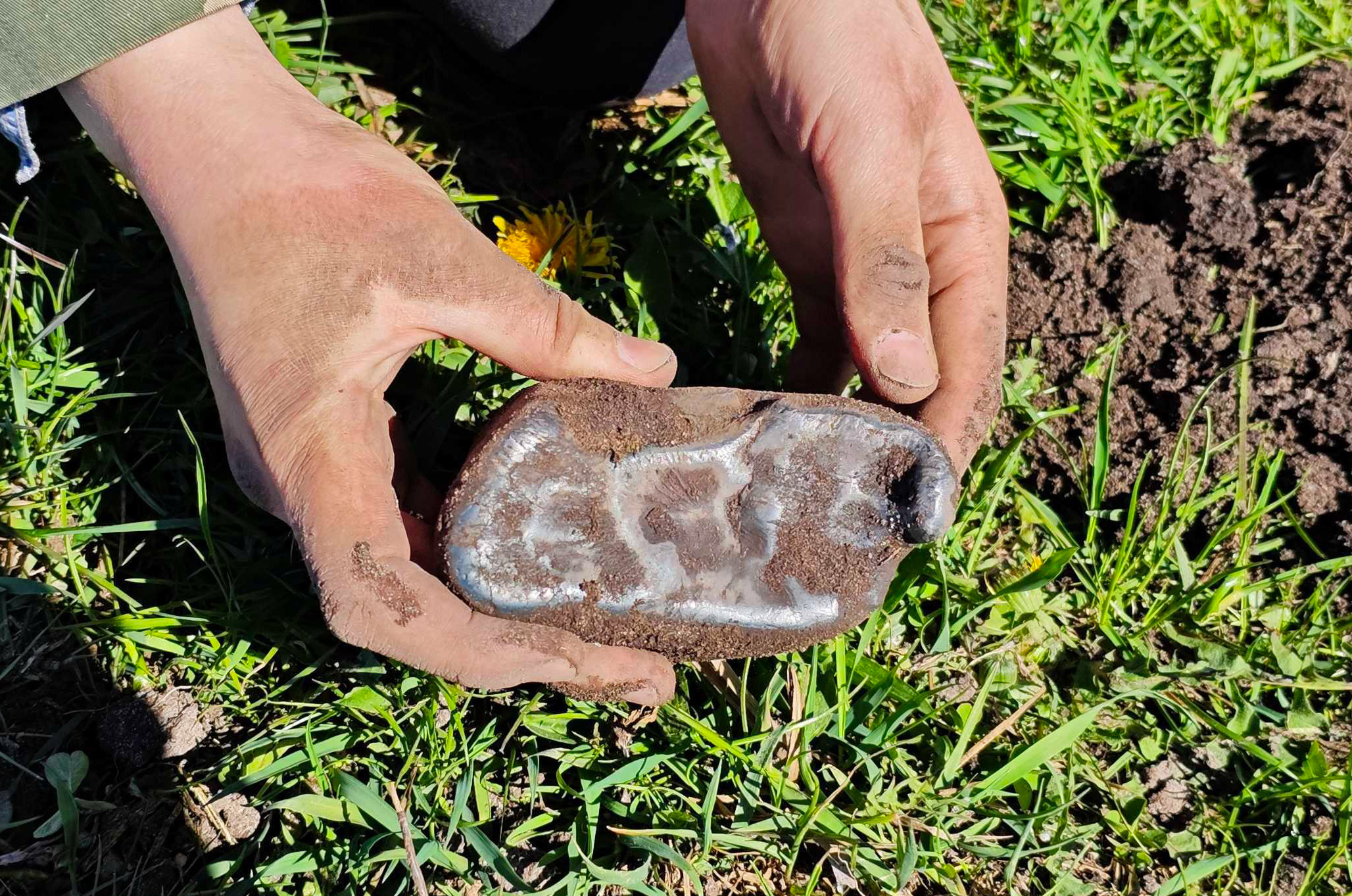
The meteorite immediately after its recovery. Photo: Paweł Walczak
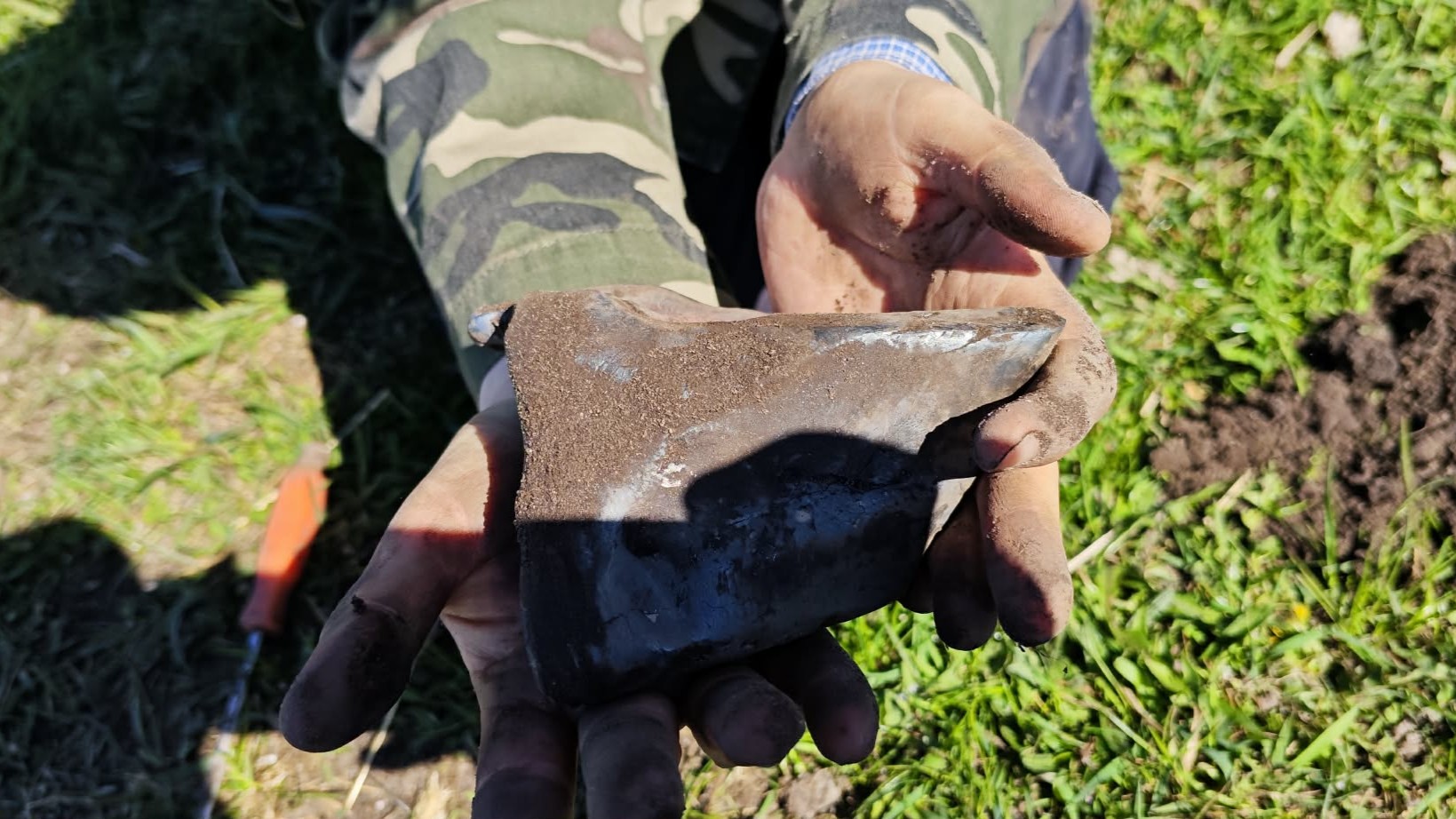
The meteorite immediately after its recovery. Photo: Paweł Walczak
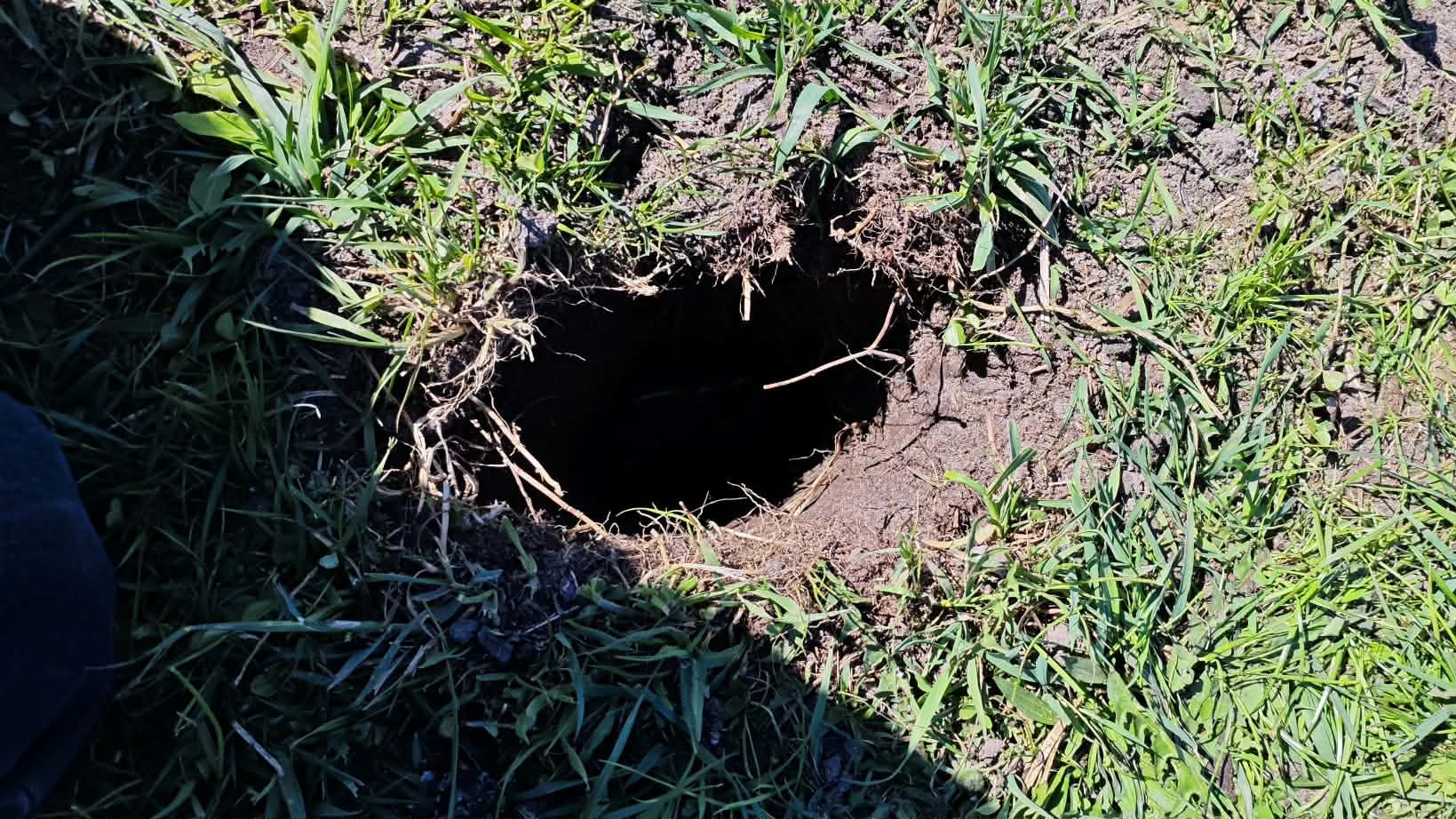
The impact hole. Photo: Paweł Walczak
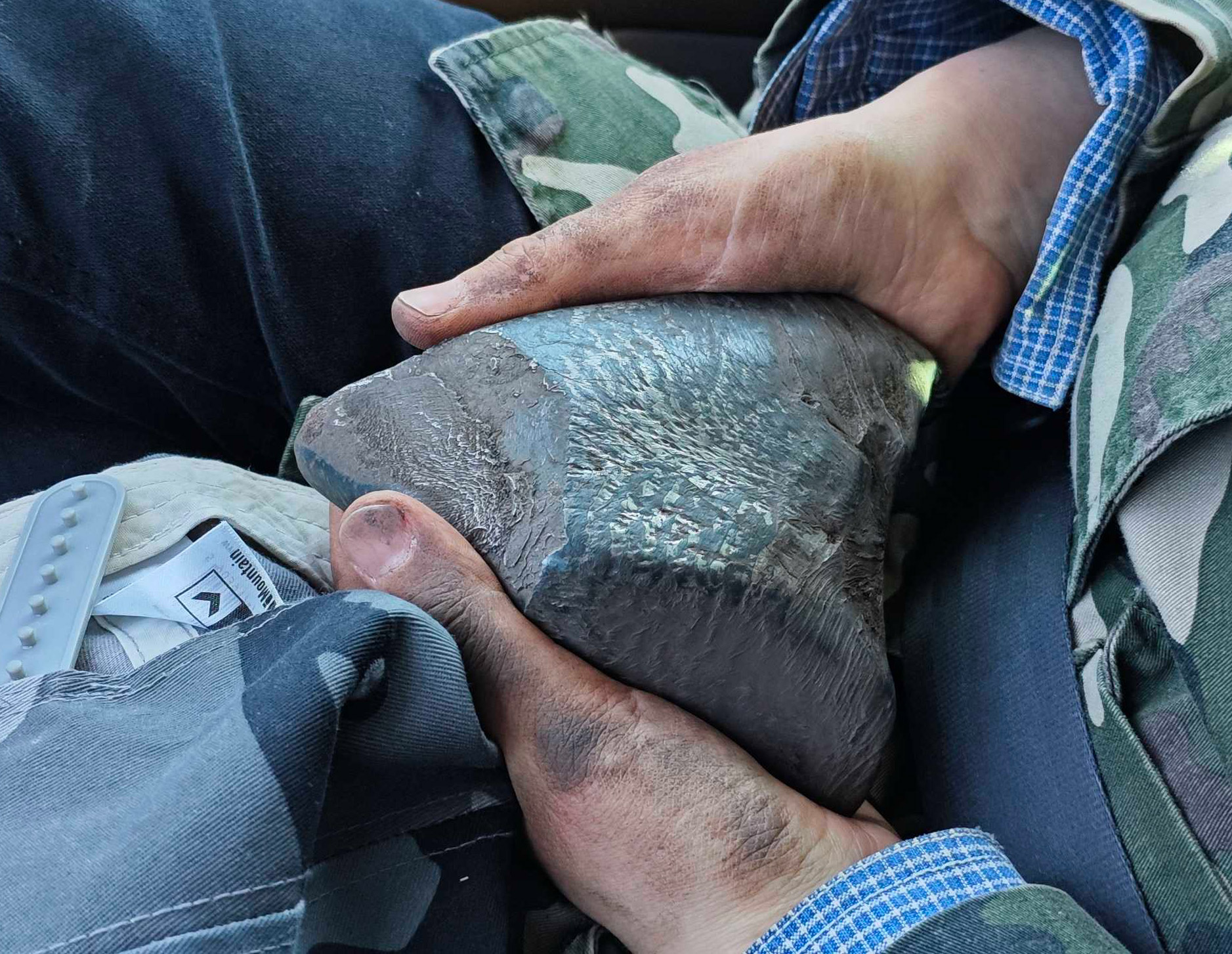
Photo: Paweł Walczak
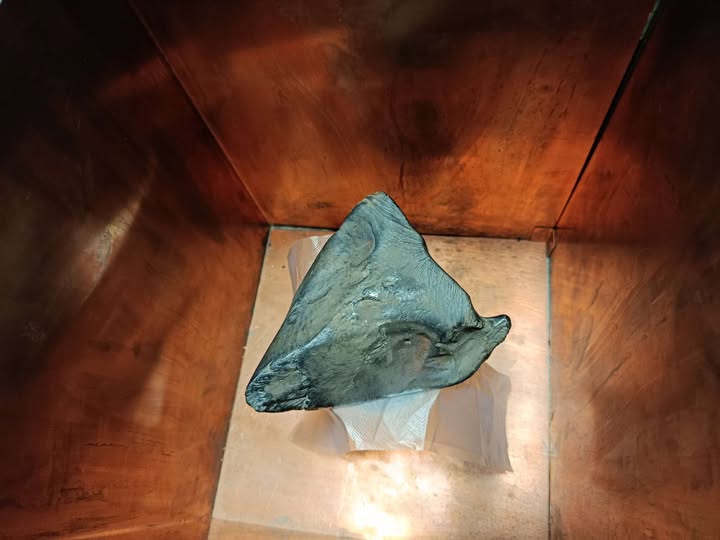
The meteorite just before gamma spectrometry analyses at National Centre for Nuclear Research (NCBJ) on 24 April 2026. Photo: Zbigniew Tymiński (NCBJ)
The bolide
The meteoroid with a mass of about 100 kilograms began its luminous trail at an altitude of ~84 km with an entry speed of ~13 km/s moving southeast in a relatively steep trajectory (69° to the earth’s surface). The bolide’s almost 7-second luminous trail was about 75 kilometres long, penetrated deep into the atmosphere and ended 14 kilometres above the ground. Reference: (Department of Interplanetary Matter Institute of Astronomy AS CR ) published on 18 April 2026 (14:30 CEST).
The bolide recorded by Skytinel camera SN12 (Paweł Walczak/Koluszkowska Stacja Kosmiczna) in Koluszki, about 67 km east of the town of Zadzim.
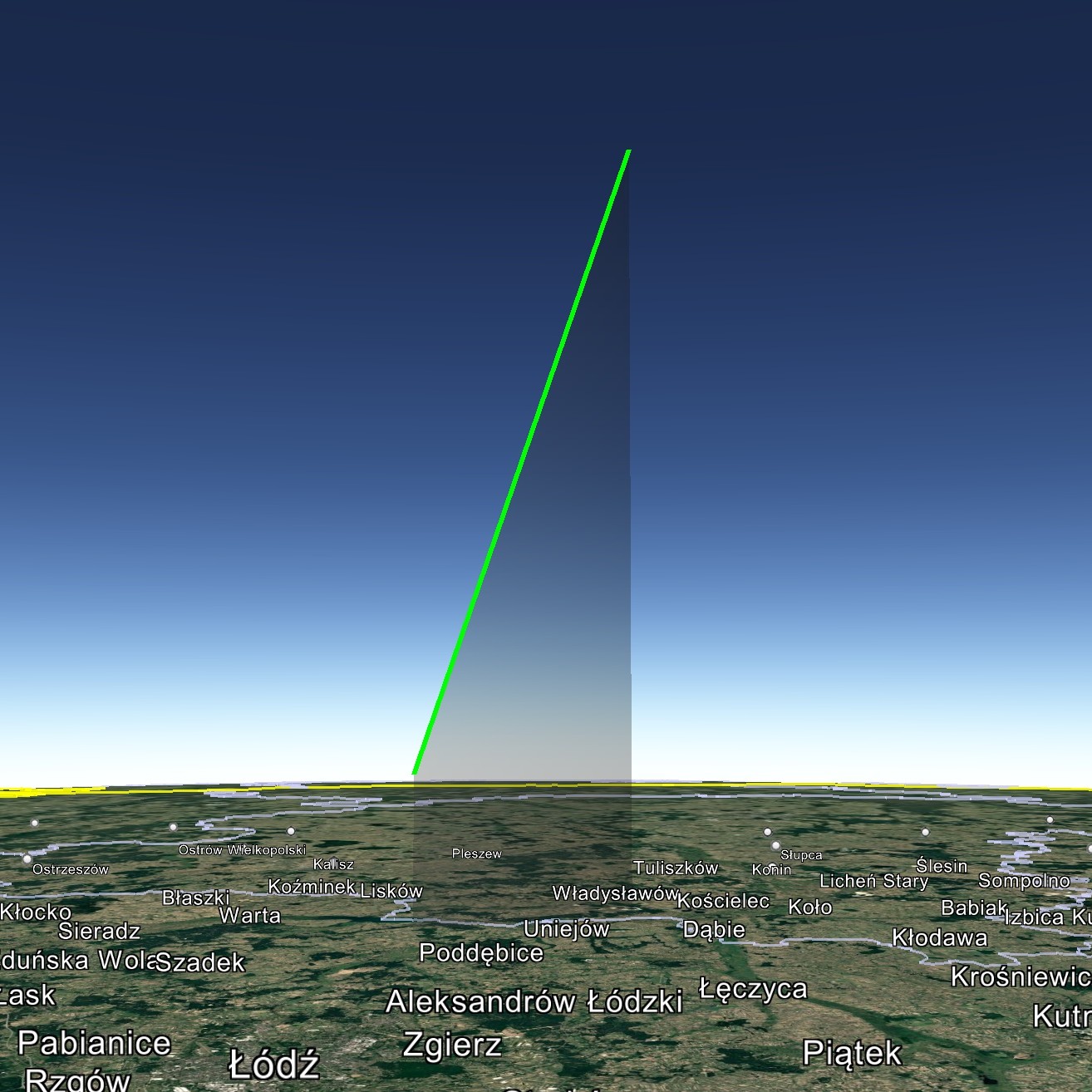
3D visualization of the meteoroid’s steep atmospheric trajectory. Image: Mateusz Żmija
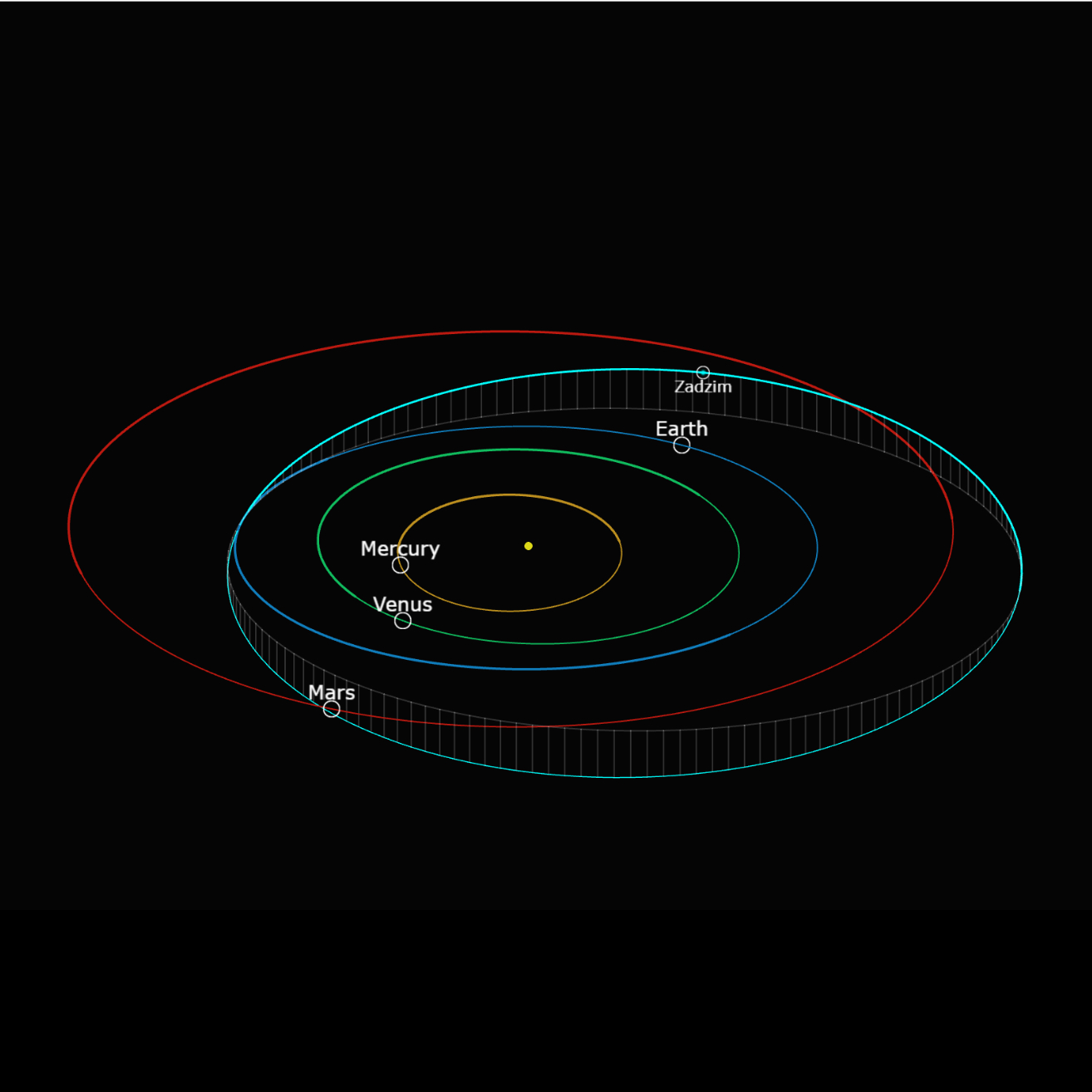
The meteoroid’s preatmospheric orbit (turquoise line). Image: Mateusz Żmija
Collection of several Skytinel recordings of the bolide (published on 25 April 2026)
Interview with Mateusz Żmija (in Polish). Video: AstroLife
Media
Video: POLSAT