Spectral Similarity in the Thermal Infrared between Sulfide-rich Carbonaceous Chondrite Meteorites, Jupiter Trojans, and Other D- and P-type AsteroidsOPEN ACCESS
Helena C. Bates, Ashley J. King, Kerri L. Donaldson Hanna, Audrey C. Martin, Joshua P. Emery, Neil E. Bowles and Sara S. Russell
The Planetary Science Journal, Volume 7, Number 4, Published: 23 April 2026
LINK (OPEN ACCESS)
PDF (OPEN ACCESS)
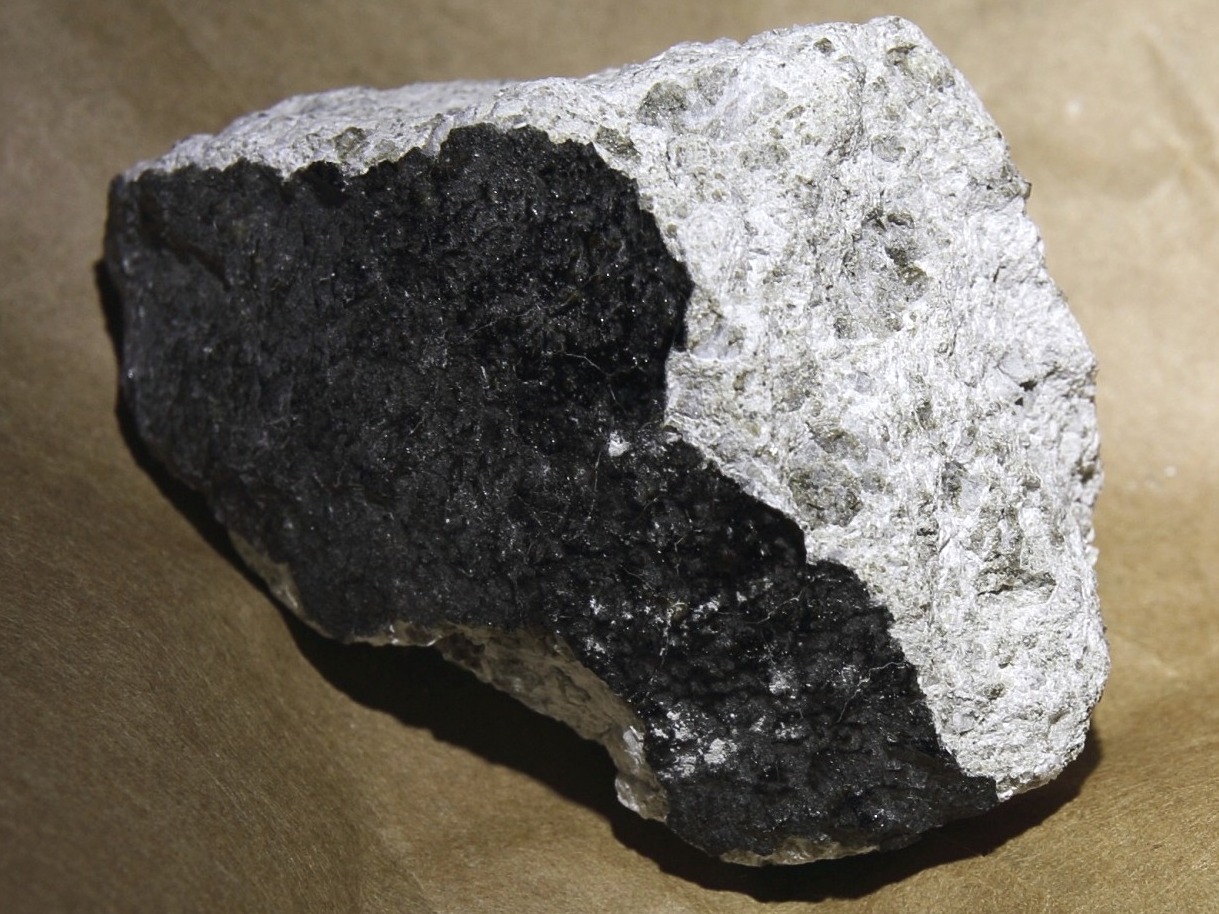
“Carbonaceous chondrite meteorites, which include the sulfide-rich “Yamato-type” chondrites (CYs), have undergone a complex history of aqueous and thermal alteration and offer crucial insights into early outer solar system conditions. In this study, we evaluate thermal infrared (TIR) reflectance spectra of three CY chondrites. We observe a broad spectral plateau near 10 μm, a spectral signature that has been observed in remote observations of some primitive, low-albedo asteroids, including Jupiter Trojans. We compare our data to CY emissivity spectra, spectra of Fe-sulfide and olivine mixtures, and remote Jupiter Trojan observations and establish the plateau and low albedo are a result of a high content of fine-particulate Fe-sulfide of these meteorites. We therefore suggest that D- and P-type asteroids, like Jupiter’s Trojan asteroids, could have a high abundance of Fe sulfide on their surfaces as a potential result of aqueous alteration followed by dehydration, shedding light on the processes shaping the outer solar system.”