Do all asteroids break down in the same way?OPEN ACCESS
Nicole Latsia, Erika Kaufmann, Georgios Tsirvoulis, Heikki Suhonen, Mikael Granvik , Johan Borg, Axel Hagermann
Icarus
Available online 27 April 2026, 117130
“Highlights
- Real-time fracturing investigation of asteroid analogues.
- Thermal fatigue is threshold-controlled.
- Meteorite type controls damage evolution.”
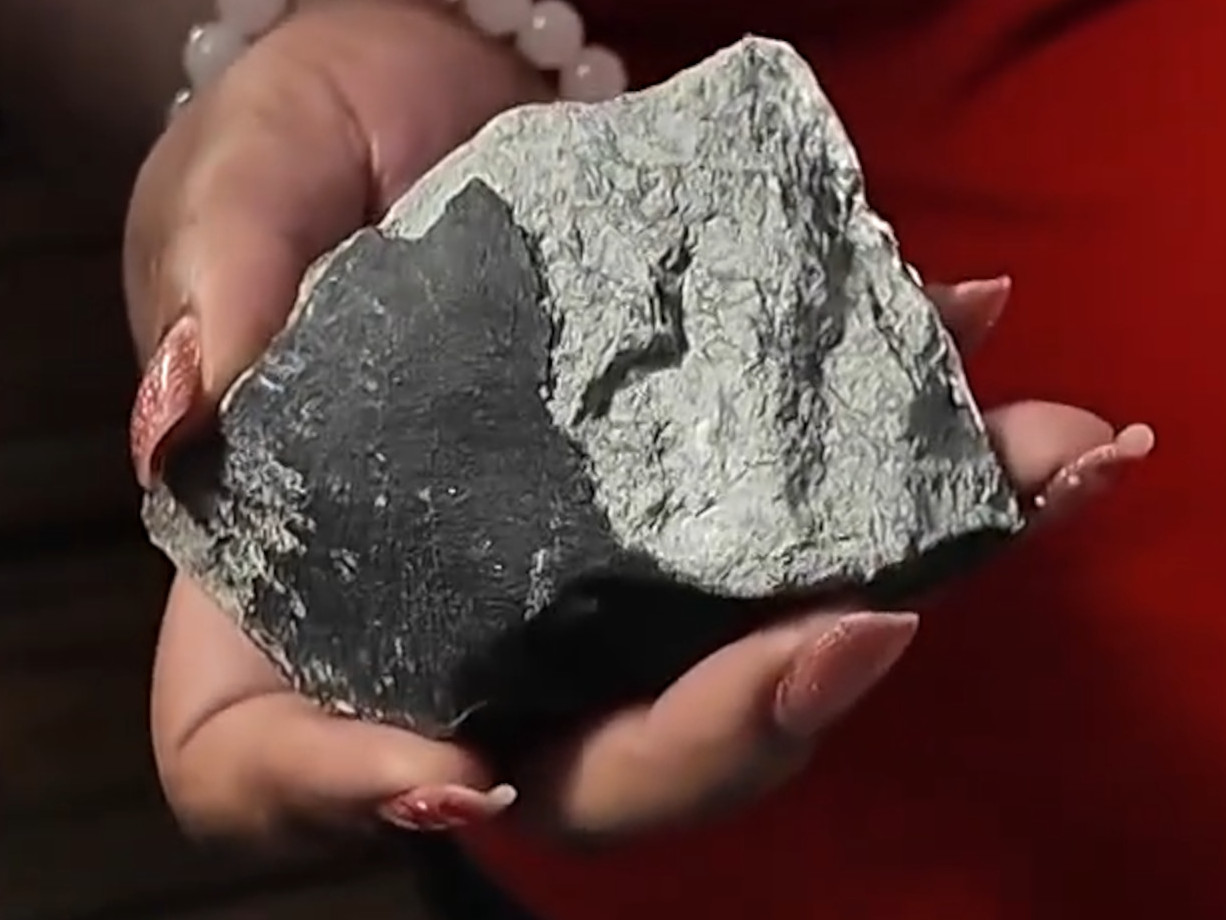
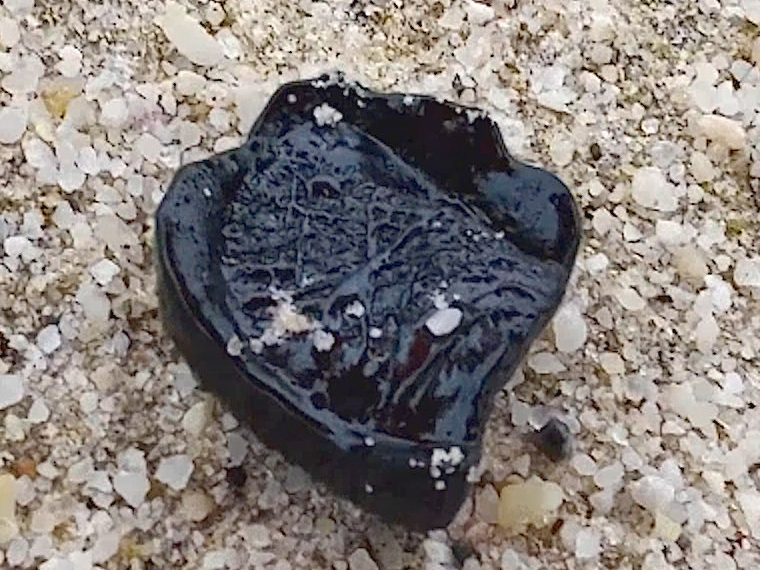
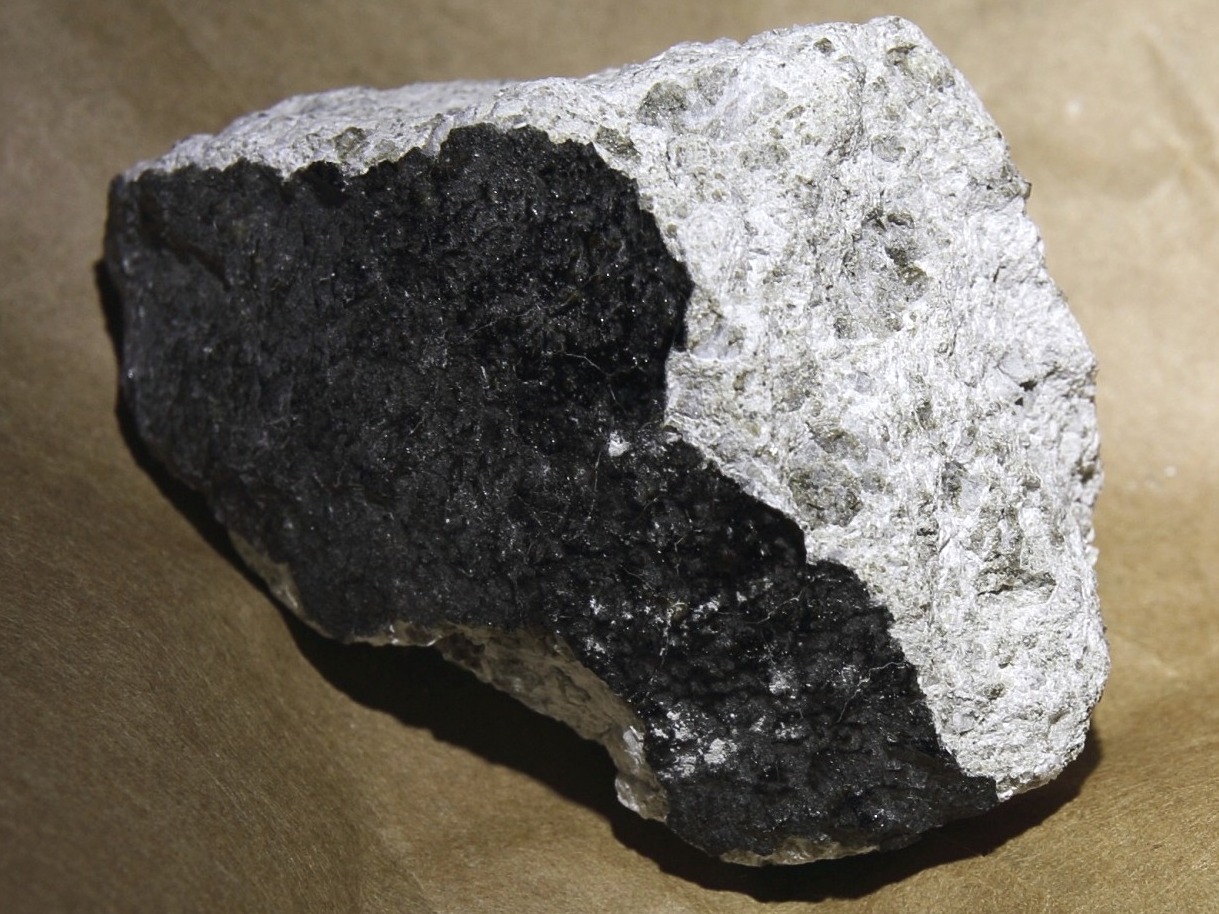
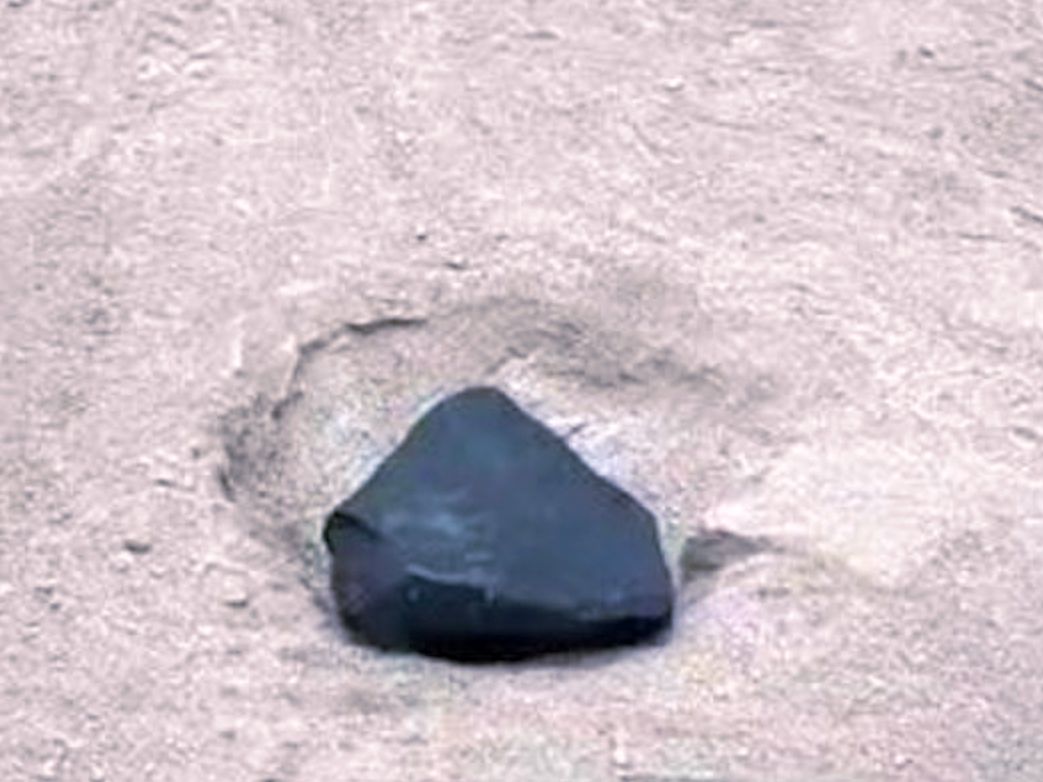
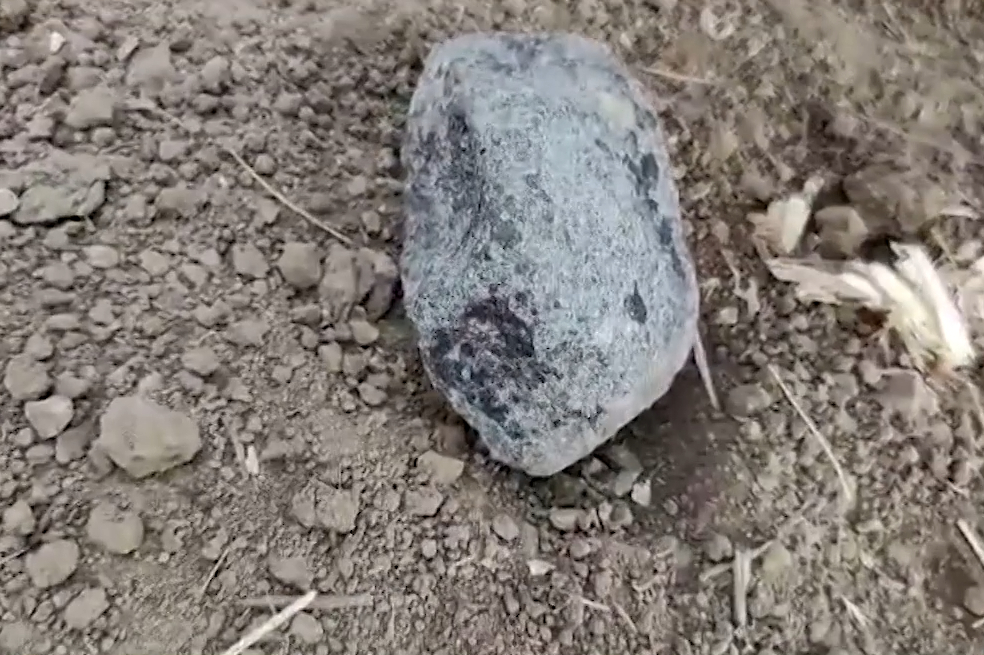
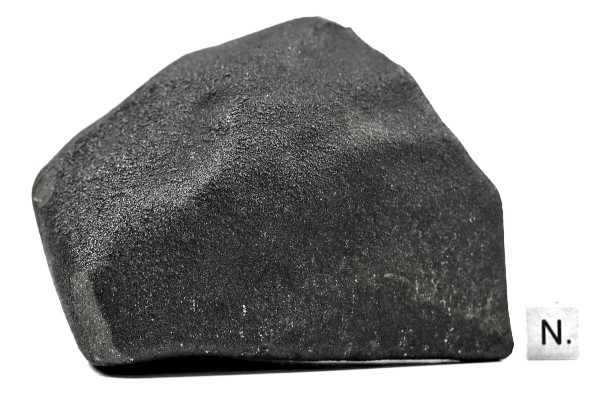
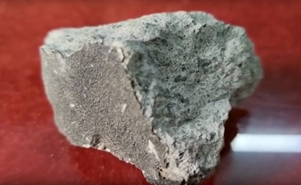
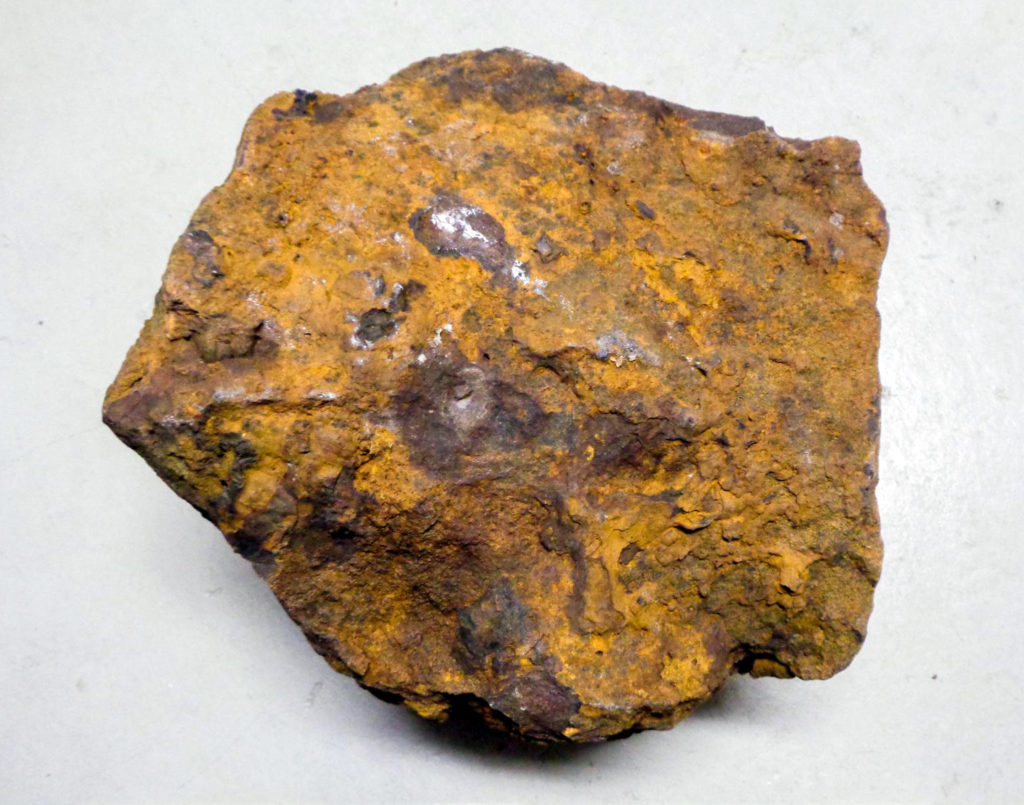
“Thermal fatigue is considered a primary mechanism driving rock disaggregation and regolith production on the surface of airless planetary bodies, acting over millions to billions of diurnal temperature cycles. However, its long-term effectiveness has never been experimentally tested. In particular, the Kaiser effect suggests that no additional damage is expected to accumulate when a material is subjected to repeated loading at the same maximum stress level. Here, we use real-time acoustic emission (AE) monitoring to track fracture activity during 100 repeated thermal cycles of T = 190 °C on three meteorites of different petrological type; CM2 Aguas Zarcas, CV3 Allende, and H3-5 Oum Dreyga. The CM2 meteorite exhibited early onset of fracturing activity as indicated by increased AE activity, whereas the CV3 and H3-5 samples showed low activity, with AE occurring predominantly during the later cycles, but ceasing towards the end. These findings suggest that the surfaces of Ch/Cgh-type asteroids, represented by CM2 material, are likely to be more susceptible to thermally driven regolith production, but this response is progressively limited due to threshold-controlled fracturing, whereas S-type bodies, linked to ordinary chondrites, may experience comparatively limited thermal fatigue under similar conditions. CV3 material, analogous to certain anhydrous C-complex/K-type asteroids, likewise appears relatively resistant to damage accumulation across repeated thermal cycles. We propose that thermal fatigue is a threshold-controlled process rather than an indefinitely acting mechanism.”