High precision Al-Mg isotopic sims microanalysis of wark-lovering rims on ca-al-rich inclusions
Glenn J. MacPherson, Kazuhide Nagashima, Alexander N. Krot, Noriko T. Kita, Takayuki Ushikubo, Elena Dobrică
Geochimica et Cosmochimica Acta
Available online 19 June 2026
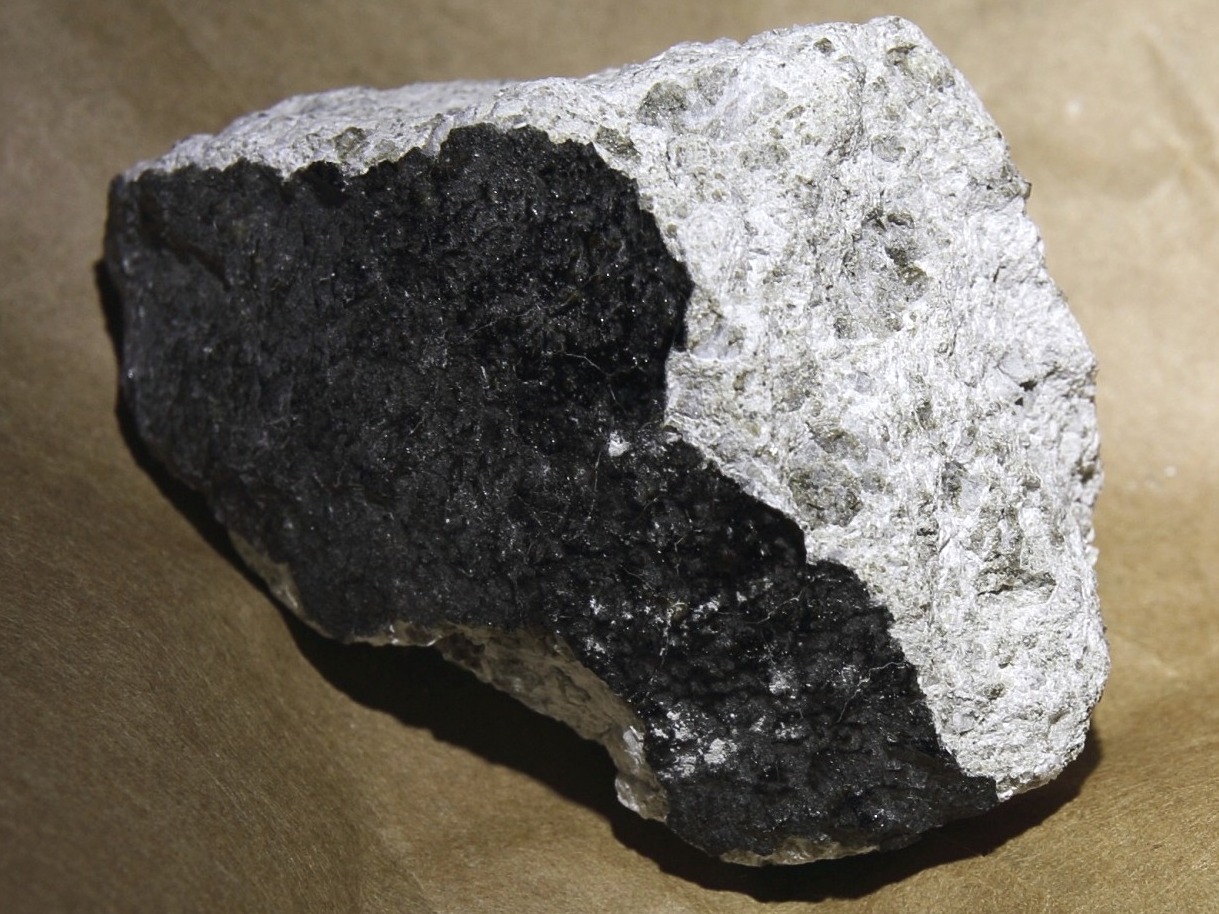
“Using secondary ion mass-spectrometry, we analyzed the Al/Mg isotopic compositions of cleanly resolved Wark-Lovering (WL) rim layers on six calcium-aluminum-rich inclusions (CAIs) of different petrologic types from the Vigarano CV3 chondrite. In five cases, the inferred initial 26Al/27Al ratios [(26Al/27Al)0] are within analytical error of the ratios of the host inclusions and of each other, and in the sixth case the value for the rim sequence is suspect and not deemed reliable. The results for the five reliable CAIs mean that the maximum age difference between the rim sequences and their host inclusions is at most 105 years and possibly less. Petrologic observations show that the effects of the rim-forming process were not limited to the rims themselves but extended well into the inclusion interiors. The fact that the (26Al/27Al)0 of WL rims are within analytical error of each other raises the possibility that all WL rim sequences formed during a single nebula-wide event, but the fact that the inclusions are diverse petrologically makes this unlikely. We propose instead that the diverse rims formed during multiple nebular reheating events after the initial formation of the inclusions, leading to surface melting, volatilization, and recondensation. Our isotopic data for some rim phases, especially forsterite and diopside, tend to be isotopically lighter (lower δ25Mg) than their host inclusion interiors, suggesting that they formed predominantly by recondensation.”