The Dingle Dell (L6) meteorite fall: In-depth characterization of an L chondrite with some LL-like properties originating from the inner main belt
Seamus L. Anderson, Gretchen K. Benedix, Lucy V. Forman, Luke Daly, Belinda Godel, Lionel Esteban, Matthias M.M. Meier, Colin Maden, Henner Busemann, Qing-Zhu Yin, Matthew E. Sanborn, Karen Ziegler, Jon M. Friedrich, Kees C. Welten, Marc W. Caffee, Kieren T. Howard, Hannah Mclain, Katarina Yocum, Daniel P. Glavin, Jason P. Dworkin, Robert Macke, Ashley F. Rogers, Hadrien A.R. Devillepoix, Phil A. Bland, Martin C. Towner, Eleanor K. Sansom, Alex W.R. Bevan
MAPS, Version of Record online: 10 September 2026
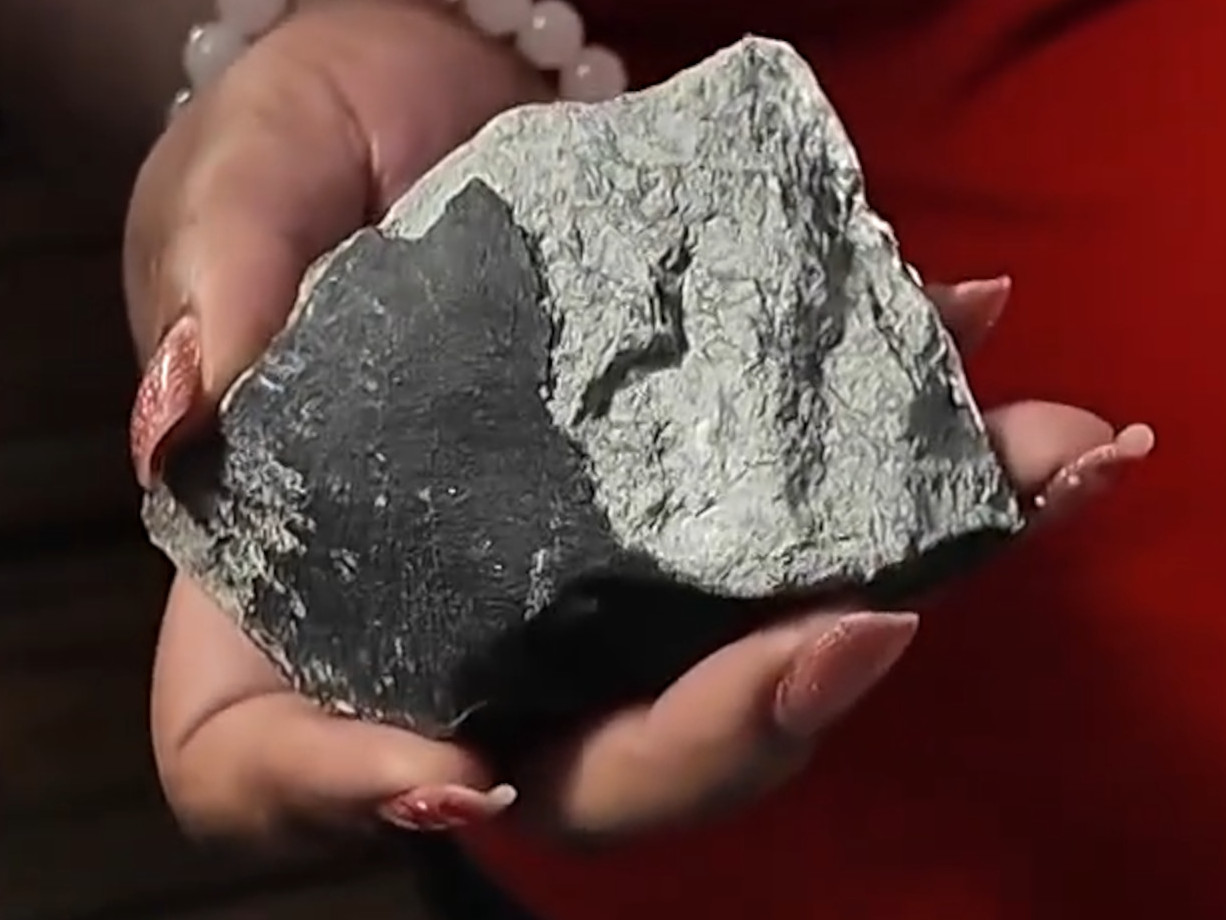
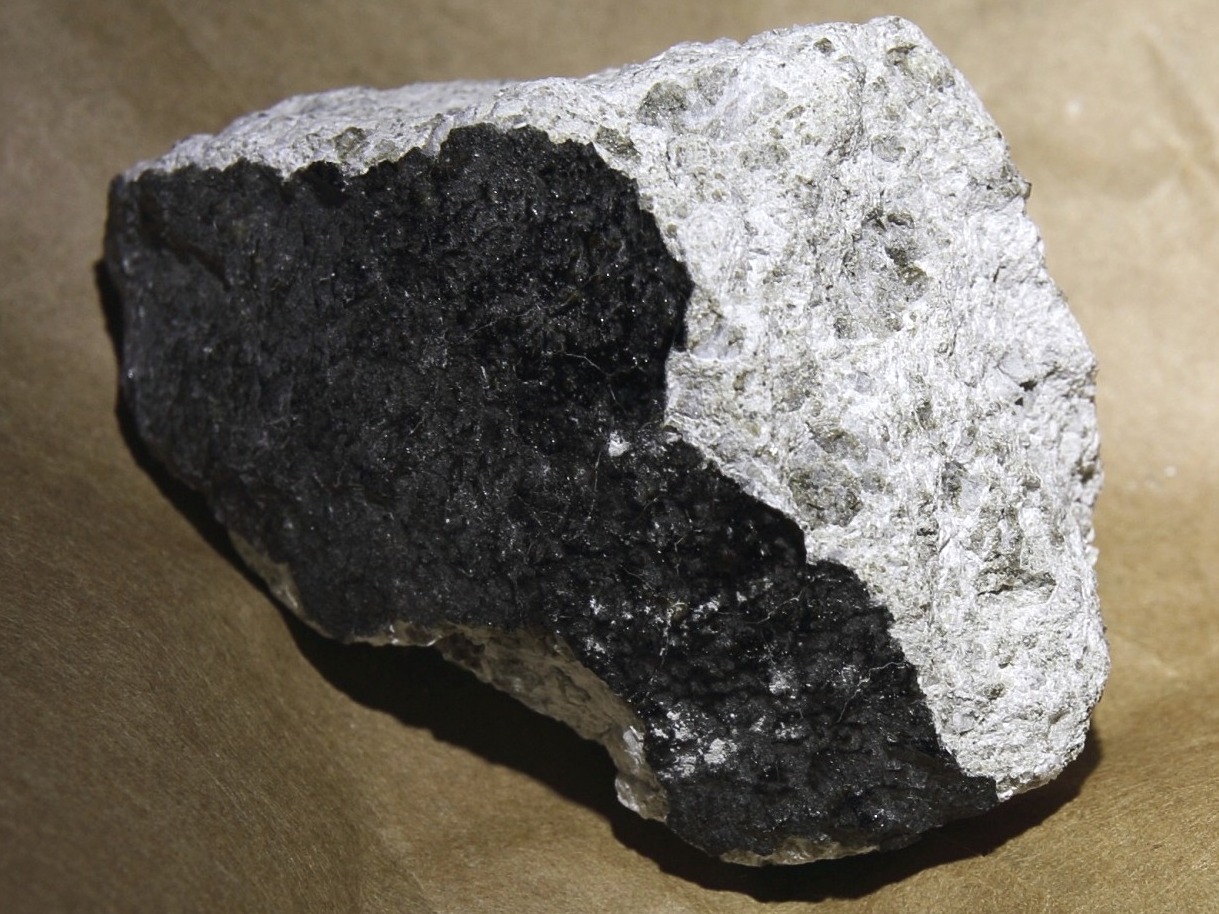
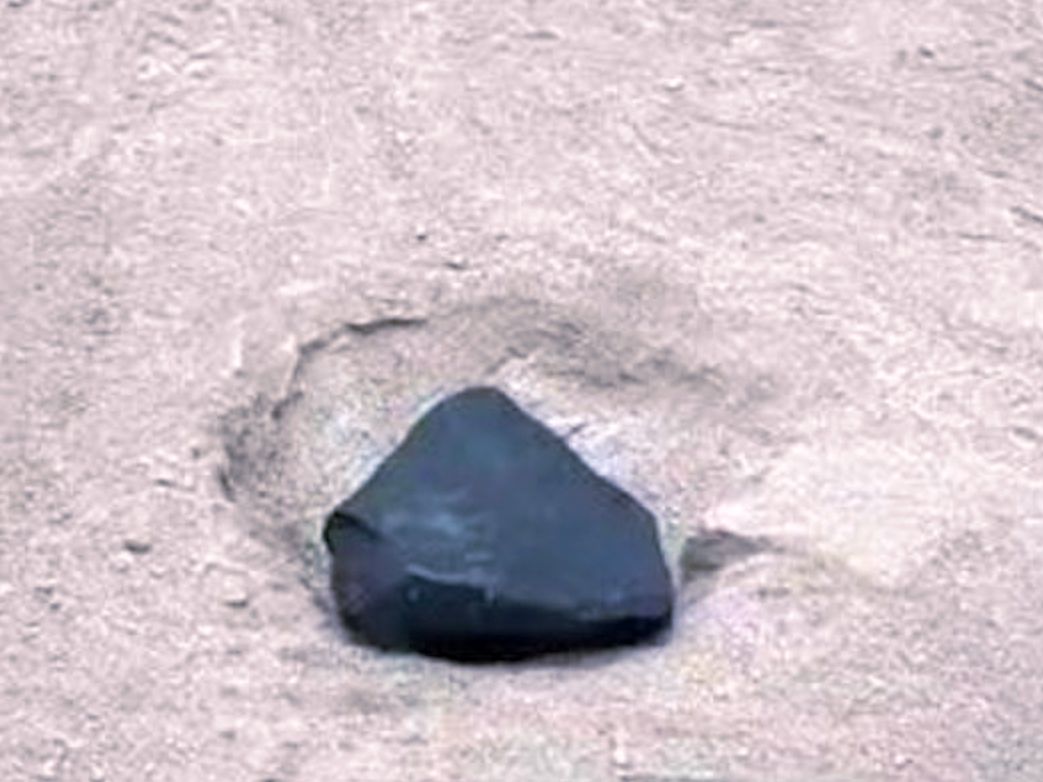
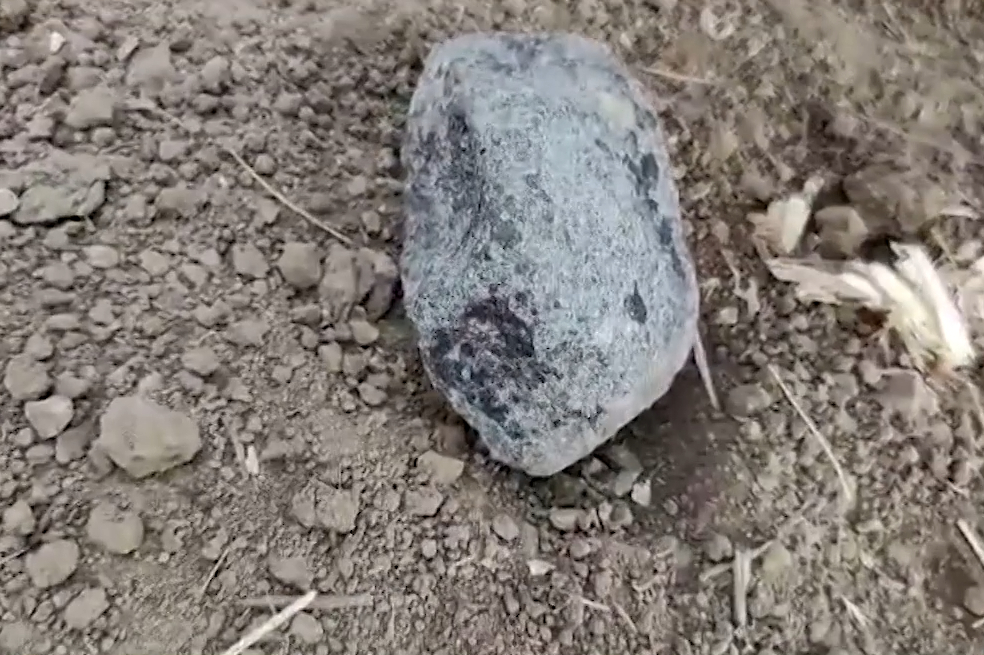
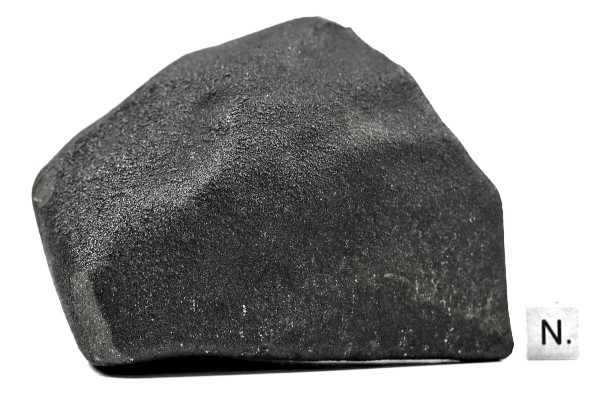
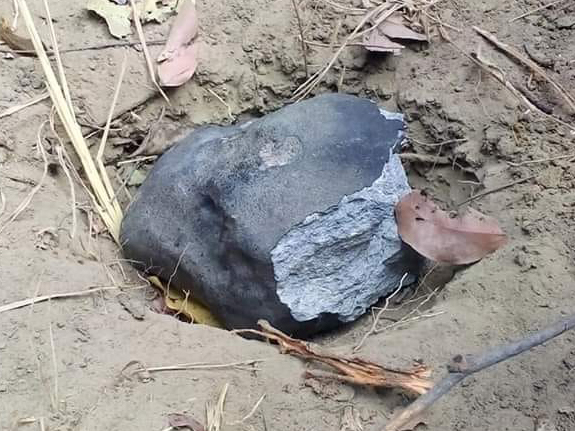
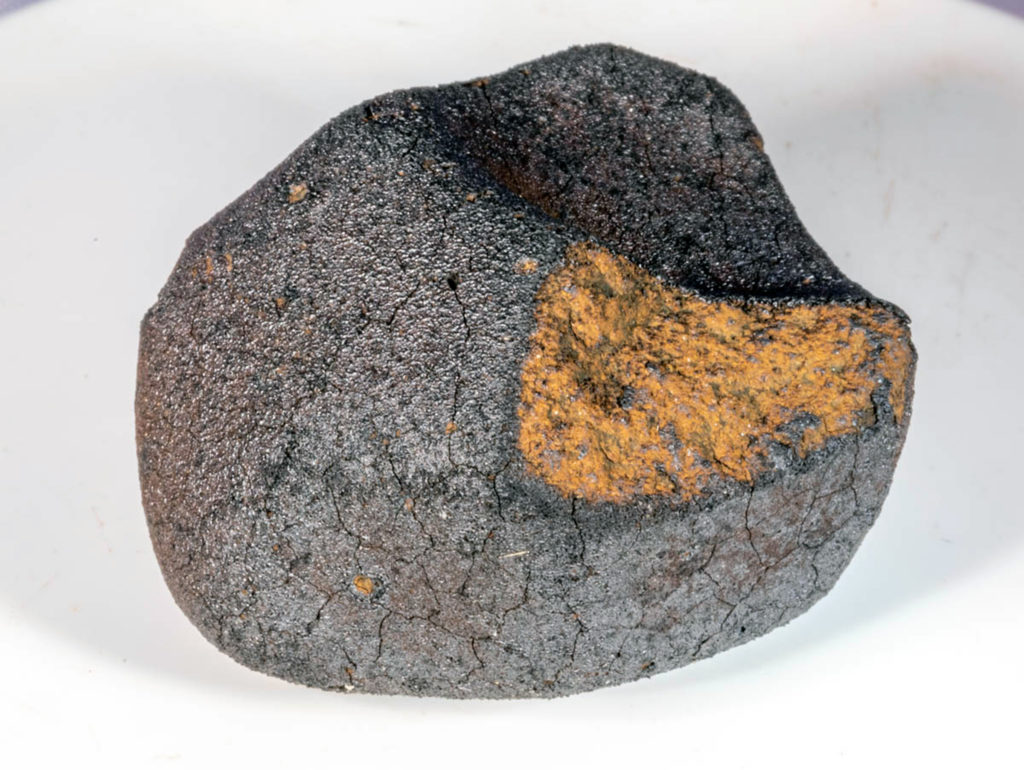
“The Dingle Dell meteorite fell in the wheat belt of Western Australia on Halloween night (October 31st) in 2016 and was observed by multiple cameras from the Desert Fireball Network, being recovered less than a week later. In this paper, we report the in-depth characterization and reclassification of this meteorite, from its original LL6 class to an updated L6 chondrite. Dingle Dell is an unbrecciated L6 chondrite with low shock features (S2) and no weathering (W0). The silicate mineral chemistry is typical of an L chondrite (Fa = 24.4 ± 0.3; Fs = 20.5 ± 0.2; Wo = 1.6 ± 0.3; all mol%), while the kamacite-Co concentration is on the high end of the L-chondrite range. The measured oxygen isotopes (δ17O = 3.809 ± 0.068; δ18O = 5.102 ± 0.126; Δ17O = 1.115 ± 0.011) are slightly more consistent with an LL chondrite classification, though on the border shared by L and LL chondrites. The chromium isotopic anomaly measured in Dingle Dell also places it among both L and LL chondrites (ɛ54Cr = −0.37 ± 0.09). Analyses of cosmogenic radionuclides and noble gases indicate that Dingle Dell existed as a small meteoroid (10–15 cm radius) for 9.3 ± 1.3 Myr before impacting the Earth. Ideal gas pycnometry indicates a grain density of 3.61 ± 0.01 g cm−3 and a bulk density of 3.23 ± 0.02 g cm−3, revealing a calculated porosity of 10.5% ± 0.5%. Dingle Dell’s likely source region near the 3:1 mean motion resonance may constitute meteoritic sampling from an asteroid not associated with the Massalia or Flora families, the proposed sources for many L chondrites.”