Petrography and mineral chemistry of Northeast Africa 053 — A remnant of Martian crystal mushOPEN ACCESS
Xhonatan Shehaj, Eleonora Ammannito, Giovanni Pratesi
MAPS, Version of Record online: 02 March 2026
LINK (OPEN ACCESS)
PDF (OPEN ACCESS)
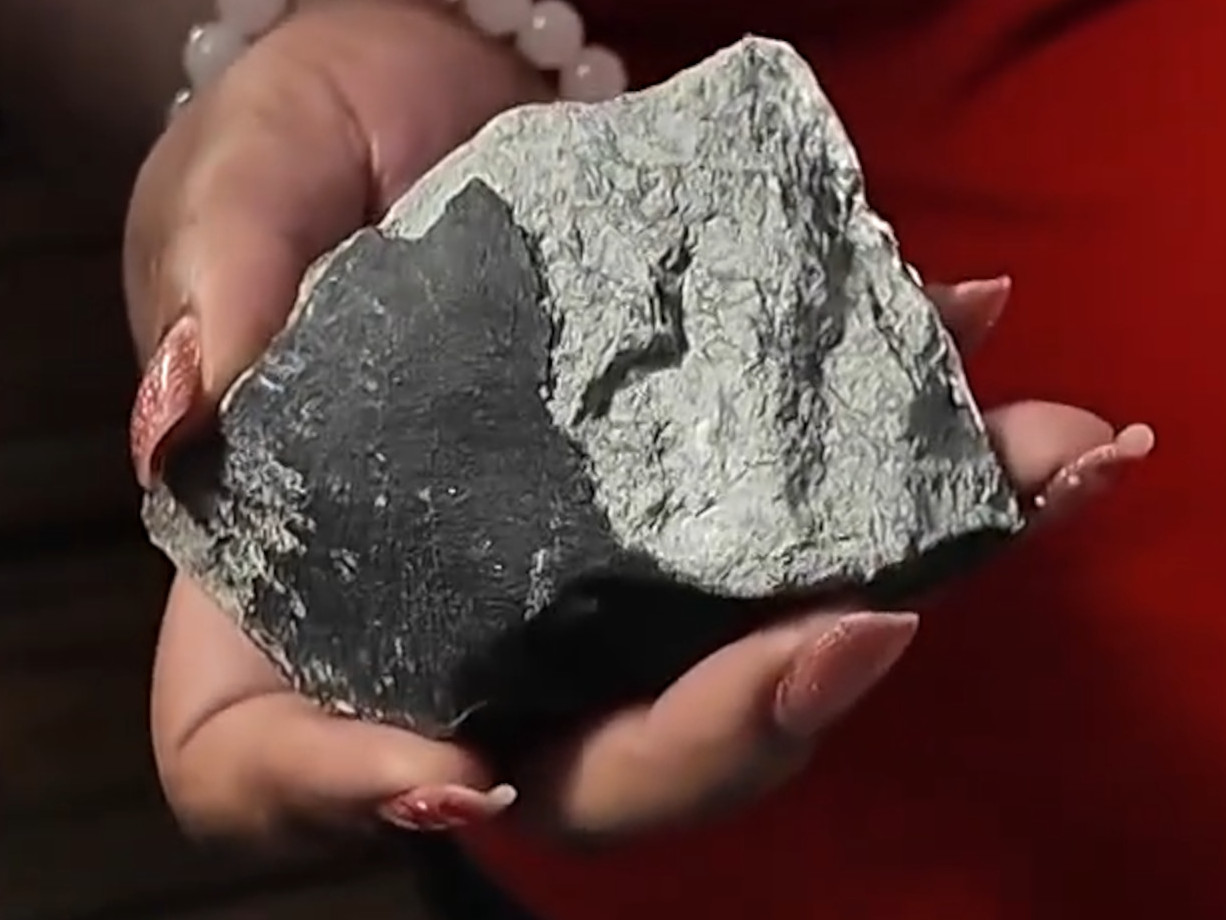
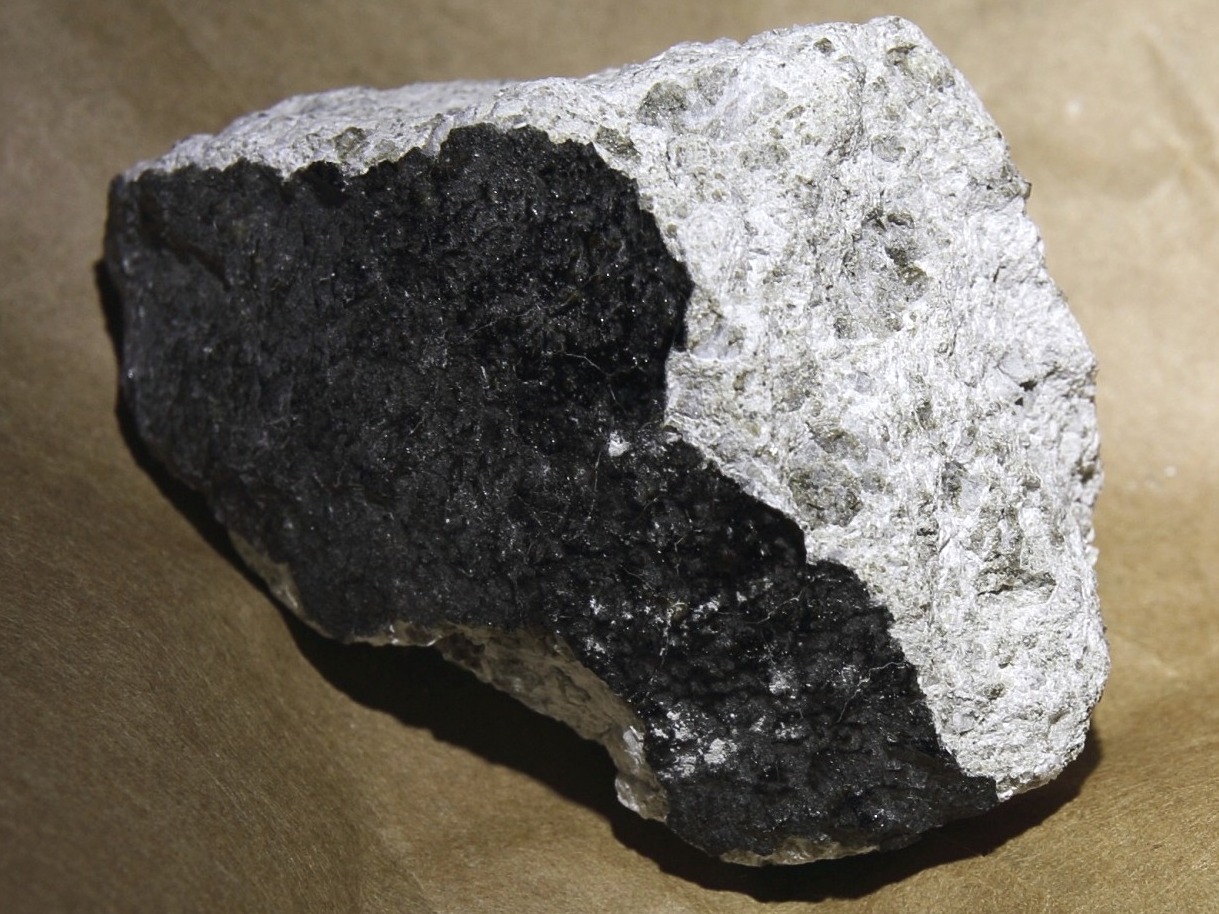
“In Earth’s igneous systems, crystal mushes, crystal-rich frameworks permeated by silicate melt, represent a common and fundamental stage in the evolution of magma bodies. However, whether crystal mushes occur within Martian igneous systems and play a comparable role is unknown. Here, we present a comprehensive petrography and mineral chemistry study of a new pyroxene- and olivine-phyric shergottite, Northeast Africa 053, found in Libya in 2023. This sample exhibits a basaltic bulk chemical composition and a porphyritic texture, primarily characterized by pyroxene and olivine megacrysts set in a groundmass of lath-like maskelynite (shocked plagioclase) and pyroxene. A remarkable feature of this sample is the distribution of pyroxene crystals, which delineates a distinct fine-grained layering juxtaposed within a coarse-grained domain, unusual for a Martian meteorite. Pyroxene grains in both textural domains exhibit a consistent zoning pattern, typically characterized by Mg-rich pigeonite cores, augite mantles, and in some grains, a defined Fe-rich pigeonite rims. High-precision electron microprobe analyses reveal that distinct chemical differences evolved during the late stages of pyroxene crystallization, particularly in the FeO content of the crystal rims and in groundmass grains between the two textural domains. In the fine-grained layer, late-forming pyroxene shows a progressive FeO enrichment from rims to groundmass (FeOrim = 27.72 ± 3.73 wt%; FeOgroundmass = 30.30 ± 2.15 wt%), whereas in the coarse-grained domain, the FeO content is lower (FeOrim = 25.68 ± 5.74 wt%; FeOgroundmass = 26.90 ± 5.19 wt%). This trend, along with the juxtaposition of the fine- and coarse-grained texture, suggests that the two textural domains likely formed in separate zones within a single evolving magmatic body, shaped by local thermal gradients. We interpret these features as relicts of a dynamic crystal mush system, potentially driven by magma ascent and shallow emplacement. This implies that Martian magmatic activity exhibited rheological properties and dynamics similar to those observed in Earth’s magmatic systems, highlighting the complex internal architecture of Martian igneous bodies.”