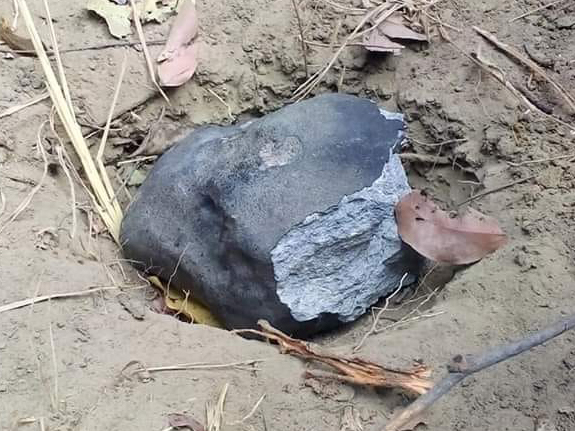
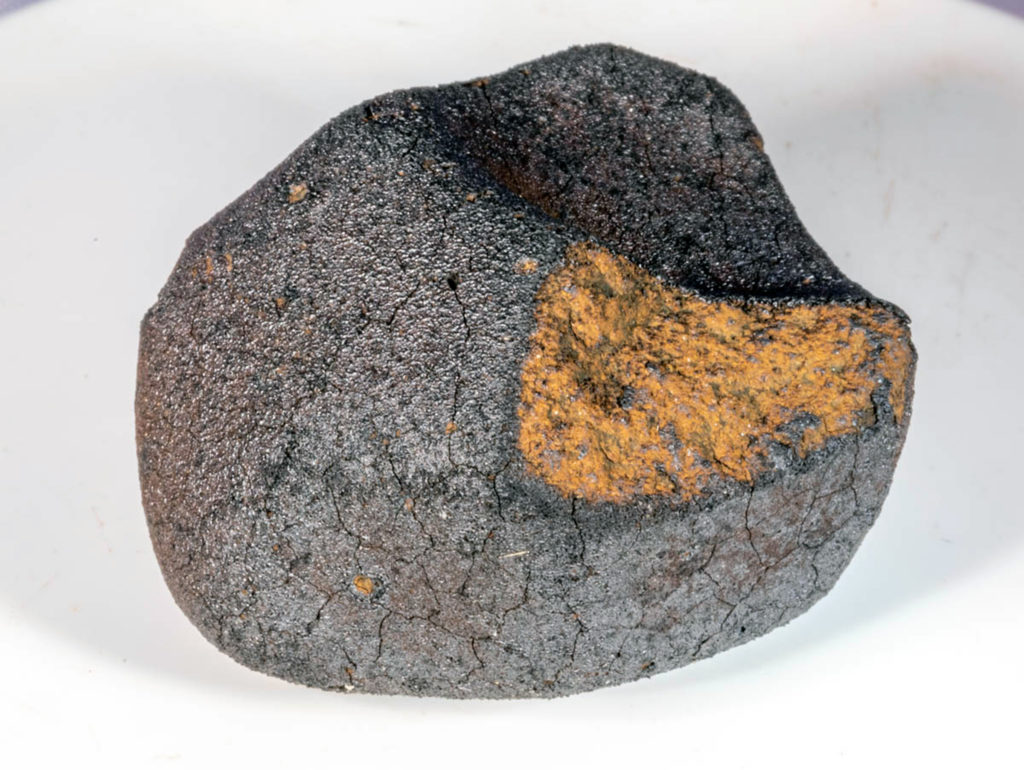
Chronology of ungrouped achondrites Northwest Africa 11119 and 7325/8486: implications for early evolution of a heterogeneous crust on a differentiated planetesimal
Daniel R. Dunlap, Julia A. Cartwright, Piers Koefoed, Evgenii Krestianinov, Stephen J. Romaniello, Carl Agee, Yuri Amelin, Meenakshi Wadhwa
Geochimica et Cosmochimica Acta, In Press, Journal Pre-proof, Available online 14 March 2026
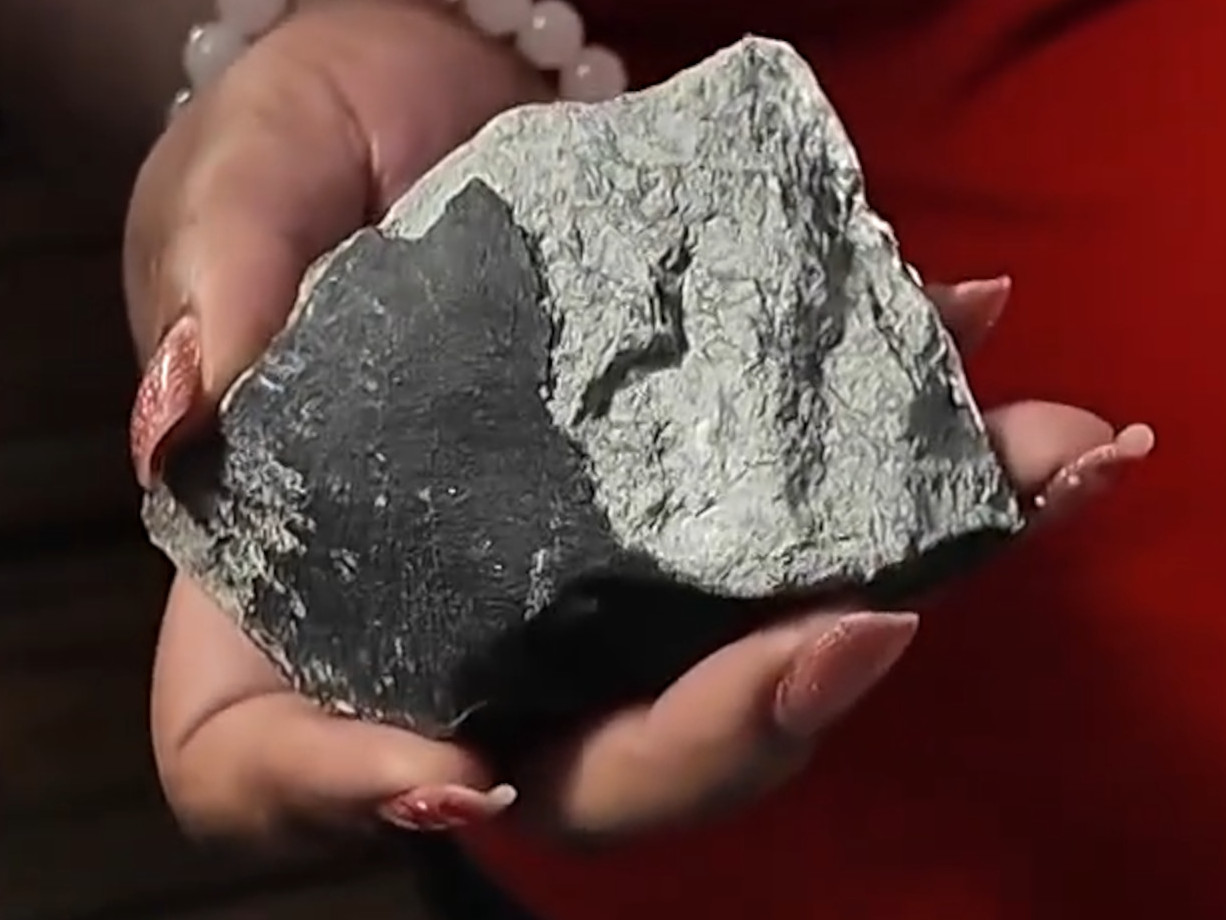
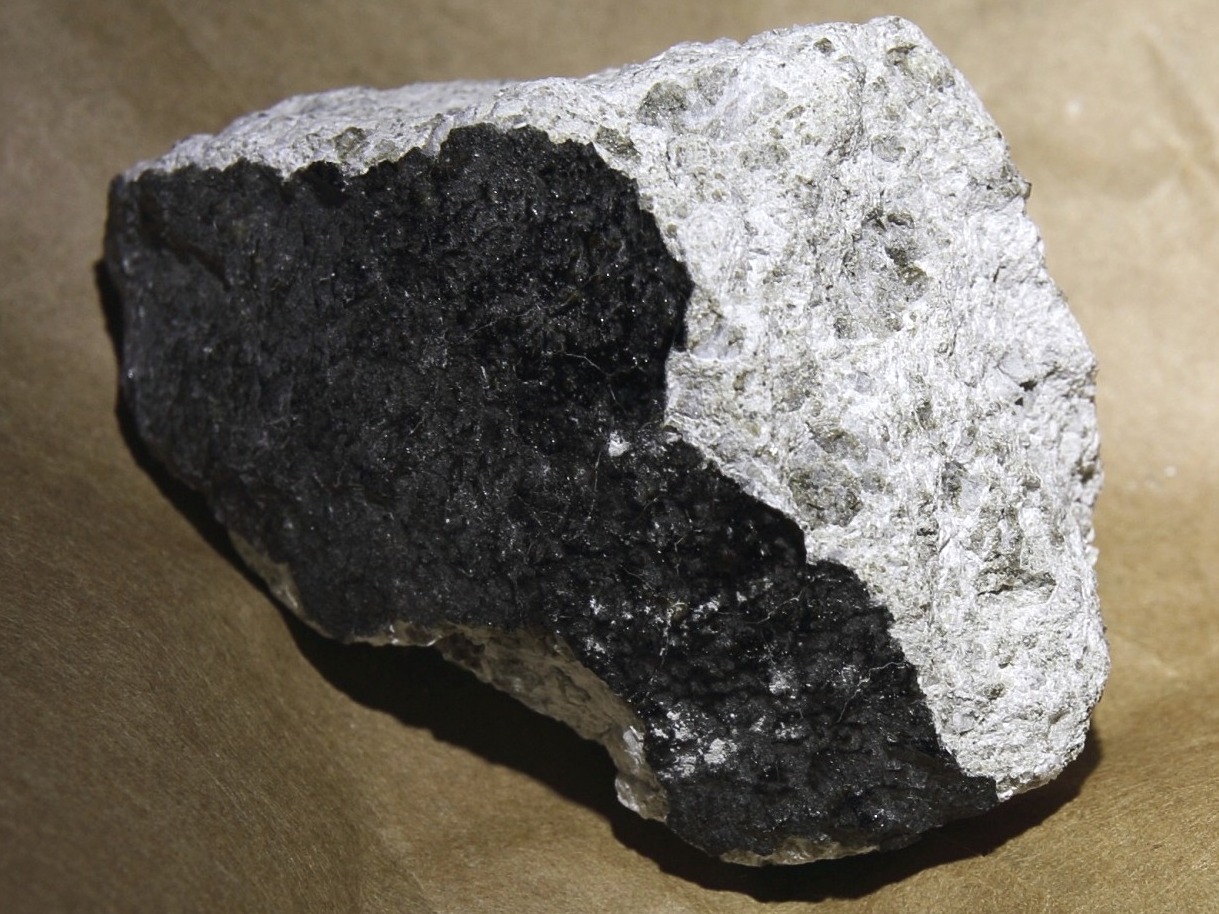
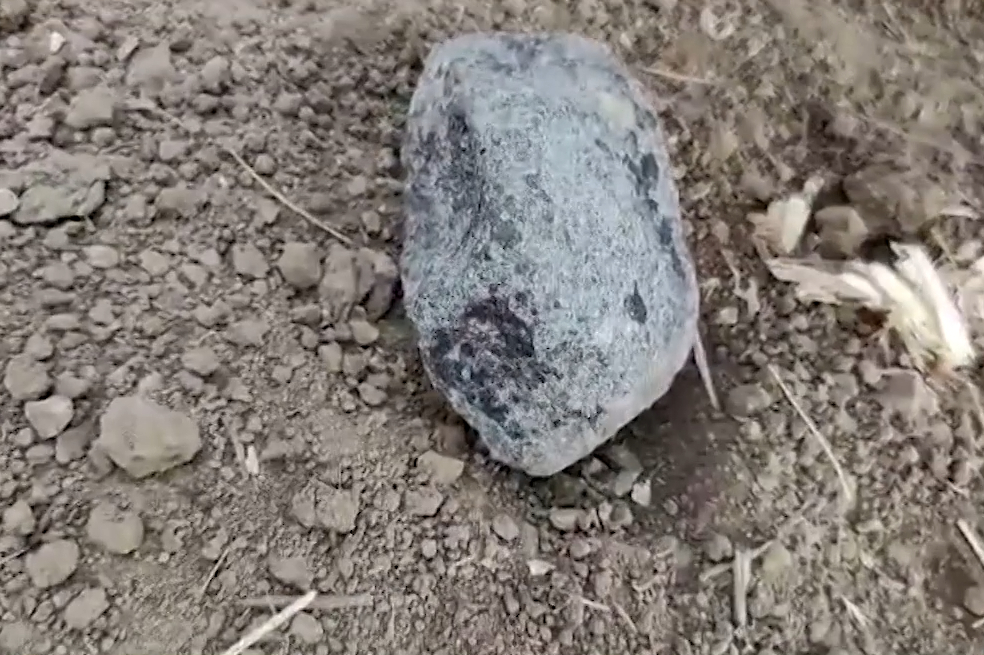
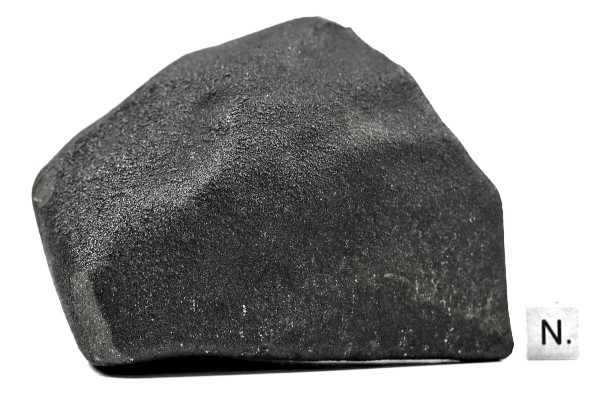
“The chronology of ungrouped achondrites provides key insights into the timeline of igneous activity in the early Solar System. Two ungrouped achondrites – Northwest Africa (NWA) 11119 (andesite-dacite) and NWA 8486 and its pair NWA 7325 (olivine gabbro) – are the focus of this study, where their chronologies are investigated using multiple high-resolution techniques. Here we report the lead-lead (207Pb-206Pb) and manganese-chromium (53Mn-53Cr) systematics of NWA 11119, as well as the 207Pb-206Pb systematics of NWA 8486 alongside aluminum-magnesium (26Al-26Mg) systematics for NWA 7325. The U-corrected 207Pb-206Pb ages of NWA 11119 and the combined ages of NWA 7325/8486 are 4566.4 ± 0.8 Ma and 4563.8 ± 1.9 Ma, respectively. Additionally, we report the 53Mn-53Cr age of NWA 11119 to be 4564.4 ± 2.5 Ma and the 26Al-26Mg age of NWA 7325/8486 to be 4563.1 ± 0.3 Ma.
The formation of NWA 11119 requires partial melting of a (likely chondritic) source reservoir leading to eruption of Si rich, alkali depleted magmas, while NWA 7325/8486 likely formed from a chemically fractionated reservoir with superchondritic Al/Mg. The clear geochemical and isotopic similarities of these achondrites, combined with the chronology reported here, is suggestive of formation of these two ungrouped achondrites on a common parent body which likely formed in the inner Solar System and experienced early differentiation under reducing conditions. If these achondrites did share a parent body, it would suggest that primary asteroids in the early Solar System commonly produced mineralogically and geochemically heterogeneous crusts. While mineralogical and geochemical heterogeneity is known to exist in the (mostly mafic) crust of asteroid Vesta, our findings show that even more significant crustal heterogeneity (representing felsic and mafic compositions) may exist on other asteroids.”