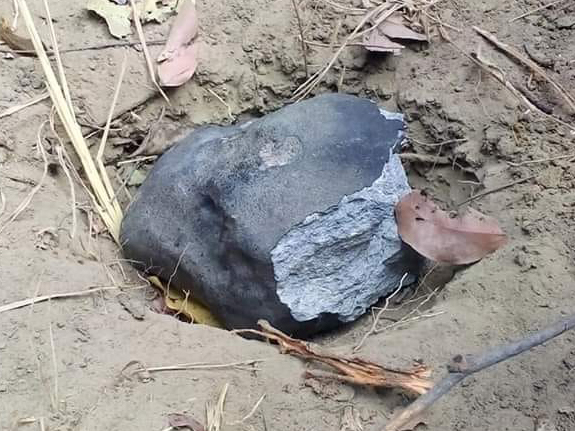
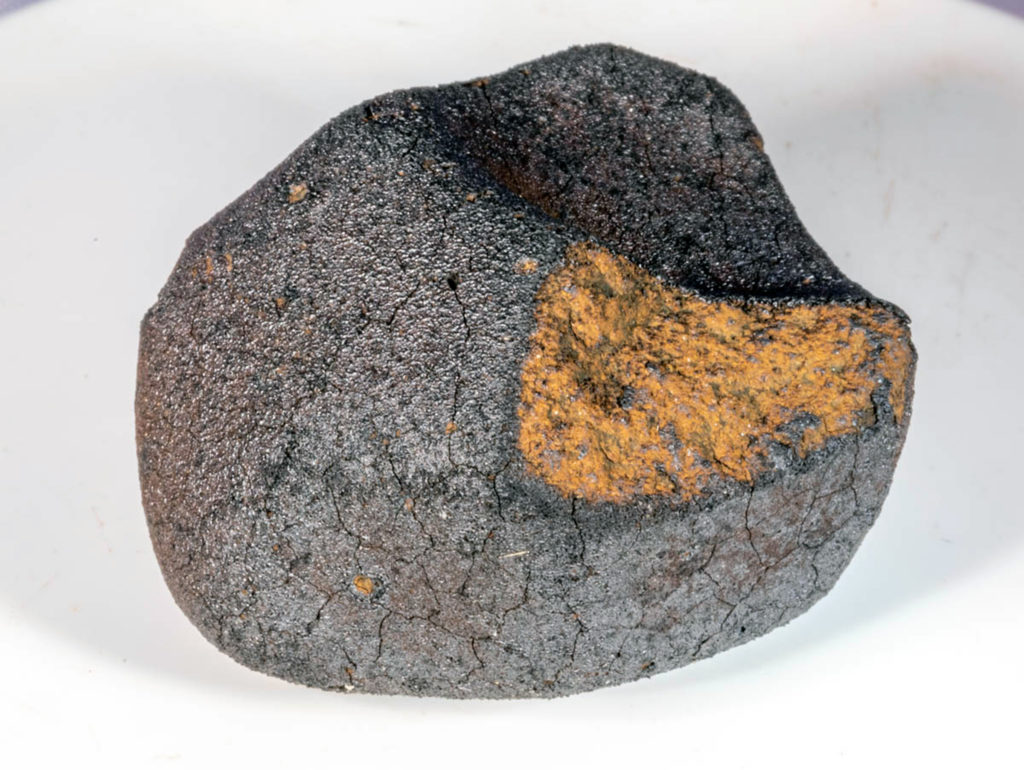
CI chondrite Oued Chebeika 002 links asteroids Bennu and Ryugu to common parent body
Megan Broussard, Katharina Lodders, Paul K. Carpenter, Piers Koefoed, Karen Ziegler, Kunihiko Nishiizumi, Marc W. Caffee, Laurence A. J. Garvie, Ryan C. Ogliore, Anthony J. Irving, Bradley L. Jolliff, Kun Wang
MAPS, Version of Record online: 08 April 2026
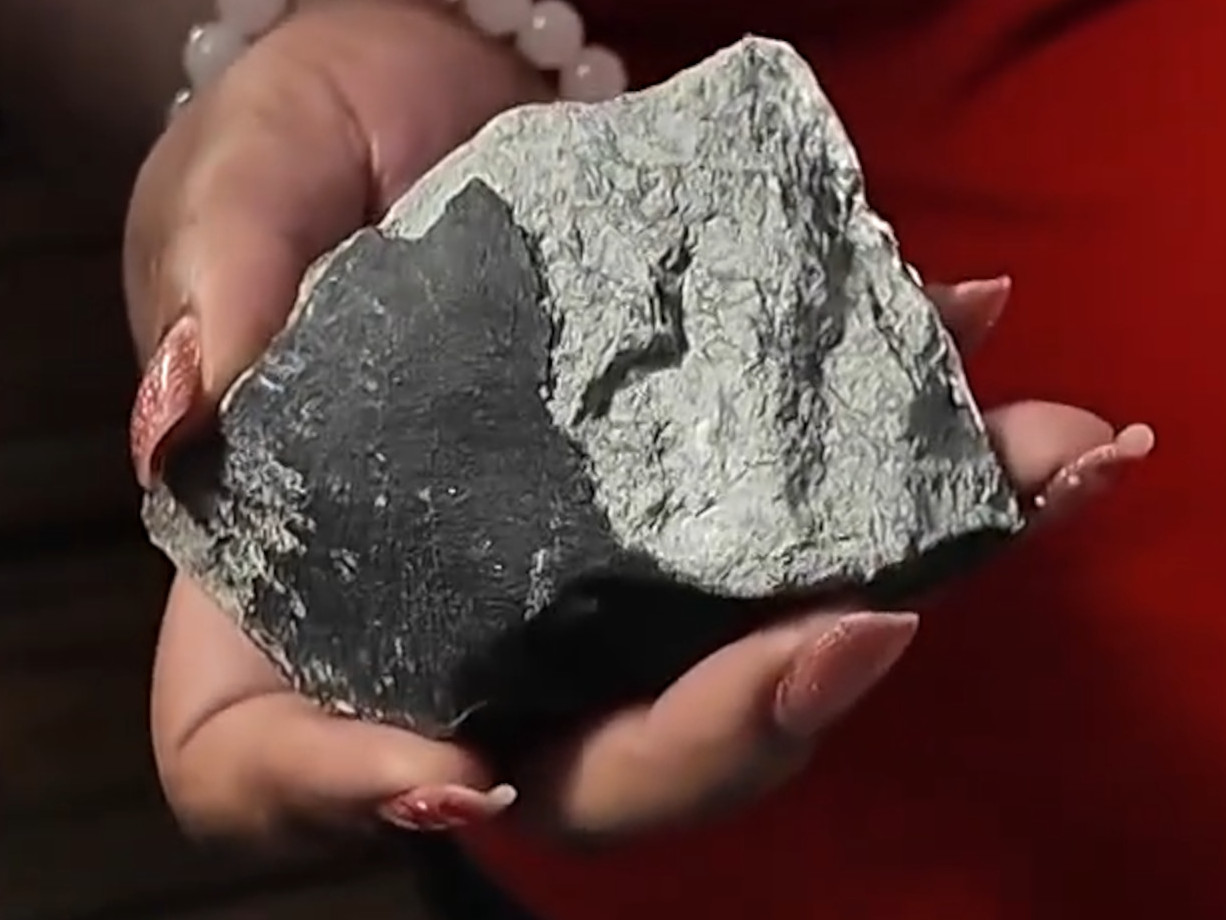
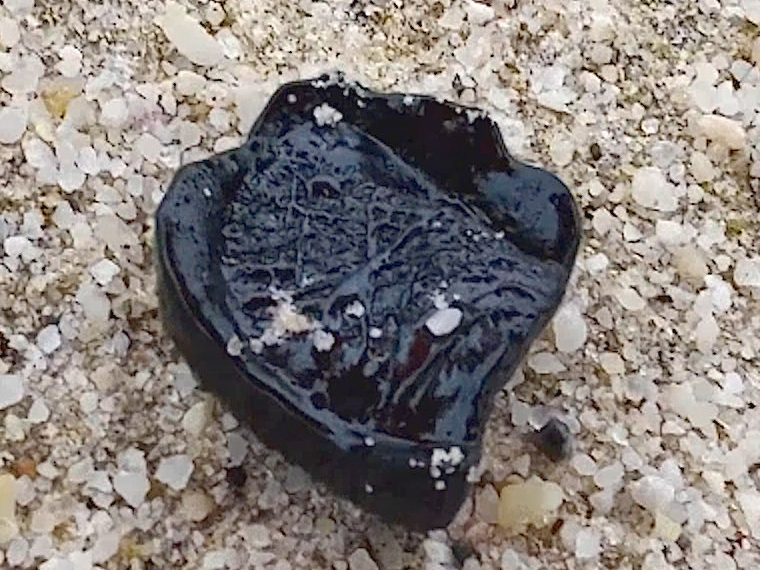
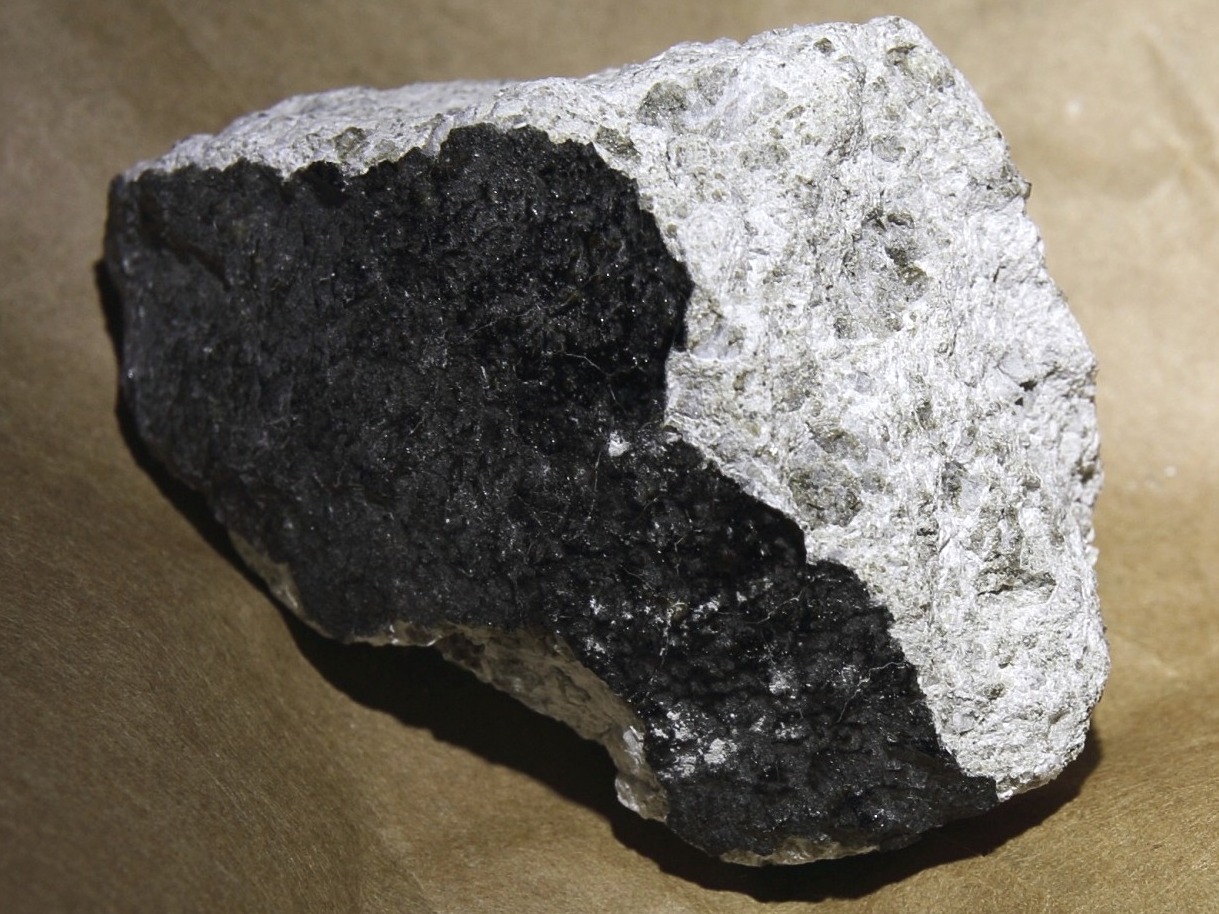
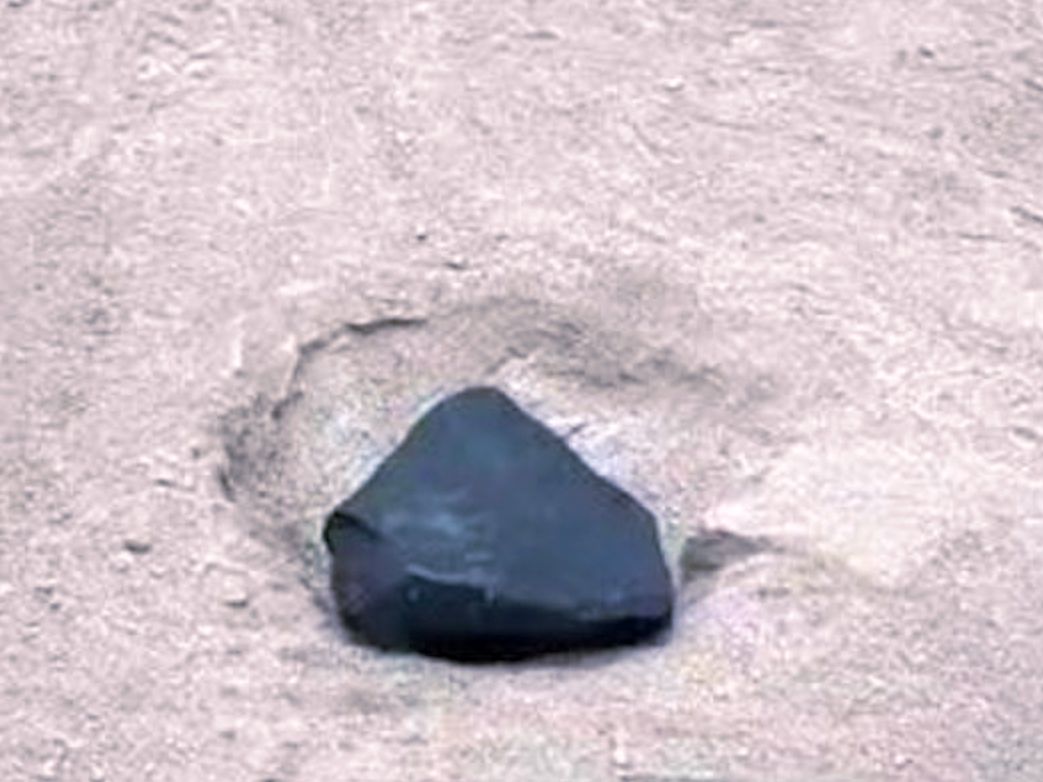
“CI chondrites are a compositionally primitive group of meteorites that have undergone extensive aqueous alteration, providing insights into the evolution of primitive planetesimals. Oued Chebeika 002 is the most pristine CI chondrite to date. In this work, we report its mineralogy, bulk chemistry, oxygen and potassium isotope ratios, and cosmogenic radionuclides 10Be, 26Al, and 36Cl. The 10Be cosmic ray exposure ages of Oued Chebeika 002 samples are 2.6 ± 0.5 and 2.9 ± 0.7 Myr. The δ41K of two samples is −0.114 ± 0.019 and −0.247 ± 0.044 ‰. We find that the mineralogy, oxygen isotopes, potassium isotopes, and bulk chemistry of Oued Chebeika 002 overlap with those of samples returned from the asteroids Ryugu and Bennu. We therefore propose that CI chondrites and the asteroids Bennu and Ryugu may have originated from a common parent body, for which we propose the name “Naunet,” after an Egyptian goddess of primordial water. Naunet formed in the outer solar system and underwent aqueous alteration. In the main belt, Naunet broke up, producing rubble-pile asteroids, including Bennu, Ryugu, and the secondary CI chondrite parent body/bodies, fragments of which survived passage to the Earth’s surface, becoming CI chondrites.”