Sulfur and copper isotope fractionation during planetesimal collisions: Insights from shock metamorphism in ordinary chondrites
Ming-Yang Li, Dan Zhu, De-Liang Wang, Shi-Jie Li, Xiong-Yao Li, Jian-Zhong Liu & Ying-Kui Xu
Acta Geochimica, Published: 19 May 2026
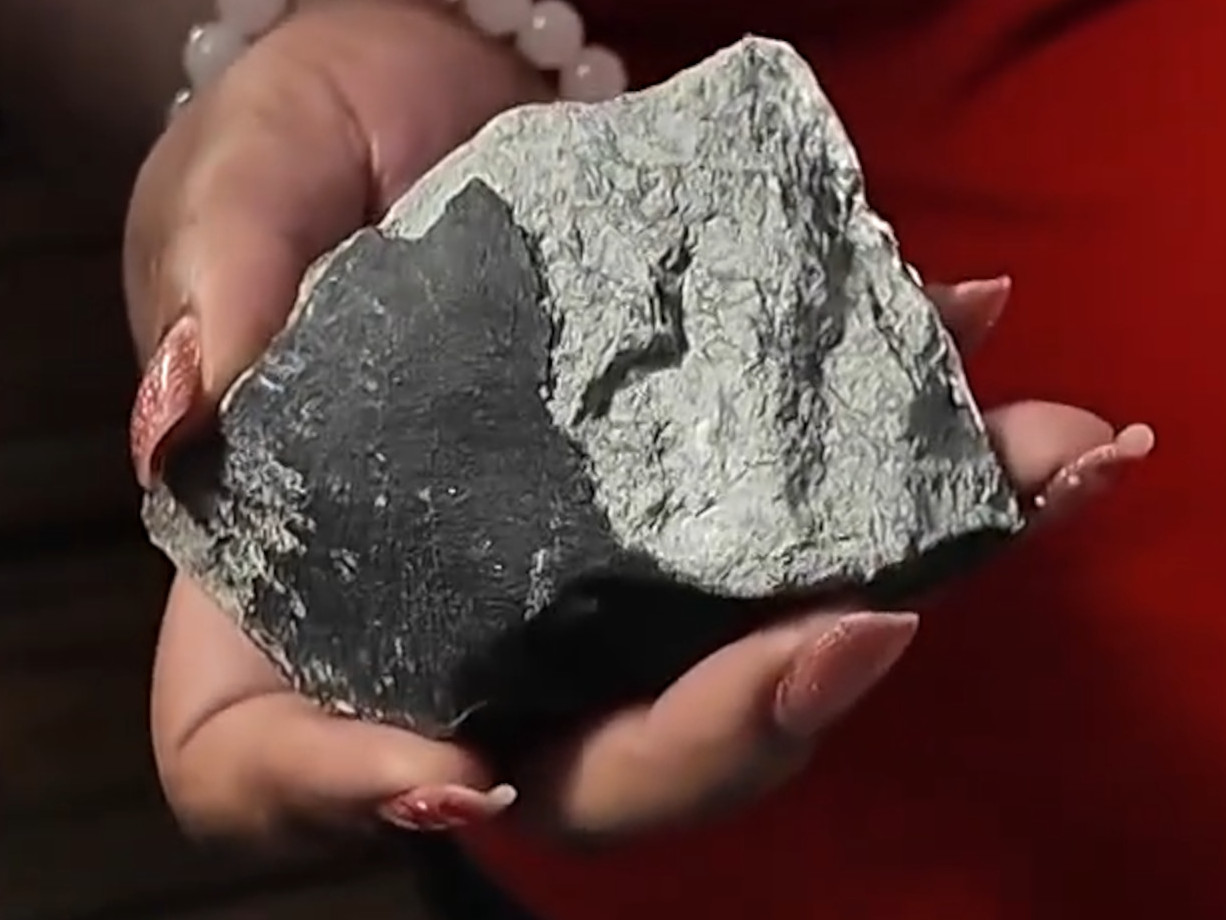
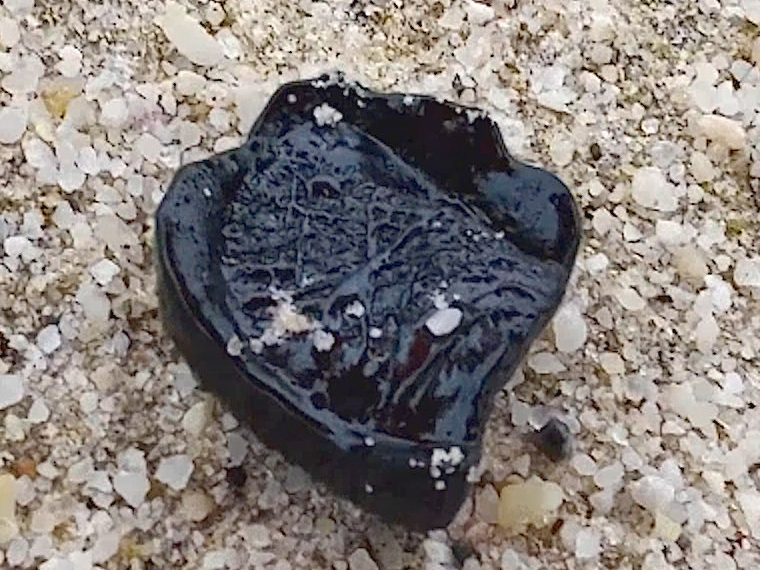
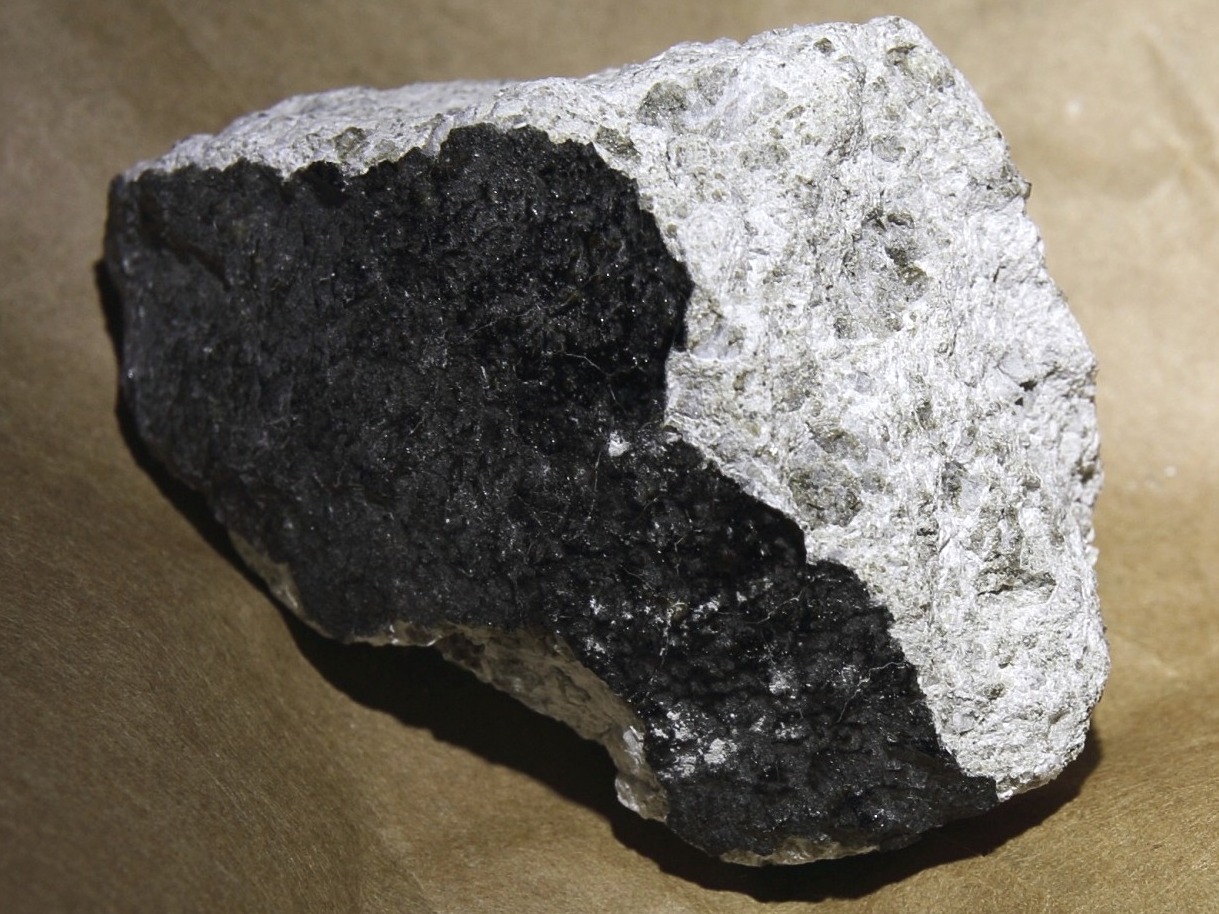
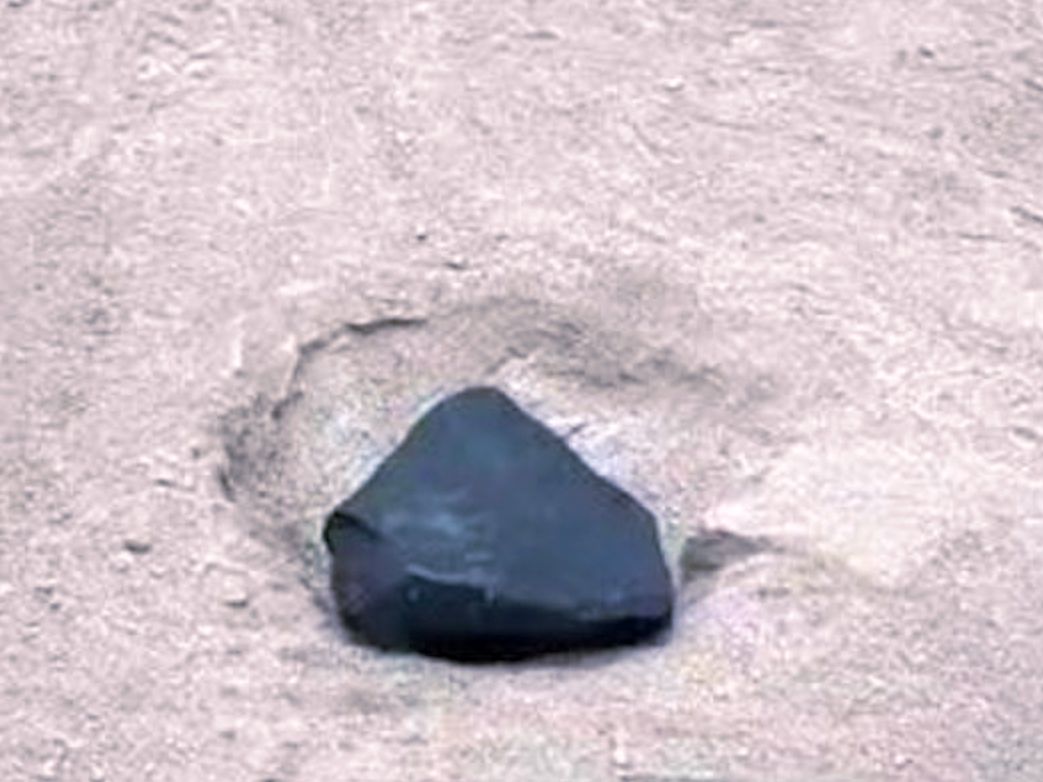
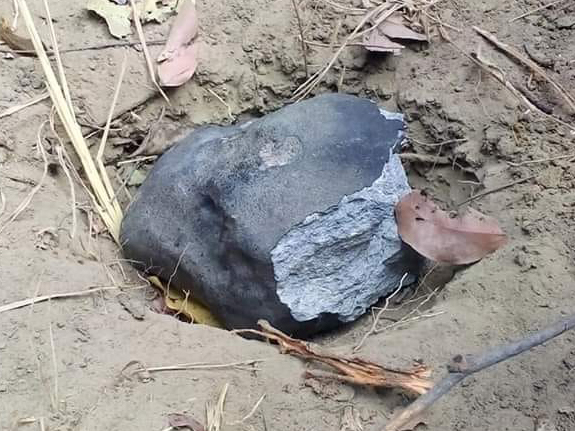
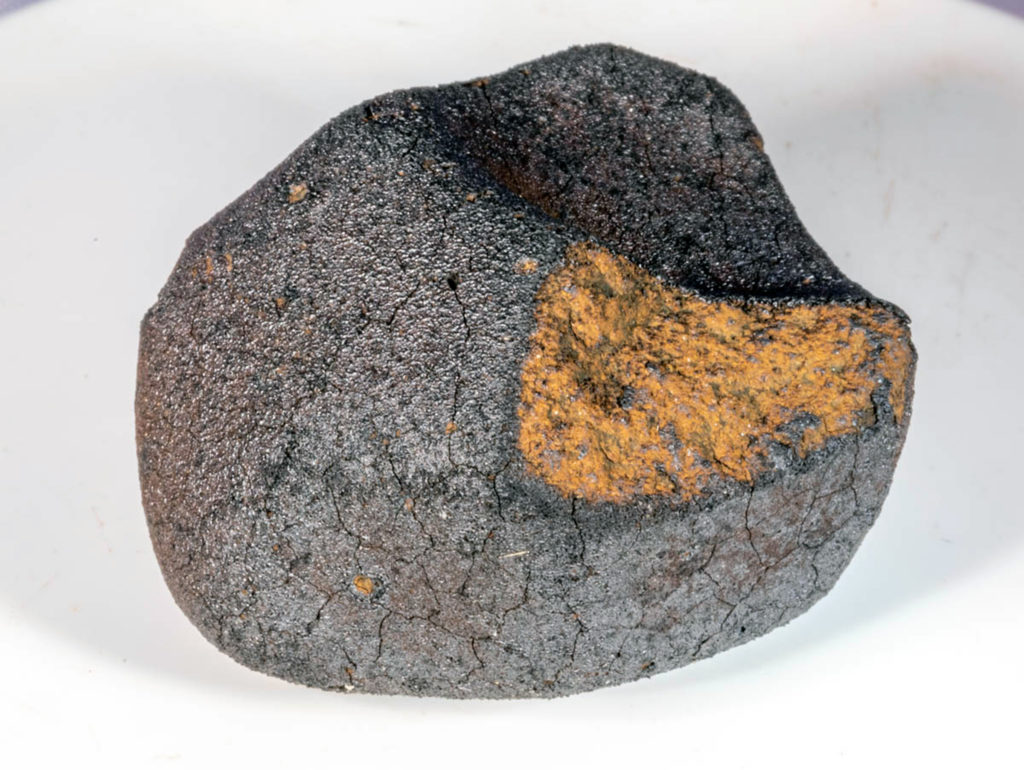
“The accretion of terrestrial planets involved violent collisions among planetesimals, but the mechanisms of volatile element loss during these impacts remain debated. Chondrites, the building blocks of planets, preserve a direct record of these processes. To investigate the behavior of volatiles during impacts, we conducted a paired study of sulfur (S) and copper (Cu) elemental abundances and isotope compositions in shock-melted and unmelted portions of three ordinary chondrites (Chelyabinsk LL5, Viñales L4, Tassédet 004 H5). Our results reveal that sulfur is highly mobile during shock metamorphism. Its migration mechanism transitions from sulfide melt injection at lower shock levels to sulfide decomposition and S2 vapor transport at higher intensities. The latter process leads to substantial S loss and pronounced heavy isotope enrichment in shock melt pockets (SMPs). In contrast, copper exhibits limited volatility, resulting in negligible Cu isotope fractionation under most shock conditions. Measurable Cu loss and heavy isotope enrichment were observed only in the most intensely shocked sample. Mass balance modeling indicates that these processes occurred under extreme shock conditions, and the observed isotope fractionation is best explained by vaporization in a diffusion-limited regime. Our findings demonstrate that impact-induced vapor loss is an effective mechanism for planetary sulfur depletion, whereas the Cu inventory of planetary bodies was likely governed by sulfide segregation during magmatic differentiation rather than evaporation during accretionary collisions.”