Dong M.* Yang W. Li Y. Li S. Hu S. et al.
METSOC 2026 abstract (PDF)
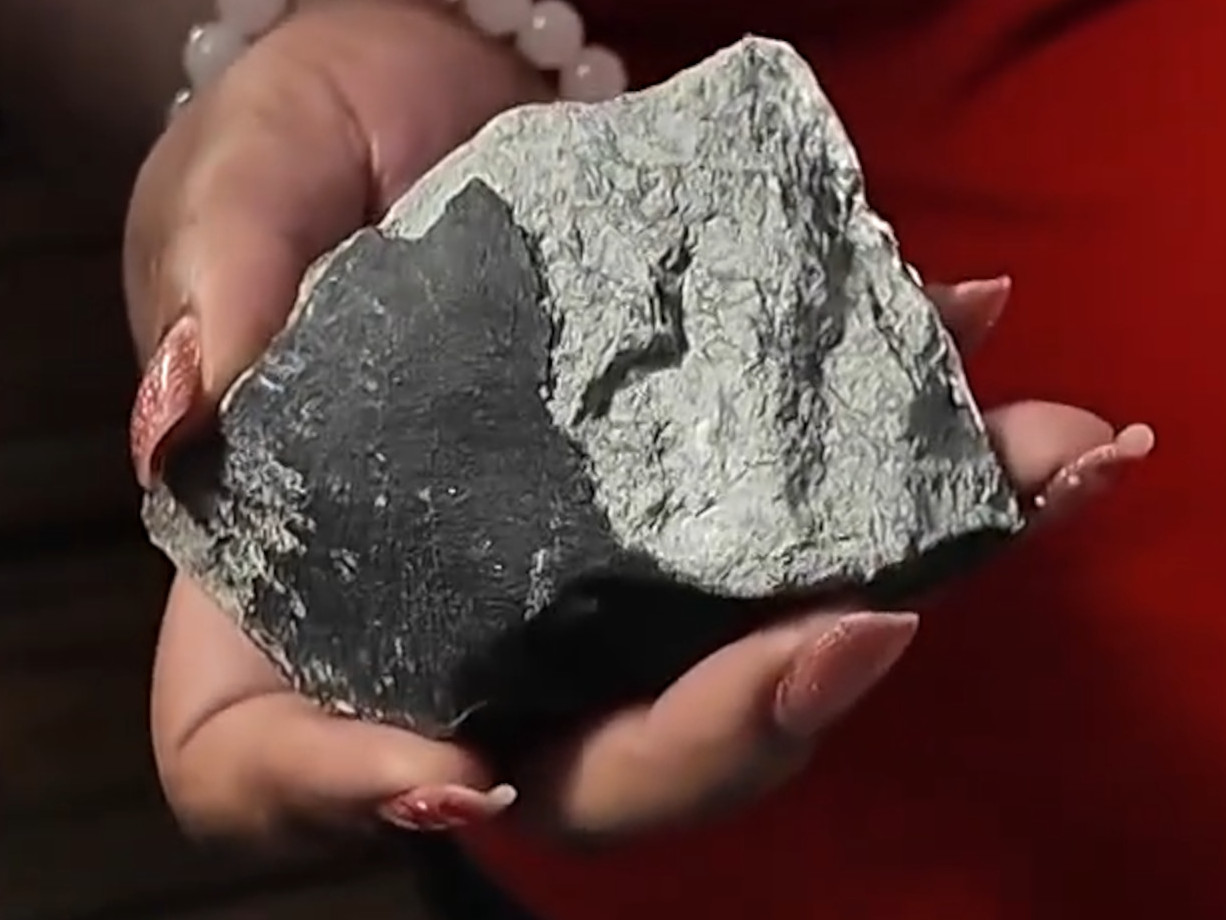
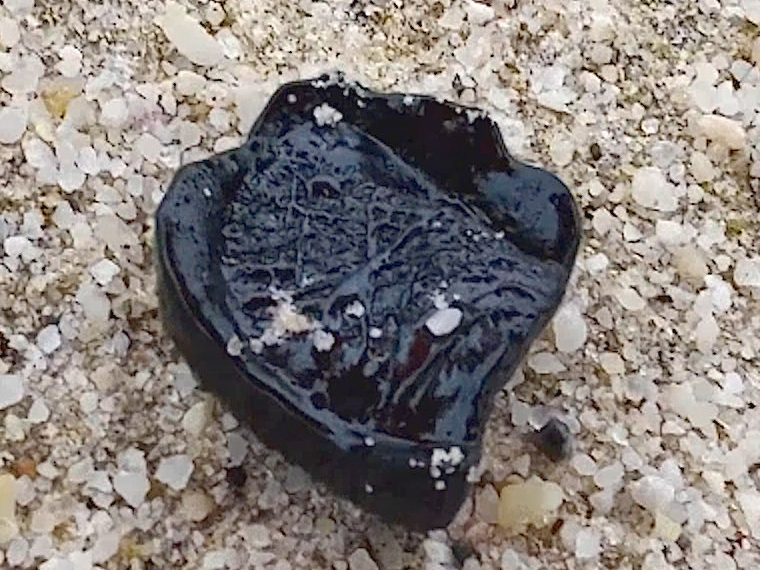
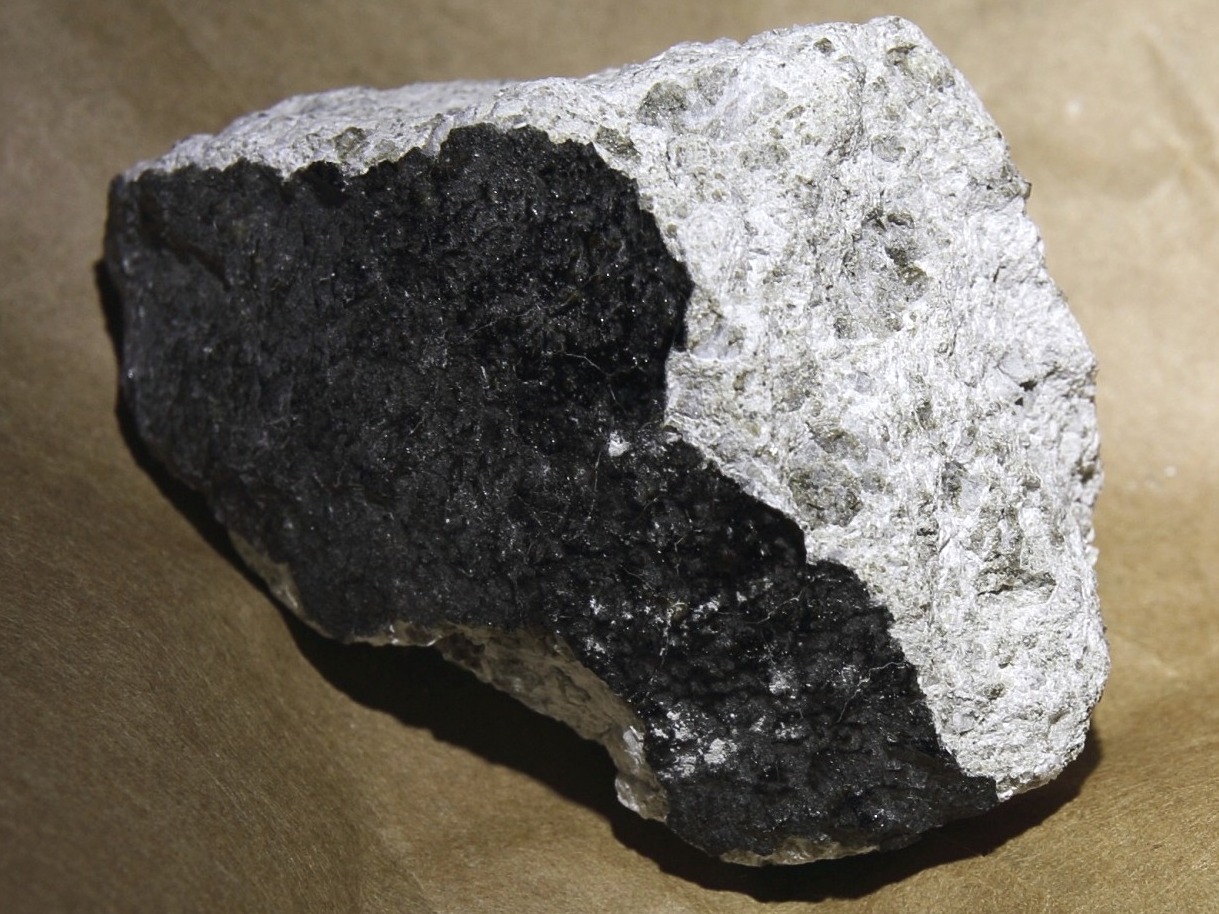
“This study applies UHPLC–HRMS-based prebiomics to nine carbonaceous chondrites (CI1, C2-ung, CM2), showing that soluble organic matter evolution is shaped by source-reservoir differences and parent-body aqueous alteration.”
Select Month September 2026 August 2026 July 2026 June 2026 May 2026 April 2026 March 2026 February 2026 January 2026 December 2025 November 2025 October 2025 September 2025 August 2025 July 2025 June 2025 May 2025 April 2025 March 2025 February 2025 January 2025 December 2024 November 2024 October 2024 September 2024 August 2024 July 2024 June 2024 May 2024 April 2024 March 2024 February 2024 January 2024 December 2023 November 2023 October 2023 September 2023 August 2023 July 2023 June 2023 May 2023 April 2023 March 2023 February 2023 January 2023 December 2022 November 2022 October 2022 September 2022 August 2022 July 2022 June 2022 May 2022 April 2022 March 2022 February 2022 January 2022 December 2021 November 2021 October 2021 September 2021 August 2021 July 2021 June 2021 May 2021 April 2021 March 2021 February 2021 January 2021 December 2020 November 2020 October 2020 September 2020 August 2020 July 2020 June 2020 May 2020 April 2020 March 2020 February 2020 January 2020 December 2019 November 2019 October 2019 September 2019 August 2019 July 2019 June 2019 May 2019 April 2019 March 2019 February 2019 January 2019 December 2018 November 2018 October 2018 September 2018 August 2018 July 2018 June 2018
88th Annual Meeting of The Meteoritical Society 2026 – PROGRAM
LPSC 2026 – PROGRAM
87th Annual Meeting of The Meteoritical Society 2025 – PROGRAM
LPSC 2025 – PROGRAM
Annual Meeting of The Meteoritical Society 2024 – PROGRAM
LPSC 2024 – PROGRAM
Annual Meeting of The Meteoritical Society 2023 – PROGRAM
LPSC 2023 – PROGRAM
Annual Meeting of The Meteoritical Society – PROGRAM
LPSC 2022 – PROGRAM
Meteorite fall (H chondrite) in Ponderosa Forest, Harris County, Texas, USA at 21:40:10 UT on 21 March 2026
WADSWORTH meteorite fall (>1728 g, Eucrite) near Wadsworth (Medina County) and Rittman (Wayne County), Ohio, USA at 12:56:42 UTC on 17 March 2026
KOBLENZ (prov.) meteorite fall (brecciated eucrite) in Koblenz (Güls), Rhineland-Palatinate, Germany, at around 17:55:02 UT on 8 March 2026
JATILABA meteorite fall (~17.924 kg, L6) in Jatilaba, Margasari District, Tegal Regency, Central Java, Indonesia at ~6:35:28 pm WIB (~11:35:28 UTC) on 5 October 2025
KHALWAT-NIMGAON meteorite fall (>380 g, L5, S3) in Khalwat-Nimgaon (खवळट लिमगाव/खालवत लिमगाव), Wadvani, Majalgaon, Beed district, Maharashtra, India at ~1.45-2 or 2-2.20 pm IST (~8:15-8:30 or 8:30-8:50 UTC) on 3 March 2025
BOORAMA (بورما) meteorite fall (~13.658 kg, CO3, S2) of the bolide above Boorama, Awdal (Somaliland/Somalia) and Laylakaal (Ethiopia) at ~ 3:12 a.m. EAT (~ 0:12 UTC) on 6 December 2023
NQWEBA meteorite fall (~530 g, Howardite) in Nqweba (Kirkwood), Eastern Cape, South Africa at ~6:50:40-~6:50:50 UTC on 25 August 2024
Takapō meteorite (810 g, L5, S5/6) of bolide at 21:04:10 NZDT (08:04:10 UTC) on 13 March 2024 found south of Lake Takapō/Tekapo, Mackenzie Basin, Canterbury, New Zealand
MÉNÉTRÉOL-SUR-SAULDRE meteorite fall (714 g, H5) in Ménétréol-sur-Sauldre, Sauldre et Sologne, Cher, Centre-Val de Loire, France at ~22:13:38-48 UTC on 9 September 2023 (~00:13:38-48 CEST, 10 September 2023)
ELMSHORN (H chondrite breccia) meteorite fall, (21 confirmed finds (incl. 3.736 kg, 233.4 g); ~4.271.4 kg TKW, H3-6) in Elmshorn, Pinneberg, Schleswig-Holstein, Germany, at 12:14:24 UT on 25 April 2023
SAINT-PIERRE-LE-VIGER meteorite fall (L5-6, C-S3, >1146.84 g) of asteroid 2023 CX1 (Sar2667) found! Meteorite fall at ~2:59:21 UT on 13 February 2023 near Angiens and Saint-Pierre-le-Viger, Seine Maritime, France
KOPARGAON meteorite fall (LL5) near Bhojade Chauki (भोजडे चौकी) in Kanhegaon (कान्हेगाव) village, Kopargaon (कोपरगाव) subdistrict, Ahmednagar (अहमदनगर) district, Maharashtra, India at ~6.50 am IST (~1.20 UT) on 24 January 2023
TANXI meteorite fall (H6, >10.7 kg) in Tanxi (檀溪镇), Pujiang County (浦江县), Jinhua (金华市), Zhejiang Province (浙江省), China at ~17:48:42- (CST)/ 9:48:42 (UT) on 15 December 2022
RANTILA meteorite fall (Aubrite, 200g – ~6 kg) near Rantila (રન્તીલા) and in Ravel (રાવેલ) village, Diyodar (દિયોદર) , Banaskantha (બનાસકાંઠા) , Gujarat, India at ~19.30 IST (14.00 UT) on 17 August 2022
PORTELÂNDIA meteorite fall (~200g, L5) near Portelândia, Goiás, Brasil on 17 July 2022
GOLDEN meteorite fall (L/LL5, 1270 + 919 g) in Golden, British Colombia, Canada at around 11:33:47 pm MDT on 3 October (5:33:47 UT, 4 Oct.) 2021
RAMÓN DE LAS YAGUAS meteorite fall at ~16.56 UTC on 10 July 2021 (L6, 2.76 kg) near El Ramón de las Yaguas, Santiago de Cuba province, Cuba
‘Sanchore’ iron meteorite fall near Sanchore (सांचौर), Jalore, Rajasthan, India on 19 June 2020 at ~ 6.15 a.m. IST (0.45 UT)
24 MOTOPI PAN meteorites (214.5 g, Howardite, polymict breccia) of Botswana bolide of 2018 LA (2 June 2018, 16:44:01.59-11.77 UT) found near Motopi Pan watering hole, Central Kalahari Game Reserve, Ghanzi, Botswana
WINCHCOMBE meteorite fall (CM2, ~601.9-~650 grams, >8 masses) in Winchcombe and Woodmancote, Tewkesbury Borough, Gloucestershire, UK on 28 February 2021 at ~21:54:15-24 UT
PUNGGUR – meteorite fall (H7-melt breccia, 6599 grams) in Mojopahit and Astomulyo (Punggur district) and Gunung Sugih, Central Lampung, Sumatra, Indonesia on 28 January 2021 shortly before 21:53:07 WIB (14:53:07 UTC)
Ådalen / Revelsta / Altuna / Fjärdhundra (prov.) iron meteorite of 7 November 2020 (21:27:00 UT) bolide found near Revelsta, Altuna, Fjärdhundra, Enköping Municipality, Uppsala County, Sweden
Meteorite fall in Falealupo-Tai, Vaisigano, Savai’i, Samoa on 3 February 2021
MADURA CAVE fall (L5, 1.072 kg) near Madura Cave, Western Australia, Australia, on 20 June 2020 at 6:05 a.m. AWST (20.05 UTC, 19 June)
TIROS meteorite fall (~400 g, Howardite) near Tiros, Minas Gerais, in Brazil at ~3.25.15 a.m. BRT (~6.25.15 UTC) on 8 May 2020
TARDA meteorite fall (~ 4 kg, C2-ung) near (Ksar) Tarda (قصر تاردة , ⵜⴰⵔⴷⴰ), near Errachidia ( الرشيدية , ⵉⵎⵜⵖⵔⵏ), Errachidia province, Drâa-Tafilalet, Morocco at ~ 2.30 p.m. (1.30 UT) on 25 August 2020
CAVEZZO – Meteorite fragments (L5-an, S2, 55.3 grams) found near Ponte Motta (Cavezzo) / Fall on 1 January 2020, 18:26:52.9-58.5 UT, Rovereto sul Secchia, Modena, Emilia-Romagna, Italy
SANTA FILOMENA (>80 kg, H5-6, S4) meteorite fall in and around Santa Filomena, Pernambuco in Brazil at ~10:18 a.m. local time (13.18 UTC) on 19 August 2020
KOLANG meteorite fall (CM1/2, ~2.55 kg) in Sitahan Barat hamlet, Pasar Onan Hurlang, and Satahi Nauli area, Kolang subdistrict, Central Tapanuli Regency, North Sumatra, Indonesia at ~ 16:00 WIB (9 a.m. UTC) on 1 August 2020
PULI ILKARINGURU meteorite fall (H5, 18 November 2019) on the Nullarbor Plain, Western Australia
Blaubeuren (30.260 kg, H4-5, S2, W3) meteorite find (1989) in Blaubeuren-Weiler (Alb-Donau-Kreis), Baden-Württemberg, Germany
NARASHINO (習志野市, Narashino-shi) (350 g, H5, S1) meteorite fall in Narashino and Funabashi (船橋), Chiba Prefecture, Japan on 1st July at 17.32.03-10 UT (2nd July, 2.32.03-10 a.m. JST)
Meteorite (~ 5 kg) fall in Bimbe (Limbe ?) village, Chitanda chiefdom, Chibombo District, Central Province, Zambia at ~7:00 a.m. CAT (~5:00 UT) on 7 June 2020
FLENSBURG (C1-ung, 24.5 g, W0) meteorite fall in Flensburg, Schleswig-Holstein, Germany on 12 September 2019 at ~14:49:48 CEST (~ 12:49:48 UTC)
Meteorite “Hocheppan” – a Forensic Study
by Karl Wimmer
POPULAR POSTS
(101955) Bennu (162173) Ryugu Allende aqueous alteration asteroid asteroid surface bolide CAI carbonaceous carbonaceous chondrite chondrule chondrule formation CI CM comet CR CV early solar system Earth enstatite chondrite Hayabusa-2 iron lunar Mars martian meteor meteoroid moon Murchison ordinary chondrite organic matter oxygen isotopes planetesimal protoplanetary disk reflectance spectra sample return mission shergottite shock metamorphism water witnessed fall
Impact heating and the hidden Hadean ►
Microbial activity preserved in 3.4 Ga colloform pyrite: A micro–scale sulfur isotope analyses ►
Oxidized Hadean magmas and Archean mobile-lid tectonics revealed by Jack Hills zircon ►
On the nature of the earliest known lifeforms ►
Self-assembled versus biological pattern formation in geology ►
Insights from early life in the 3.45-Ga Kitty’s Gap Chert for the search for elusive life in the Universe ►
Evidence for Hadean mafic intrusions in the Nuvvuagittuq Greenstone Belt, Canada ►
Growth of continental crust and lithosphere subduction in the Hadean revealed by geochemistry and geodynamics ►
Evidence for oceans pre-4300 Ma confirmed by preserved igneous compositions in Hadean zircon ►
Sediment subduction in Hadean revealed by machine learning ►
Onset of the Earth’s hydrological cycle four billion years ago or earlier ►
No evidence of supracrustal recycling in Si-O isotopes of Earth’s oldest rocks 4 Ga ago ►
The Eoarchean Muzidian gneiss complex: Long-lived Hadean crustal components in the building of Archean continents ►
Organic carbon generation in 3.5-billion-year-old basalt-hosted seafloor hydrothermal vent systems ►
Quantifying the effect of late bombardment on terrestrial zircons ►
Direct age constraints on the magnetism of Jack Hills zircon ►
An evolutionary system of mineralogy, Part VI: Earth’s earliest Hadean crust (>4370 Ma) ►
The mobilization of boron and lithium in the hydrothermal system of the ~ 3.48 Ga Dresser caldera: A stable isotope perspective ►
Advanced two- and three-dimensional insights into Earth’s oldest stromatolites (ca. 3.5 Ga): Prospects for the search for life on Mars ►
A persistent Hadean–Eoarchean protocrust in the western Yilgarn Craton, Western Australia ►
Toward RNA Life on Early Earth: From Atmospheric HCN to Biomolecule Production in Warm Little Ponds ►
Zircon-modeled melts shed light on the formation of Earth’s crust from the Hadean to the Archean ►
Triple oxygen isotope evidence for a hot Archean ocean ►
Oxygen isotope insights into the Archean ocean and atmosphere ►
Freshwater and Evaporite Brine Compositions on Hadean Earth: Priming the Origins of Life ►
Metabolically diverse primordial microbial communities in Earth’s oldest seafloor-hydrothermal jasper ►
Abiotic anoxic iron oxidation, formation of Archean banded iron formations, and the oxidation of early Earth ►
Oxygen production and rapid iron oxidation in stromatolites immediately predating the Great Oxidation Event ►
No mantle residues in the Isua Supracrustal Belt ►
Early Earth zircons formed in residual granitic melts produced by tonalite differentiation ►
Hadean zircon formed due to hydrated ultramafic protocrust melting ►
Cellular remains in a ~3.42-billion-year-old subseafloor hydrothermal environment ►
A CO2 greenhouse efficiently warmed the early Earth and decreased seawater 18O/16O before the onset of plate tectonics ►
Ingredients for microbial life preserved in 3.5 billion-year-old fluid inclusions ►
Elements for the Origin of Life on Land: A Deep-Time Perspective from the Pilbara Craton of Western Australia ►
A Reconstructed Subaerial Hot Spring Field in the ∼3.5 Billion-Year-Old Dresser Formation, North Pole Dome, Pilbara Craton, Western Australia ►
Inclusions in impact-formed zircon a 1 s a tracer of target rock lithology: Implications for Hadean continental crust composition and abundance ►
Boron partitioning between zircon and melt: Insights into Hadean, modern arc, and pegmatitic settings ►
Reappraisal of purported ca. 3.7 Ga stromatolites from the Isua Supracrustal Belt (West Greenland) from detailed chemical and structural analysis ►
Compositional heterogeneity of Archean mantle estimated from Sr and Nd isotopic systematics of basaltic rocks from North Pole, Australia, and the Isua supracrustal belt, Greenland ►
Unraveling the complexity of zircons from the 4.0-2.9 Ga Acasta Gneiss Complex ►
An andesitic source for Jack Hills zircon supports onset of plate tectonics in the Hadean ►
Sulfidization of 3.48 billion-year-old stromatolites of the Dresser Formation, Pilbara Craton: Constraints from in-situ sulfur isotope analysis of pyrite ►
Paleomagnetism indicates that primary magnetite in zircon records a strong Hadean geodynamo ►
Origins of high δ18O in 3.7–3.6 Ga crust: A zircon and garnet record in Isua clastic metasedimentary rocks ►
A comparison between zircons from the Acasta Gneiss Complex and the Jack Hills region ►
Accumulation of Transition Metals and Metalloids in Sulfidized Stromatolites of the 3.48 Billion–year–old Dresser Formation, Pilbara Craton ►
Disturbances in the Sm–Nd isotope system of the Acasta Gneiss Complex—Implications for the Nd isotope record of the early Earth ►
The accumulation of non-formula elements in zircons during weathering: Ancient zircons from the Jack Hills Western Australia ►
Nano−porous pyrite and organic matter in 3.5-billion-year-old stromatolites record primordial life ►
Lack of late-accreted material as the origin of 182W excesses in the Archean mantle: Evidence from the Pilbara Craton, Western Australia ►
The Eoarchean legacy of Isua (Greenland) worth preserving for future generations ►
A new 3.59 Ga magmatic suite and a chondritic source to the east Pilbara Craton ►
Reassessing evidence of life in 3,700-million-year-old rocks of Greenland ►
Evidence for evolved Hadean crust from Sr isotopes in apatite within Eoarchean zircon from the Acasta Gneiss Complex ►
Petrogenesis and tectonics of the Acasta Gneiss Complex derived from integrated petrology and 142Nd and 182W extinct nuclide-geochemistry ►
Earth’s oldest stable crust in the Pilbara Craton formed by cyclic gravitational overturns ►
Most Ancient Evidence for Life in the Barberton Greenstone Belt: Microbial Mats and Biofabrics of the ∼3.47 Ga Middle Marker Horizon ►
Ideas and perspectives: hydrothermally driven redistribution and sequestration of early Archaean biomass – the “hydrothermal pump hypothesis” ►
HCN production via Impact Ejecta Reentry during the Late Heavy Bombardment ►
Secondary magnetic inclusions in detrital zircons from the Jack Hills, Western Australia, and implications for the origin of the geodynamo ►
The origin of the Moon within a terrestrial synestia ►
Halogen Chemistry and Hydrogen Isotopes of Apatite from the >3.7 Ga Isua Supracrustal Belt, SW Greenland ►
Remarkably preserved tephra from the 3430 Ma Strelley Pool Formation, Western Australia: Implications for the interpretation of Precambrian microfossils ►
A 4463 Ma apparent zircon age from the Jack Hills (Western Australia) resulting from ancient Pb mobilization ►
Cluster analysis on a sphere: Application to magnetizations from metasediments of the Jack Hills, Western Australia ►
SIMS analyses of the oldest known assemblage of microfossils document their taxon-correlated carbon isotope compositions ►
Geochronology of Hadean zircon grains from the Jack Hills, Western Australia constrained by quantitative scanning ion imaging ►
Spatially-resolved isotopic study of carbon trapped in ∼3.43 Ga Strelley Pool Formation stromatolites ►
SIMS Microanalysis of the Strelley Pool Formation Cherts and the Implications for the Secular-Temporal Oxygen-isotope Trend of Cherts ►
Earth’s volatile contents established by melting and vaporization ►
Magnesium isotope evidence that accretional vapour loss shapes planetary compositions ►
Early trace of life from 3.95 Ga sedimentary rocks in Labrador, Canada ►
Impact-driven subduction on the Hadean Earth ►
Cubic zirconia in >2370 °C impact melt records Earth’s hottest crust ►
Elements of Eoarchean life trapped in mineral inclusions ►
CO2 fluid inclusions in Jack Hills zircons ►
Processes of Crust Formation in the Early Earth Imaged through Hf isotopes from the East Pilbara Terrane ►
Earliest signs of life on land preserved in ca. 3.5 Ga hot spring deposits ►
Formation of Hadean granites by melting of igneous crust ►
Large and robust lenticular microorganisms on the young Earth ►
Tungsten-182 heterogeneity in modern ocean island basalts ►
Evidence for early life in Earth’s oldest hydrothermal vent precipitates ►
Earth’s first stable continents did not form by subduction ►
SHRIMP U–Pb zircon geochronology establishes that banded iron formations are not chronostratigraphic markers across Archean greenstone belts of the Pilbara Craton ►
The Hunt for Shocked Zircon in the Jack Hills: 21,000 and Counting… ►
Initiation of plate tectonics in the Hadean: Eclogitization triggered by the ABEL Bombardment ►
Highly siderophile element and 182W evidence for a partial late veneer in the source of 3.8 Ga rocks from Isua, Greenland ►
Iron and oxygen isotope fractionation during iron UV photo-oxidation: Implications for early Earth and Mars ►
Coupled zircon Lu–Hf and U–Pb isotopic analyses of the oldest terrestrial crust, the >4.03 Ga Acasta Gneiss Complex ►
Sluggish Hadean geodynamics: Evidence from coupled 146,147Sm–142,143Nd systematics in Eoarchean supracrustal rocks of the Inukjuak domain (Québec) ►
The effect of weathering on U-Th-Pb and oxygen isotope systems of ancient zircons from the Jack Hills, Western Australia ►
No evidence for Hadean continental crust within Earth’s oldest evolved rock unit ►
Rapid emergence of life shown by discovery of 3,700-million-year-old microbial structures ►
Petrology and geochemistry of mafic rocks in the Acasta Gneiss Complex: Implications for the oldest mafic rocks and their origin ►
Recovering the primary geochemistry of Jack Hills zircons through quantitative estimates of chemical alteration ►
The birth of a cratonic nucleus: lithogeochemical evolution of the 4.02–2.94 Ga Acasta Gneiss Complex ►
Preservation of Earth-forming events in the tungsten isotopic composition of modern flood basalts ►
Geochemistry and Nd isotopic characteristics of Earth’s Hadean mantle and primitive crust ►
Early Earth Differentiation Investigated Through 142Nd, 182W, and Highly Siderophile Element Abundances in Samples From Isua, Greenland ►
Excavation and Melting of the Hadean Continental Crust by Late Heavy Bombardment ►
Potentially biogenic carbon preserved in a 4.1 billion-year-old zircon ►
Core formation and core composition from coupled geochemical and geophysical constraints ►
Pervasive remagnetization of detrital zircon host rocks in the Jack Hills, Western Australia and implications for records of the early geodynamo ►
— Comment by R. Bono et al (4 July 2016) ►
— Benjamin P. Weiss et al. (19 July) Reply to Comment by R. Bono et al (4 July 2016) ►