Implications for martian mantle reservoirs from petrogenesis of the 1.27 Ga olivine-phyric shergottite Northwest Africa 13,441
Dylan M. Seal, Melody Z. Chen, Robert W. Nicklas, Ethan F. Baxter, James M.D. Day, Ben G. Rider-Stokes, Anthony B. Love, James Malley
Geochimica et Cosmochimica Acta
In Press, Journal Pre-proof, Available online 27 June 2026
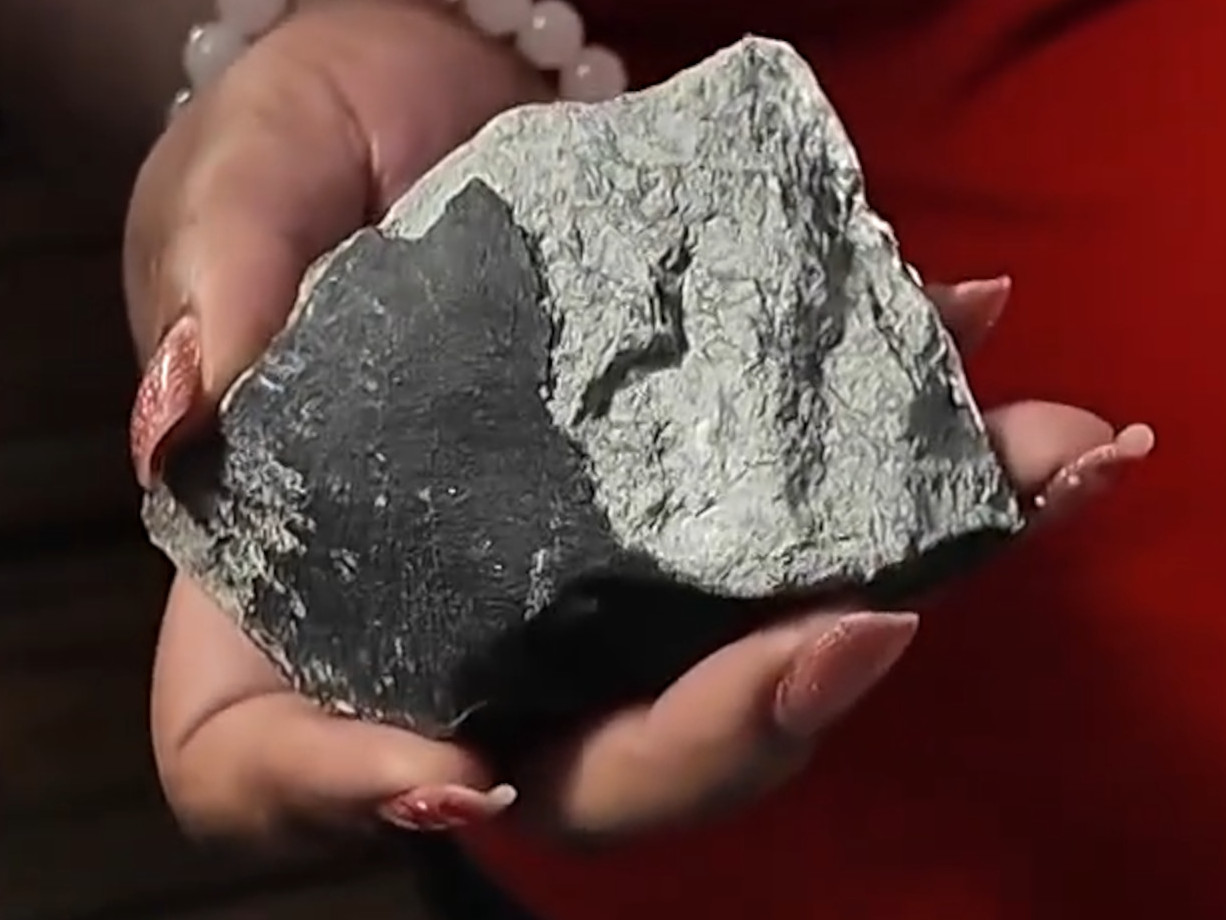
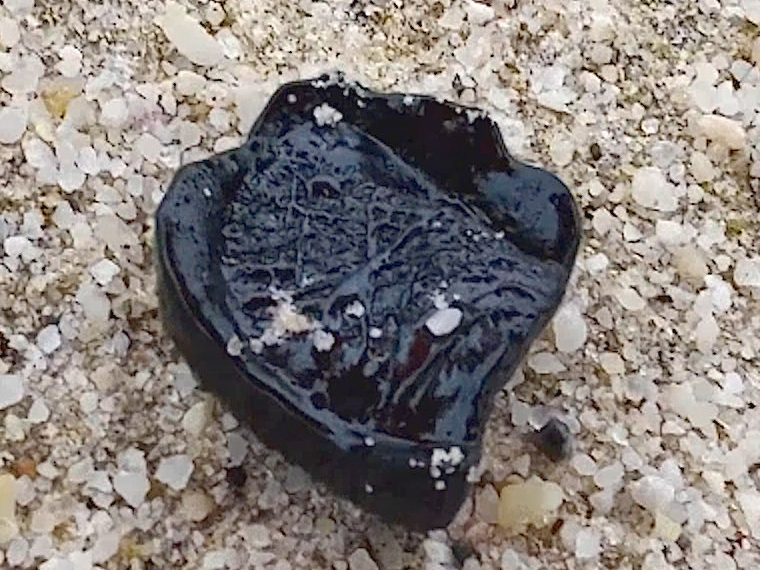
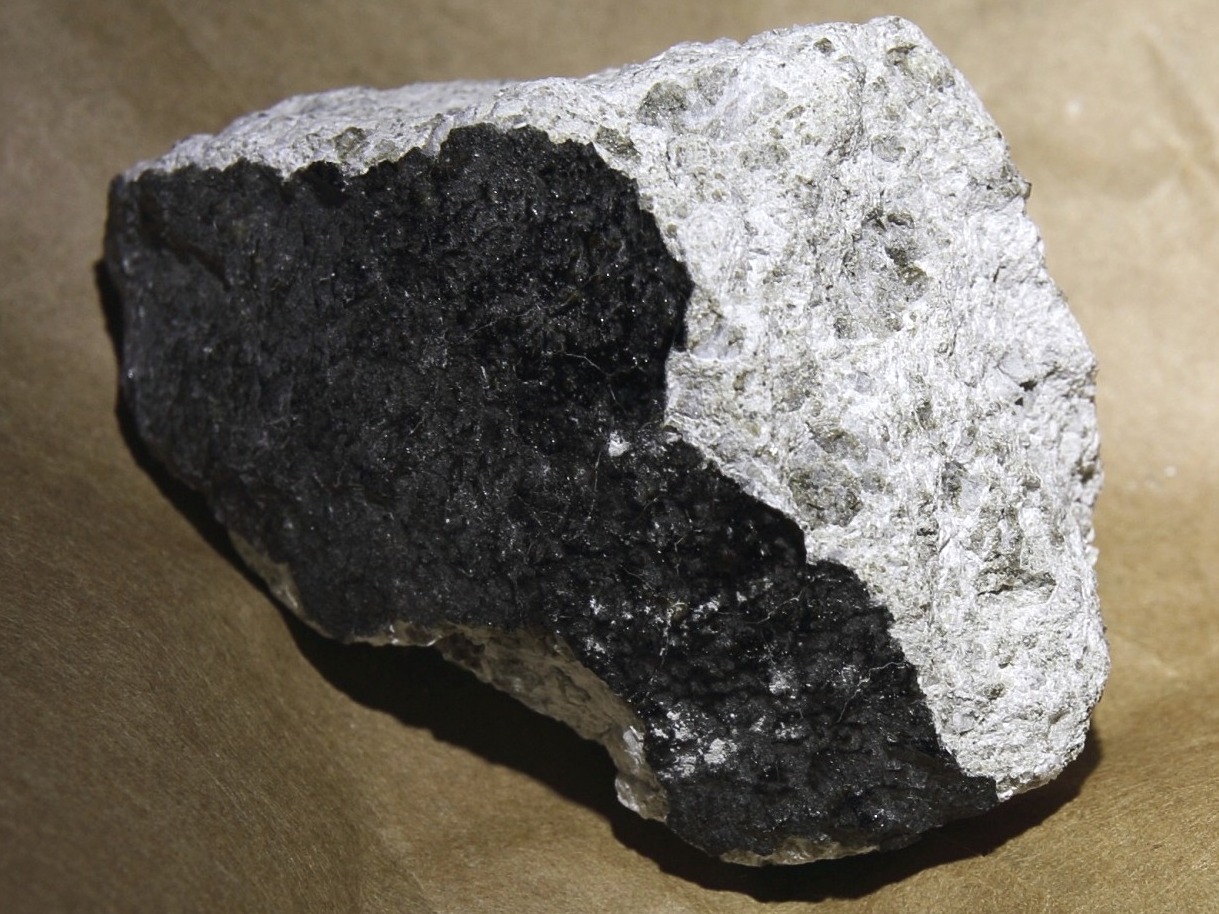
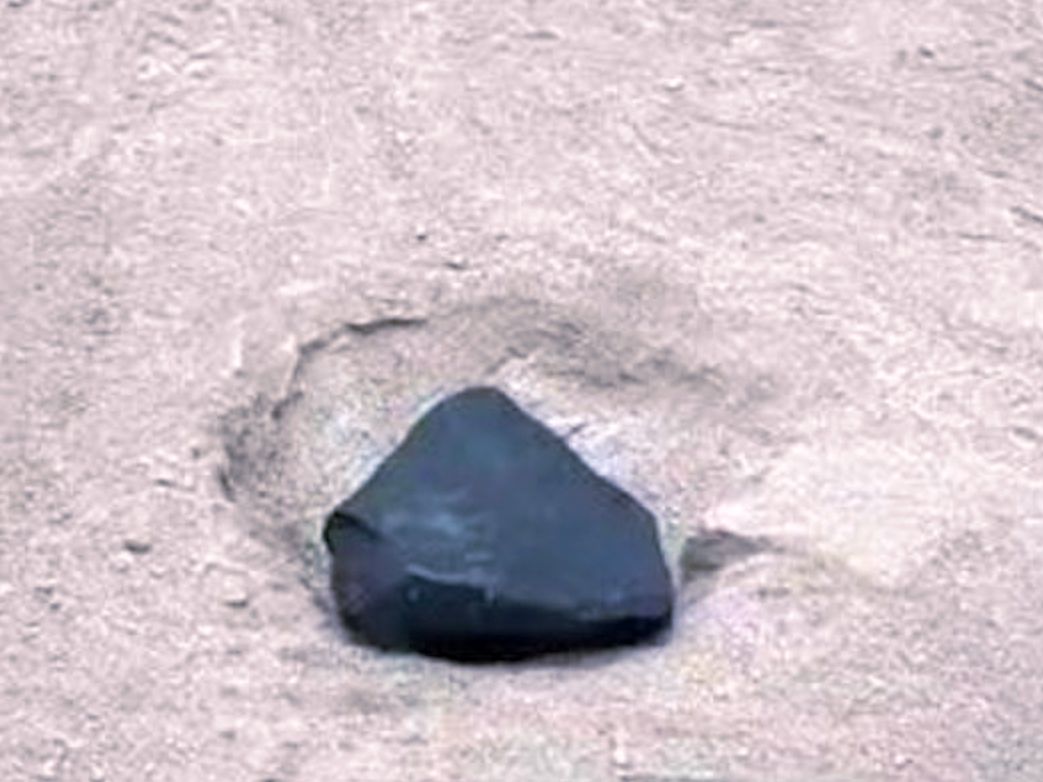
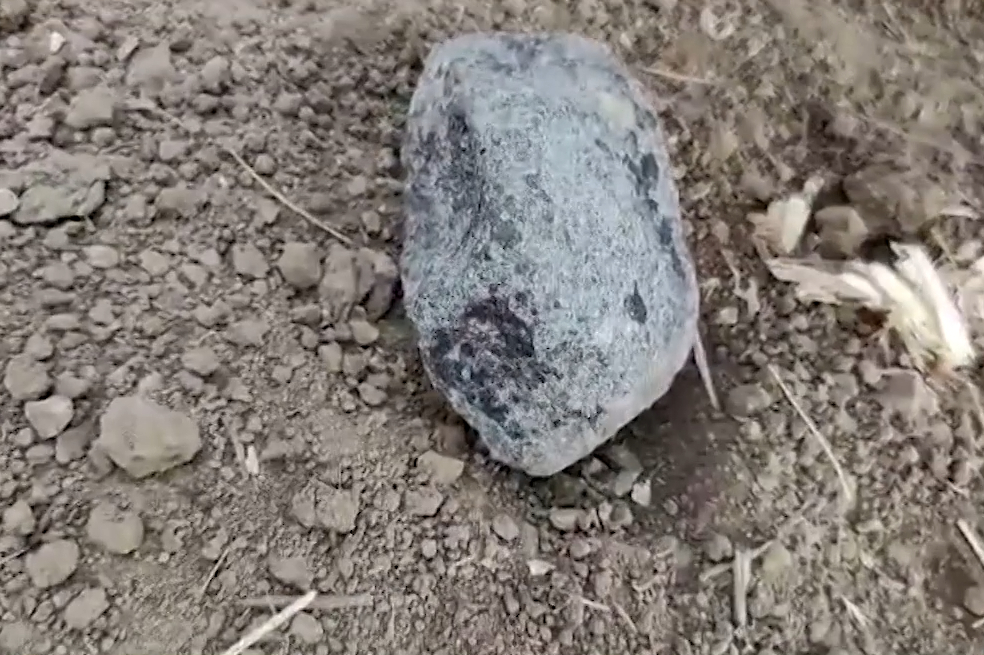
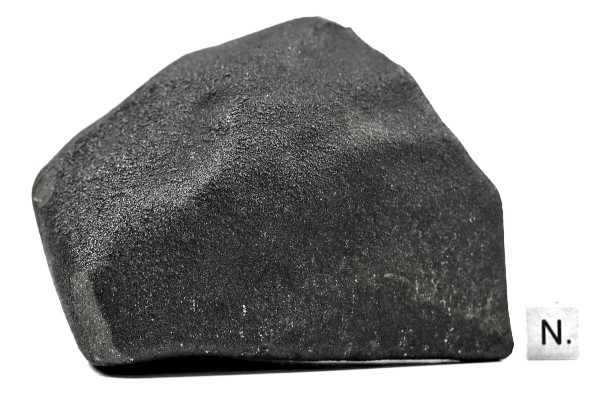
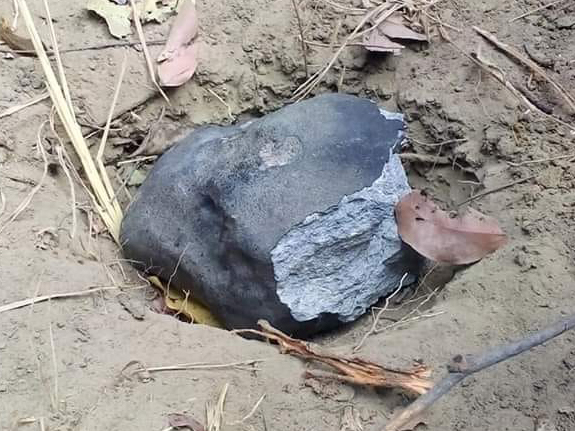
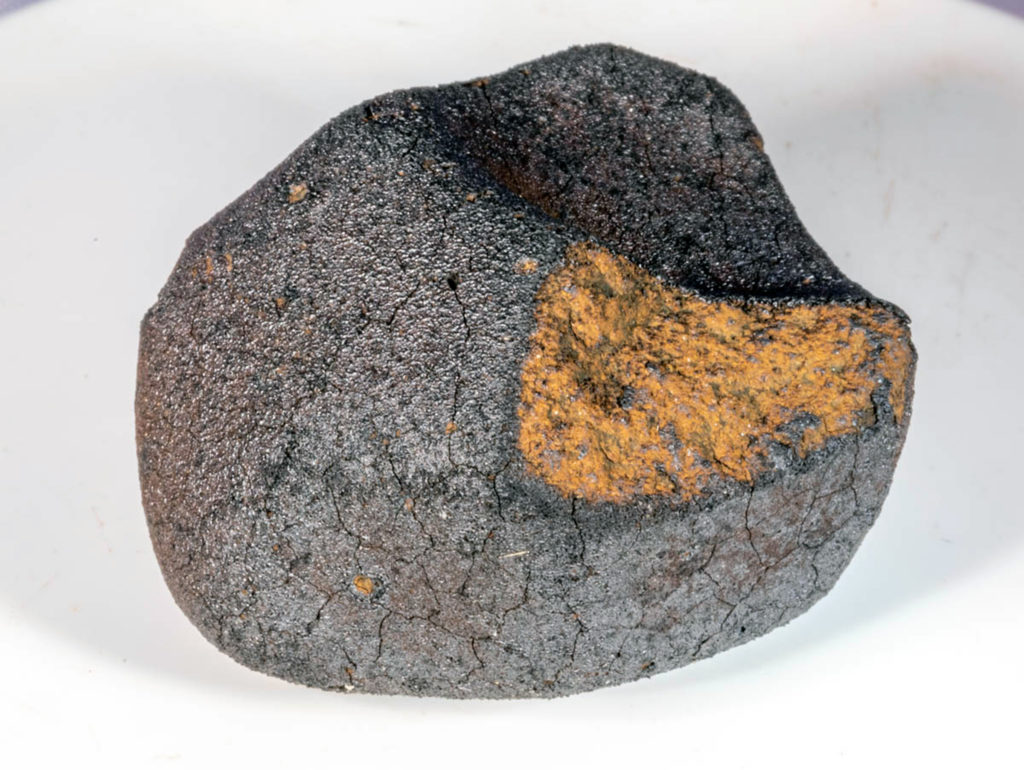
“Here we report on the petrology, mineralogy, geochemistry, and O and Sm-Nd isotope compositions for Northwest Africa (NWA) 13441, an olivine-phyric shergottite rich in melt glass that was recovered from Algeria in 2019. The meteorite is a basalt containing abundant olivine megacrysts set in a groundmass of pigeonite, olivine, and maskelynite with accessory chromite and merrillite. The Fe/Mn ratios of olivine (56.1 ± 7.2; 2σ, n = 15) and pyroxene (30.1 ± 2.1; 2σ, n = 10), and bulk rock O isotope ratios of Δ17O = 0.270 ± 0.014 ‰, confirm its martian origin. Pyroxene Ti/Al barometry indicates that crystallization began near the crust-mantle boundary of Mars. The meteorite contains ∼7 vol% pyroxene-dominated melt glass that together with undulatory extinction and mosaicism in olivine, mechanical twinning in pyroxene, and amorphized plagioclase, suggests a relatively high level of shock metamorphism at estimated peak conditions of ∼28–34 GPa and ∼200–250 °C. The bulk rock rare earth element pattern ((La/Yb)CI = 0.64) suggests an affinity to intermediate shergottites. Hand-picked mineral separates and leachates define a 147Sm-143Nd errorchron corresponding to an age of 1273 ± 21 Ma (MSWD = 19; n = 9) and a chondritic εNdi composition of + 0.93 ± 1.04 that is distinct from other shergottites, which are typically younger (<600 Ma). Comparison with the 147Sm-143Nd evolution of different martian sources indicates that the chondritic composition of NWA 13441 could represent a previously unsampled undifferentiated reservoir or mixing between known enriched and depleted shergottite sources. Regardless, NWA 13441 expands the temporal and isotopic range of shergottite magmatism and demonstrates that the martian meteorite record incompletely samples the diversity of compositions produced from the melting of Mars’ mantle.”