Distribution of purine and pyrimidine bases in Antarctic carbonaceous meteorites
Yasuhiro Oba, Takuto Tomaru, Toshiki Koga, Yoshihiro Furukawa, Sako Sunami, Toshihiro Yoshimura, Yuta Hirakawa, Nanako O. Ogawa, Naohiko Ohkouchi, Keiko Kuwamoto, Yoshinori Takano, Hiroshi Naraoka
Geochimica et Cosmochimica Acta
In Press, Journal Pre-proof, Available online 6 July 2026
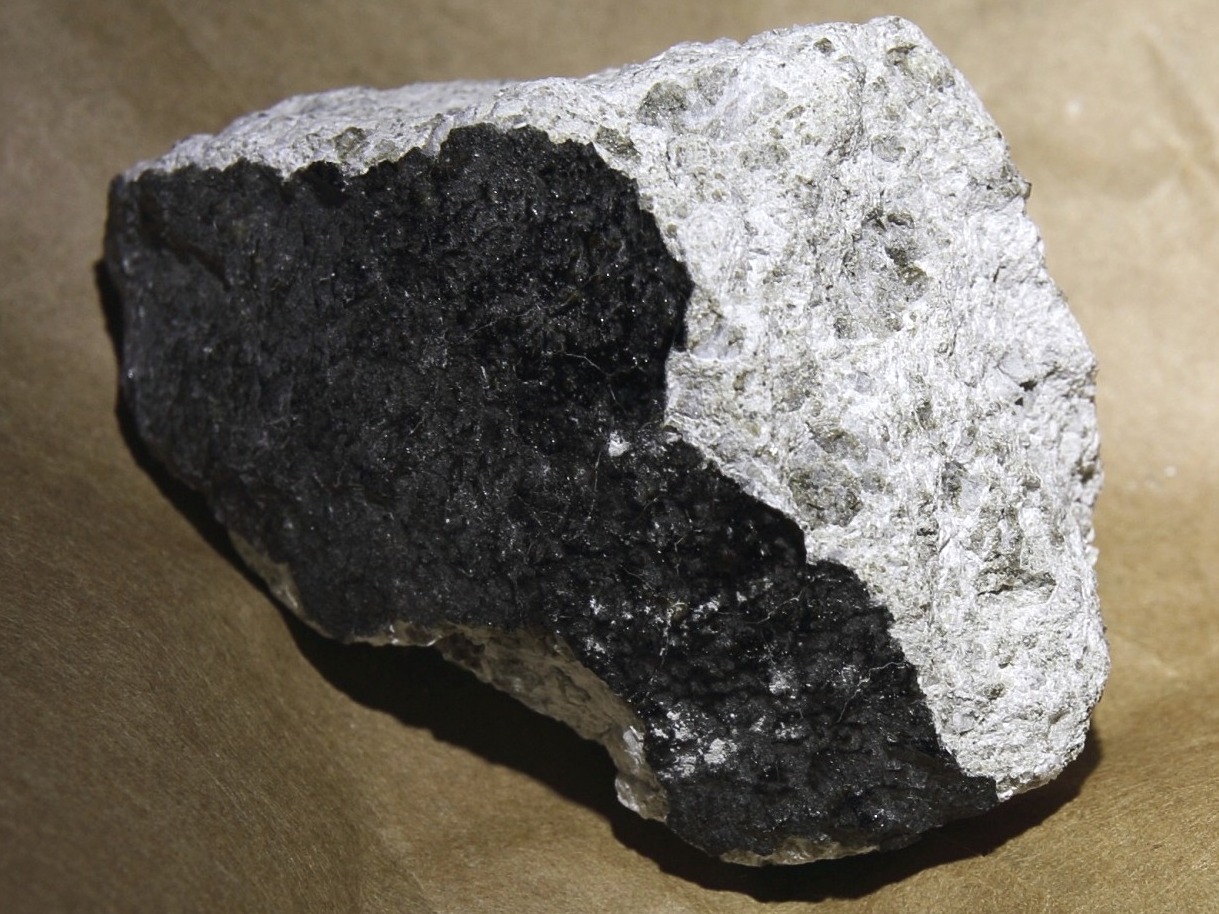
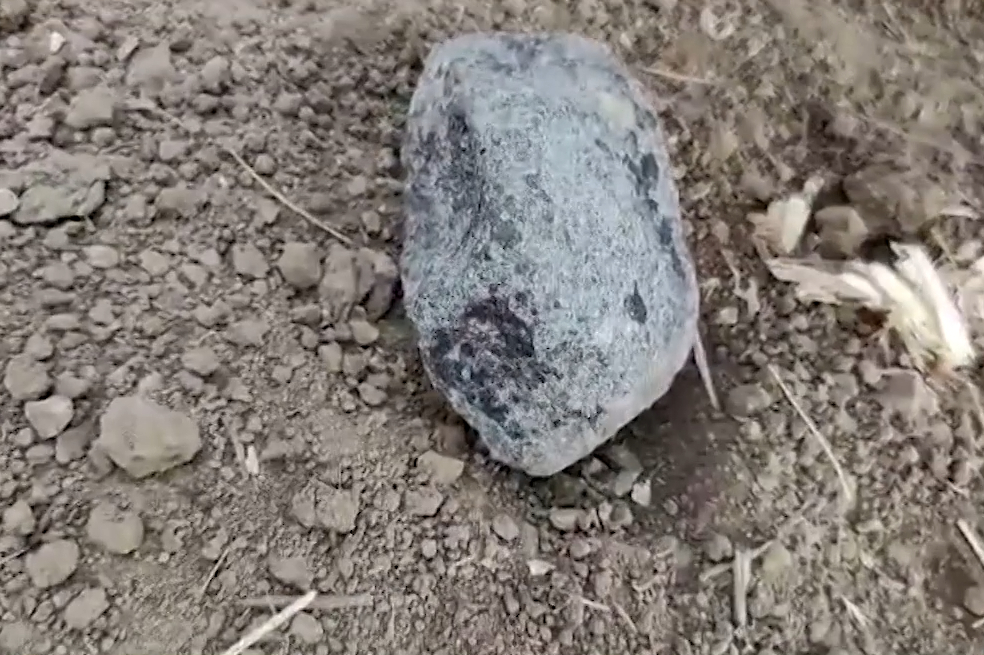
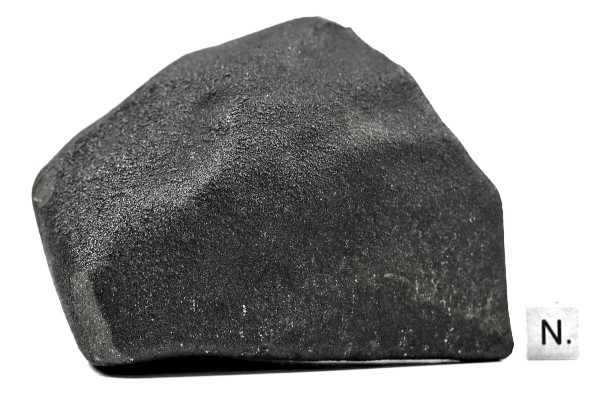
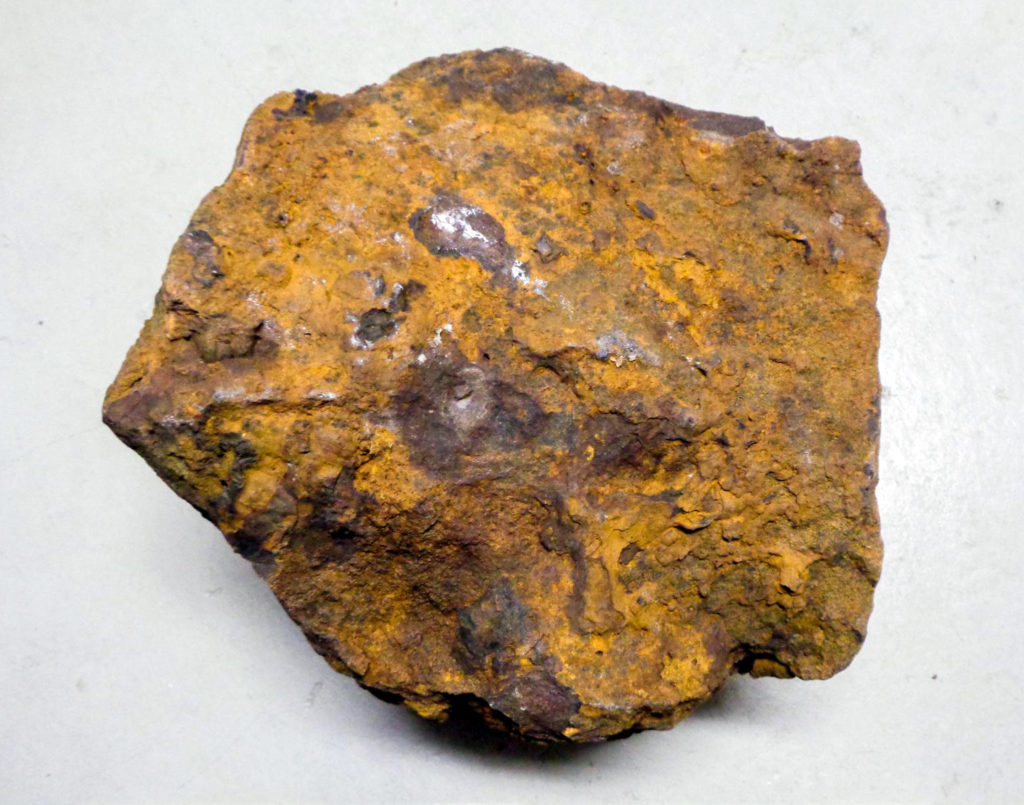
“Carbonaceous meteorites preserve organic records of early Solar System chemistry, yet nucleobase inventories remain difficult to interpret owing to potential terrestrial contamination and parent–body processing effects. Here we report high–resolution liquid chromatography/Orbitrap mass spectrometry analyses of purine and pyrimidine bases in six Antarctic carbonaceous meteorites (CM: Y–791198, A–12236, Y–793321, B–7904; CR: A–881828, Y–002540) using rigorously controlled extractions (hot water and 20% HCl treatments) performed in ISO–class clean environments, together with Antarctic ice as an environmental blank. All five canonical nucleobases were identified in Y–791198, A–12236, and A–881828; subsets were found in Y–793321 and Y–002540; and none were detected in B–7904 or in the ice meltwater/hydrolysate. These patterns, coupled with the thermal metamorphic history of B–7904, indicate no detectable incorporation of nucleobases from Antarctic ice during ∼ 105–year residence. Total pyrimidines correlate positively with NH3 across Antarctic meteorites and previously reported extraterrestrial samples, whereas purines do not, implicating NH3-facilitated pyrimidine formation and the involvement of additional precursors (e.g., cyanides) in purine synthesis. Cytosine is systematically depleted relative to other canonical bases, likely reflecting its low–temperature hydrolysis to uracil; leaching losses appear negligible as highly water-soluble species (e.g., hydroxypyrimidines and NH3) are retained within the meteorites. Our results establish Antarctic meteorites as some of the least contaminated materials for constraining nucleobase distributions and underscore the need for direct cyanide measurements to resolve purine formation pathways”