What Earth Erases: Weathering Diversity of Mineral Phases Formed in a Highly Reduced Environment Hosted in AubritesOPEN ACCESS
M. Kołodziej, B. Pieterek, G. Zieliński, K. Załęski, E. Coy
JGR Planets, First Published: 12 August 2026
LINK (OPEN ACCESS)
PDF (OPEN ACCESS)
“Key Points
- Ribbeck and NWA 14582 exhibit different degrees of weathering, resulting in contrasting extents of mineral alteration
- The stability of sulfides differs considerably, with some sulfides remaining largely unchanged while others display extensive alteration
- The two aubrites show clearly different shock levels, reflected in distinct contrasts in their mineralogy and textures”
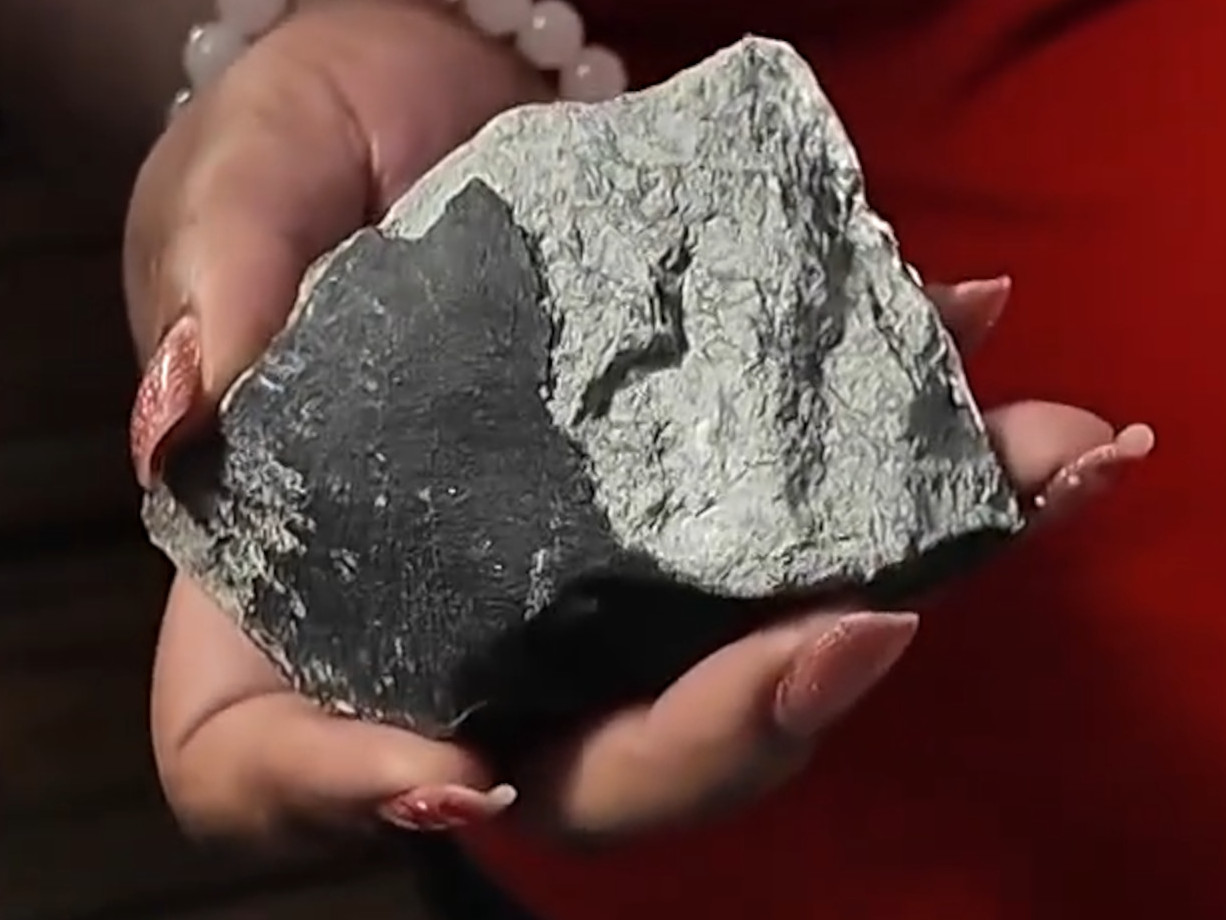
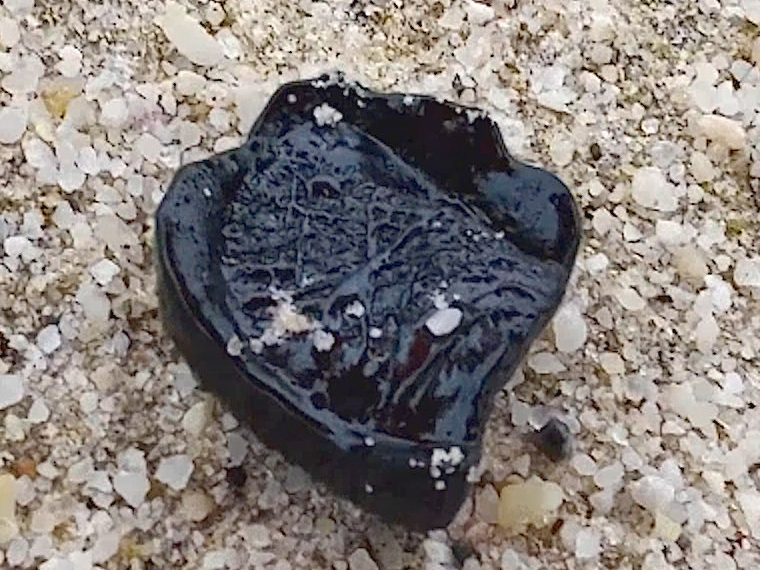
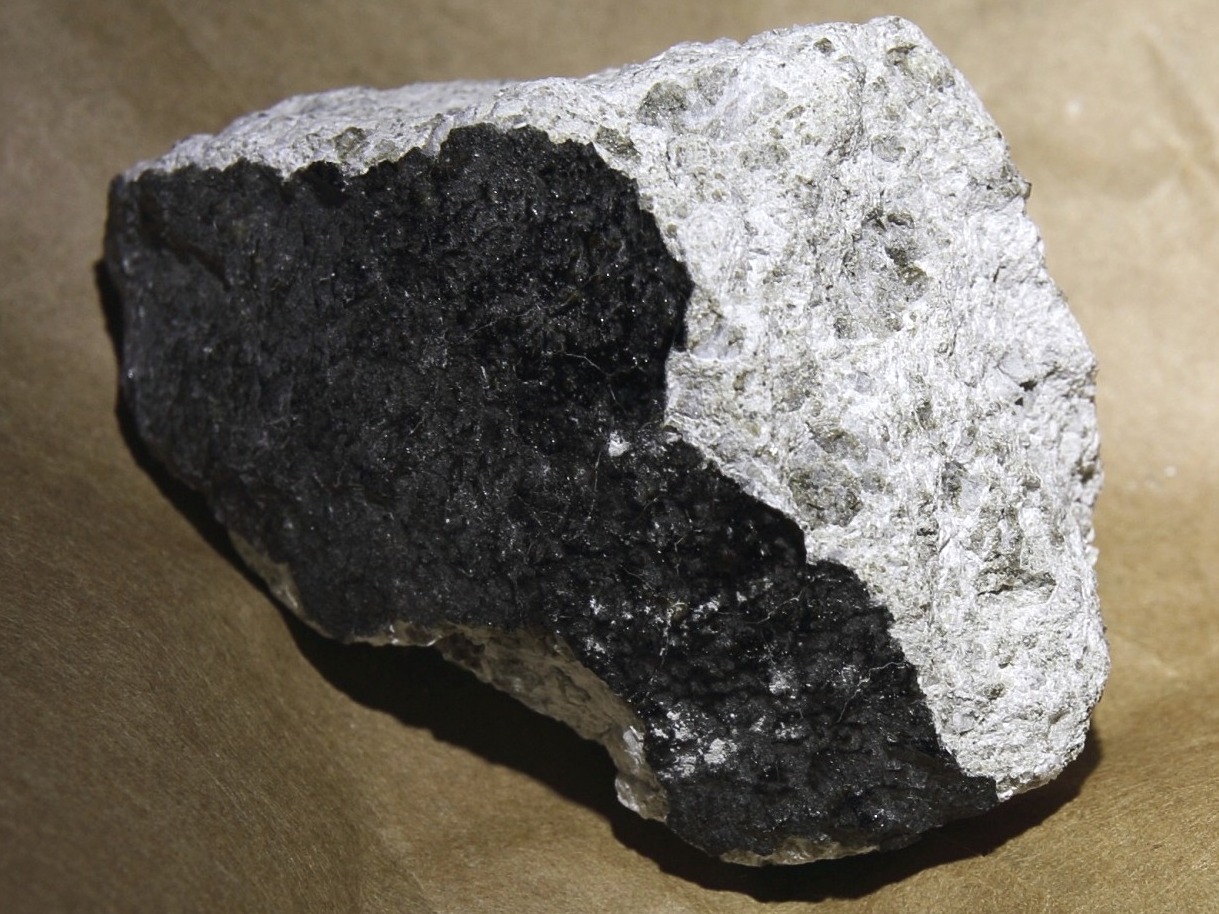
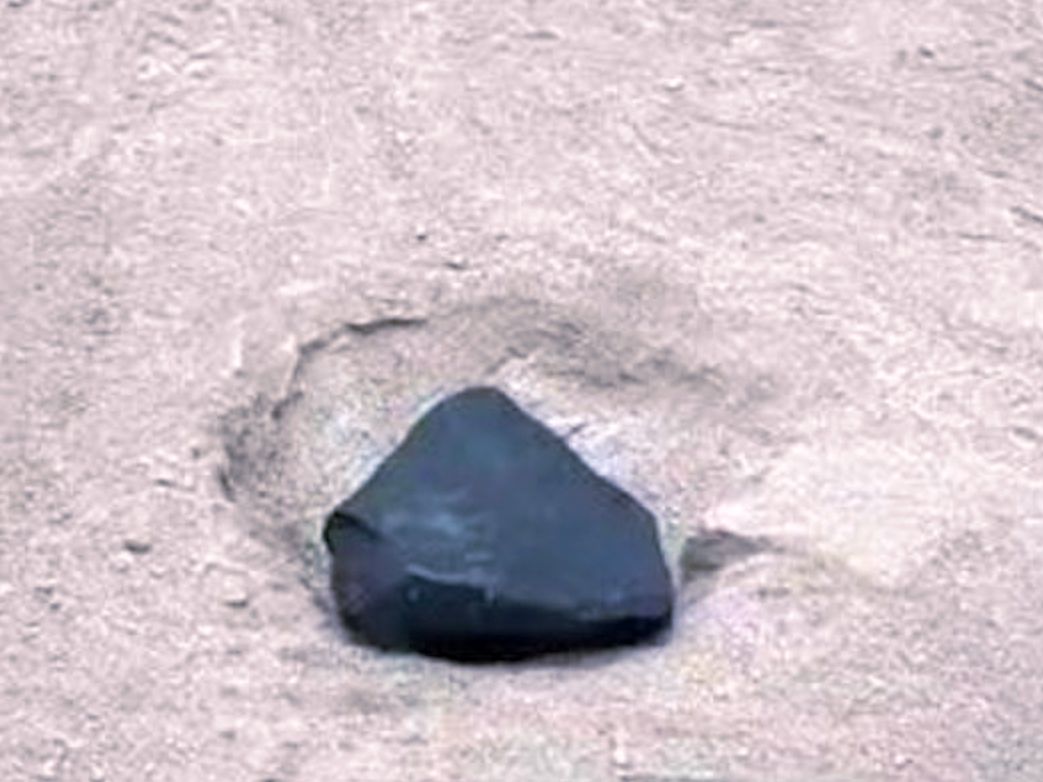
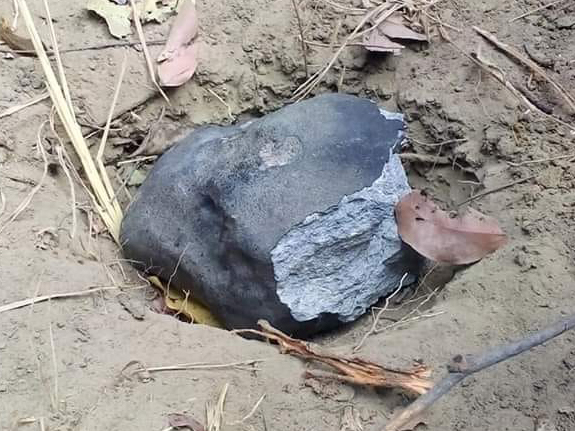
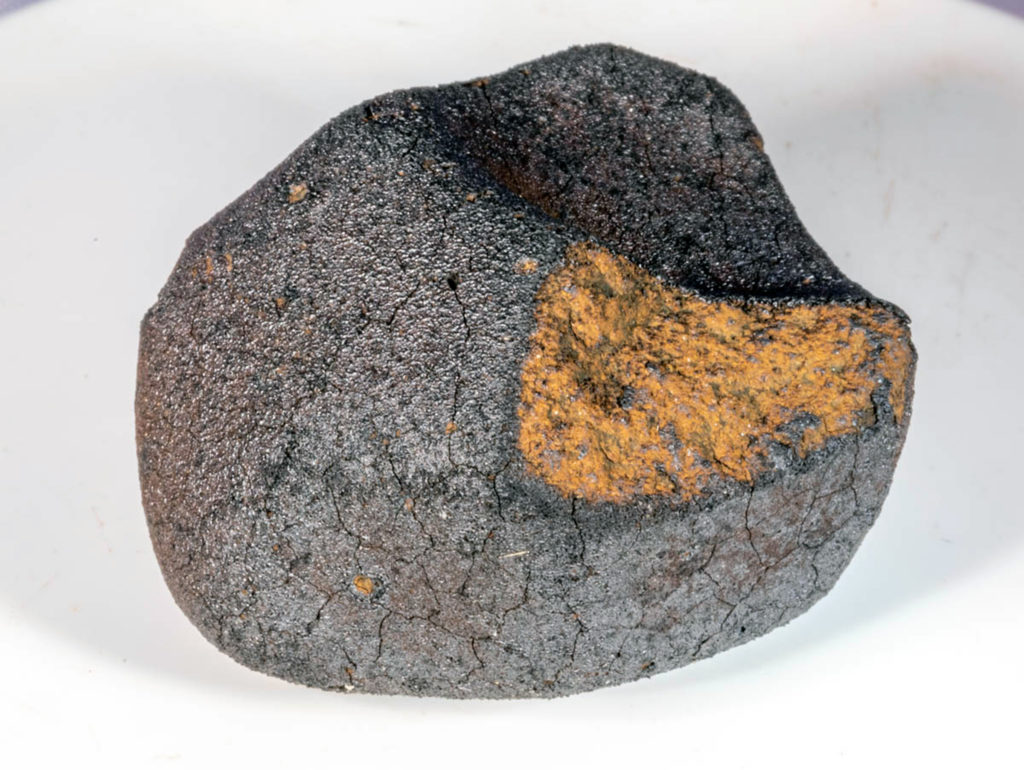
“Meteorites serve as an exceptional source of insight into our planet and the Solar System. Most meteorite fragments were recovered hundreds to thousands of years after their fall, and therefore exhibit varying degrees of terrestrial weathering, which has altered or completely removed weather-sensitive mineral phases. This study focuses on two aubrites—NWA 14582 and Ribbeck—examining the differences in their mineral composition. The NWA 14582 was collected in a desert long after its fall and has undergone significantly greater shock metamorphic alteration than the Ribbeck meteorite. The alterations are evidenced by the structural changes in its enstatite and diopside, along with the absence of feldspars, which have transformed into maskelynite. The Ribbeck meteorite, recovered shortly after its descent, revealed several mineral phases not present in NWA 14582. Electron microprobe investigations confirmed that minerals such as troilite, daubréelite, schreibersite, and kamacite exhibit resistance to weathering. Conversely, the observed minerals, such as heideite, caswellsilverite, oldhamite, pentlandite, and alabandite, appear to be particularly susceptible to terrestrial weathering processes. Our observations further indicate that the climate at the fall site can have a substantial impact on the preservation of primary mineral phases and the formation of secondary weathering products. We additionally report a Cu-based iodide in an early sample preparation that was not preserved in subsequently prepared mounts, as well as a rare Al–Cu–Zn alloy in Ribbeck. Further microchemical and isotopic analyses are required to determine the provenance of these phases.”