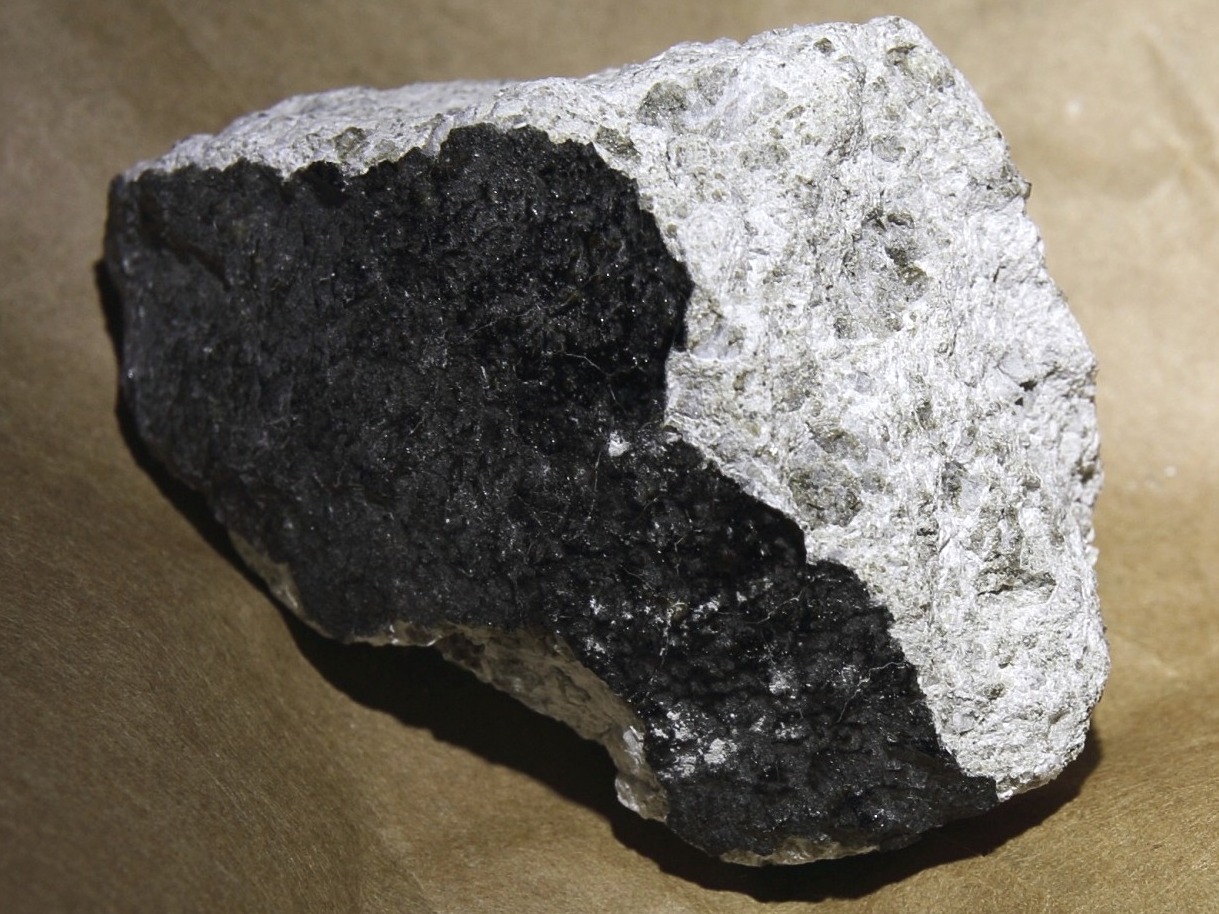
Microstructural Analysis of Lunar Dunite Clast From Meteorite NWA 11421 and Physical Constraints on Excavation of Upper Lunar Mantle Material
I. Spring, T. Erickson, A. Mallik, A. Roy, A. Treiman
JGR Planets, First Published: 16 August 2026
“Key Points
- Electron backscatter diffraction analysis of a lunar meteorite dunite clast indicated it experienced high-pressure, low-temperature shock
- The shock temperature experienced by the lunar dunite clast is below the equilibrium temperature, as determined by two-pyroxene thermometry
- The shock characteristics suggest that this lunar dunite clast might have been launched from the Imbrium or Serenitatis basins”
“Lunar dunite clast, D1, from lunar meteorite NWA 11421 represents the first lunar sample that potentially traces back to the lunar mantle and may provide insights into the Moon’s interior structure and chemistry. We conducted electron backscatter diffraction (EBSD) analysis of the clast to characterize its olivine microstructures and preferred orientations and to quantify its shock history. The EBSD data indicate that D1 olivine grains are generally elongate with a moderate shape preferred orientation and a weak B-type crystallographic preferred orientation. Intragrain misorientations indicate that D1 experienced a high-pressure, low-temperature shock event. Grain orientation spread (GOS) indicates a weighted shock stage of 4.1 ± 1.3, corresponding to shock pressures of 15–20 GPa. Crystallographic rotation axes associated with low-angle (2–10°) misorientations demonstrate preferential activation of C-type slip, consistent with the relatively low shock temperatures of 720 ± 99°C that were estimated using previously published linear relationships of experimentally shocked olivine. Notably, this shock temperature is below the sample’s equilibrium temperature of 980 ± 20°C, as determined by two-pyroxene thermometry. This contrast suggests that the thermal state achieved during shock was conducive to preserving the primary mantle chemistry. The olivine fabric within D1 displays J- and M-indices consistent with other shocked meteorites; notably, the M-index of these meteorites is lower than that of terrestrial mantle xenoliths. Combined with the sample’s depth of origin, these characteristics suggest D1 was excavated from either the Imbrium or Serenitatis basins and may provide the first chemical constraints on nearside lunar mantle.”