Photochemical effects of Mars-like UV irradiation on carboxylic acids in carbonaceous chondrites and expectations for abiotic background organics on MarsOPEN ACCESS
D. K. Buckner, J. C. Aponte, A. C. Schuerger, D. I. Foustoukos, F. Seguin, M. B. Wilhelm, G. Cooper, A. J. Williams
MAPS, Version of Record online: 04 September 2026
LINK (OPEN ACCESS)
PDF (OPEN ACCESS)
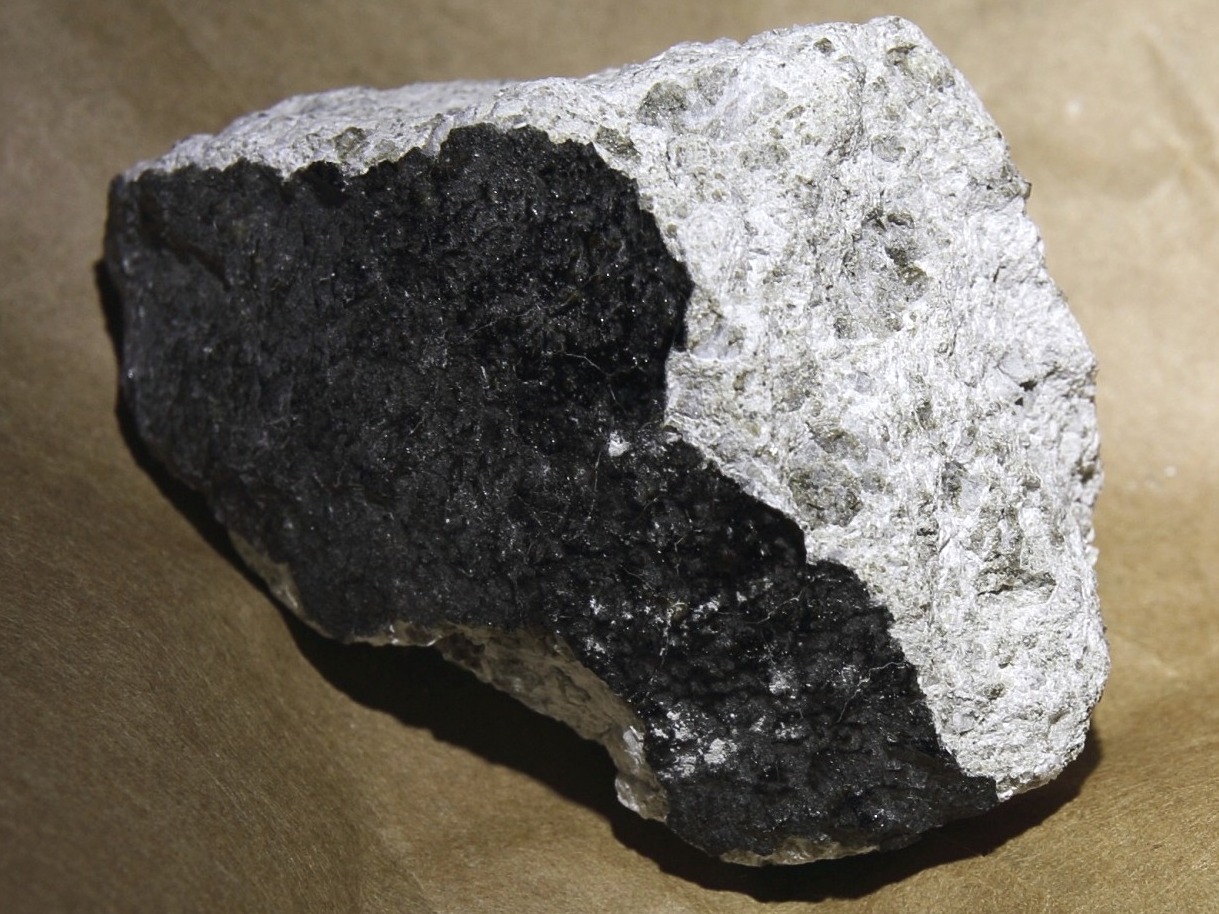
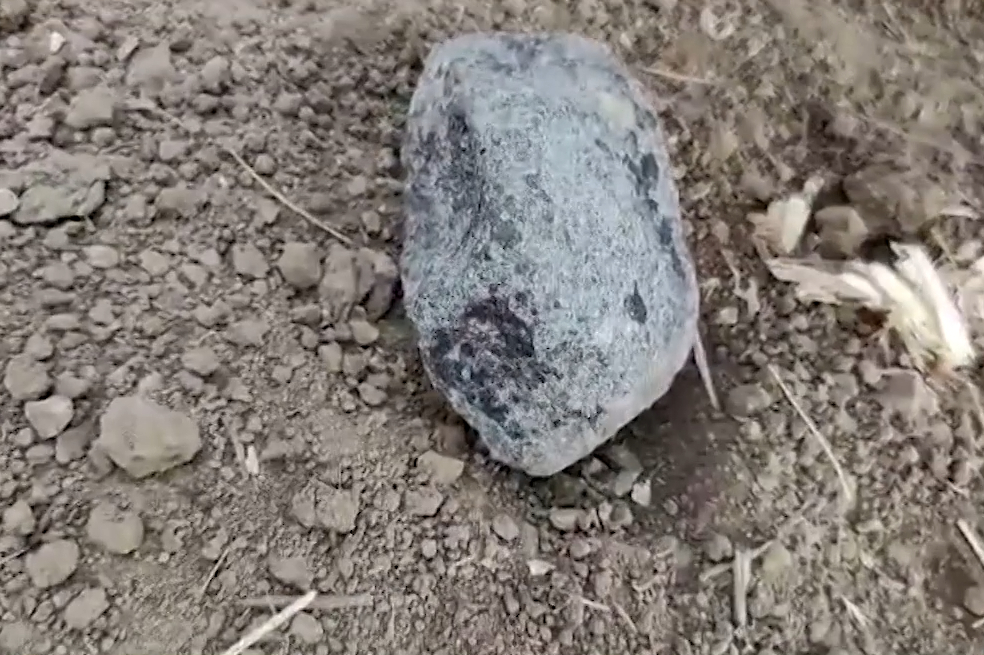
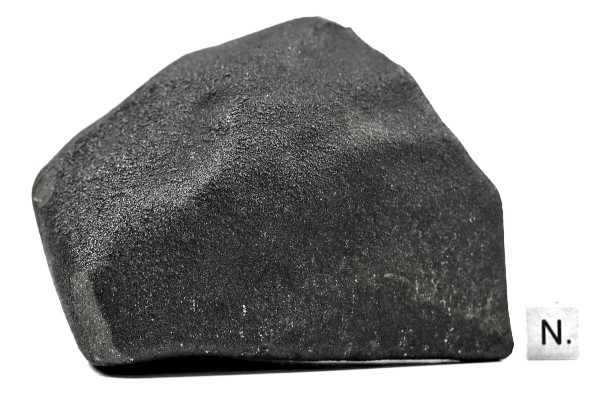
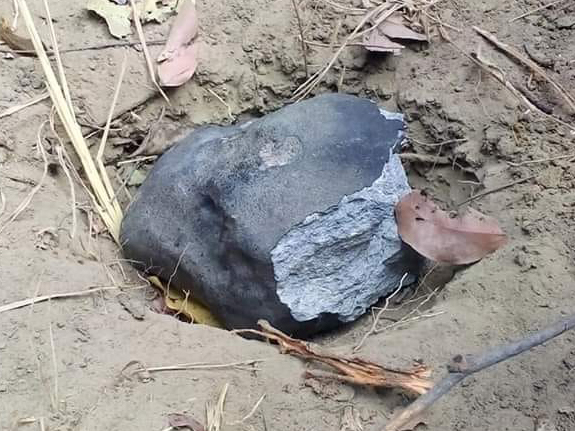
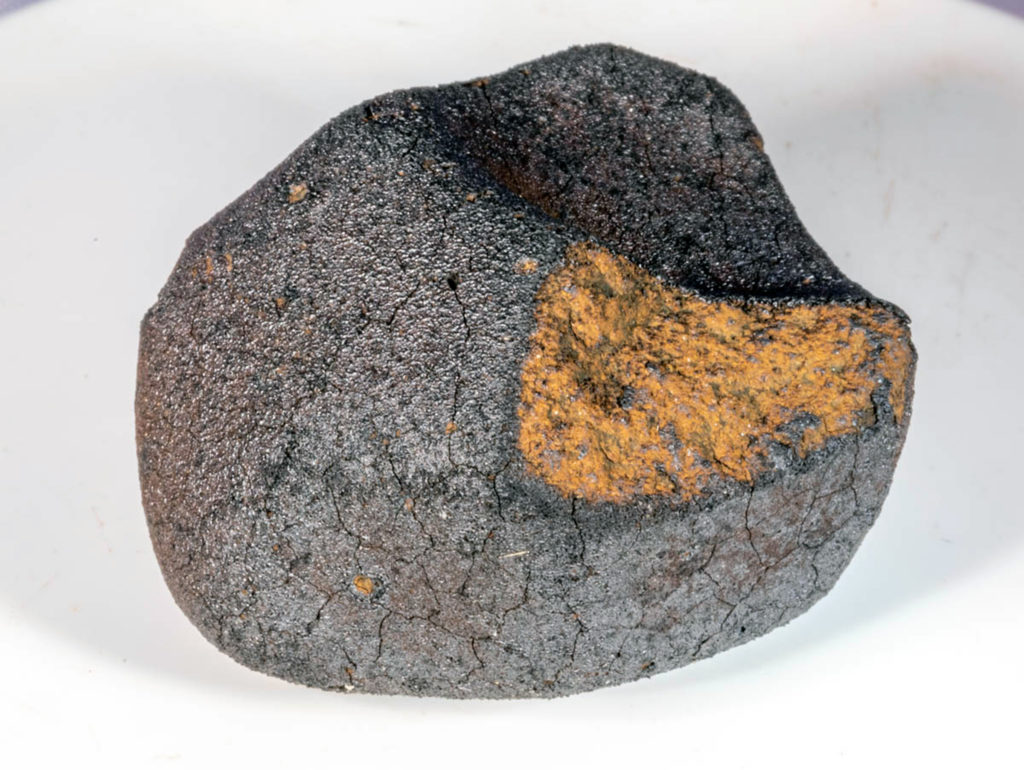
“In the search for life on Mars, understanding the origin of preserved organics is critical. Expected sources include exogenous delivery, endogenous synthesis, and potentially life. Environmental processing by ultraviolet (UV) irradiation can alter these organics, obscuring hallmarks of their origin. To deconvolve these effects, we conducted an experimental study subjecting the Aguas Zarcas (CM2) carbonaceous chondrite to UV–VIS–NIR (200–2500 nm) irradiation under Mars environmental conditions (8.5 mbar pressure, −4 to −7 °C temperature, Mars atmosphere mix of 95.04% CO2, 2.59% N2, 1.94% Ar, 0.40% O2, and 0.03% H2O) for 154 sols (days on Mars) equivalent exposure. We measured changes to carboxylic acid abundances and compound-specific δ13C isotopes and bulk carbon, nitrogen, and hydrogen weight percent and isotopes. Compared to unirradiated samples, UV-exposed samples displayed nearly a twofold increase in total carboxylic acid abundance, due to elevated quantities of formic (C1) and acetic (C2) acids, while indigenous longer-chained (C3–C6) species displayed no change in abundance. Our results suggest that on Mars, UV irradiation of carbonaceous chondrites over short time scales is unlikely to degrade indigenous carboxylic acids and additionally may represent a photochemical synthesis mechanism for producing short-chain organic acids from meteoritic insoluble organic matter (IOM), meteoritic carbonates, or atmospheric CO2 precursors.”