A Survivor from the Margins: Hypatia Stone and the Hidden Diversity of Solar System SolidsOPEN ACCESS
Luca Bindi, Marco Morelli & Marco A. G. Andreoli
Space Science Reviews, Published: 26 October 2026
LINK (OPEN ACCESS)
PDF (OPEN ACCESS)
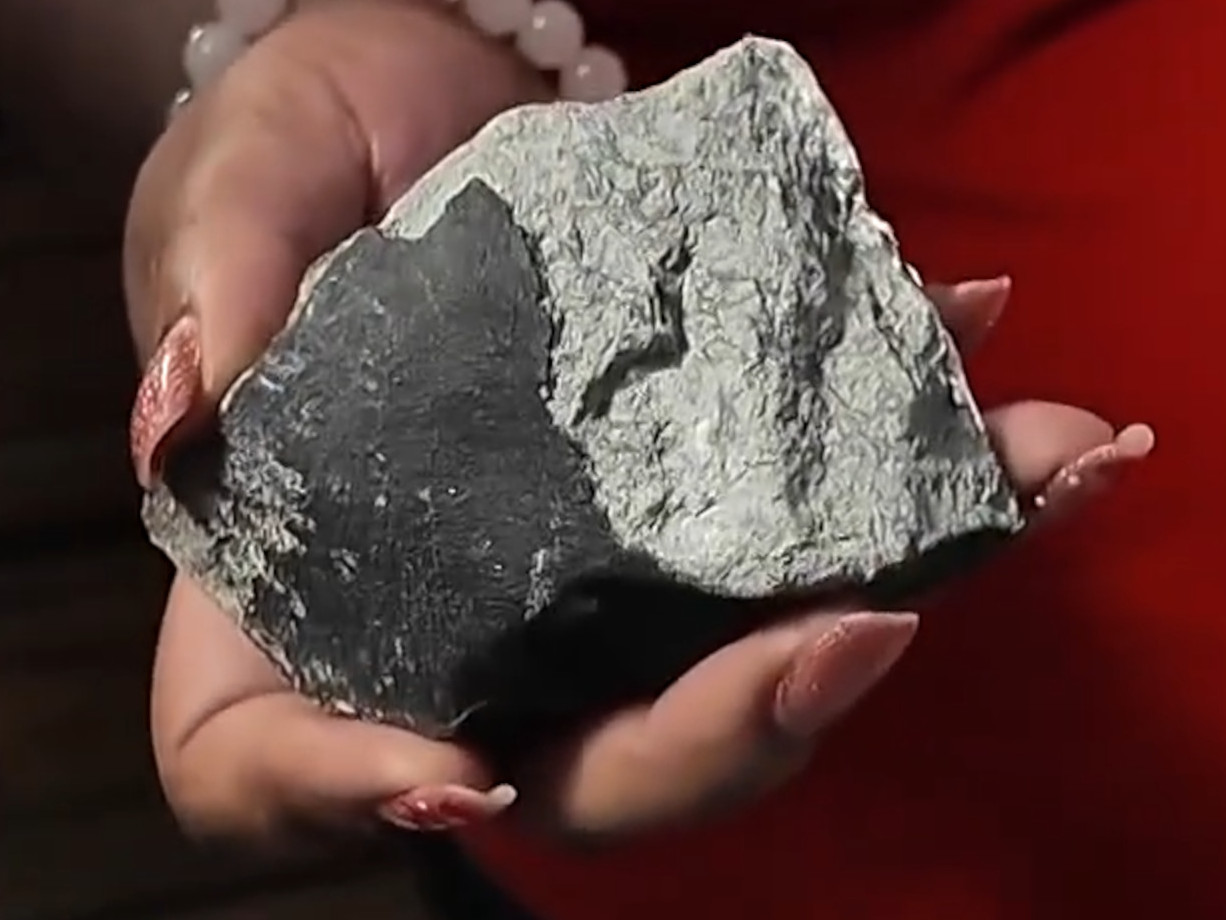
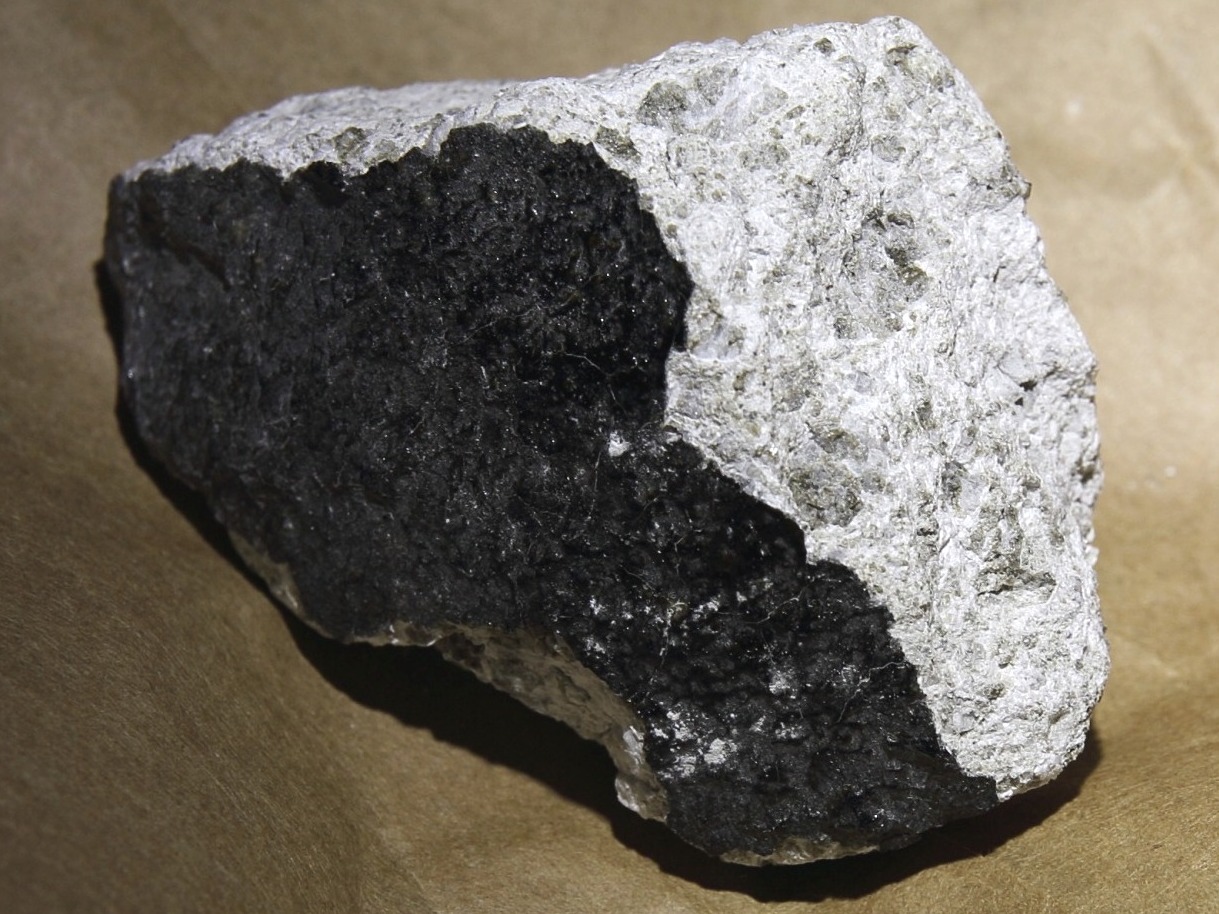
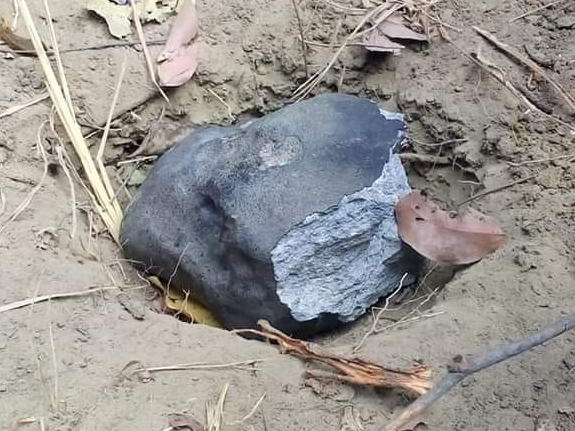
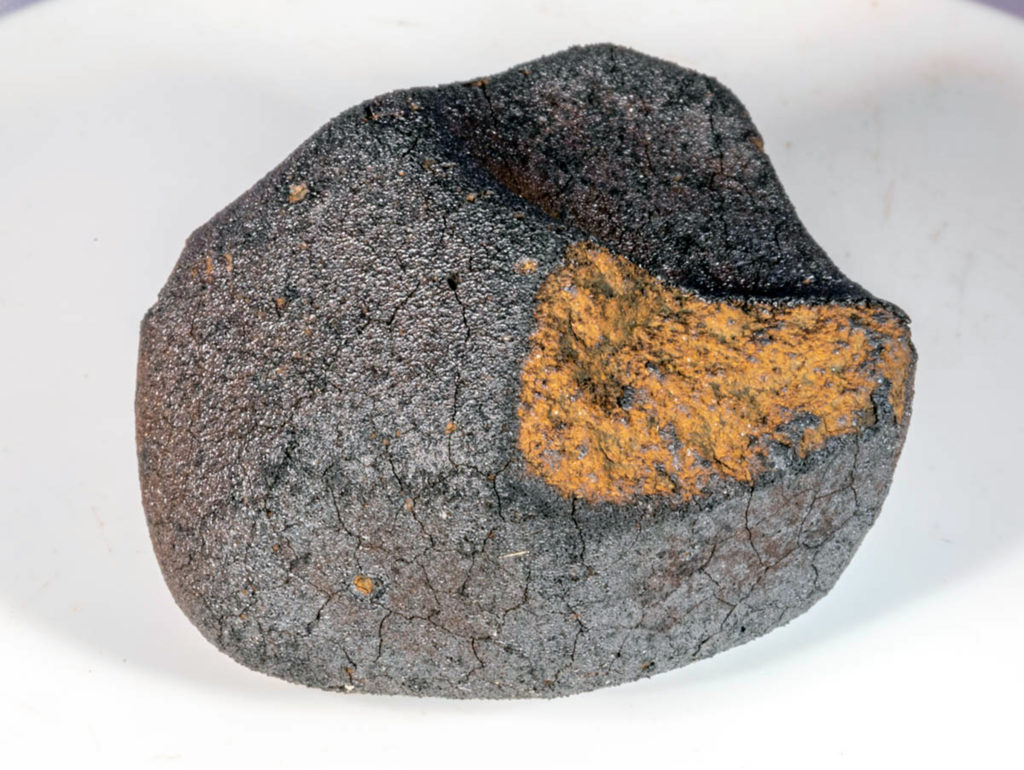
“The Hypatia stone represents a unique and transformative case study in cosmochemistry, challenging fundamental assumptions about the nature and diversity of solid materials in the early Solar System. Unlike known meteorite groups, Hypatia is a carbon-dominated, essentially silicate-free object with a diamond-rich microstructure produced by shock, extreme matrix-scale chemical heterogeneity, and preserved isotopic disequilibrium, particularly in nitrogen. Its trace-element systematics and noble gas inventory reveal a complex history combining nebular signatures—such as Q noble gases and radiogenic 129Xe—with the survival of presolar components, indicating limited mixing and incomplete equilibration. This review integrates mineralogical, chemical, isotopic, and noble gas data to critically assess competing genetic models. Asteroidal and cometary scenarios fail to reproduce the full set of observations, whereas a refined interstellar-dust–dominated hybrid model provides a coherent explanation. In this framework, Hypatia formed through aggregation of chemically heterogeneous dust populations, largely of interstellar origin, within a poorly mixed region of the protoplanetary disk, followed by brief shock processing that transformed carbonaceous matter into diamond without homogenizing chemical or isotopic reservoirs. Hypatia thus preserves a non-equilibrium record of early Solar System solids, offering direct evidence that dust-scale heterogeneity could survive aggregation into macroscopic objects. Its properties highlight the importance of kinetic constraints, localized disk processes, and preservation bias in shaping the meteoritic record. More broadly, Hypatia suggests that carbon-dominated, chemically heterogeneous aggregates may have been more widespread in the early Solar System than currently recognized, but are largely absent from existing collections due to their low preservation potential. By exposing the limits of equilibrium-based cosmochemical models, Hypatia provides a framework for re-evaluating the diversity, formation pathways, and survivability of primordial solid materials.”