Soluble elemental inventories in samples from asteroid Bennu and CI chondrites
Xuanyu Liu, Katharina Lodders, Piers Koefoed, Daniel P. Glavin, Jason P. Dworkin, Hannah L. McLain, Pierre Haenecour, Jessica J. Barnes, Ann N. Nguyen, Sara S. Russell, Timothy J. McCoy, Kun Wang, Harold C. Connolly Jr., Dante S. Lauretta
MAPS, Version of Record online: 08 November 2026
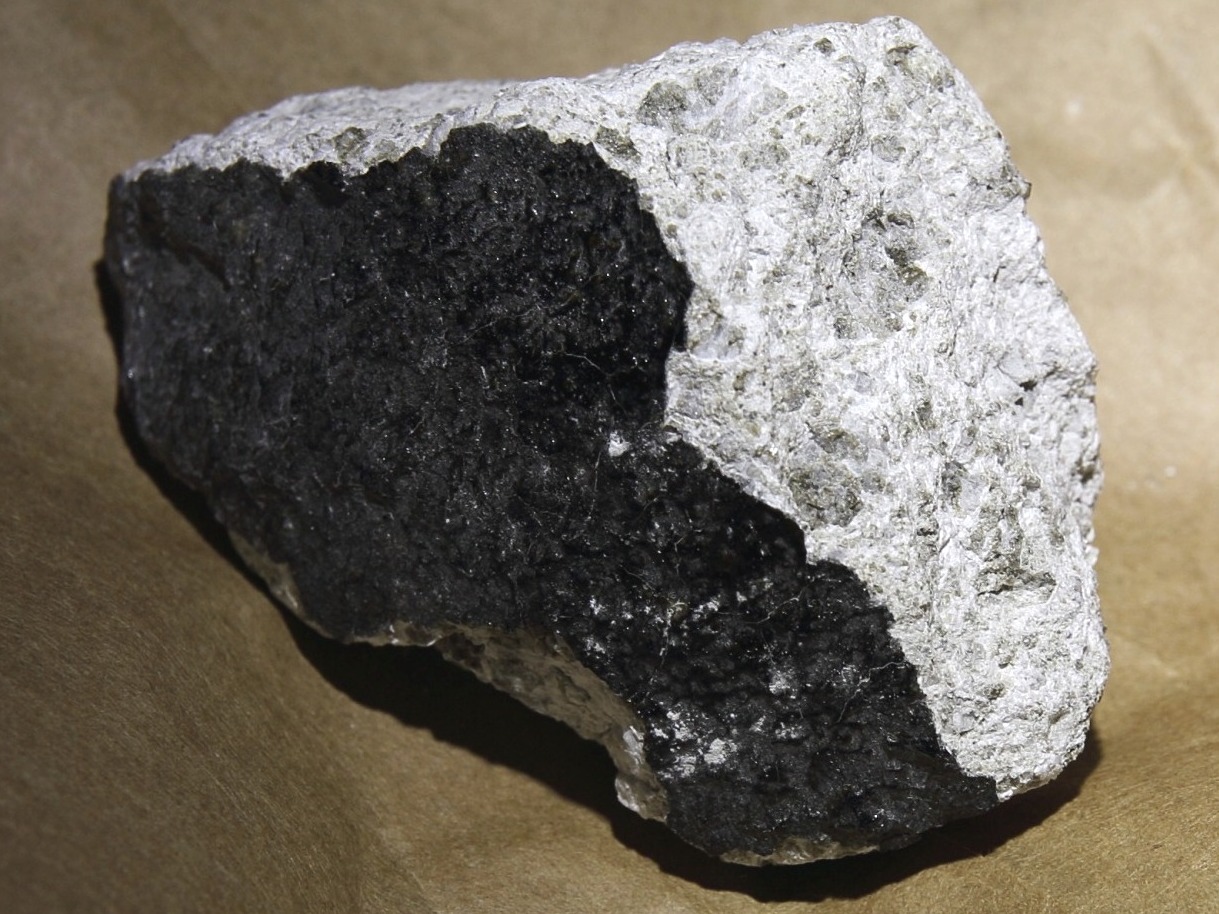
“CI chondrite water-leaching experiments are commonly used to investigate soluble inventories formed during parent-body aqueous alteration, but terrestrial weathering may modify them. We performed water-leaching experiments on pristine Bennu samples together with Orgueil (CI) and Murchison (CM). The pristine Bennu aggregate sample OREX-800107-127 released only 0.23 wt% cations, dominated by Na. In contrast, Bennu aggregate sample OREX-800107-0 (−114, −115, and −116), flash-heated to 600 °C for 20 s under continuous helium flow, and a curated Orgueil sample released 2.0 and 2.2 wt% cations, respectively. Both thermally treated Bennu and Orgueil released much more Mg and Ca than untreated Bennu, while also releasing more Na in absolute terms. The thermally treated Bennu leachate was dominated by Mg (38 wt%), Na (23 wt%), Fe (17 wt%), and Ca (14 wt%), broadly resembling the Orgueil leachate, except for its higher Fe fraction than Orgueil (3.6 wt%). Mass-balance models indicate that carbonate dissolution supplied mainly Ca and Mn, Mg came from carbonates and phyllosilicate-associated reservoirs, and the increases in Fe and Ni record substantial sulfide mobilization. Broadly CI-like materials can possess markedly different soluble inventories. Returned samples retain labile alteration products when stored under anaerobic conditions, whereas meteorites are unavoidably modified in oxidizing terrestrial environments.”