Oued Chebeika 002 at the nanoscale: microstructures, composition and comparison with CI-like materialsOPEN ACCESS
Roberto Conconi, Corentin Le Guillou, Sophie Meuret, Valentine Megevand, Adrien Teurtrie, Sylvain Laforet, Maya Marinova, Hugues Leroux
Geochimica et Cosmochimica Acta, In Press, Journal Pre-proof, Available online 20 November 2026
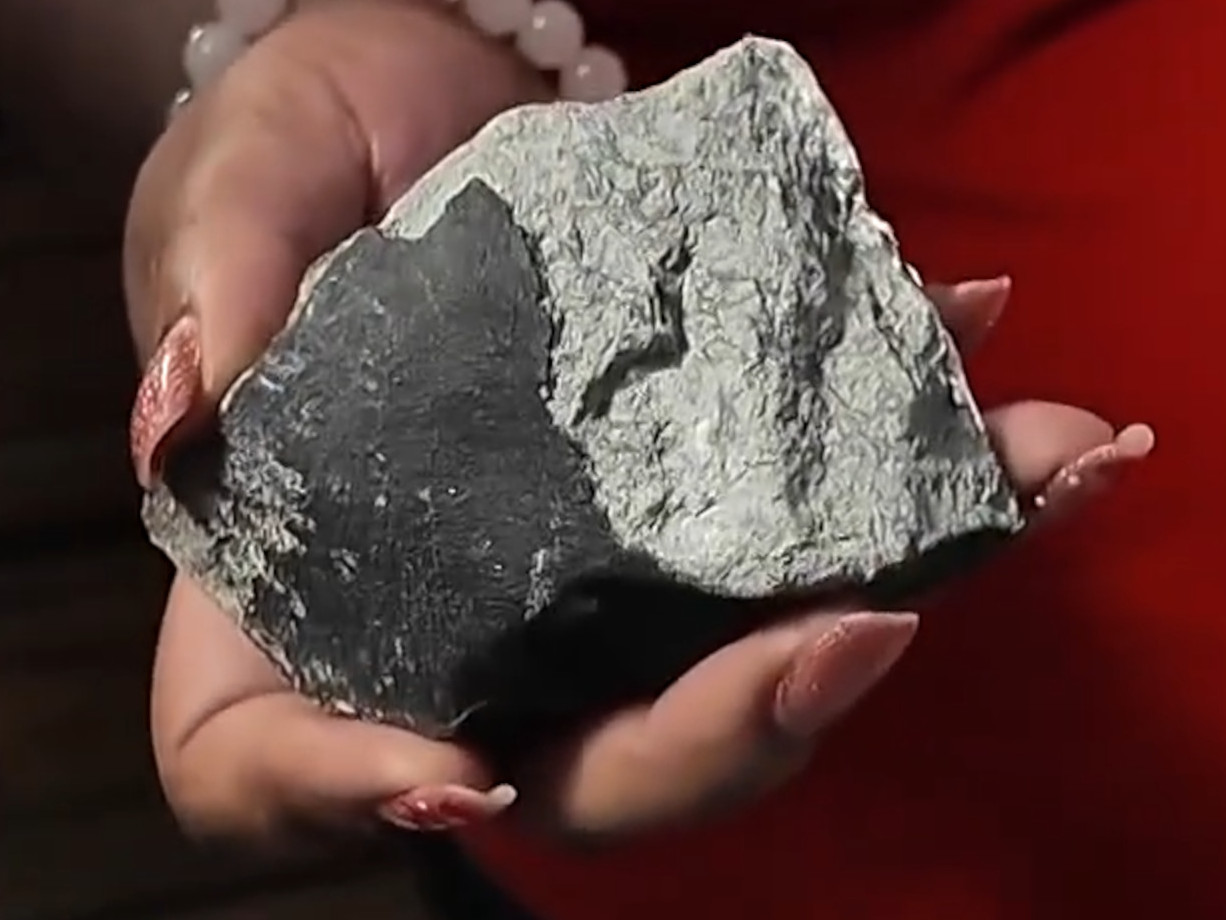
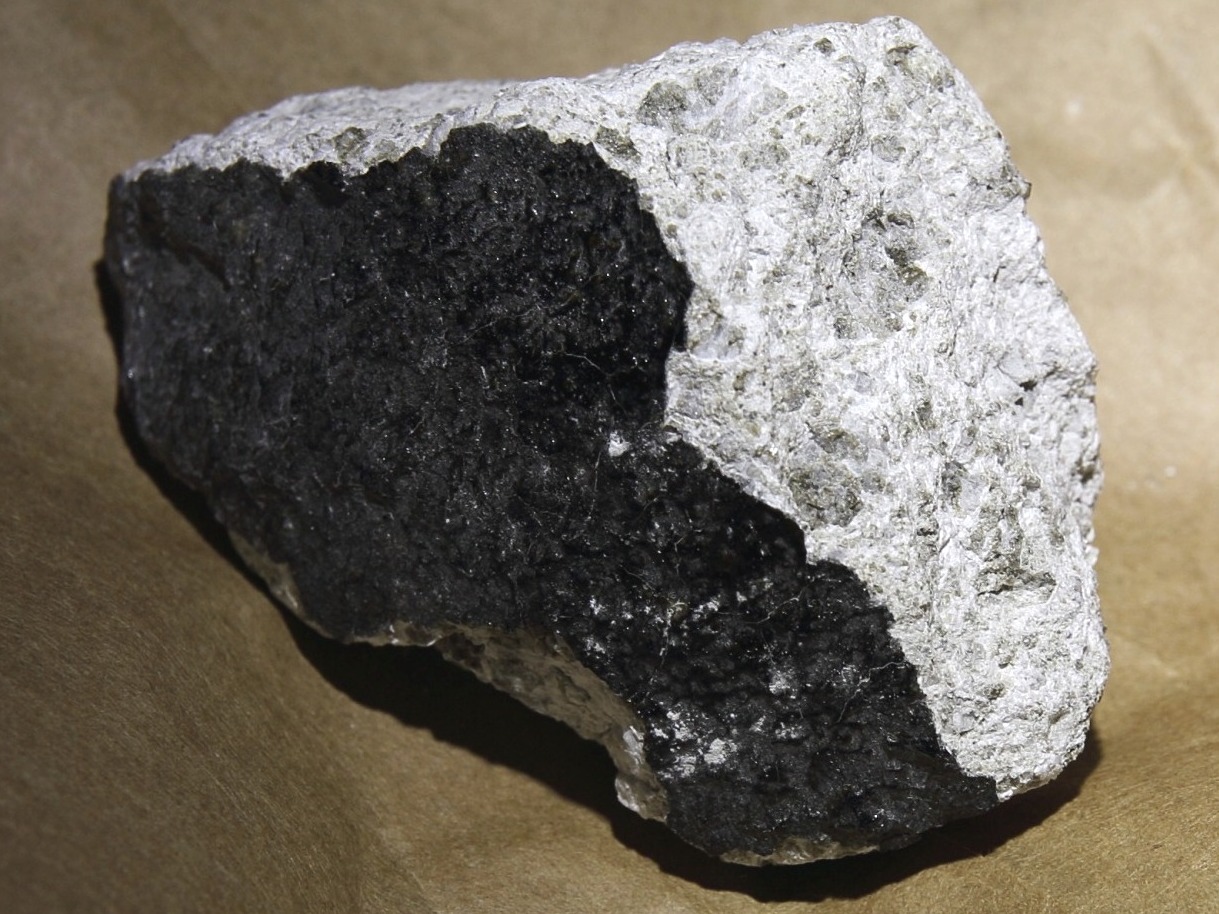
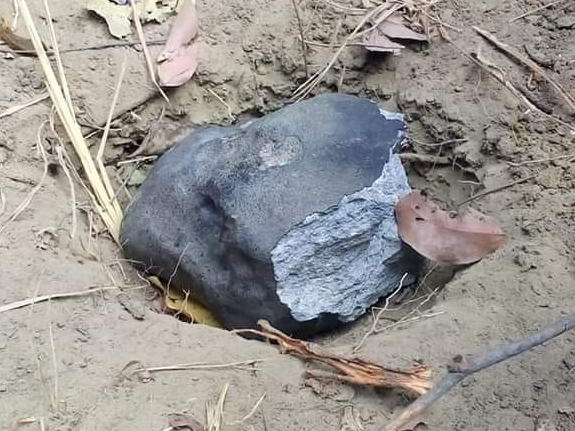
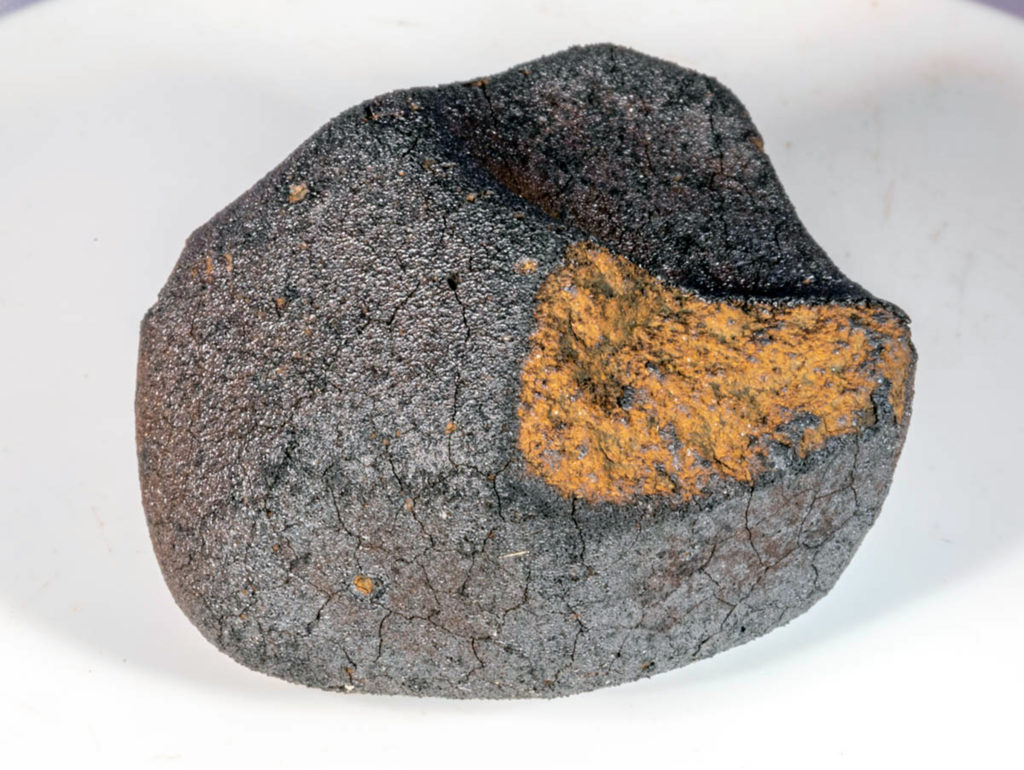
“Oued Chebeika 002, a CI (Ivuna-type) carbonaceous chondrite recovered in the Moroccan desert in 2024, represents one of the rarest and most pristine samples available to investigate early Solar System processes. In this study, we present a comprehensive nanoscale characterization of the main components of Oued Chebeika 002 (i.e. phyllosilicates, sulfides, magnetite, and carbonates) using transmission electron microscopy, with the aim of resolving its submicrometric mineralogical heterogeneity, constraining the physicochemical conditions of aqueous alteration on its parent body, and comparing these features with those observed in other CI chondrites and samples returned from asteroids Ryugu and Bennu. Our observations reveal a complex mineral assemblage dominated by phyllosilicates intimately associated with Fe-sulfides, magnetite, and carbonates. Overall, the mineral assemblage closely resembles those of CI chondrites and samples from Ryugu and Bennu, suggesting that aqueous alteration processes were broadly similar across their parent body(ies). In particular, the occurrence of dolomite is consistent with precipitation from brines, while its compositional zoning and complex microstructures, including mottled and ribbon-like textures, suggest formation through metastable precursors and subsequent dissolution–reprecipitation and re-equilibration processes. Magnetite spherulites and spherules likewise record distinct non-equilibrium processes. The former is characterized by a radiating microstructure and likely formed through a non-classical crystallization pathway from supersaturated solutions, whereas the latter displays surface etch pits indicative of dissolution. Taken together, the microstructural characteristics of both carbonate and magnetite are indicative of formation and alteration under dynamic, non-equilibrium conditions, highlighting the evolving nature of aqueous solutions in CI parent body(ies).”