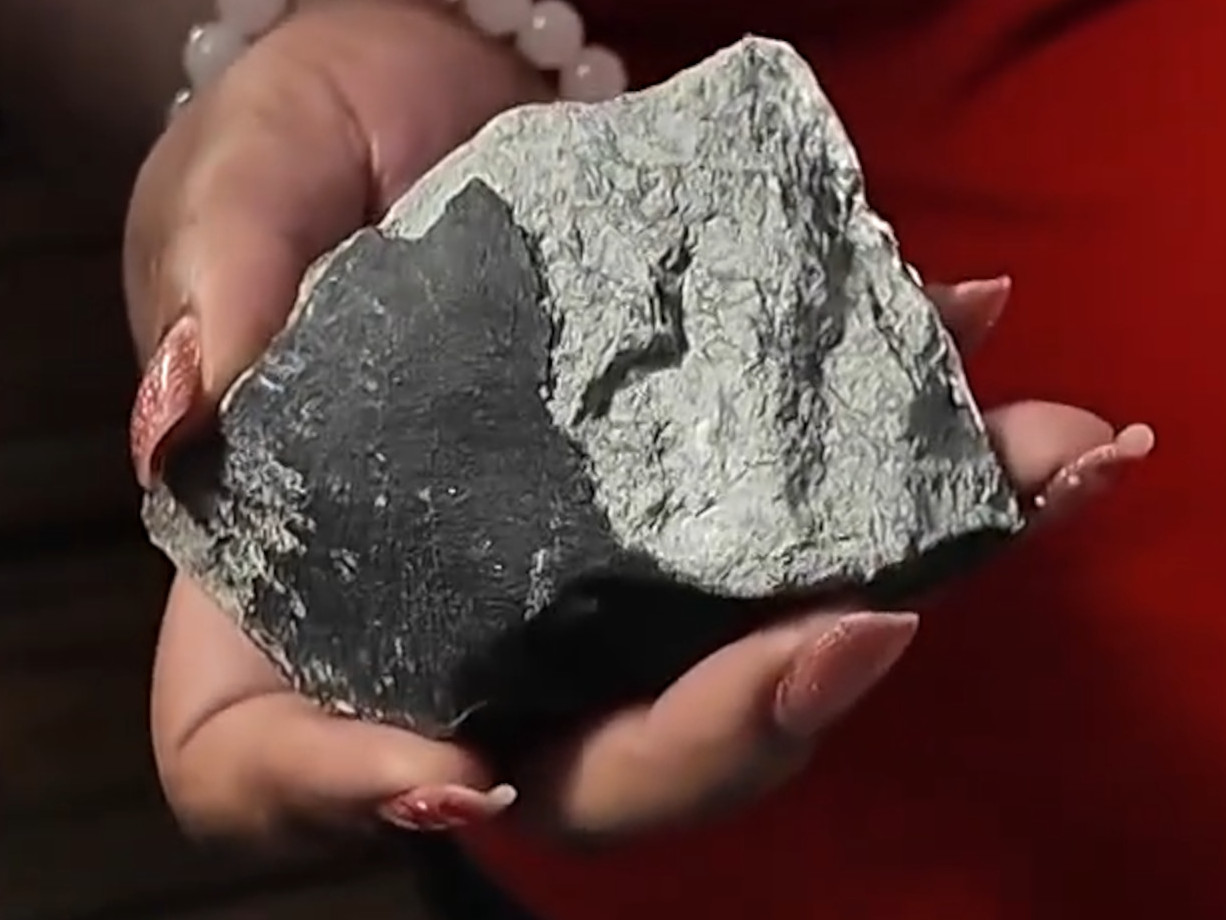
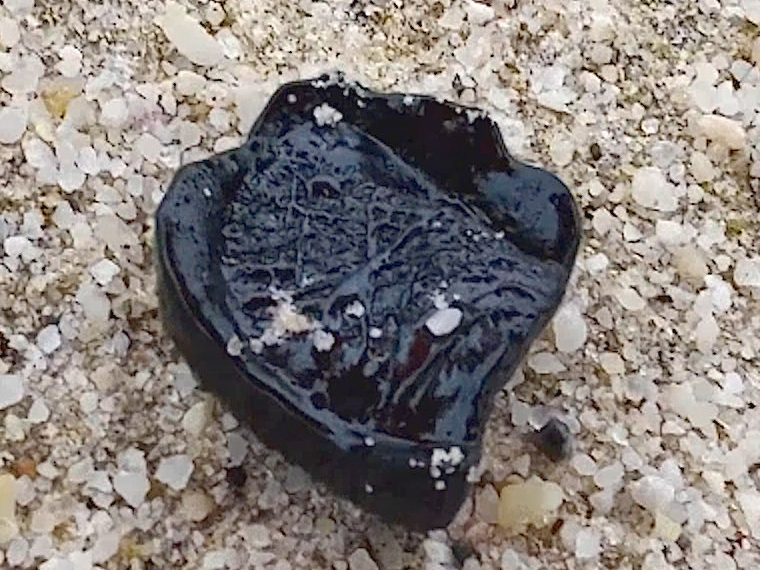
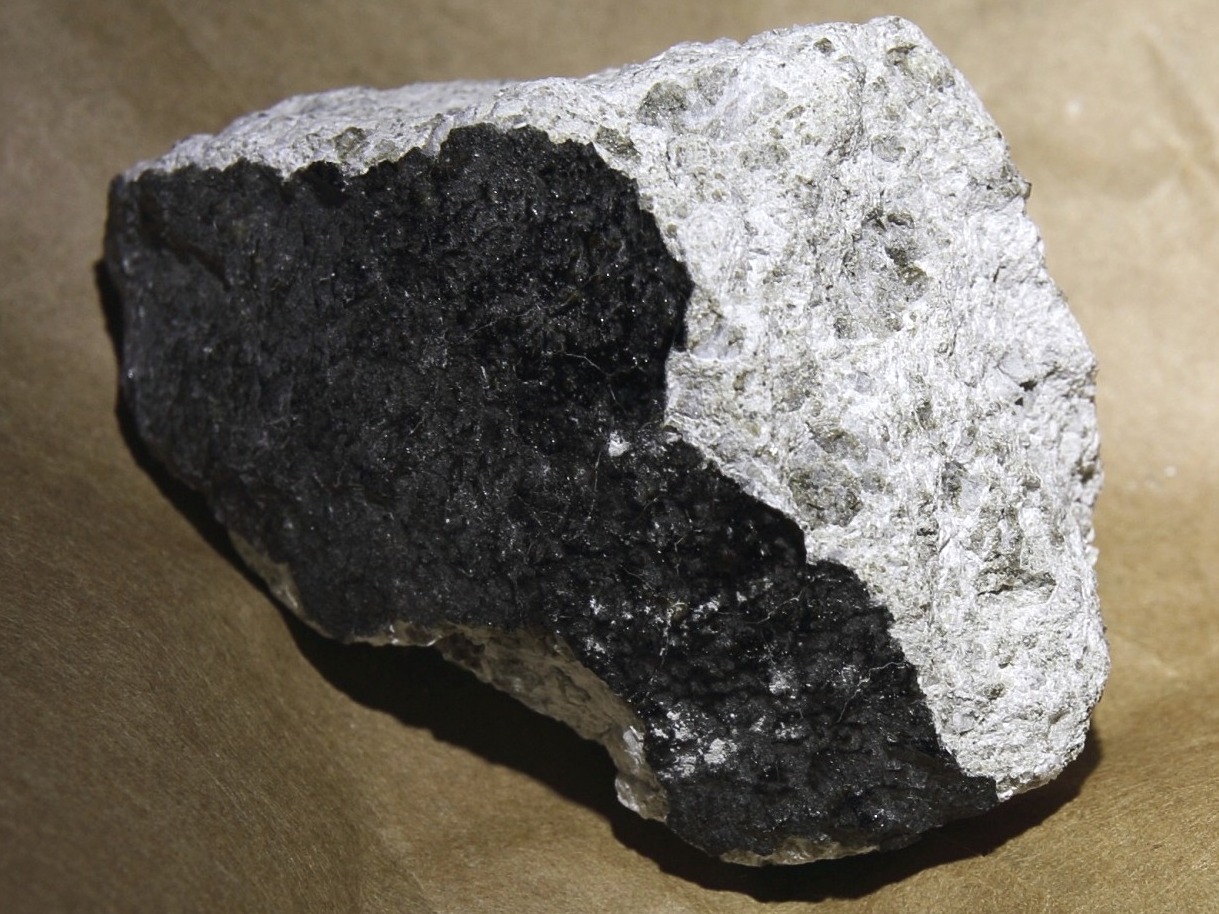
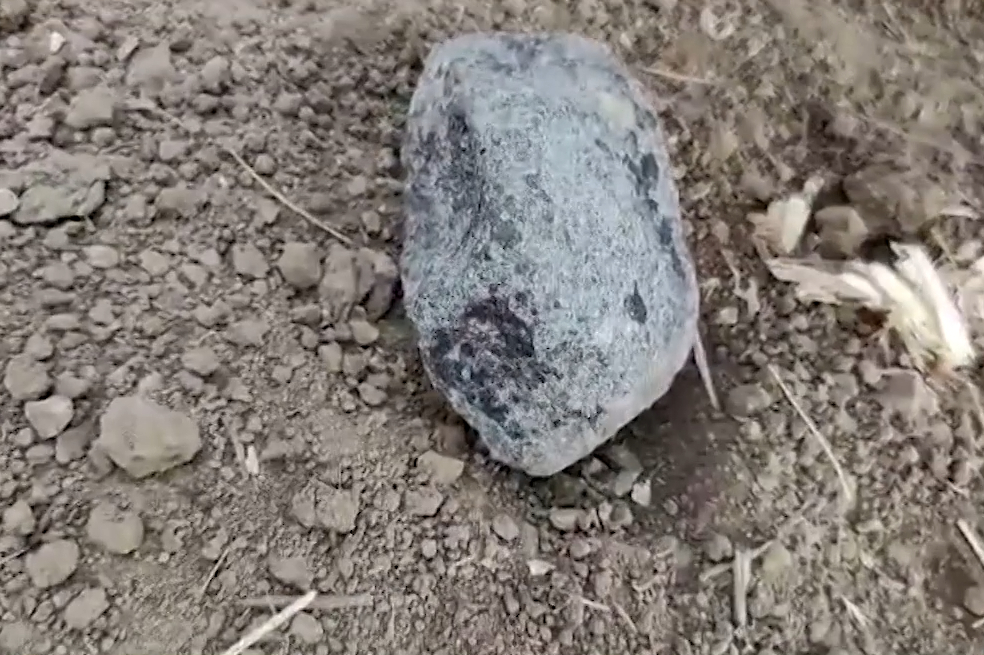
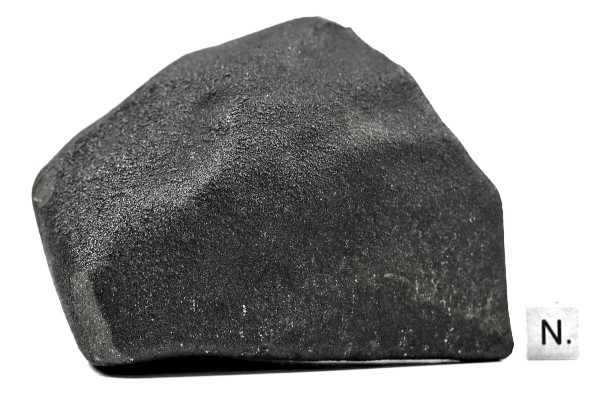
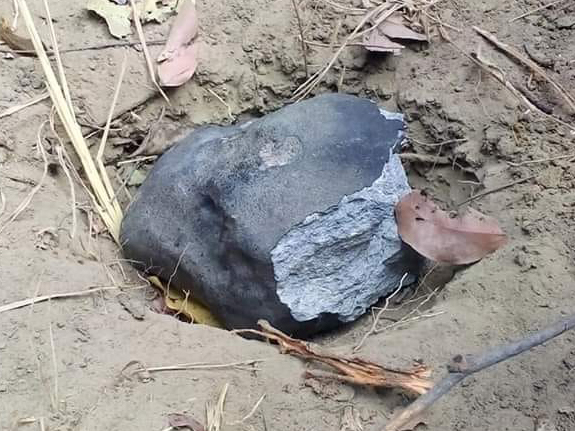
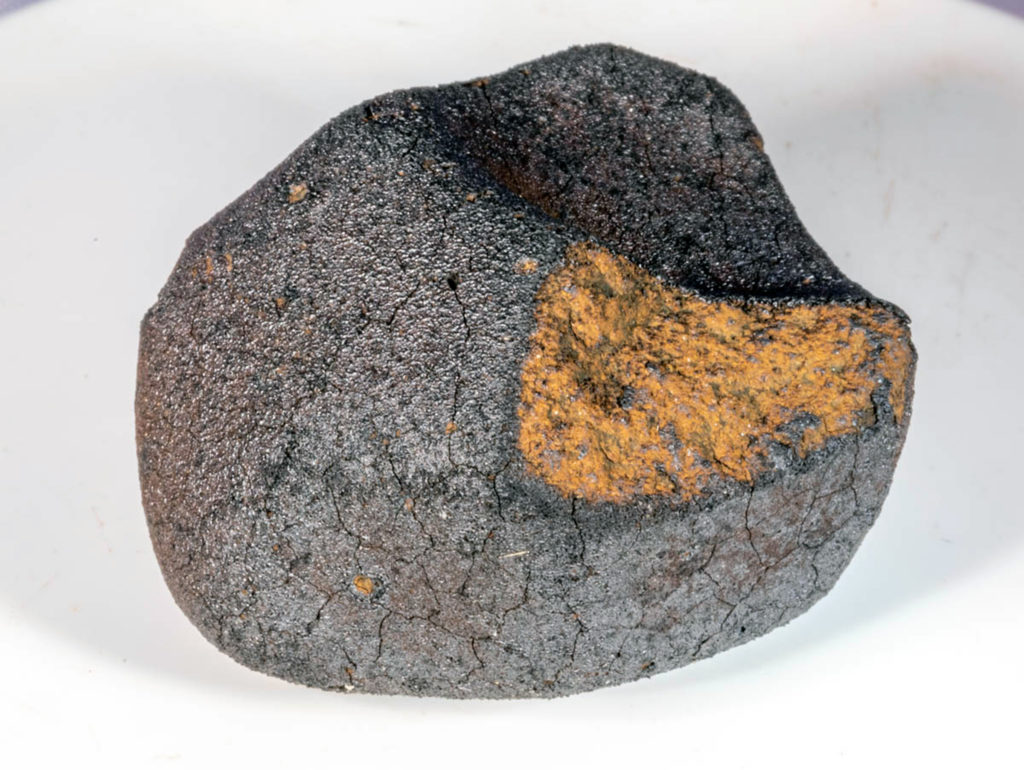
K, Rb, Ge, and Cu isotopes in Oued Chebeika 002 compared with CI chondrites, Ryugu, and BennuOPEN ACCESS
D.S. Grewal, N.X. Nie, B. Luais, Z.J. Zhang, Q. Ahmad, A. Vazquez Ochoa, P. Ni
Geochemical Perspectives Letters v40
Published 11 June 2026
LINK (OPEN ACCESS)
PDF (OPEN ACCESS)
“The primordial isotopic compositions of moderately volatile elements in CI chondrites may be obscured by aqueous alteration on their parent bodies. Here we report K, Rb, Ge, and Cu isotopic compositions of Oued Chebeika 002 (OC002), a CI chondrite recovered shortly after its fall and thus minimally affected by terrestrial weathering. OC002 exhibits light δ41/39K (−0.291 ± 0.043 ‰), comparable to Bennu and lighter than other CI chondrites and Ryugu, and the lightest δ87/85Rb (+0.058 ± 0.036 ‰) yet measured in a CI chondrite. Meanwhile, its δ74/70Ge (+0.980 ± 0.042 ‰) and δ65/63Cu (+0.197 ± 0.020 ‰) values fall within the CI-Ryugu field. This element specific pattern − K and Rb variable, Ge and Cu uniform − indicates that parent body aqueous alteration selectively fractionated fluid mobile alkalis whereas Ge and Cu isotopes remained largely insensitive. The range of K and Rb isotopic composition in CI chondrites spans nearly the total variation observed across carbonaceous chondrite groups, implying that δ41/39K and δ87/85Rb of the CI end member cannot be uniquely defined. This introduces significant uncertainty when using CI chondrites as the matrix end member to constrain chondrule isotopic compositions for fluid mobile elements. More broadly, our results demonstrate that “pristine” with respect to terrestrial weathering does not equal “primitive” with respect to parent body processing.”