Further insights on the Wabar impact event (Saudi Arabia): Target materials, highP–Tsilica phases, and shock-induced variations on quartz crystallography
Paolo Ballirano, Maurizio Barbieri, Francesca Gori, Gian Paolo Sighinolfi
MAPS, Version of Record online: 23 November 2026
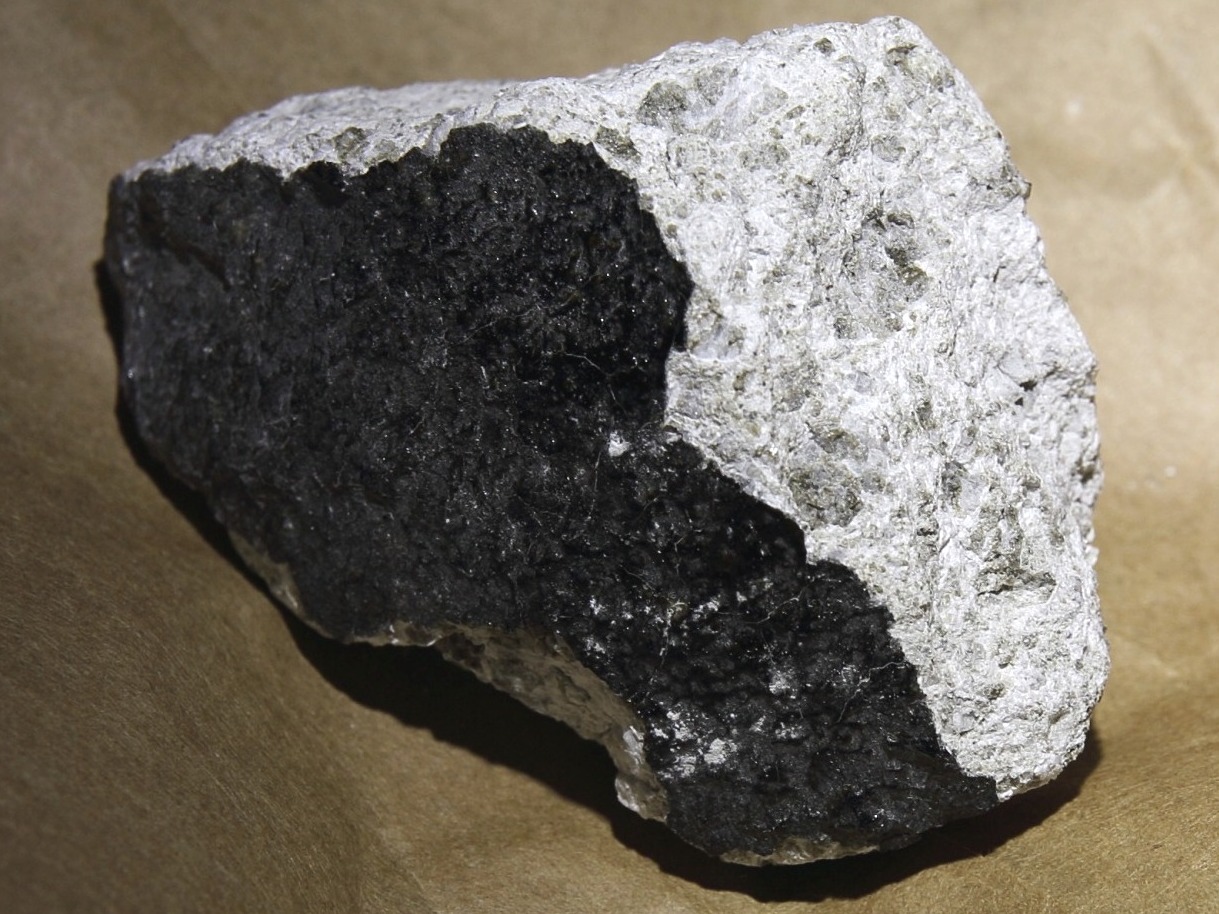
“Impact cratering generates high-pressure–temperature conditions that transform target rocks into shock and melt products, yet distinguishing solid-state deformation from melt-related recrystallization in quartz-bearing impactites remains challenging. We investigated dune sands and impact products from the Wabar crater (Saudi Arabia) to constrain target composition, high-P–T silica polymorph formation, and shock-induced quartz modifications. Powder X-ray diffraction with Rietveld refinement provided quantitative phase analysis, glass content via a vitrification index (Iv), and quartz unit-cell parameters and microstrain, complemented by ICP-MS whole-rock geochemistry and principal component analysis. Three groups emerged: lithified sands (Iv < 10), light-colored vitrified materials (Iv > 10), and black glasses. Most impactites derive from dune sands, but carbonate- and Ca-rich vitrified samples reveal local involvement of sabkha deposits, with vesicular textures suggesting volatile-rich lechatelieritic melts. Coesite (up to 8 wt%) occurs exclusively in lithified sands, supporting subsolidus quartz-to-coesite transformation; stishovite is absent and cristobalite sporadic (≤10.4 wt%). Lithified sands show coupled increases in quartz volume and microstrain, consistent with planar deformation, whereas vitrified samples show decoupled, anomalously high values reflecting relict shocked quartz mixed with melt-derived disordered silica. These crystallographic fingerprints provide a robust tool for discriminating shock deformation from melt recrystallization, applicable to reconstructing shock histories in other impact structures.”