The effects of shock process and terrestrial weathering on mercury isotopes in meteorites
Yan Fan, Deze Liu, Shijie Li, Xiangdong Li, Shen Liu, Dehan Shen, Qing-Zhu Yin
MAPS, First published: 28 May 2026
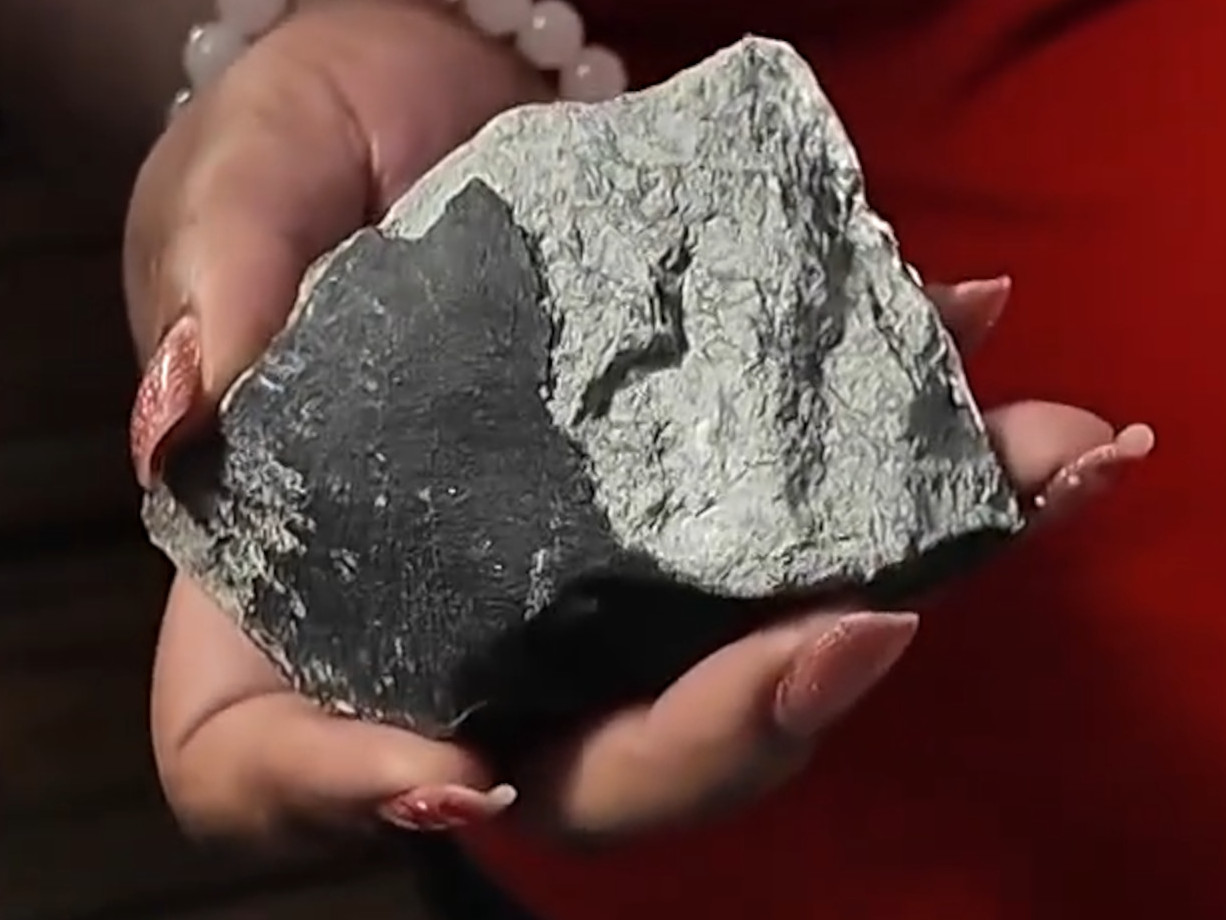
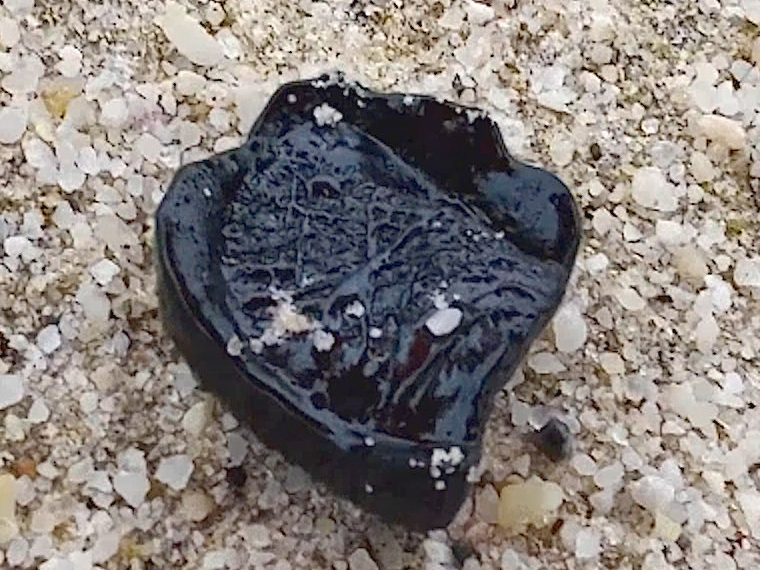
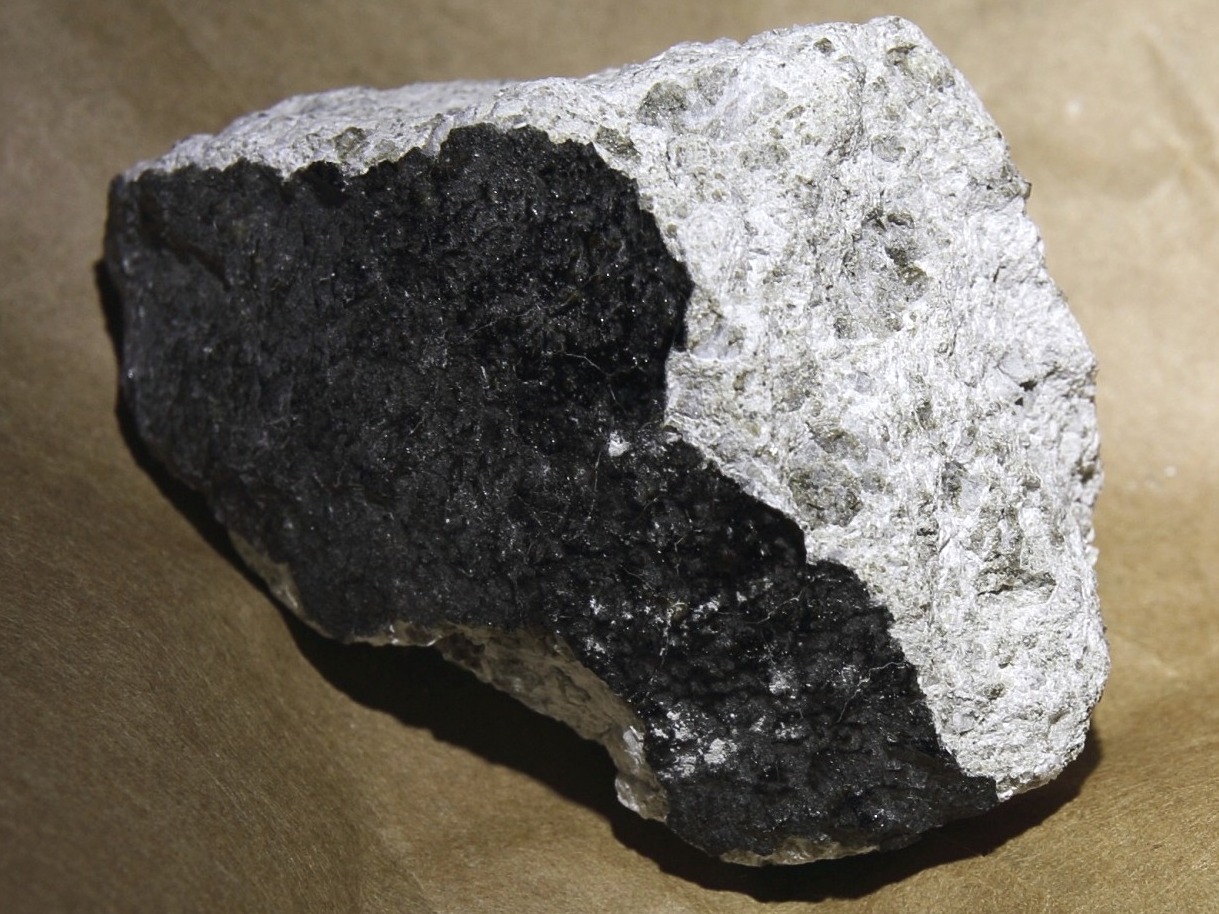
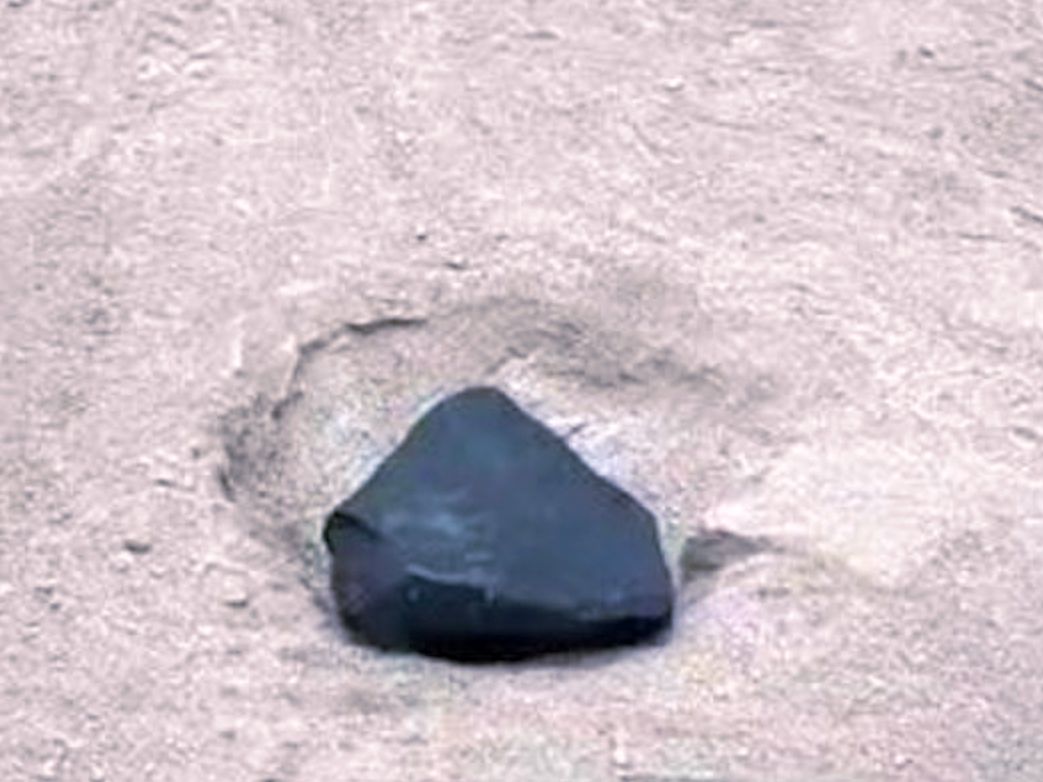
“This study assesses mercury (Hg) concentrations and their isotopic compositions in Antarctic chondrites, desert chondrites, and drilled samples from the Jilin chondrite (H5). Desert chondrites show mercury concentrations between 2.2 ng g−1 and 156.8 ng g−1, with δ202Hg ranging from −3.69‰ to 1.19‰. Δ199Hg and Δ201Hg vary from −0.23‰ to −0.02‰ and −0.2‰ to 0.02‰, respectively, showing a weak positive correlation among these parameters (slope 0.74 ± 0.24, R2 = 0.46). These Hg concentrations and isotopic composition data of desert chondrites indicate that Hg in desert chondrites has been altered due to terrestrial processes in addition to evaporation loss during its terrestrial residence period. Antarctic chondrites exhibit mercury concentrations from 8.0 ng g−1 to 3940.8 ng g−1, with δ202Hg from −2.51‰ to 1.16‰. Δ199Hg and Δ201Hg range from −0.83‰ to −0.05‰ and −0.71‰ to 0.10‰, with a significant correlation (slope 0.93 ± 0.15, R2 = 0.76), likely influenced by Antarctic snow that has experienced significant photochemical processes during atmospheric mercury depletion events (AMDEs) and has elevated mercury content (such as drifted snow). Jilin meteorite’s δ202Hg, Δ199Hg, and Δ201Hg vary between −3.74‰ to −1.79‰, −0.12‰ to 0.09‰, and −0.12‰ to −0.01‰, respectively. A weak positive correlation between Δ199Hg and Δ201Hg (slope 1.45 ± 0.28, R2 = 0.67) suggests localized Hg evaporation due to shock processes on the parent body; however, Hg isotopic heterogeneity from nebular or parent body processes cannot be excluded. Terrestrial weathering and shock events could alter Hg content and isotopic compositions in chondrites, challenging their use as accurate indicators of Hg’s cosmochemical behavior.”