Chandrayaan-3 APXS measurements reveal Lunar highland compositional diversity and meteorite connectionsOPEN ACCESS
Dwijesh Ray, Rishitosh K. Sinha, Santosh V. Vadawale, M. Shanmugam & Anil Bhardwaj
npj Space Exploration, Volume 2, Article number: 25
LINK (OPEN ACCESS)
PDF (OPEN ACCESS)
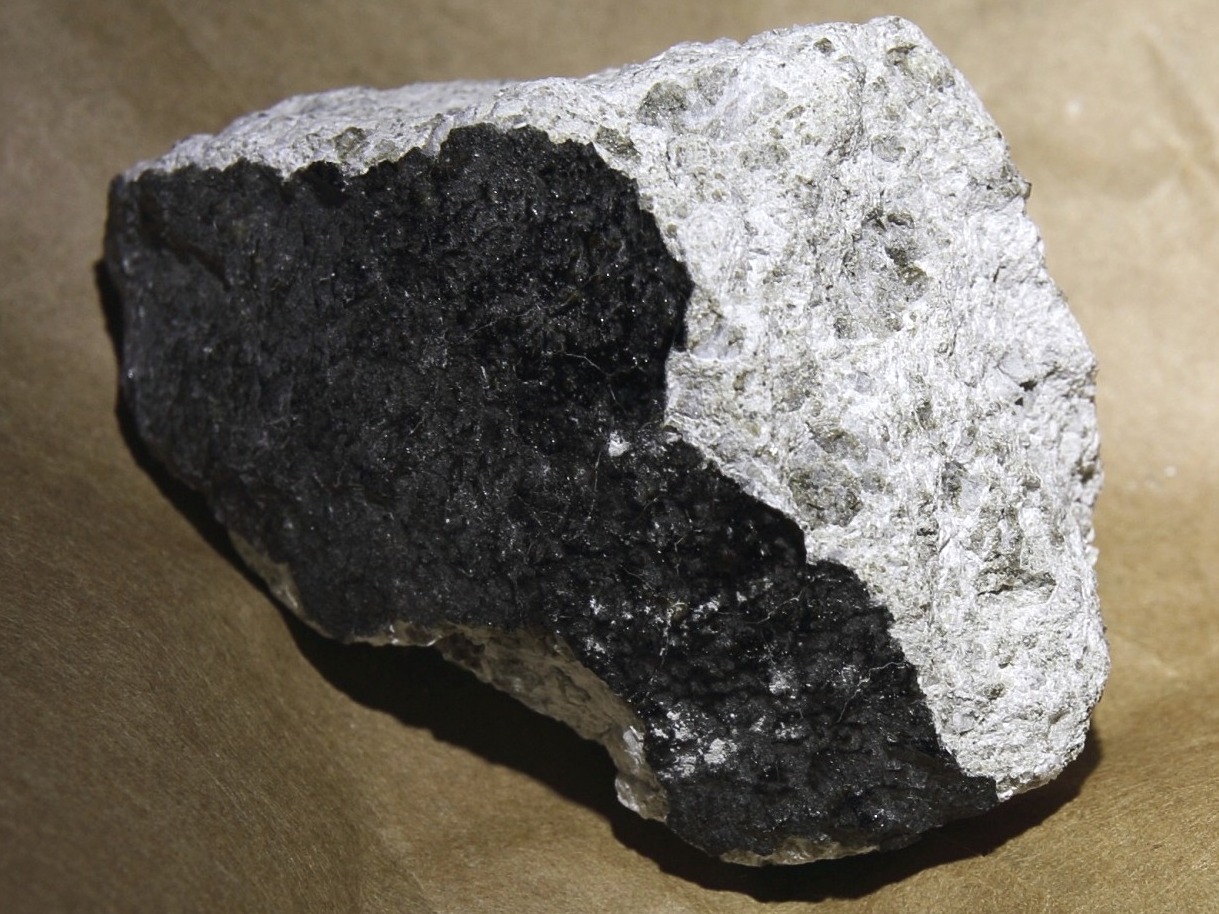
“The Lunar Feldspathic Highland Terrane (FHT) represents the primary anorthositic crust formed during crystallization of the Lunar magma ocean (LMO). We present the first detailed geochemical characterization of the Chandrayaan-3 landing site in the southern nearside FHT using Alpha Particle X-ray Spectrometer (APXS) data. The Chandrayaan-3 soils are less feldspathic (Al2O3 = 26.1 ± 1.41 wt%), more mafic (FeO+MgO = 14.4 ± 0.67 wt%), and exhibit elevated Mg# (70) compared with global FHT averages (Al2O3 = 29.6 ± 0.6 wt%; FeO+MgO = 8.15 ± 0.59 wt%, and Mg# 65.5). Comparisons with Lunar meteorites demonstrate a close match to magnesian anorthosites, particularly Allan Hills (ALHA 81005). Mixing models further indicate incorporation of lower crustal troctolitic anorthosites derived from the South Pole Aitken (SPA) basin, with average feldspathic highland components. The elevated Mg# and mafic enrichment at the landing site point toward impact-driven mixing and excavation processes, rather than directly representing the composition of the primary flotation crust. Moreover, our findings are consistent with the canonical LMO hypothesis and highlight localized compositional heterogeneity within the feldspathic crust, providing additional constraints on the possible role of impact-driven mixing and lower crustal and/or upper mantle material incorporation in modifying the primary anorthositic crust of the Moon.”