Stardust Mine: A 2024 gabbroic shergottite from Arizona, USAOPEN ACCESS
Jennifer T. Mitchell, Natasha R. Stephen, Zsuzsanna P. Allerton, Weiming Ding, Xin-Yuan Zheng
MAPS, First published: 07 June 2026
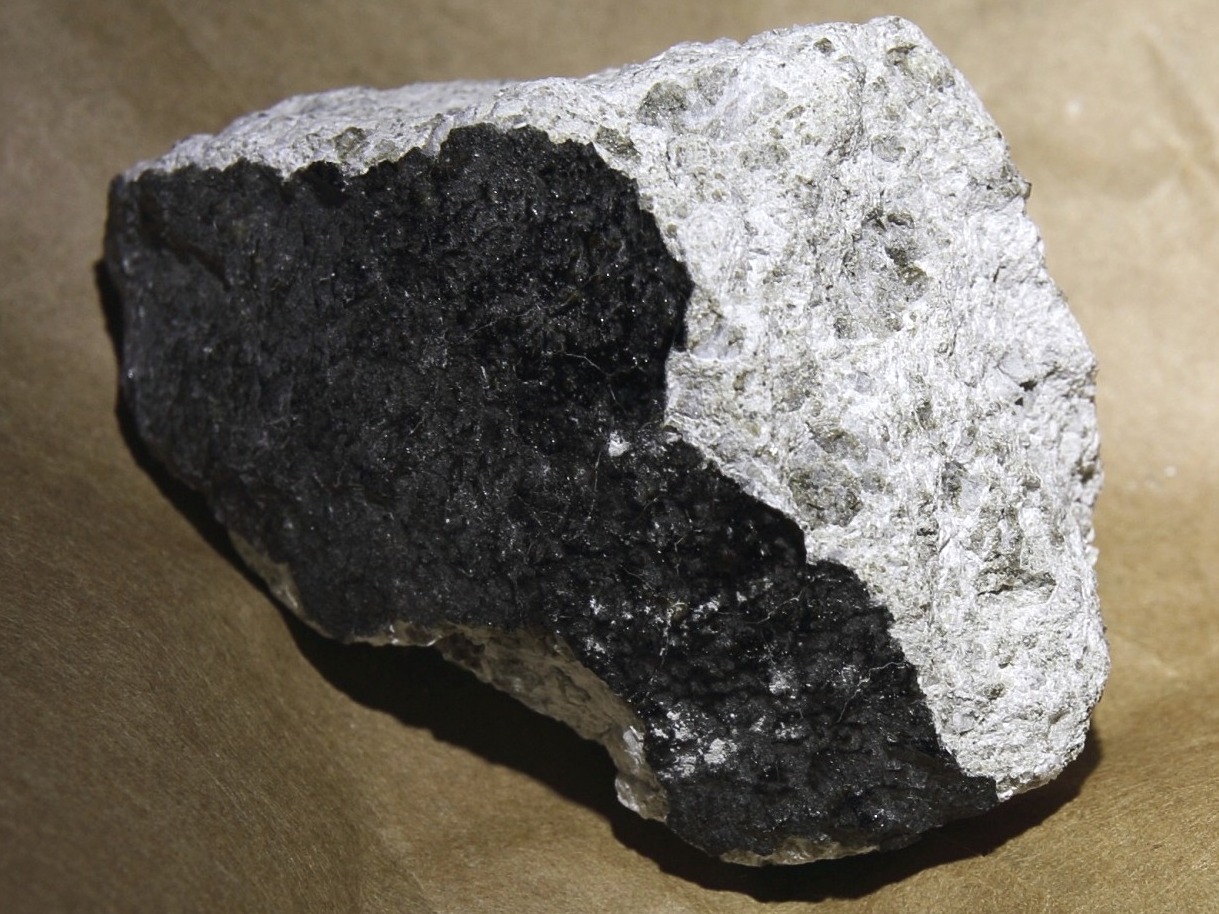
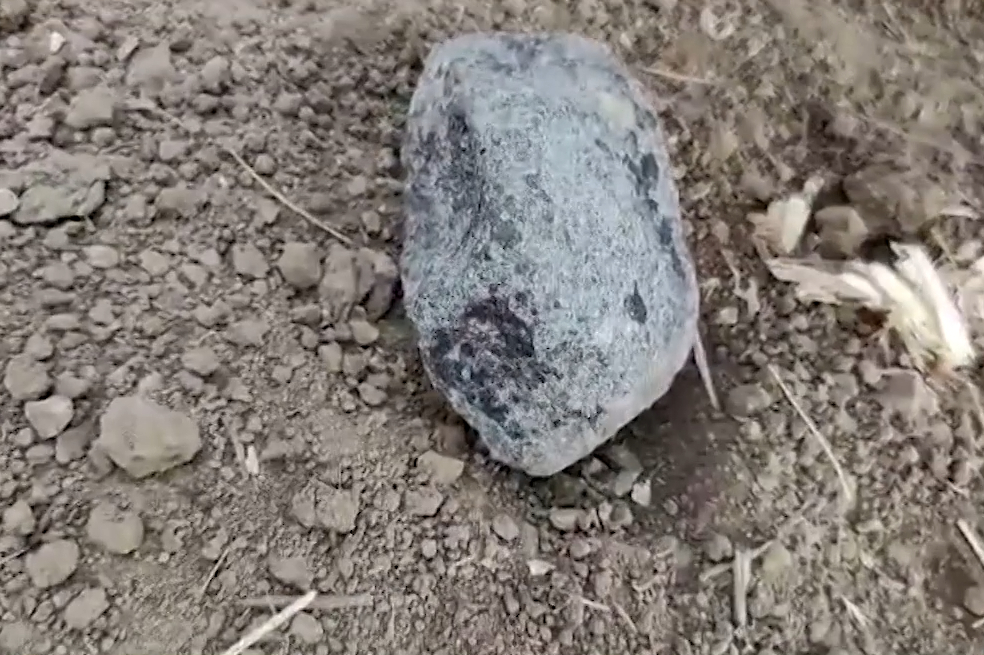
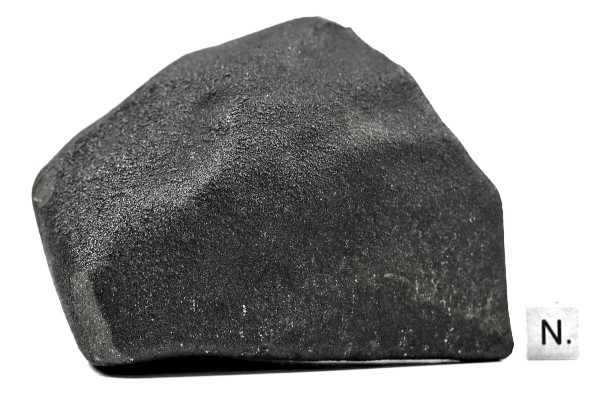
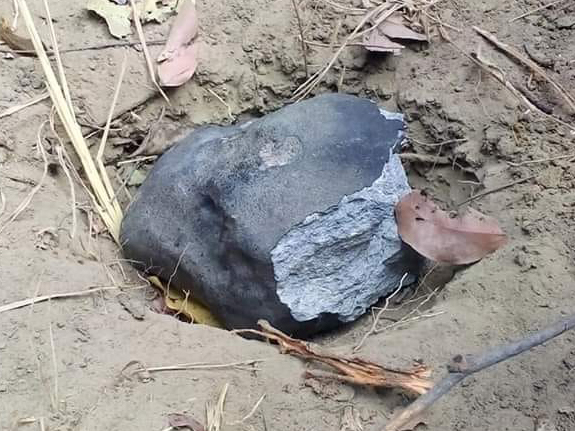
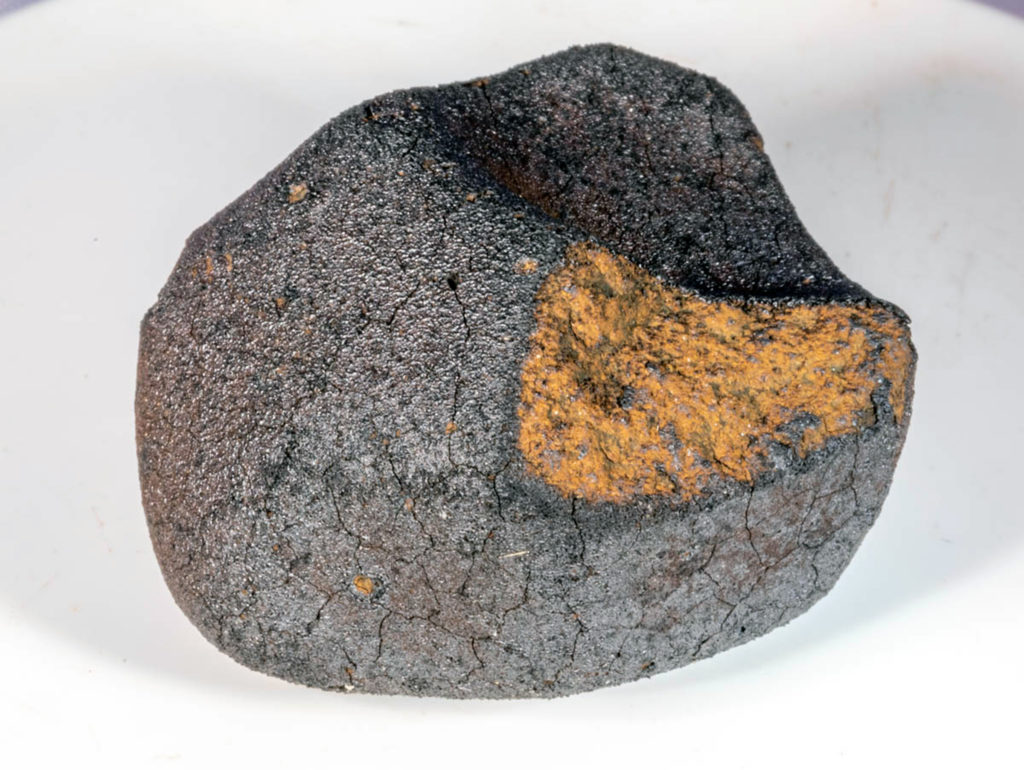
“This study provides an initial characterization of Stardust Mine, a fresh gabbroic enriched shergottite collected in Arizona, USA, in September 2024 and is the first Martian meteorite to be unequivocably collected on US soil. Analysis was conducted on the type specimen and finds that Stardust Mine is composed of equal proportions of pyroxene and maskelynite, with large Fe-Ti oxides and phosphates. Ti/Al ratios and two-pyroxene thermometry of the most primitive pyroxenes (Mg# >57), inferred to represent preplagioclase pyroxene crystallization, give an estimated minimum initial crystallization depth of ~40 km at ~1140°C. Sector zoning is restricted to these pyroxenes and may have developed through magmatic undercooling in response to magma ascent before storage in a staging chamber in the volcanic system. Pyroxene and plagioclase cocrystallized for almost the entirety of the crystallization sequence with evolving melt compositions, followed by phosphates and Fe-Ti oxides. Ilmenite-titanomagnetite pairs and D(Cr)pyroxene suggest the magma was relatively oxidized (fO2 ΔQFM −1.3) compared with other shergottites. Accumulation and crystal settling in a sill, dyke, or intracrustal magma chamber allowed the development of a shape-preferred orientation and decomposition of metastable pyroxenes to three-phase symplectites. Stardust Mine represents a highly fractionated lithology that extends the range of high-Al basaltic shergottites to ~8 wt% Al. Our analysis does not find a clear pairing with shergottites in literature in lieu of radiogenic isotope data, and Stardust Mine may therefore represent a previously unsampled lithology.”