Petrogenetic evolution of mesosiderite NWA 8741
Olga Ageeva, Cyril Lorenz, Gerlinde Habler, Lutz Nasdala, Leonid Aranovich, Olga Zhilicheva, Sergey Borisovsky, Rainer Abart
MAPS, Version of Record online: 22 June 2026
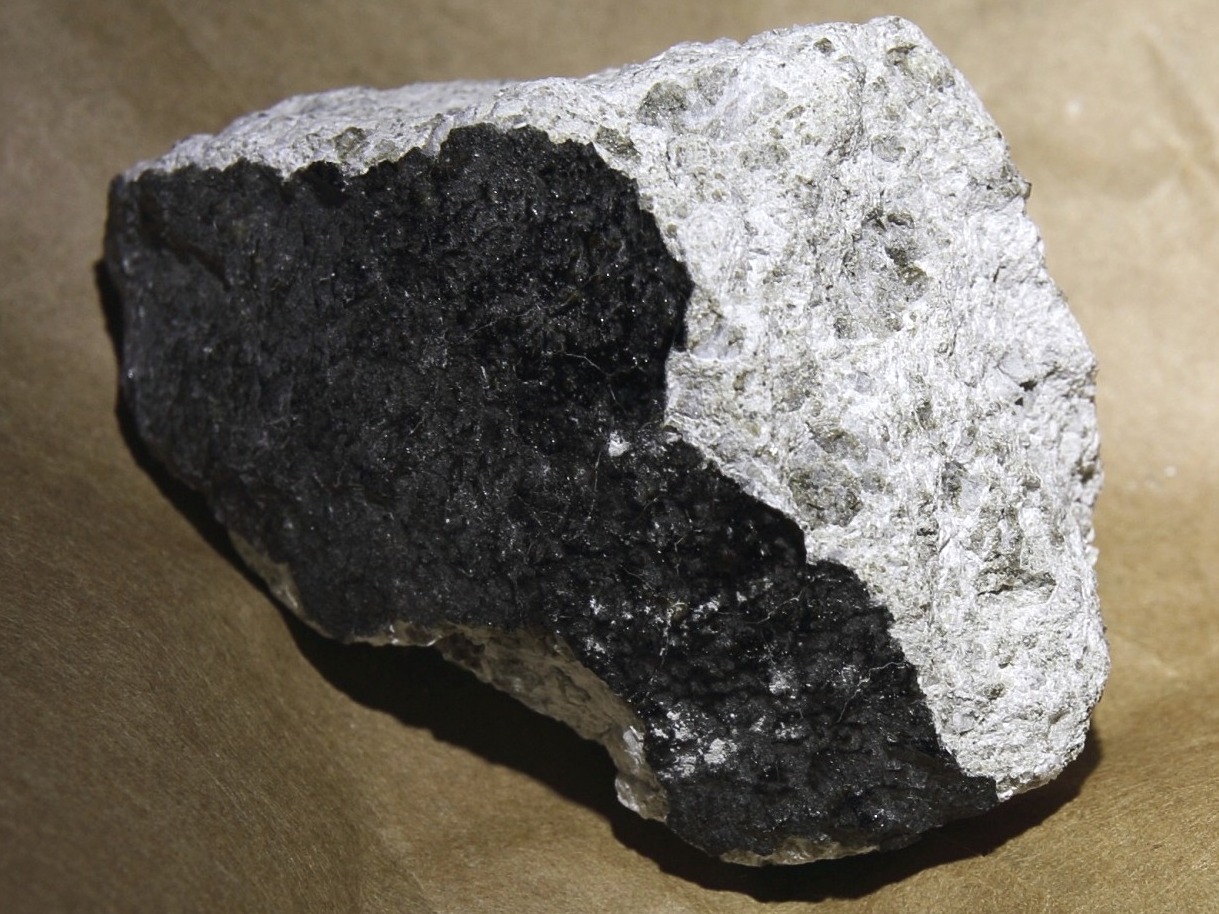
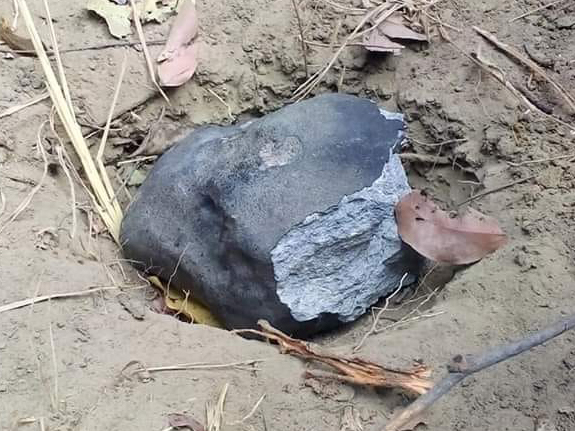
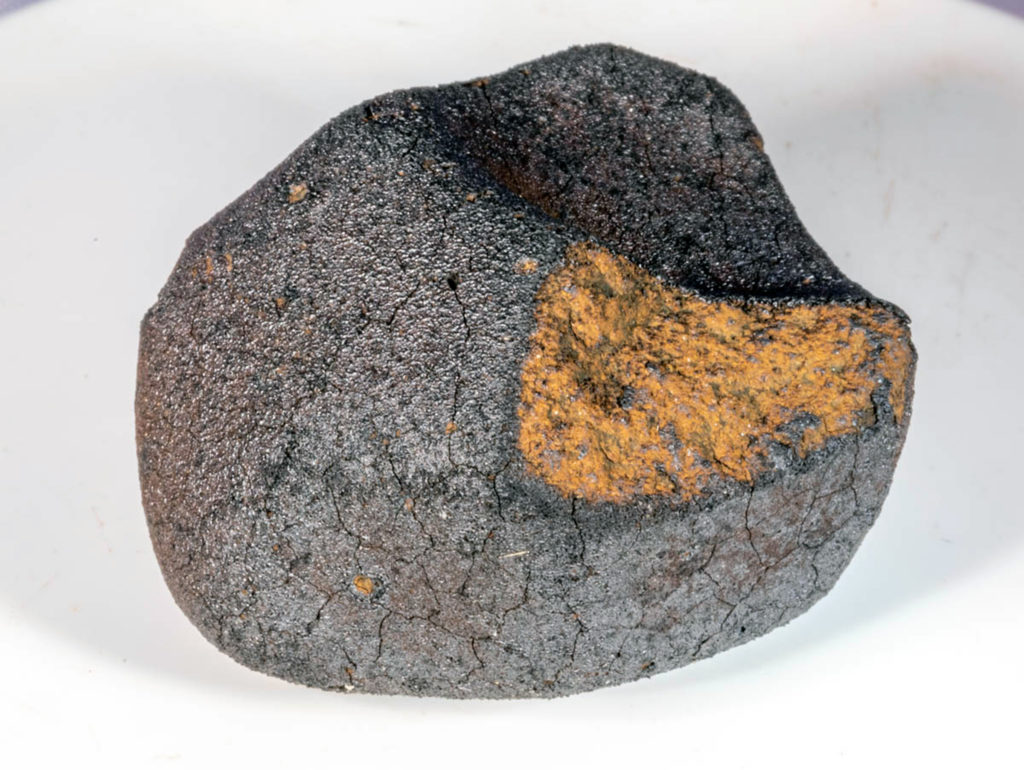
“Two samples of the meteorite Northwest Africa 8741 (NWA 8741) were investigated using petrographic, mineral chemical, and crystal orientation analysis to reconstruct its evolution. NWA 8741 is an A4 mesosiderite composed of lithic clasts of pyroxenite and single-grain porphyroclasts of olivine and orthopyroxene as well as aggregates of Ni-rich metallic iron embedded in a medium-grained matrix of plagioclase, orthopyroxene, cristobalite, tridymite, minor chromite, clinopyroxene, and small grains of metallic iron with low Ni-contents. The mesosiderite NWA 8741 formed by a collision event, which led to the ejection of silicate and metal melts and of solid fragments from a differentiated parent body and the projectile. The matrix minerals crystallized from the silicate melt, while the metallic melt forming the Ni-rich metallic iron aggregates, and the silicate clasts were incorporated by mechanical mixing. The crystallization of the matrix phases proceeded at low oxygen fugacity, ensuring the stability of metallic iron. Interaction between the metallic and silicate melt caused partial oxidation of phosphorus and chromium originally dissolved in the metallic melt, leading to the formation of merrillite and Cr-rich spinel. The melt was out of equilibrium with the inherited olivine and orthopyroxene clasts, and a series of mineral-melt reactions led to the partial replacement of the inherited olivine by aggregates of orthopyroxene and Cr-spinel and to the partial replacement of the inherited orthopyroxene by aggregates of cristobalite, Cr-spinel, and plagioclase. During the subsequent sub-solidus evolution, the oxygen fugacity was still low, allowing the formation of Ni-poor iron grains and silica by the partial reduction of ferrous iron from the Fe-Mg silicates, and the partial replacement of olivine by symplectic orthopyroxene-metallic iron intergrowth. Finally, the replacement of olivine by troilite-orthopyroxene and of orthopyroxene by troilite-tridymite aggregates and the partial transformation of Ni-poor metallic iron to troilite indicate an elevated sulfur fugacity during the late sub-solidus evolutionary stages of mesosiderite NWA 8741. Overall, NWA 8741 records a multistage history of impact-induced mixing, melt-rock interaction, and subsequent sub-solidus metamorphism during the evolution of the mesosiderite parent body.”