Nitrogen and intramolecular carbon isotopic measurements of β-alanine in samples from asteroid Bennu and the Murchison meteoriteOPEN ACCESS
Ophélie M. Mcintosh, Allison A. Baczynski, Cornelia Rasmussen, David W. Hoffman, Daniel P. Glavin, Jason P. Dworkin, Jamie E. Elsila, Christopher H. House, Katherine H. Freeman, Harold C. Connolly Jr & Dante S. Lauretta
Communications Earth & Environment, Published: 24 September 2026
LINK (OPEN ACCESS)
PDF (OPEN ACCESS)
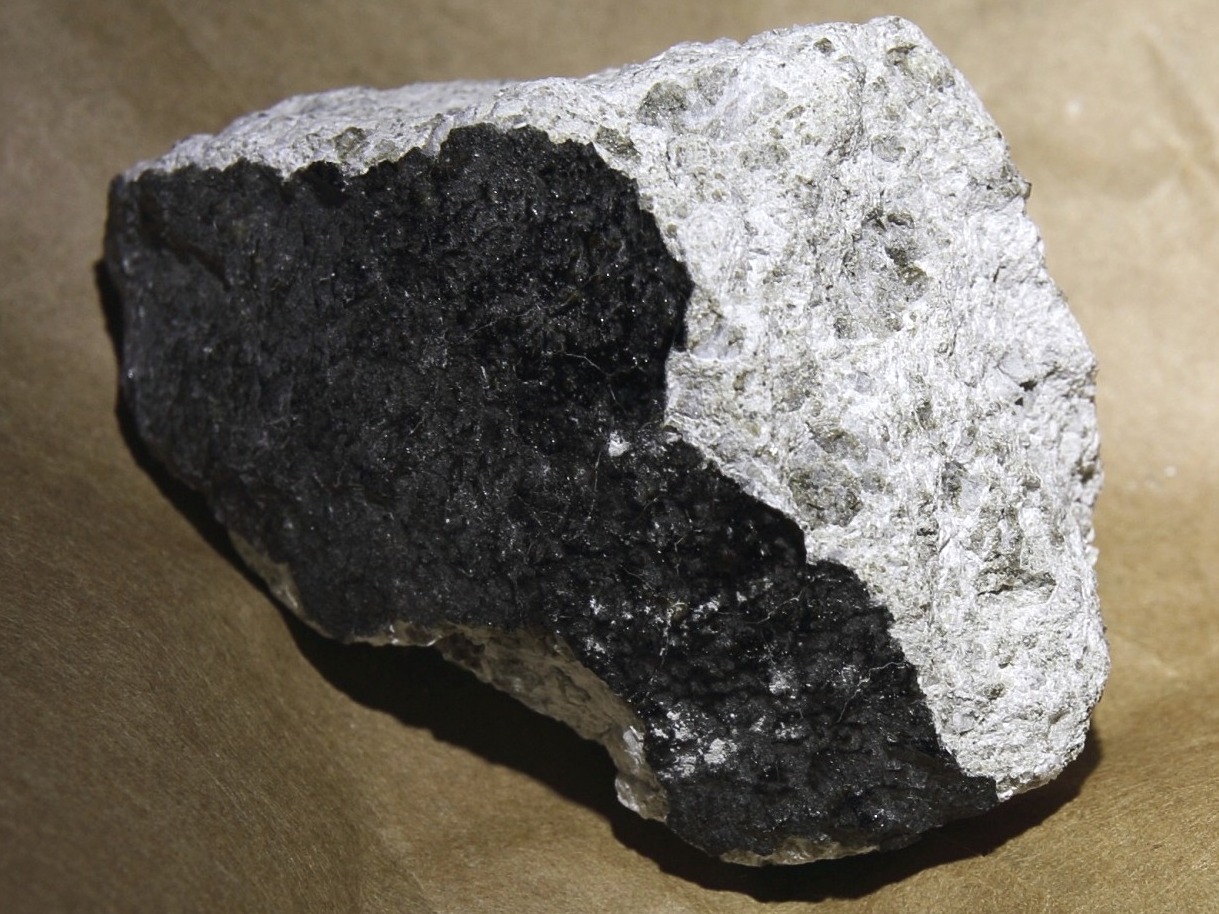
“Amino acids are central to prebiotic chemistry, and their abundances and isotopic compositions provide critical constraints on the synthetic mechanisms and environments in which they formed. Samples delivered to Earth from the carbonaceous asteroid (101955) Bennu by NASA’s OSIRIS-REx mission offer an opportunity to investigate amino acids preserved in pristine material unaffected by terrestrial contamination. Here, we report δ15N and δ13C intramolecular isotopic measurements for β-alaninein a homogenized regolith from Bennu (δ13COOH = 363 ± 29‰; δ13Cα + β = −163 ± 13‰; δ15N = 170 ± 4‰) and the Murchison meteorite (δ13COOH = 111 ± 22‰; δ13Cα + β = −44 ± 10‰; δ15N = 63 ± 4‰). Large intramolecular isotopic differences between the COOH and the position-averaged Cα + β carbons were measured in both samples (Δ= 526 ± 32‰ and 155 ± 24‰, respectively). The samples display similar intramolecular isotope distributions, consistent with a common synthetic route, but differ markedly in their position-specific carbon and nitrogen isotope compositions (Δδ13COOH = 252 ± 36‰, Δδ13Cα + β = 119 ± 16‰, Δδ15N = 107 ± 6‰). These differences are difficult to reconcile with recognized parent-body processes and suggest that nitrogen and intramolecular carbon isotopic measurements could provide direct geochemical evidence for spatial heterogeneity in organic synthesis across the protoplanetary disk and new constraints on the chemical environments and precursor reservoirs that gave rise to extraterrestrial amino acids.”