Mineralogical analysis of Vigarano group NWA 5508 carbonaceous chondrite by SEM-EDS, micro-Raman, and FTIR spectroscopy
CEREN KAMIL, OZAN UNSALAN, CISEM ALTUNAYAR-UNSALAN & MICHAEL ZOLENSKY
Journal of Astrophysics and Astronomy, Published: 22 October 2026
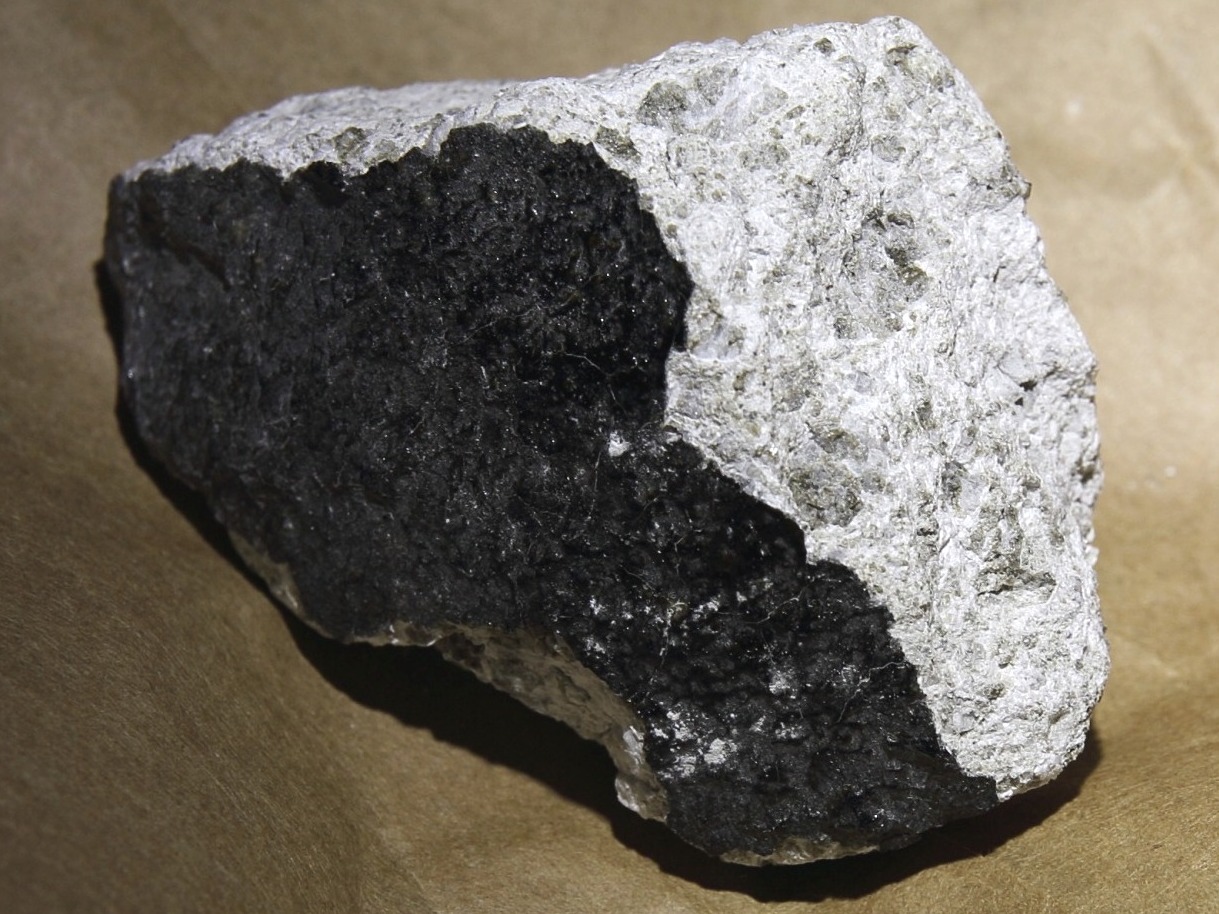
“NWA 5508 was characterized by SEM-EDS, micro-Raman, and infrared (IR) reflectance spectroscopy. SEM-EDS analysis identified Mg, Si, and Fe as the predominant elements, with Ca, Al, and S occurring as secondary constituents, indicative of heterogeneous Ca–Al-rich inclusions (CAIs) embedded within the matrix. Raman analyses identified olivine (Fo10-Fo100), kirschsteinite, enstatite (En90-En98), and hedenbergite, indicating both high-temperature nebular condensates and Fe-Ca-rich phases from oxidizing parent body processes. Magnetite is likely indigenous, while hematite, goethite, and Ca-sulfates are attributed to terrestrial alteration. IR spectroscopy confirmed primary silicates (olivine, pyroxene, and anorthite), refractory phases (diopside, melilite, spinel, and nepheline), carbonates, phyllosilicates, and organics. The combined data provides evidence for a complex geochemical history involving high-temperature nebular condensation, parent body metamorphism, aqueous alteration, and post-fall terrestrial processes. These results would contribute to the broader understanding of mineralogical diversity, alteration history, and formation conditions of CV3 chondrites, offering insights into the early solar system and parent body evolution.”